
The science behind Agriculture
September 02, 2026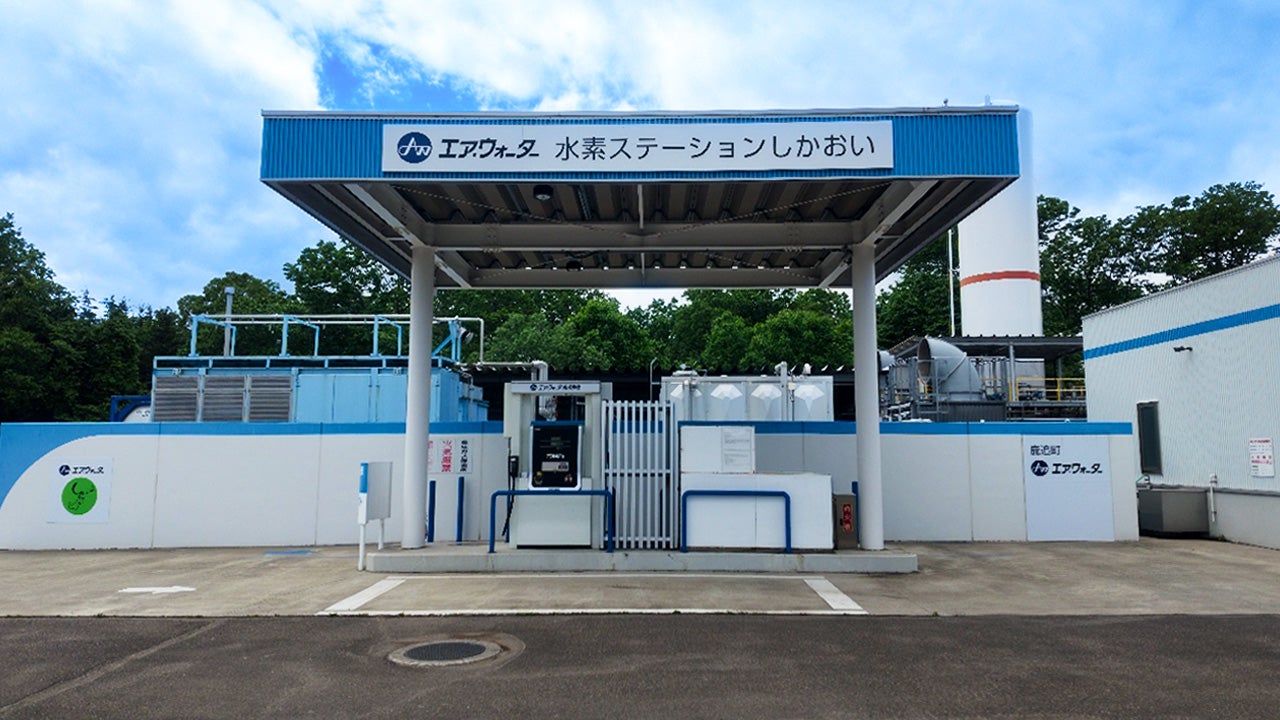
Agriculture and adventure in Hokkaido
A pile of cattle waste may seem an unlikely starting point for a lesson in modern agriculture. But at Hokkaido’s Shikaoi Environmental Preservation Center, it became exactly that for Life Sciences students Lim Khai Ian and Darren Tok.
There, they saw how cattle waste could be converted into biogas and hydrogen fuel – and how that could eventually be used in hydrogen fuel cell-powered vehicles.
A journey into the unknown
This was but one of numerous encounters during the summer programme, SP2201 Agri-Science in Japan and Singapore, that challenged their assumptions about agriculture. In Hokkaido, they discovered not only how food is produced through harsh winters, but also what becomes possible when they venture into unfamiliar territory.
“There is a first time for everything,” Ian says, describing how the experience contributed to his personal growth. “By travelling alone to Japan and navigating new surroundings, I become more willing to step beyond the comfort zone I was reluctant to leave, and to just put myself out there and experience life with others.”
 |
 |
Where tradition meets innovation
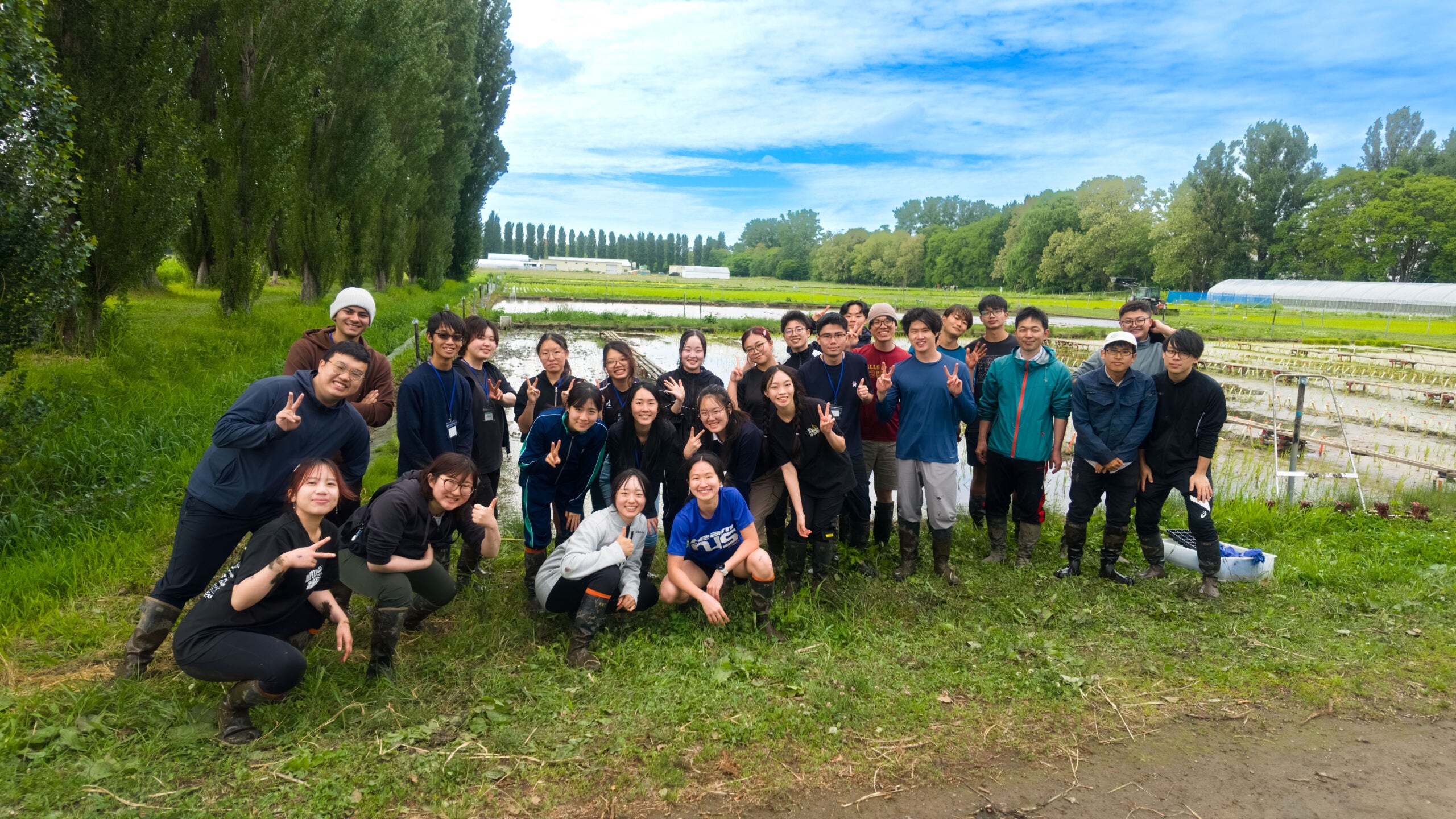
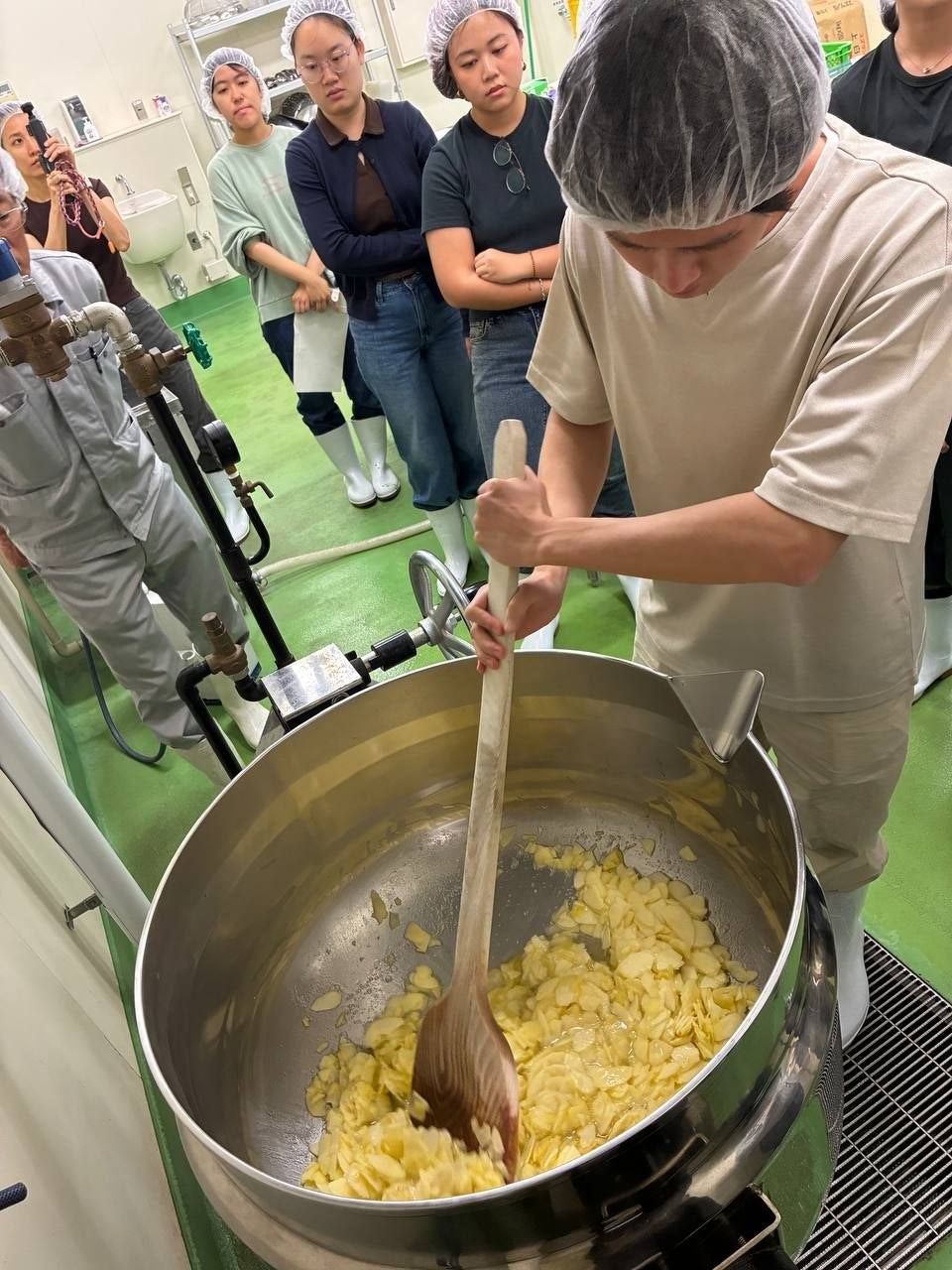
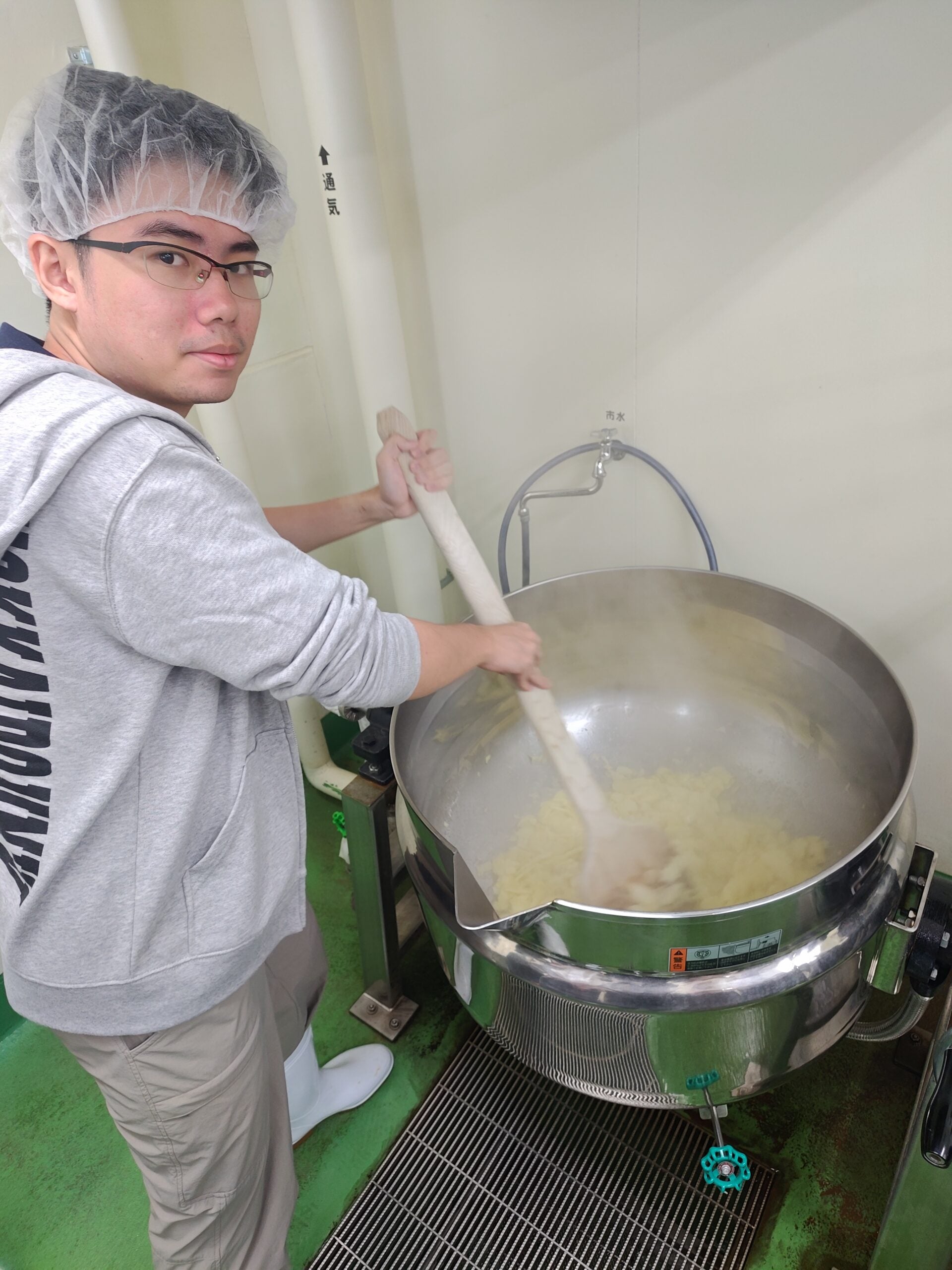
From rice planting to traditional indigo dyeing (also known as Aizome) and making apple jam from freshly harvested fruit without using preservatives, the programme offered Ian and Darren a glimpse of how tradition and innovation exist side by side.
Moving between farms, markets and agricultural facilities, they planted rice at the Hokkaido University Experimental Farm and watched the fast-paced trade of fresh produce unfold in real-time at the Sapporo Central Wholesale Market.
For Darren, the early-morning visit to the market offered a raw, behind-the-scenes look at Japan’s food distribution system in motion. From the viewing platform, he watched brokers bid for seafood such as tuna, alongside fruits and vegetables such as watermelon, seeing how local produce moved from harvest to commercial trade.
“The auction showed me how much coordination happens before food reaches consumers,” Darren says. “It wasn’t just about trade. There is a community pride in their quality of food.”
Ian and Darren also witnessed firsthand how smart technologies are transforming agriculture on the ground – from drones supporting farm operations to driverless tractors automating labour-intensive tasks. Together with sustainable practices, these innovations showed them that technology does more than complement traditional farming; it is reshaping how food will be produced in the future.
Beyond the agricultural trail
Some of the standout moments happened when they stepped away from the farms and research centres to explore Hokkaido beyond its agricultural landscape.
A 40-minute train ride from Sapporo brought them to the historic canal town of Otaru, where they explored glassblowing workshops, sampled Hokkaido’s famous confectioneries and took a break from the fast-paced programme.
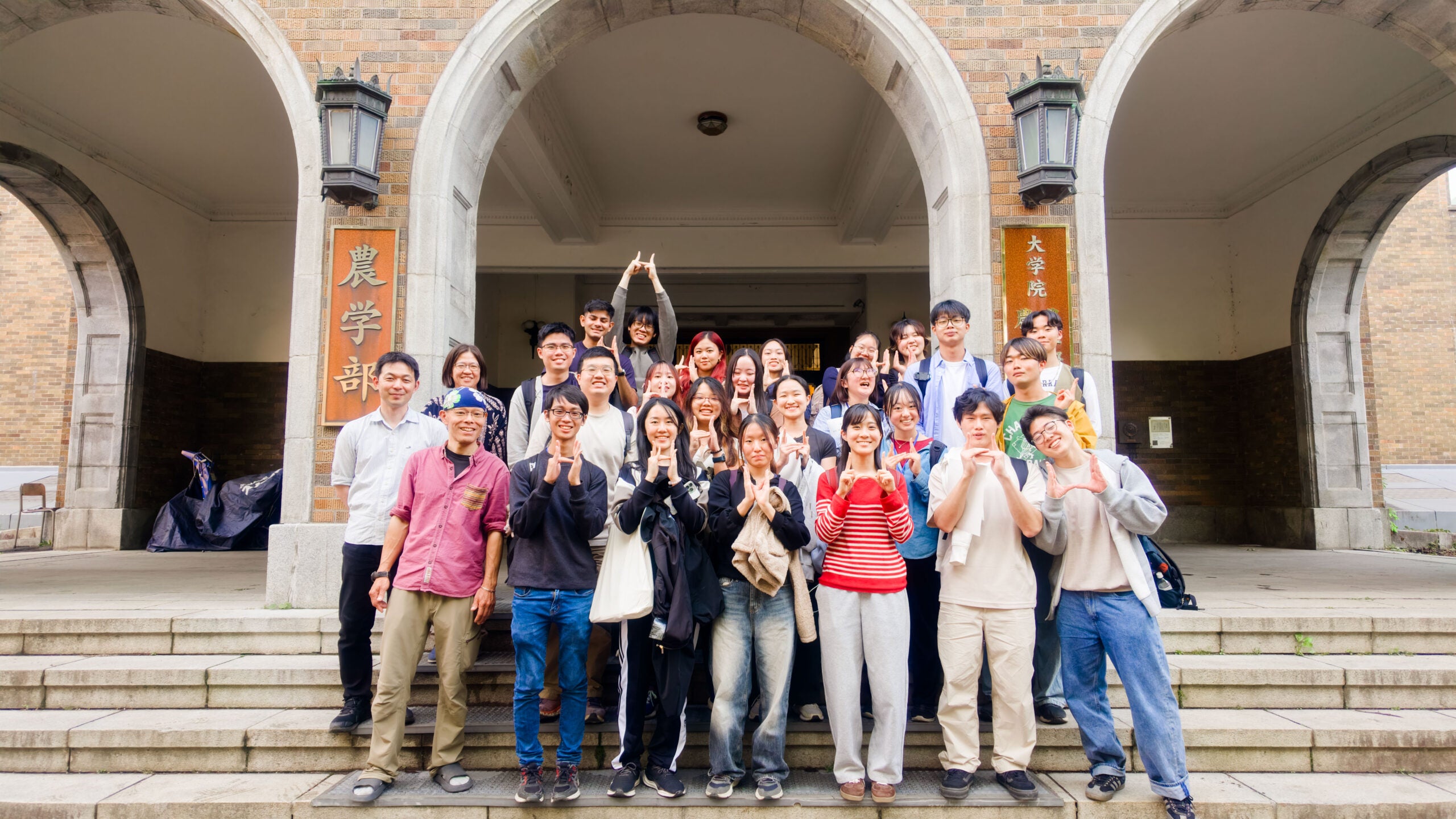
“Exploring Otaru beyond the formal itinerary was where we really bonded as a group,” Darren says. “It gave us the opportunity to experience the daily culture and charm of Hokkaido firsthand.”
For Ian, the programme also brought a shift in how he views himself. “I am rather reserved, but I feel more outgoing as a person after this programme,” he says.
For more information on this programme, visit https://www.science.nus.edu.sg/wp-content/uploads/2024/01/SP2201_Information-Sheet_Application-Instructions.pdf.