
Changing skin, changing lives
August 14, 2026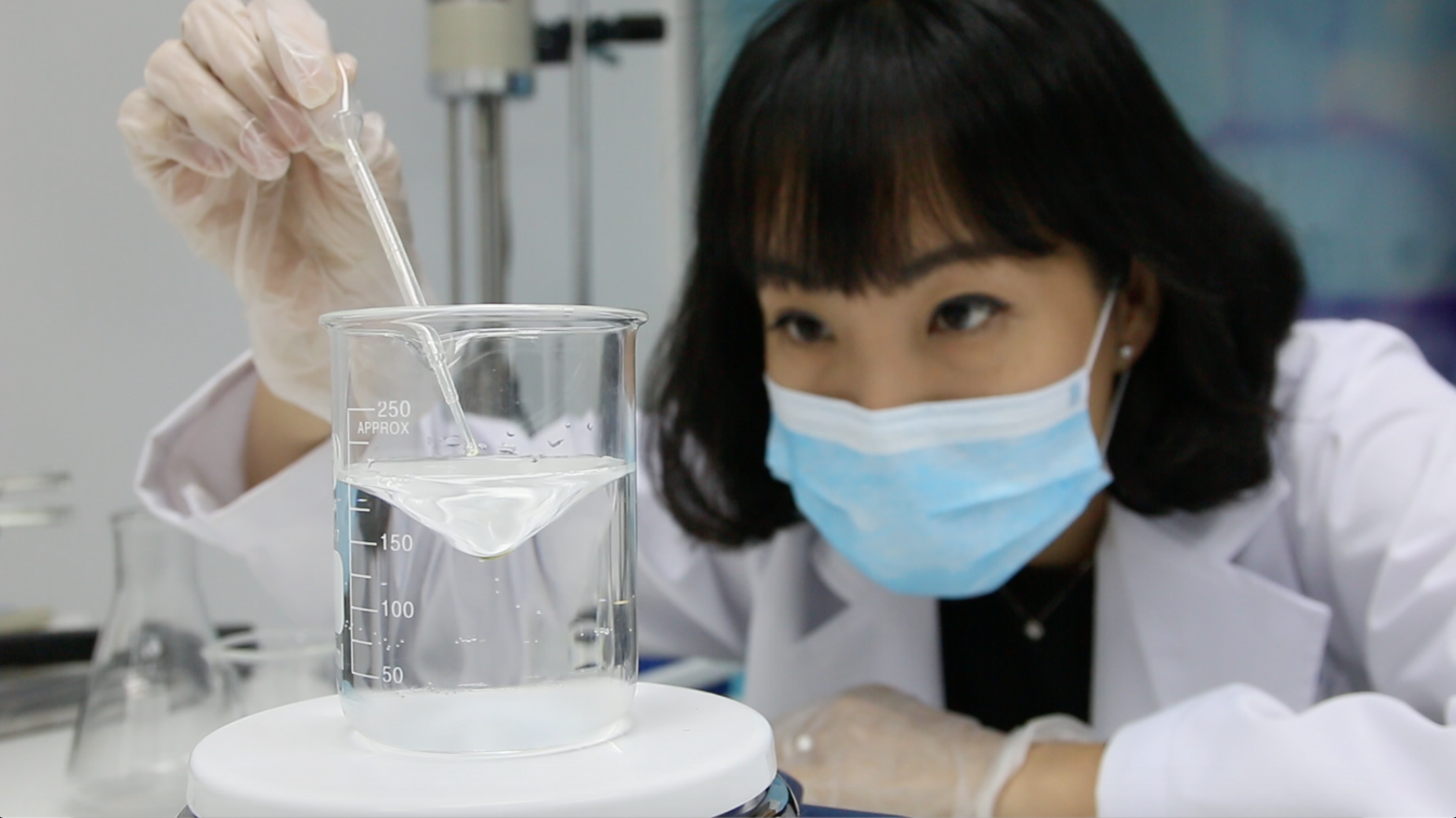
Fail, test, refine: The science behind Skinlycious
Everything in Skinlycious is made from the heart – and tested on skin that’s been through it all.
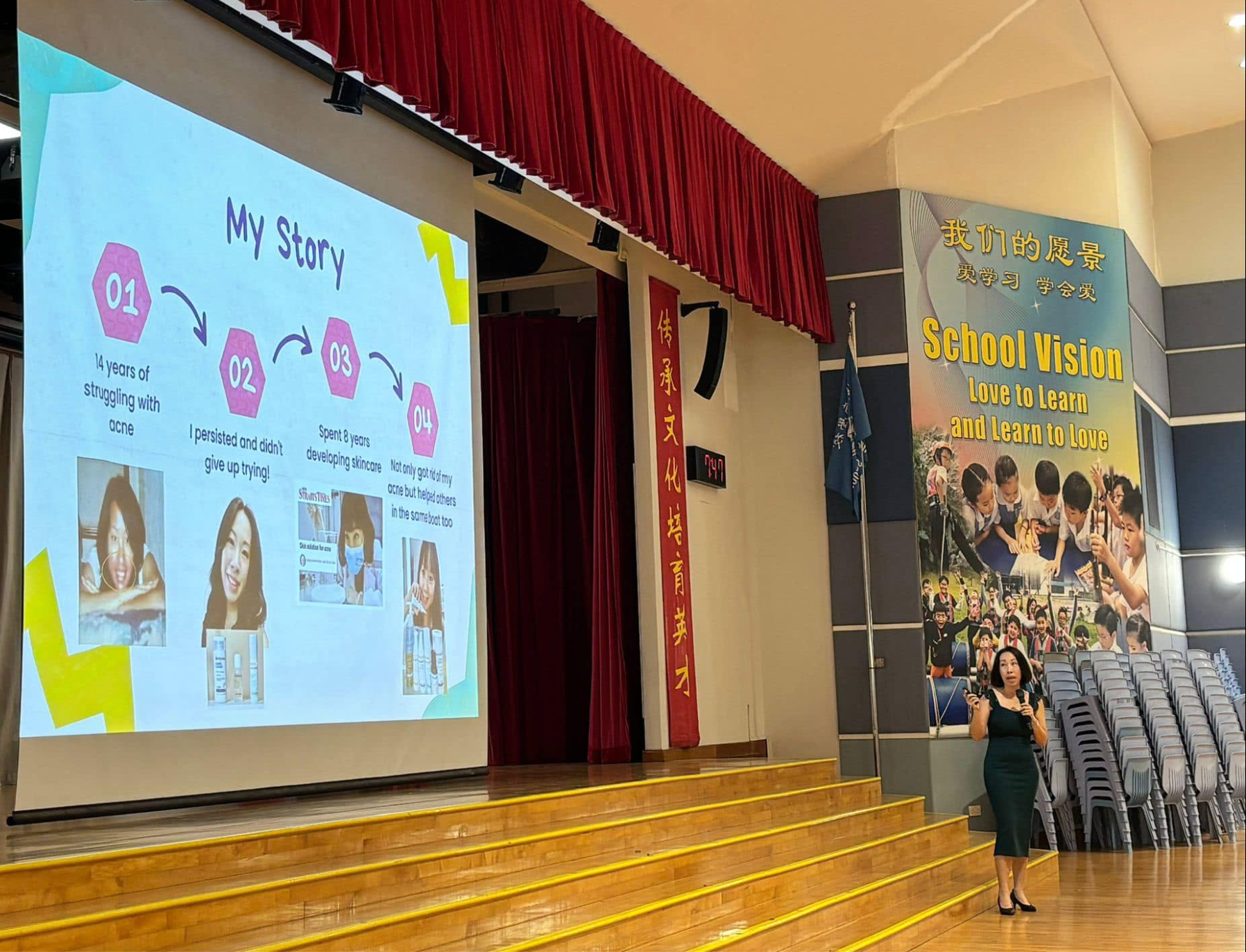
For years, acne dictated Jasmine Kang’s life.
She tried everything – drugstore products, expensive salon treatments, dermatologist prescriptions. Nothing offered lasting relief. What eventually cleared her skin wasn’t a miracle product, but a few carefully chosen formulations she trusted.
Then came another question: Could they be made better?
That question became the starting point for Skinlycious, a Singapore skincare brand built not on beauty trends, but on scientific curiosity, relentless experimentation and a founder determined to test every product on herself first.
Where skincare starts with self‑experiments
Long before she formulated serums, Jasmine was designing experiments.
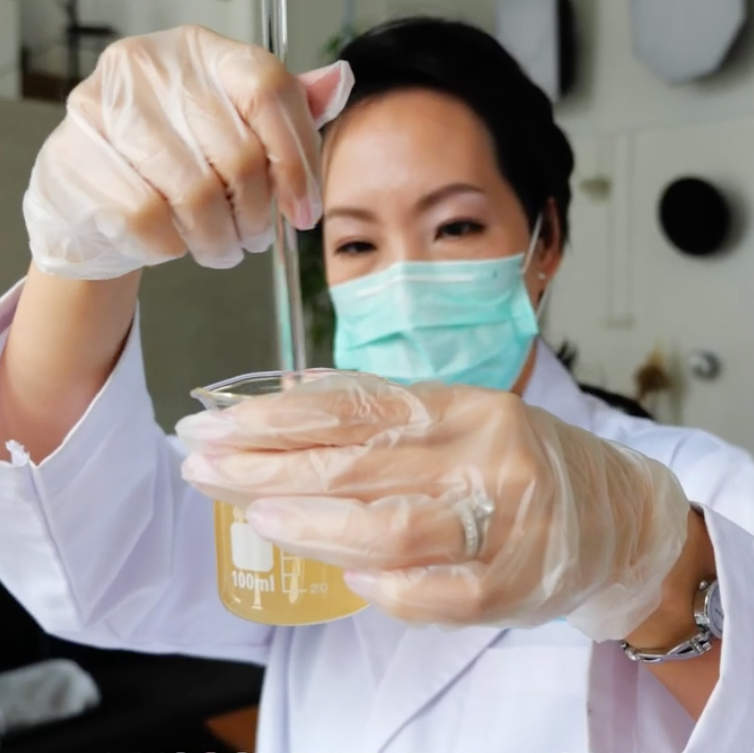
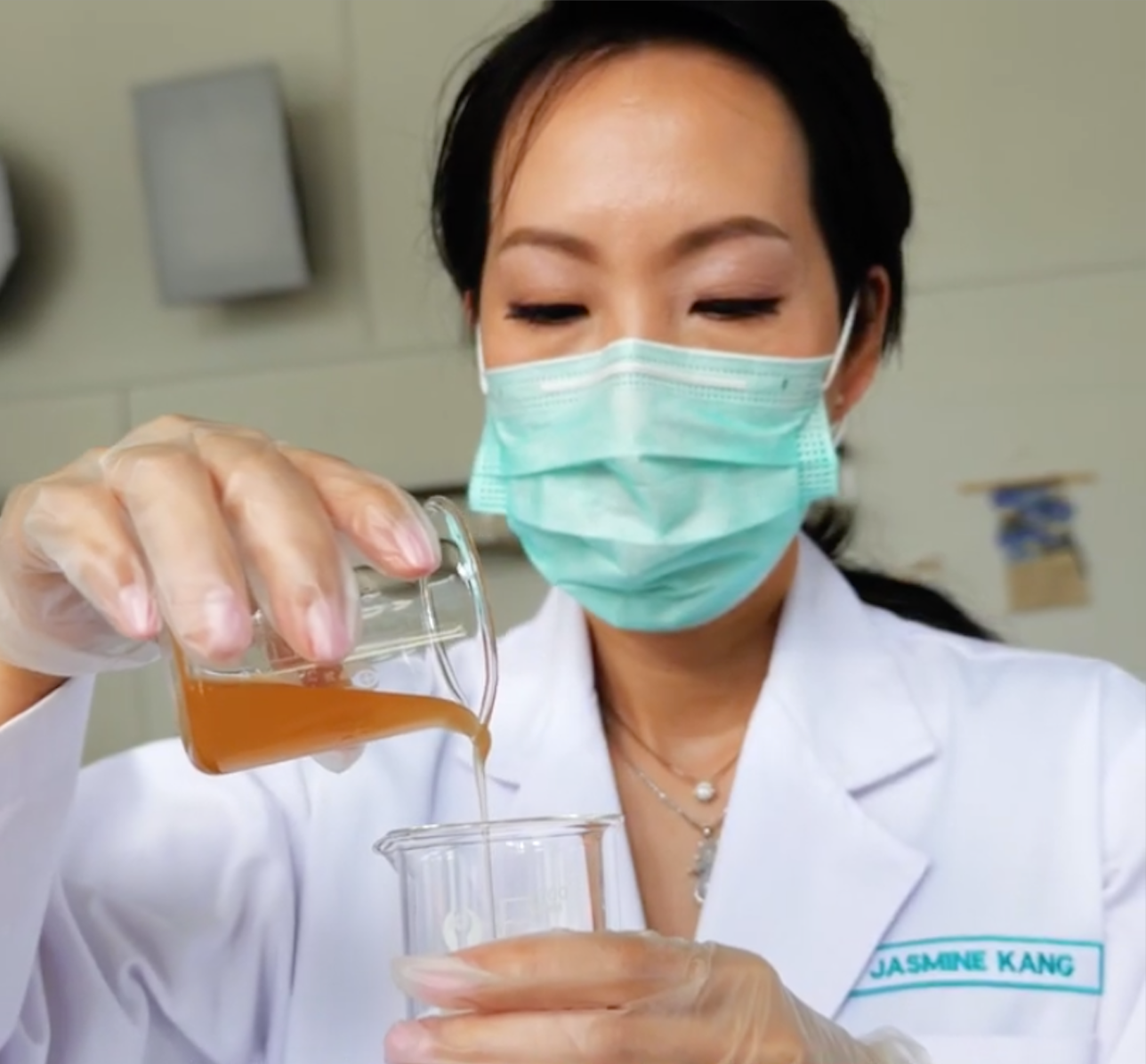
Studying Life Sciences taught her how to ask questions, isolate variables and test hypotheses – habits that continue to shape how every Skinlycious product is developed today, by coming up with her own experiments for product testing.
Instead of relying solely on supplier claims, she runs “half-face experiments”, applying different formulations to each side of her face and comparing results before moving on to customer trials.
“Science taught me how to think critically and design experiments,” she says. “Today, I still apply the same mindset when developing products.”
Built from necessity
Skinlycious didn’t start with market research. It started with personal need.
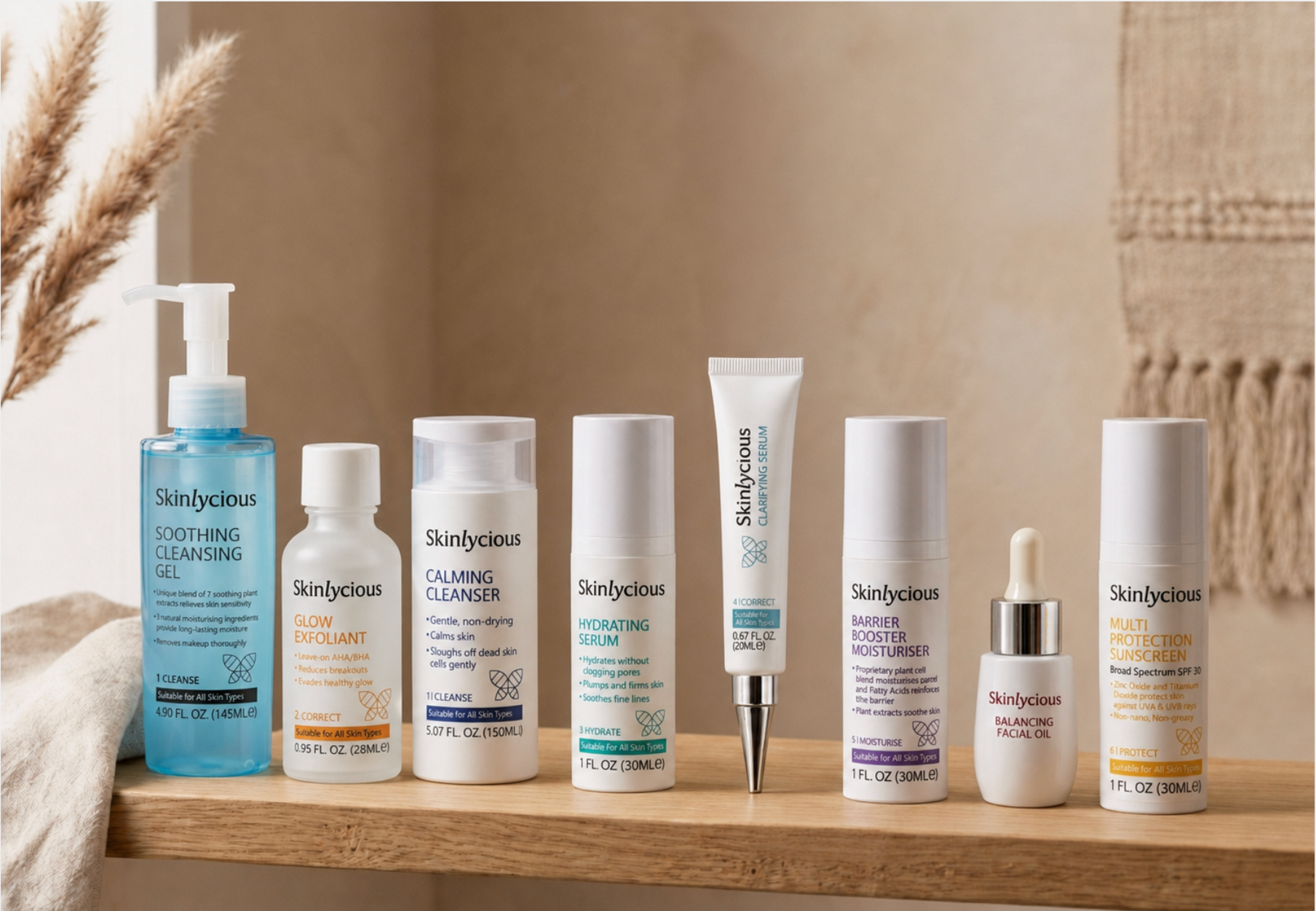
When Jasmine entered the skincare industry, she had just three products – the ones that had cleared her own acne. “There was really nothing in the market that I could use,” she says.
These products weren’t created because an ingredient was fashionable or a new category looked commercially attractive. They existed because she needed them.
That philosophy still guides Skinlycious today.
New products begin with a skin problem Jasmine wants to solve, often one she has experienced herself. Formulations are first stress‑tested on her own sensitive, acne‑prone skin to balance efficacy with tolerability. Once she is satisfied, customers are invited to join observational studies, documenting changes through questionnaires and photographs. The data from these trials determines if a formula launches – or if it needs another round of refinement.
Learning through failure
Building the business proved to be another experiment altogether.
After graduation, Jasmine followed a conventional career path in the pharmaceutical industry, where she learned to interpret clinical studies and communicate scientific evidence. When she later started her own venture, she realised that understanding biology and creating skincare products were two very different disciplines.
To bridge that gap, she pursued a diploma in organic skincare formulation, combining her scientific training with the specialised knowledge needed to turn ideas into effective products. Much of the next decade was spent refining formulations, deepening her understanding of cosmetic science, learning the realities of the skincare industry and building her business largely through trial and error.
Finding customers was one of the earliest hurdles. Then came an even bigger setback: after securing a lucrative overseas retail opportunity, she discovered that her formulations did not comply with European cosmetic regulations. It took another two years to reformulate her products.
Painful as it was, Jasmine now sees it as a defining moment in her journey as an entrepreneur.
“Fail fast, fail forward. Make informed decisions with data. If you fail, make sure you learn something from it.”
Over more than a decade, this belief has guided her through manufacturing challenges, reformulations and countless iterations, reinforcing a core lesson for both scientist and entrepreneur: every failure is simply another experiment from which to learn.
 |
 |
Science meets lived experience
Scientific training provided the first principles: interpret research, evaluate ingredient suppliers and determine evidence‑based concentrations. Just as importantly, Jasmine says, it sharpened her powers of observation.
Rather than chasing the latest ingredient trends, she studies clinical evidence, scrutinises dosages and chooses suppliers based on the strength of their research. “Most cosmetic ingredients are safe,” she says. “The dosage is what matters.”
Years of living with acne gave her something clinical studies could not: an understanding of what customers live with every day. After countless products left her skin dry and irritated, Jasmine arrived at a simple conclusion: treating acne isn’t just about fighting blemishes, but about restoring healthy, balanced skin.
Because her skin is very sensitive, she avoids glycolic acid, whose smaller molecular weight makes it more penetrative and more irritating. Instead, she uses mandelic acid, a higher molecular weight exfoliant that is gentler and better suited for sensitive skin. “I understand all of this because of my scientific background,” she says.
Working closely with customers, she noticed that not every breakout responds to traditional acne treatments. Some people improved when they stopped stripping their skin and switched to vitamin‑based routines that focus on calming inflammation and repairing the skin barrier.
Jasmine’s personal method of testing has since evolved into Skinlycious’ signature “half‑face test,” an approach that helps customers identify the right treatment while generating insights for future product development. Customers apply different spot treatments to each side of the face, comparing results under identical conditions. Within five days, most can tell which formulation works better for their skin before committing to a full‑sized product.
Changing skin, changing lives
More than a decade after launching Skinlycious, Jasmine remains her own first test subject.
Each new formulation – such as a recent peptide serum for firming and lifting – goes through multiple iterations on her skin before she is willing to release it. She continues to read clinical literature, evaluate emerging ingredients and refine products based on customer feedback before every launch.
Yet for all the experiments, iterations and scientific rigour, Jasmine measures success less by sales than by impact.
Entrepreneurship gives her flexibility that allows her to be present for school drop‑offs and everyday moments with her children. “I’m a mum first and an entrepreneur second,” she says.
Each day, she looks forward not only to developing the next formulation, but also to reading customers’ messages, seeing before-and-after photographs and hearing how healthier skin has restored confidence and changed lives.
That mission is now shaping Skinlycious’ next chapter. Jasmine is increasingly turning to Artificial Intelligence to improve customer support and make personalised skincare guidance more accessible.
But even as technologies change, her purpose does not.
For Jasmine, the goal has never been simply to clear acne. Science helped her solve her own skin struggles and she hopes Skinlycious can now help others prevent theirs.
“It’s about education…helping people, from kids to adults, build the right age-appropriate routine, so that we can prevent acne in the first place.”