

New opportunities to protect forests
August 27, 2026
 |
 |
Hiding in plain sight
Conservation does not always begin where the forest is untouched. Sometimes, it begins at places that are widely overlooked.
That is the idea at the heart of new research led by Annabel Lim, a PhD student in Biological Sciences at the NUS Centre for Nature-based Climate Solutions. She looked beyond the familiar conservation playbook of expanding protected areas to consider natural forests that remain within existing plantations and logging concessions – sites that easily fall through the cracks of conventional conservation efforts.
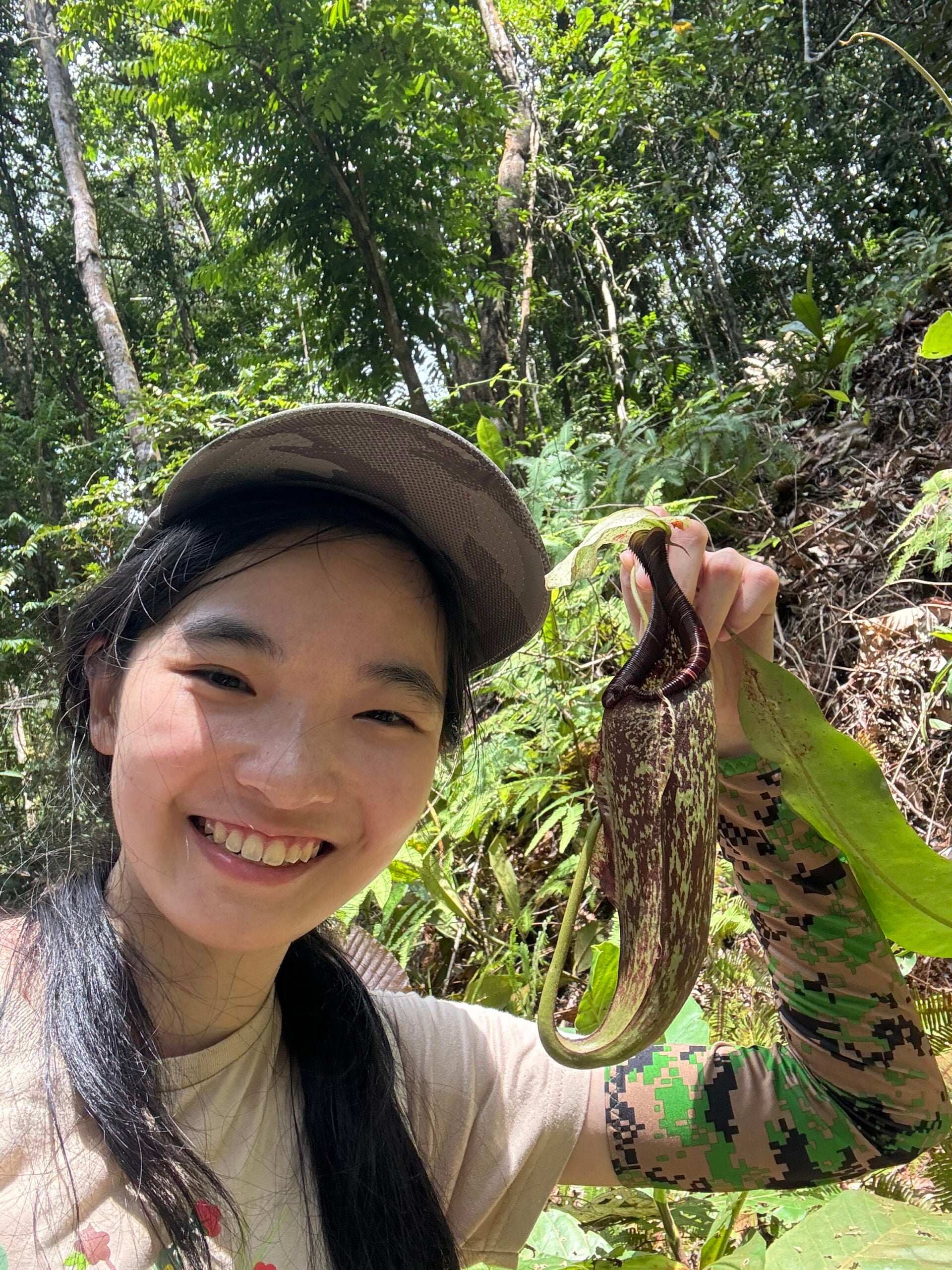
For Annabel, the pull of forests began long before this study. Much of her childhood was spent in Singapore’s parks and nature reserves, playing among trees and streams and delighting in the antics of their wildlife. “It was hard not to fall in love with nature,” she says.
As she grew older, she realised how privileged she had been to have those formative experiences – and how quickly the tropical forests from her childhood were disappearing. One memory, in particular, brought the loss into sharp focus. As a pre-teen visiting Mount Kinabalu, she stumbled upon numerous inflorescences of a wild orchid along a trail in Kinabalu Park. Less than a decade later, returning in the same season and at the same elevation, she could not find a trace of it- and the air felt noticeably warmer.
The experience left her with a stark insight: because of telecoupled pressures like climate change, even protected forests may not be insulated from what happens beyond their boundaries. Commercial deforestation may be banned inside Kinabalu Park, but the effects of forest loss do not stop where the chainsaws do.
“There was no question for me after that: I decided that if I could help to conserve forests, I would”, she says.
Looking again, differently
That sense of urgency stayed with her, but it was through her research that she began to look more critically at the thinking behind conventional conservation approaches.
In particular, Annabel and her team set out to challenge a long-held assumption: that natural forests still standing inside agricultural and logging concessions are “inevitable casualties” – too degraded or simply destined for clearance as land earmarked for economic use.
“Prior to this study, I shared these assumptions too.” But science, she argues, must be willing to question its own assumptions.
That mindset prompted the team to reframe the question: how much forest remains within these concessions and could protecting forests written off as losses make financial sense?
42 million hectares
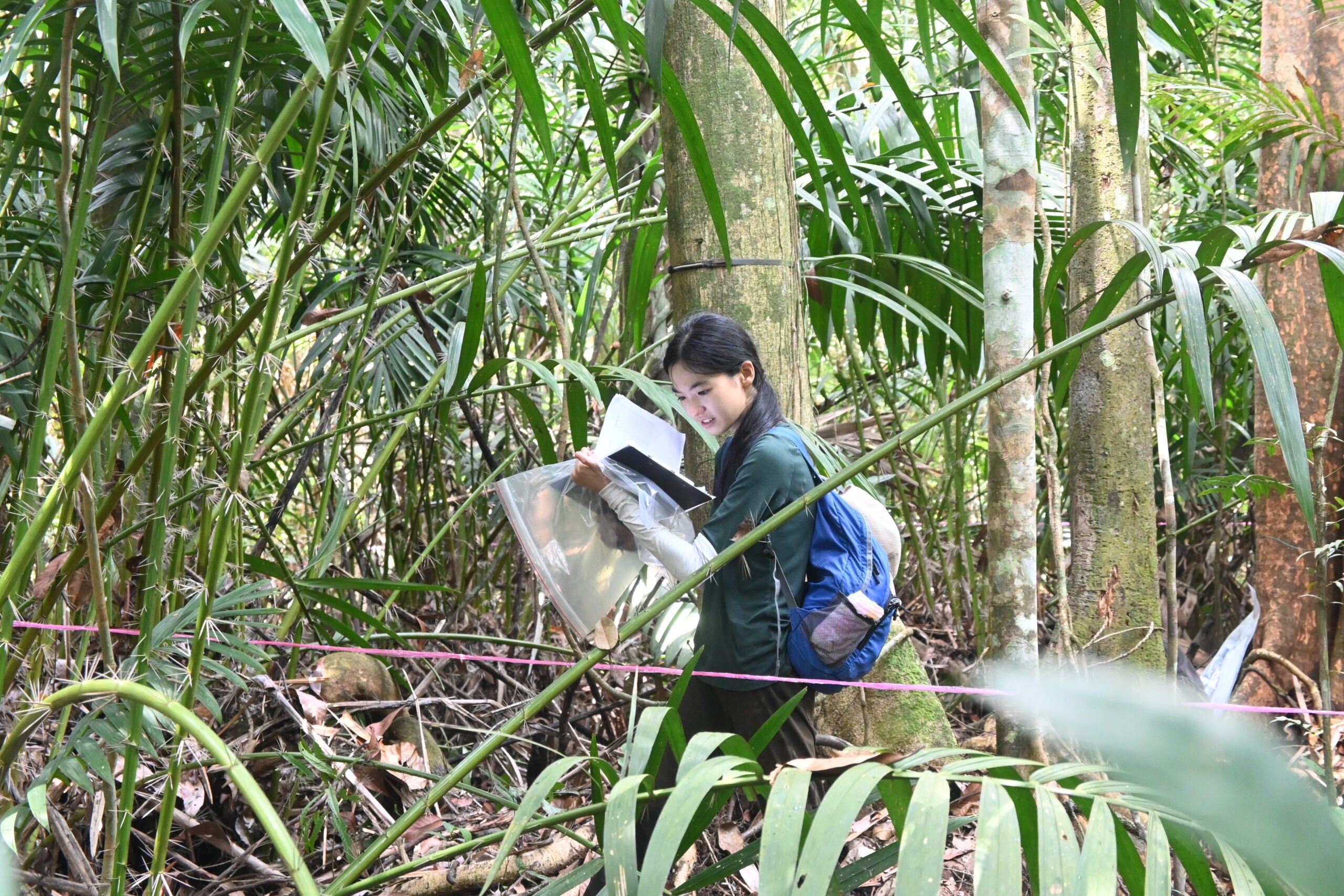
Answering this question required more than counting trees. The research brought together spatial analysis, ecology and economic modelling. It also demanded an exhausting amount of iteration: revisiting datasets and methodological decisions, troubleshooting code and refining break-even price models.
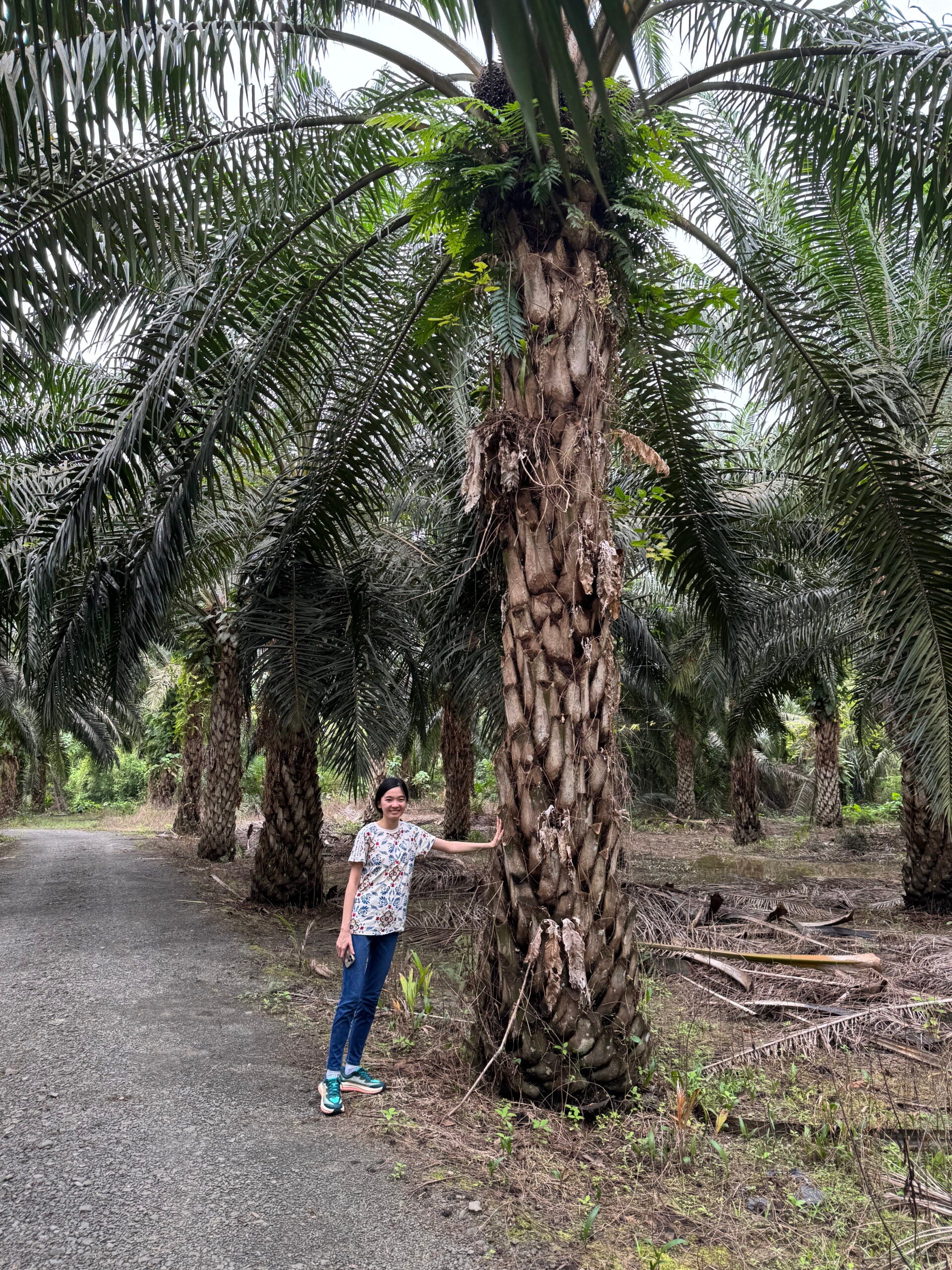
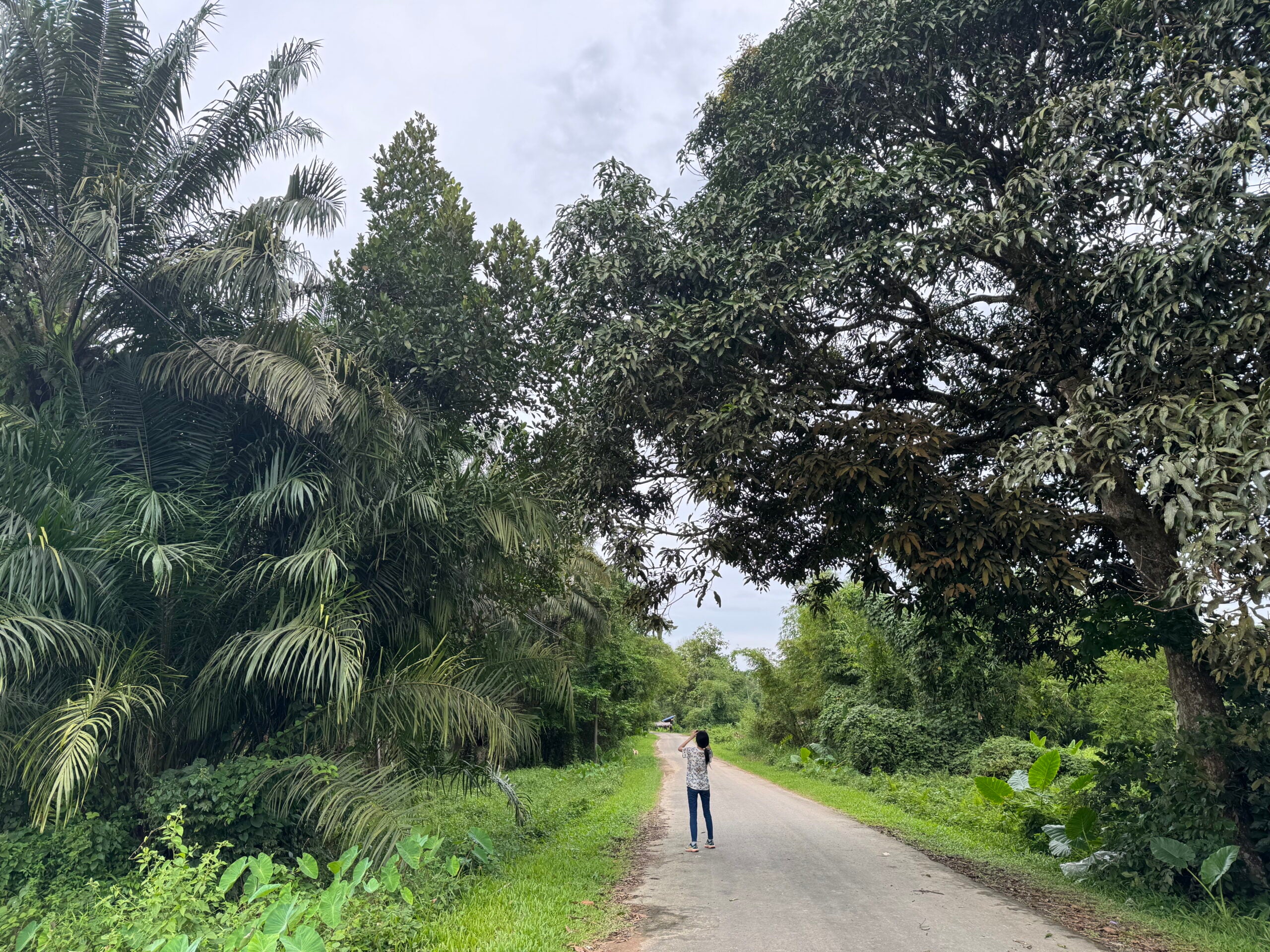
The effort yielded a striking result: of the 62 million hectares of concession land examined, 42 million hectares – an area larger than Malaysia – still contained natural forest.
For Annabel, the scale of that finding was both surprising and a source of hope. “I was stunned,” she says. “Despite rampant deforestation, that is 42 million hectares of forest that are still sequestering carbon, supporting wildlife and providing ecological services on which people depend.”
A different lens on conservation
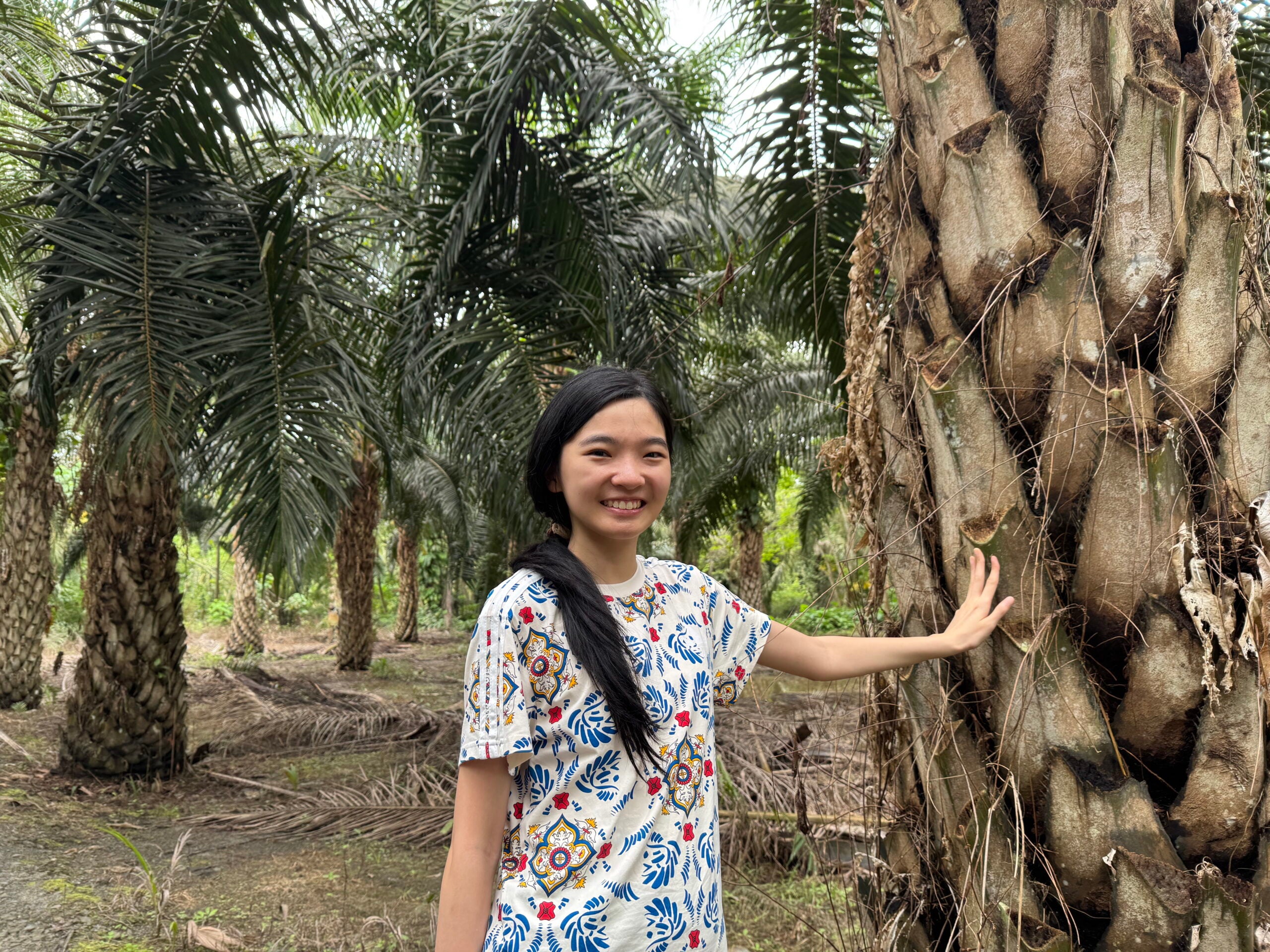
That discovery has reshaped Annabel’s perspective of conservation in more ways than one. Conservation has often focused on preventing further loss and expanding new protected areas, she says. Instead, the study points towards a vast middle ground: protecting vulnerable nature that already exists in landscapes not traditionally set aside for conservation.
Her work also reinforced a broader lesson: conservation is as much about people as it is about protecting ecosystems.
“If we hope to achieve effective conservation, we must understand the interests of, and engage with, the groups and institutions who rely on and regulate these lands,” she says – whether concession owners, Indigenous peoples and local communities, corporations or governments.
That insight has increasingly drawn her to questions that lie at the intersection of conservation and humanity: What makes conservation economically and socially viable? Who bears the costs, and who benefits? How can conservation efforts work with, rather than against, the communities whose livelihoods and decisions shape forests?
“These are the kind of questions that can translate science into meaningful policy and practice,” she says.
Finding new ways forward
One of her biggest takeaways from the project is that effective conservation requires looking beyond a single solution.
Protecting forests will require ecological knowledge, but also workable economic incentives, effective governance and cooperation across sectors. One part of that equation is financing.
Annabel is particularly interested in how different forms of green finance might work together to support forest protection. Carbon markets are one piece of the puzzle, but biodiversity credits, green bonds, ecosystem-service payments and blended finance could potentially be stacked to unlock resources that no single mechanism could provide alone.
For Annabel, the 42 million hectares of forest still standing give those questions immediacy. They are more than a statistic; they represent forests that are still within the realm of what might be protected. That hope keeps her asking questions across the many dimensions of conservation, from ecology and economics to governance and climate.
“Knowing that our work contributes to safeguarding forests makes the long process worthwhile,” she says.
Find out more here:
Carbon markets alone won’t keep Southeast Asia’s forests standing, study says | Mongabay