
Sustainability, the Danish way
August 18, 2026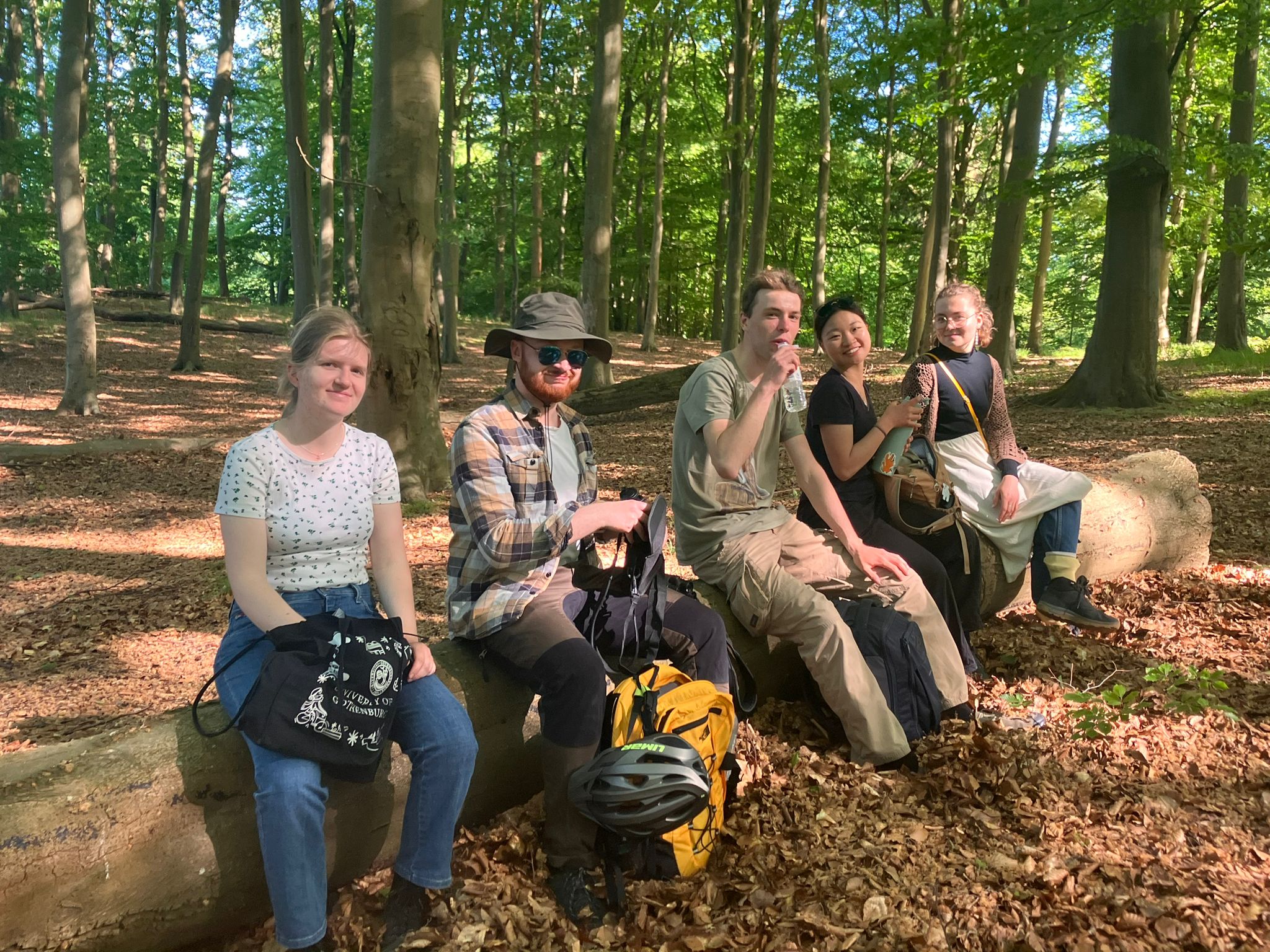
Sustainability, lived daily
In Copenhagen, environmental stewardship is woven into daily life, not confined to policy debates or sustainability campaigns. From cycling through the city’s streets to sorting household waste and making thoughtful choices about consumption and resource use, sustainability is part of how communities live, interact and thrive.
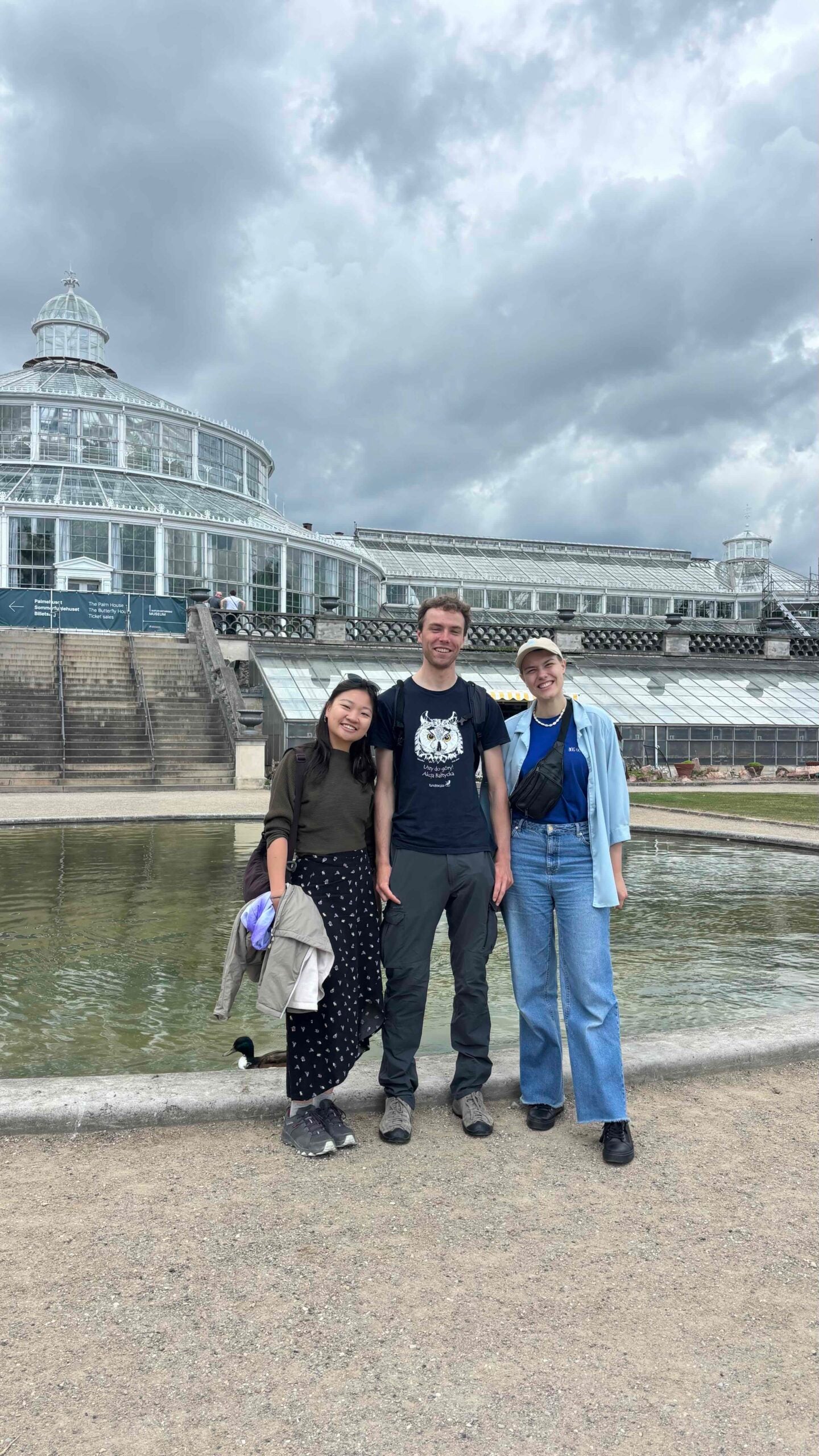
For Myra Khoo, who majors in Life Sciences and minors in Aquatic Ecology, experiencing this firsthand during her exchange at the University of Copenhagen reshaped her understanding of sustainability – not only as an environmental responsibility, but as a way of building healthier, more closely knit communities.
Even before her exchange, Myra understood that environmental challenges are often complex and interconnected, requiring perspectives that reach beyond any single field, drawing on insights from biology and ecology to technology, policy and the social sciences.
Her time in Copenhagen deepened that conviction. “Taking courses taught across different departments gave me a deeper appreciation of how various disciplines advance environmental conservation through distinct but equally necessary priorities,” she says.
Beyond the classroom, the city itself offered a vivid example of what sustainability can look like in practice. “Copenhagen has a strongly climate-conscious culture,” she says. “Yet, there remains a clear collective desire to continue improving, to create healthier and more fulfilling ways of living.”
A community beyond campus
Outside academics, Myra immersed herself in the university’s vibrant student life. A favourite destination was Studenterhuset, or “The Student House,” a student-run space offering activities ranging from knitting sessions and trivia nights to educational seminars, deejay events and swing dancing.
She returned often, not only to learn new dance styles but also to explore fresh ideas through student-led seminars on “intriguingly interdisciplinary” topics such as ecological economics. Discovering new hobbies and experiences – including swing dancing, cooking and hosting friends for dinner or dessert – showed her “how much joy can emerge when one leaves room in the plan for the unexpected,” she says.
Her connection to the local community grew further through the Catholic Association for Young Adults in Copenhagen (CAYAC), where she joined monthly potlucks, countryside hikes and weekly volunteering at a local soup kitchen.
“Through these activities, I formed meaningful relationships beyond the university and became more connected to the local community,” she says. “They played an important role in making Copenhagen feel like a second home with a family who will welcome me back when I visit in the future.”
 |
 |
A journey that continues
Myra had arrived in Copenhagen hoping to broaden her academic and cultural horizons, but returned with a transformed perspective of how openness, curiosity and connection can shape the way we understand the world.
The experience also prompted her to consider how similar sustainable practices could be adapted in Singapore. More broadly, it strengthened her view that intentional choices around consumption, community and daily living can contribute to a more connected and fulfilling life.
“Living in Copenhagen introduced me to new ways of thinking about sustainable living, both literally and figuratively,” she says.
Beyond her exchange, Myra continues to draw on the confidence and perspective she gained from navigating life in an unfamiliar environment abroad.
“The experience strengthened my independence and self-belief,” she says. “It also deepened my gratitude for the kindness of those who extended a helping hand whenever I needed support.”