One programme, two countries, four degrees
July 20, 2026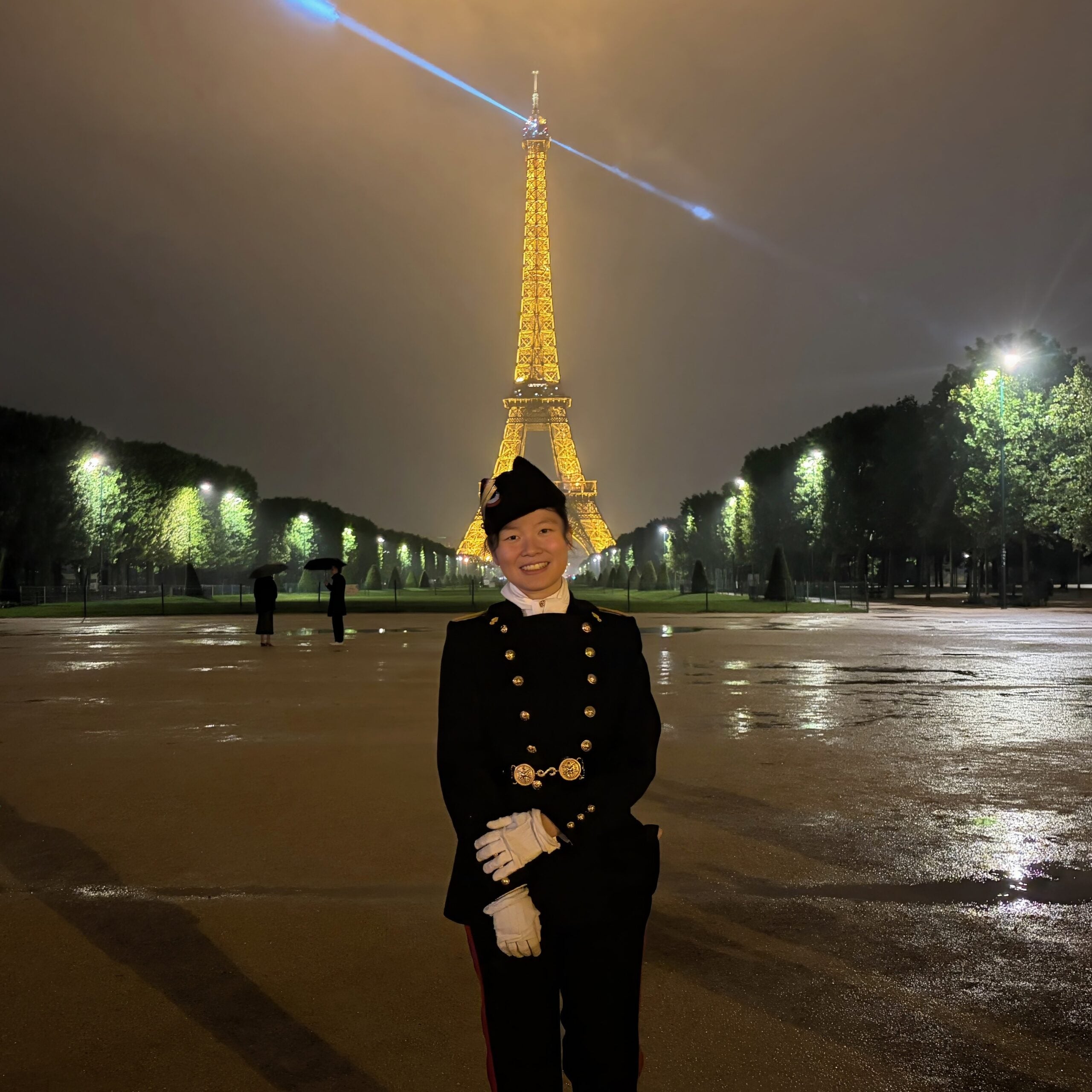
“The programme gave me more than another degree. It gave me another way of seeing the world.”
For Physics’ Lim See Min, the NUS-École Polytechnique French Double Degree Programme (FDDP) has always been about more than earning another degree. Now in her second year of the Cycle Ingénieur programme at École Polytechnique, specialising in Computer Science, she found that its lasting lessons come from lived experiences overseas – the unexpected challenges, friendships and profound cultural discoveries that make the journey unforgettable.
A dream that began before university
Even before stepping into the Faculty of Science, See Min had her sights set on the FDDP, drawn by the opportunity to study abroad and explore a different research environment.
The programme offers exactly that. Alongside Singapore’s strengths in quantum science, it opened doors to France’s internationally renowned scientific ecosystem, known for its rigorous and multidisciplinary training in mathematics, physics and computer science. Just as importantly, it offers a rare and unique opportunity to experience two distinct academic and professional cultures firsthand.
Learning science in another language
That cross-cultural immersion was most apparent in the classroom. Each lesson is an exercise in adapting, not only to a new language but also unfamiliar academic conventions and a different way of thinking. While the underlying science remains constant, its expression – terminology, notation and teaching approaches – does not.
“For example, in France the cross product is denoted with a wedge ∧ (and called a produit vectoriel) instead of a cross ×,” she says.
Beyond lectures, the FDDP places her within France’s vibrant quantum ecosystem. Through conferences, symposiums and industry events in Paris, See Min engaged with researchers, professors, start-ups and technology companies, gaining insight into how policy, research and industry intersect to advance quantum science.
At the same time, France has broadened her worldview in unexpected ways. As a centre of the Francophone world, it draws students from North Africa, the Middle East, and parts of Southeast Asia, many shaped by shared educational traditions such as classes préparatoires that trace back to French colonial curricula.
“What struck me was that even countries geographically close to Singapore, like Vietnam and Cambodia, feel more present in my daily life in France than they do back home,” she says.
École Polytechnique’s diverse international community – spanning Europe, Morocco, Lebanon, Mauritania, Brazil, Chile and beyond – challenged her assumptions about how the world is connected. Through this experience, she encountered networks that extend beyond the Anglo-centric and Asian spheres more familiar in Singapore.
“I came to realise that the world is organised by more than geography.” Shared histories, languages and education systems also shape where people study, the communities they become part of and the opportunities they encounter. This insight has broadened her worldview and strengthened her confidence in navigating an increasingly interconnected world, complete with cultural and historical complexities.
A world beyond familiar borders
Living overseas transformed more than her academic outlook. It reshaped her understanding of people and distance. With home a 14-hour flight away, she has gained a deeper appreciation of what many international students quietly experience on a daily basis.
“Living abroad teaches me things no classroom can,” she says. “It helped me better understand what it feels like being someone who doesn’t fit the typical profile and made me more empathetic towards challenges that often go unnoticed.”
That awareness began with the realities of settling into France. The excitement of arrival quickly gave way to complex administrative demands – visa procedures, health insurance, housing subsidies, and even obtaining a local phone number.
“While everything in Singapore is digitally connected, the French system often relies on individuals submitting certificates and attestations at every step,” she says. “It took time to get used to.”
Daily life comes with its own learning curve. Social interactions follow unspoken rules and cultural expectations: saying bonjour before every conversation, navigating familiar-looking English words with different meanings and picking up student slang such as parrain, respo cohez and pseudo-Anglicisms like afterwork.
“My French is evidently still not at an actual trilingual level,” she adds.
Over time, what once felt overwhelming has become manageable. She learnt to approach challenges incrementally, growing more adaptable and less perfectionistic. “There will always be something I can’t optimise but I can now accept that, as long as I’ve done my best.”
Military uniforms, Paris landmarks and unforgettable memories
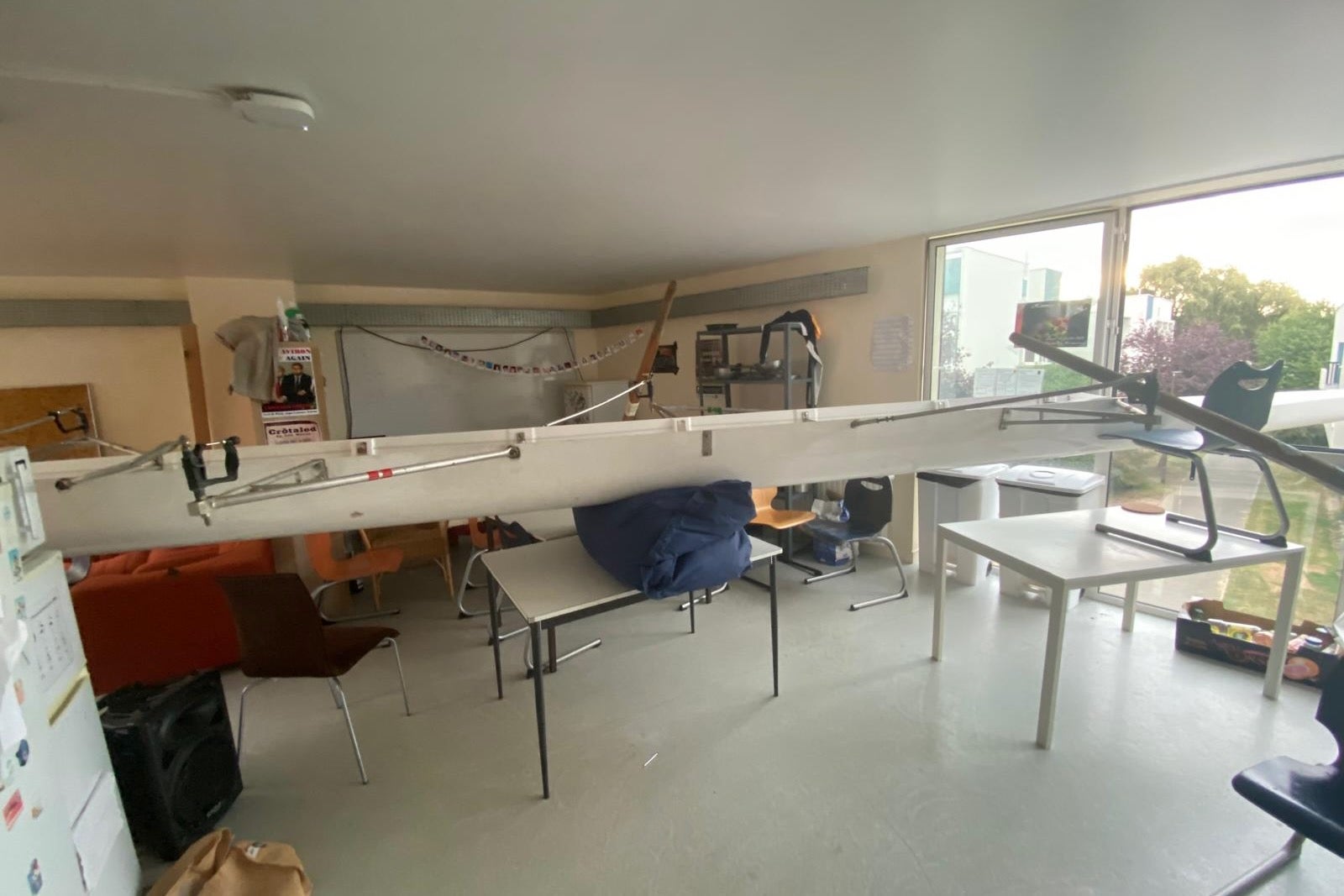
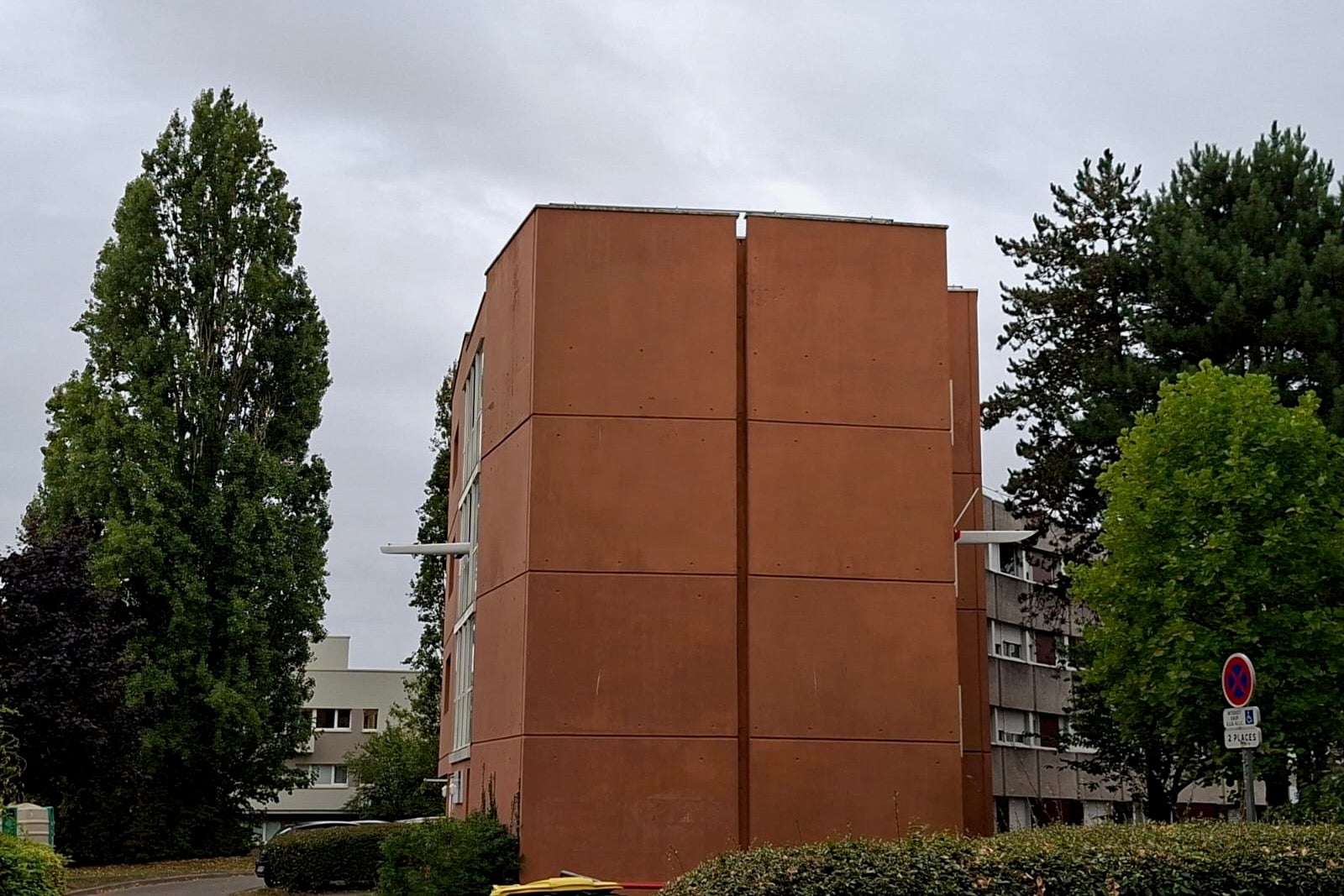
Outside the classroom, life at École Polytechnique unfolds through traditions unlike any she has known. For instance, each student belongs to a sports section led by a military chef de section, fostering strong bonds. As part of the rowing section, she has found a close-knit community – and memorable moments, including an April Fool’s prank where the swimming and rock-climbing sections had somehow manoeuvred an entire boat into their third storey kitchen through a window.
 |
 |
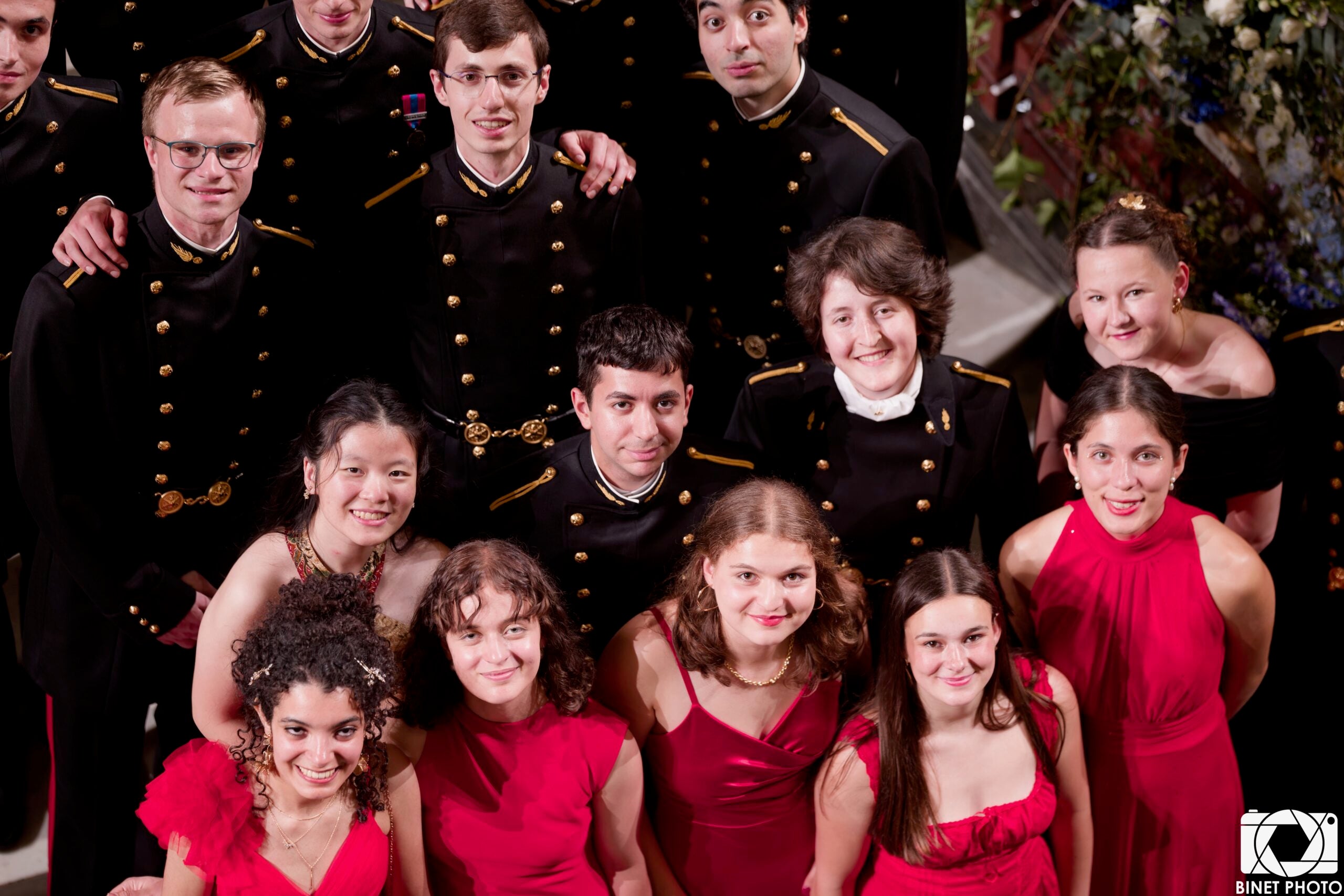
Among the most meaningful traditions: the Remise des Bicornes, a military ceremony marking the formal pairing between senior and junior students. During an elaborate ceremony at the Invalides, See Min was presented with her very own bicorne hat by her marraine. A military full dress evening in Paris followed thereafter, concluding this honourable tradition.
“This year, I had the chance to do the same for my own fillote,” she says.
Student life also extends beyond campus through weekend retreats to countryside châteaux and glamping sites, where friendships deepen over sports, board games, long walks and late-night conversations. One standout moment was the Bal de l’X at the magnificent Opéra Garnier, under the patronage of the President of France. As part of the school’s sound and lights society, she helped construct the concert stage, where she performed dressed in her traditional batik cheongsam before joining in the evening festivities. “We actually slept inside the Opéra Garnier!,” she says.
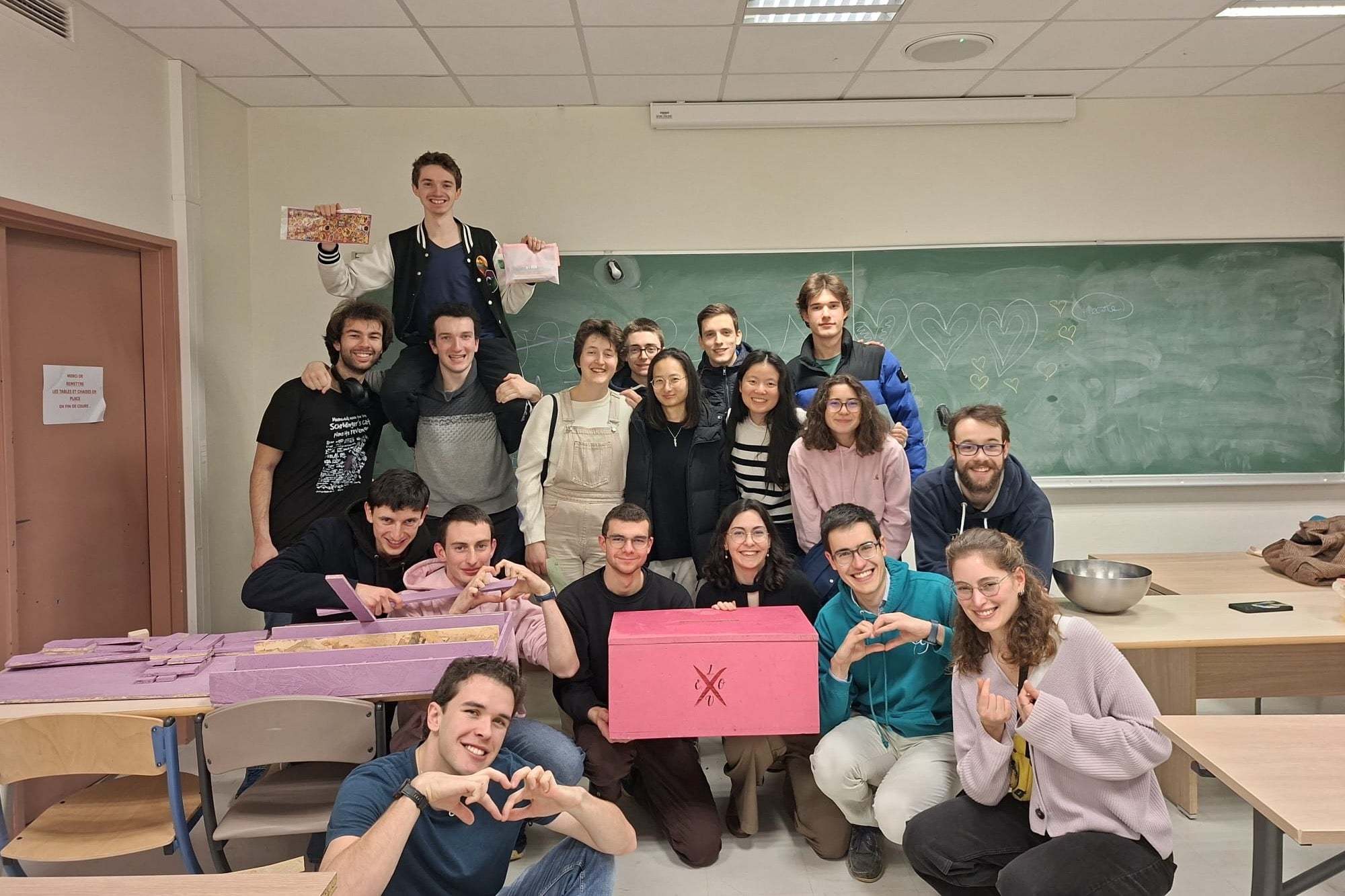
Student clubs also offer equally colourful experiences – from organising Binet Love, where students write thoughtful notes for their friends and peers, to discovering French cuisine at monthly Vin & Fromage evenings featuring carefully curated wines, cheeses and charcuterie.
Representing Singapore abroad
While France became a second home, she remains closely connected to Singapore. In Paris, she attended the French-Singaporean Quantum Symposium, gaining fresh perspectives on cross-border collaboration in quantum science, and later joining fellow Singaporeans at the Embassy’s 60th National Day Reception – welcome moments that brought a sense of home and familiarity.
See Min believes the FDDP has delivered far more than an international education. For her, the greatest takeaways are deeply personal. It is a journey of navigating two distinct worlds and in doing so, gaining a deeper understanding of both worlds and herself.
“Confidence through language barriers, empathy through distance from home, a renewed perspective through overcoming hurdles and friendships that span continents,” she says. “It is a one-in-a-lifetime experience.”.
More information at: https://www.science.nus.edu.sg/undergraduates/study-abroad-programmes/outgoing/fddp/