SNAS Student Awards 2026
October 07, 2026Our rising stars
Undergraduate research invites students to explore scientific questions, test ideas and make discoveries. The Singapore National Academy of Science (SNAS) Student Awards (2026) recognises outstanding student scientists at the national level – a mark of excellence that connects our student winners with Singapore’s wider scientific community.
Congratulations to our student winners!
Building tomorrow’s electronics, atom by atom
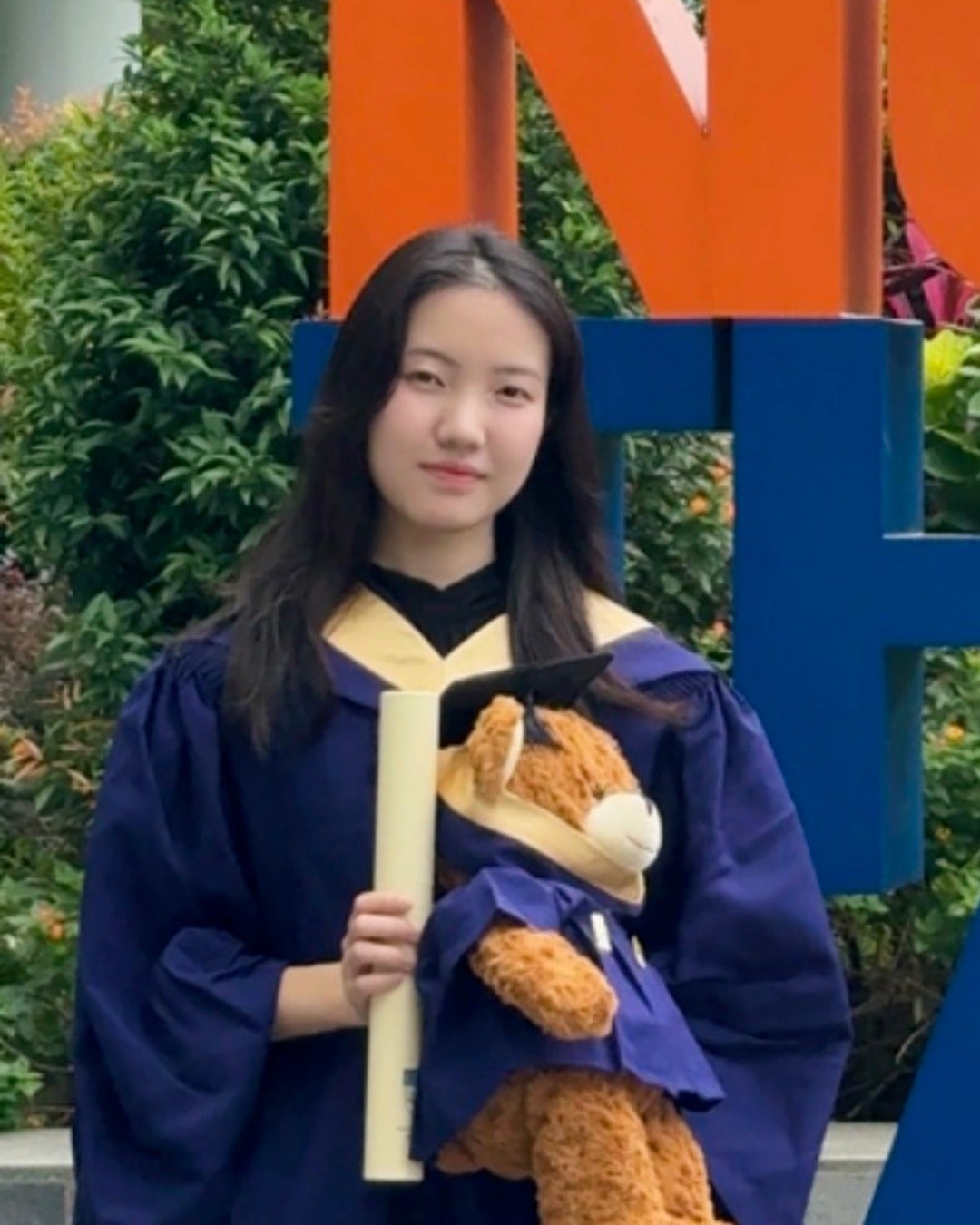
CHOI SEUNG EUN | DOUBLE MAJORS IN CHEMISTRY AND LIFE SCIENCES
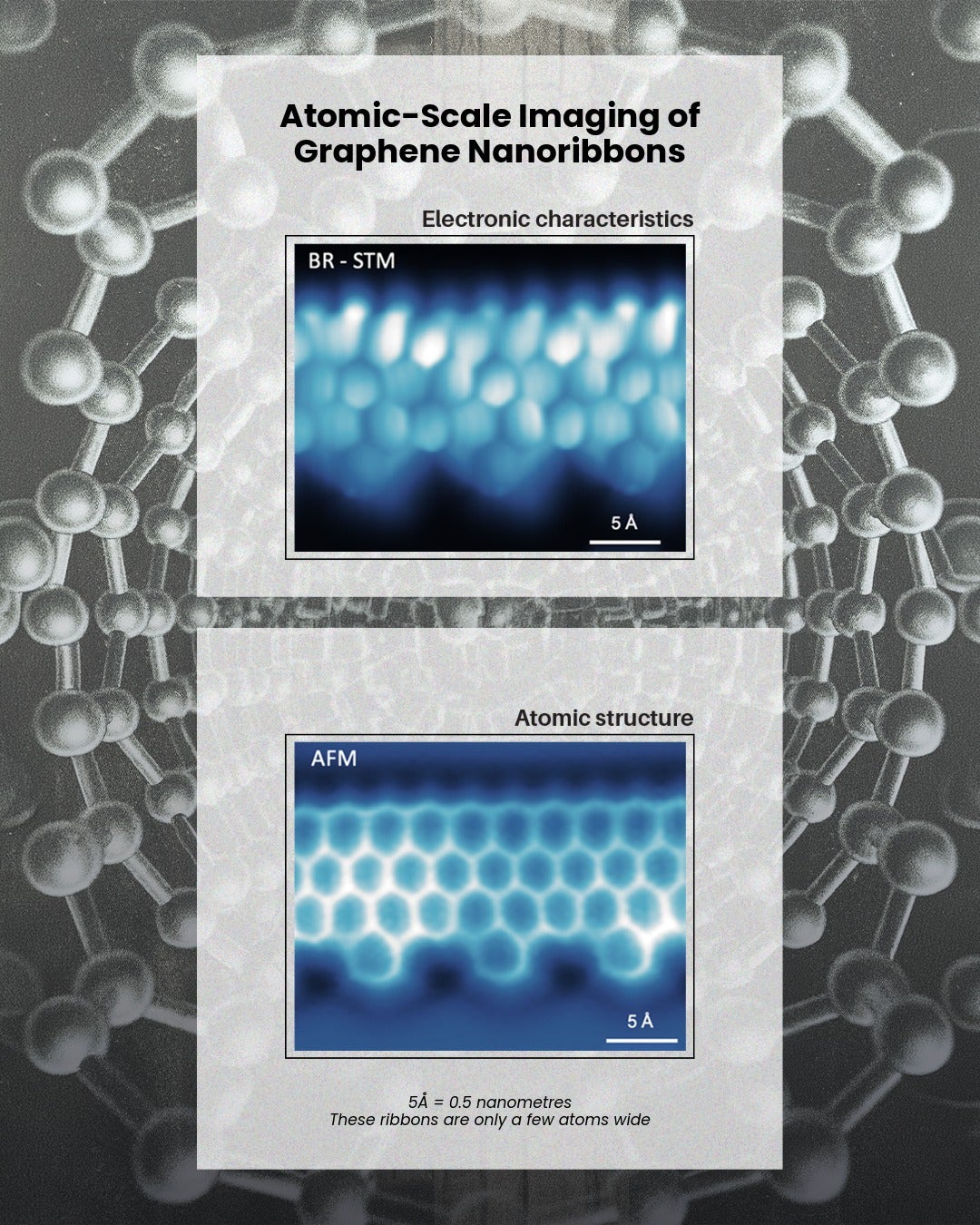
Next-generation electronics need ultrasmall, stable quantum materials, but ordinary graphene remains perpetually conductive. To address this, Choi Seung Eun studied graphene nanoribbons – atom-thin carbon strips – refining their molecular precursors to precisely tune width, edge structure and nitrogen doping. Using atomic‑scale imaging, she showed that adding nitrogen atoms along the edges adjusts the ribbons’ electronic properties while preserving their magnetic states. This could offer a practical route to tailor carbon‑based quantum materials for future devices.
 |
 |
Helping algorithms take smarter leaps
RYAN LIM | DOUBLE MAJORS IN STATISTICS AND MATHEMATICS, MINOR IN COMPUTER SCIENCE
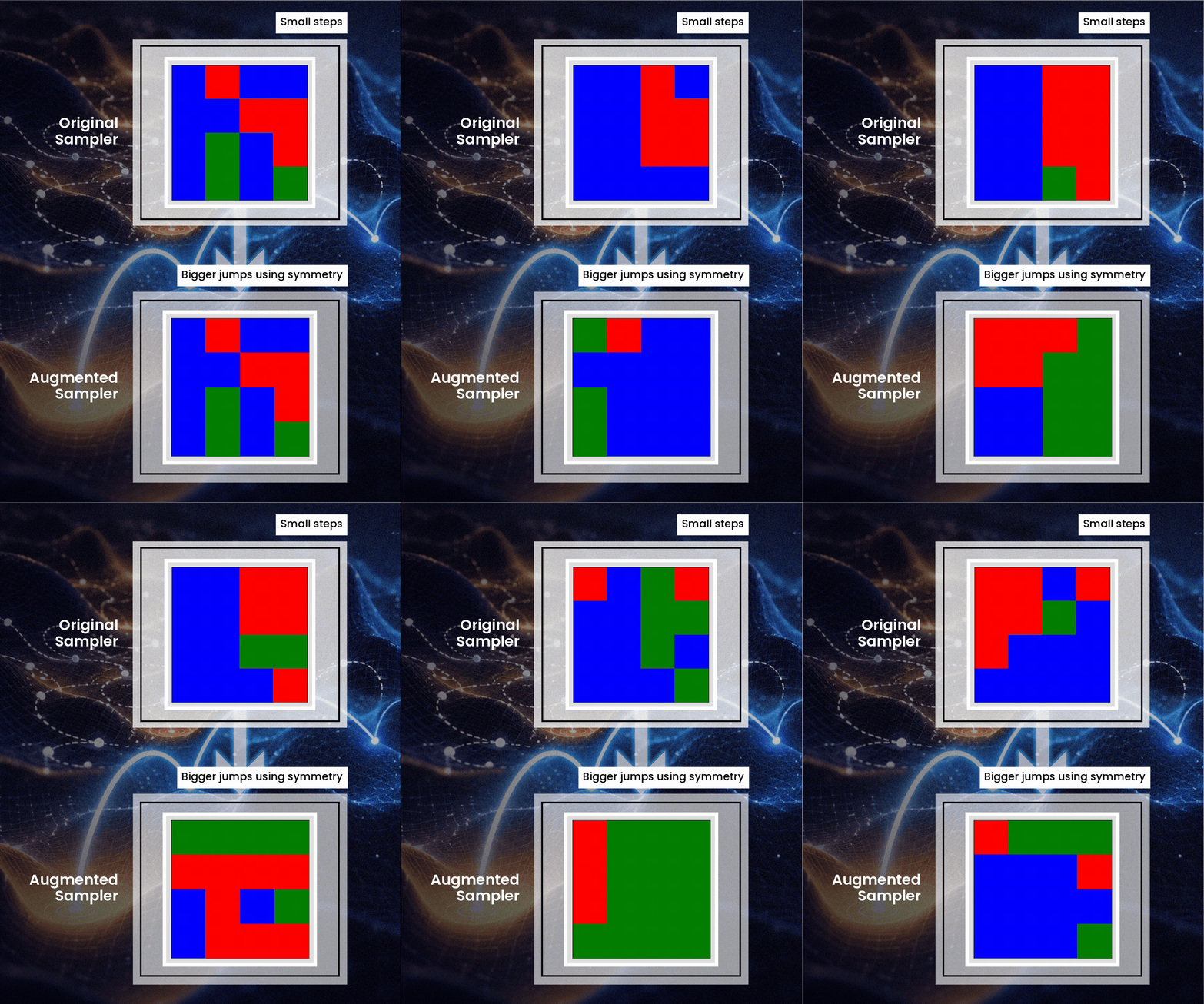
Computer algorithms sift through vast possibilities to uncover patterns, but many repeatedly revisit the same paths, slowing the search. Ryan Lim developed a way to help algorithms search more intelligently. Using mathematical symmetries, his approach allows them to make bigger, smarter jumps across the search space instead of moving in small, incremental steps. His work shows that these enhanced algorithms can build a more accurate picture of complex problems in less time, paving the way for more effective computational tools.
 |
 |
Putting quantum behaviour to the test
LABAYNA NICKY NEL NARIDO | MAJOR IN PHYSICS
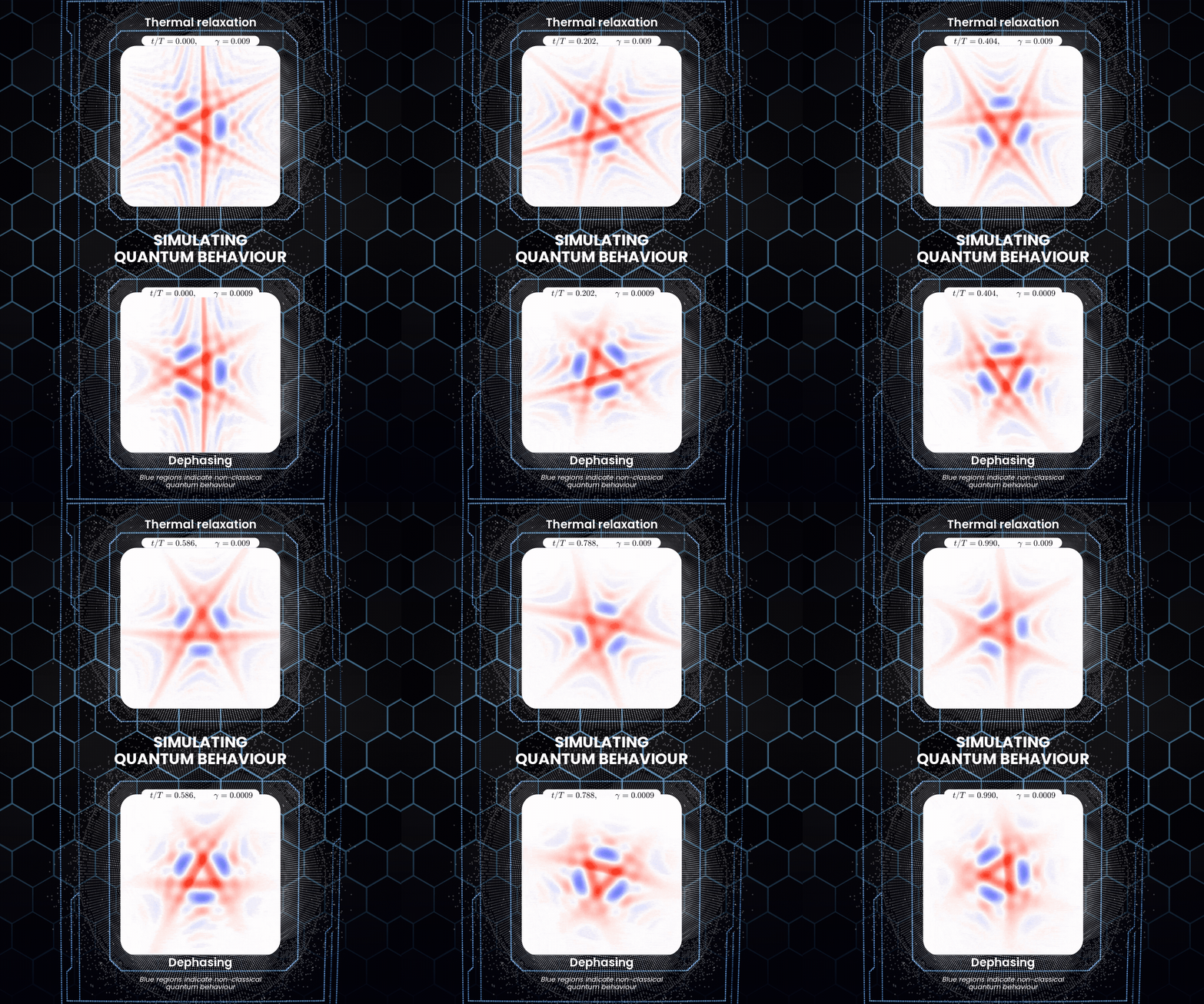
Quantum computers rely on qubits, but how can researchers verify that these tiny building blocks are behaving in a truly quantum way? Labayna Nicky Nel Narido studied and simulated a protocol that distinguishes quantum systems from classical ones by measuring an oscillating system, to test how robust it remains when energy is lost. Such experimental verification could help confirm the quantum nature of qubits used in quantum computing.
 |
 |
Could food tame the ‘Three Highs’?
AXEL YEOH | MAJOR IN PHARMACY
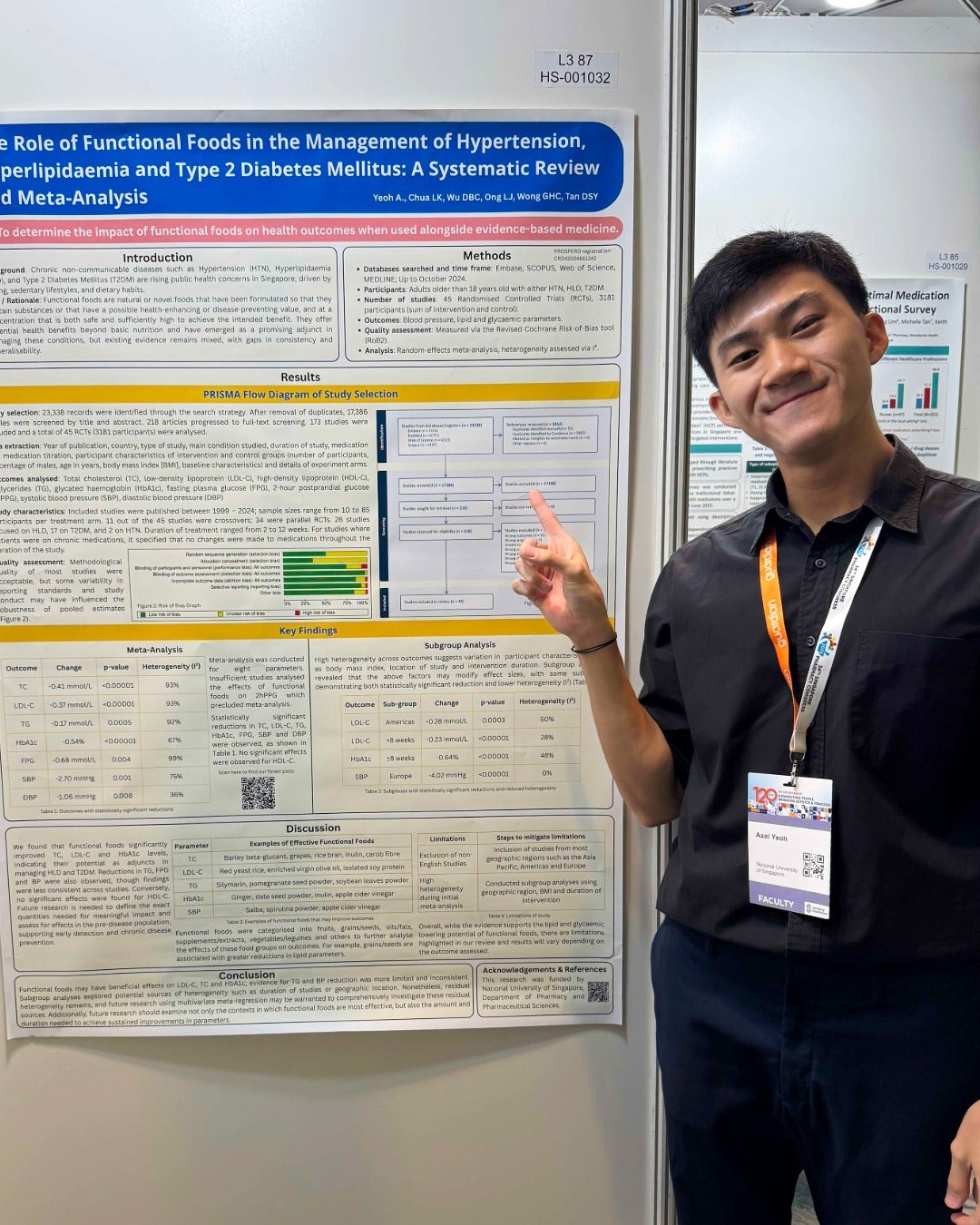
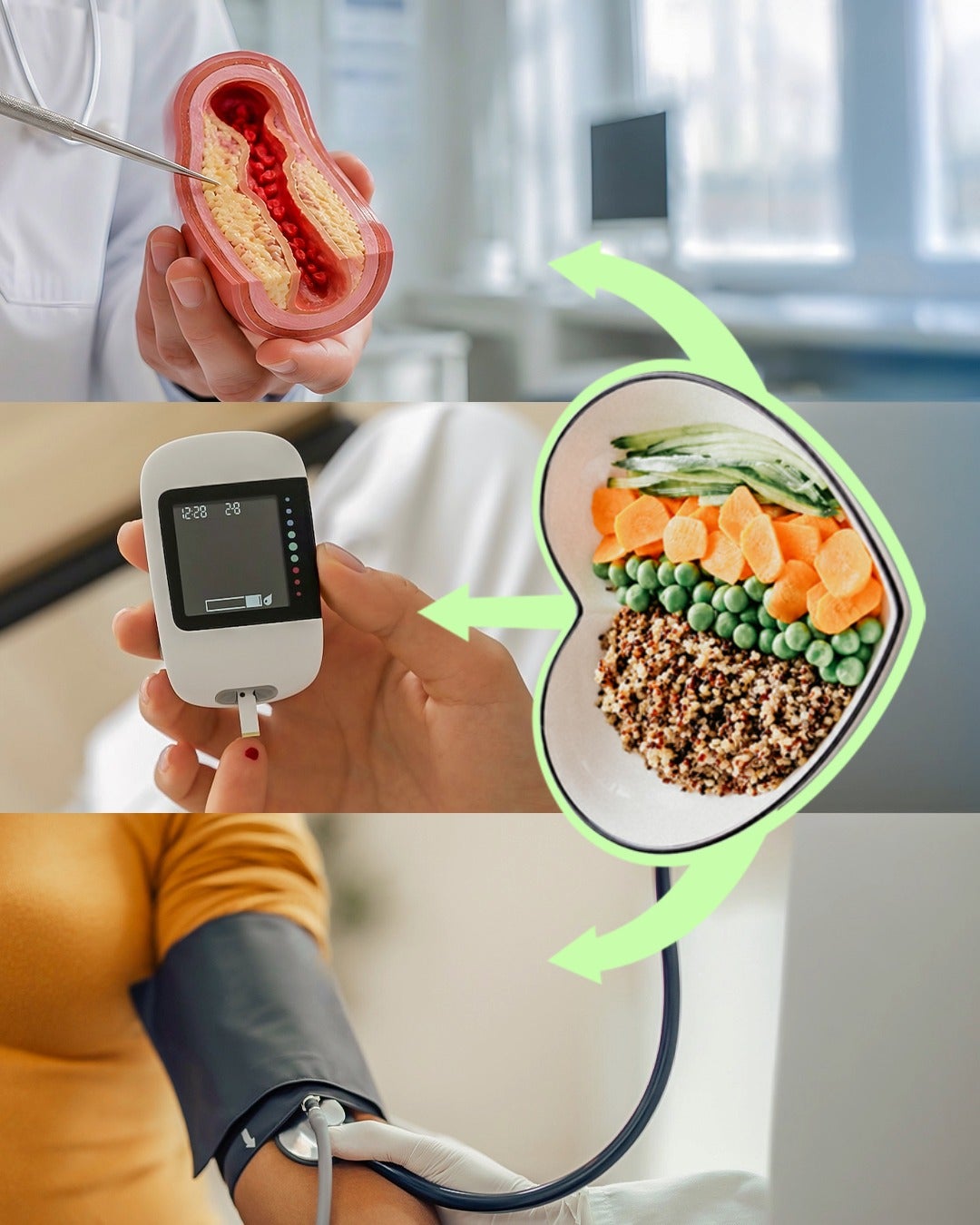
High blood pressure, high blood sugar and high cholesterol are commonly known in Singapore as the ‘Three Highs’. Could certain foods help manage them? Axel Yeoh reviewed clinical trials on functional foods, which offer potential health benefits beyond basic nutrition. By bringing together findings across studies, his work provides a clearer picture of their effects on the Three Highs. The findings could strengthen the evidence for these foods, contributing to better-informed decisions on nutrition and long-term health.
 |
 |
Finding what matters in complex data
VU MINH DUC | MAJOR IN DATA SCIENCE AND ANALYTICS
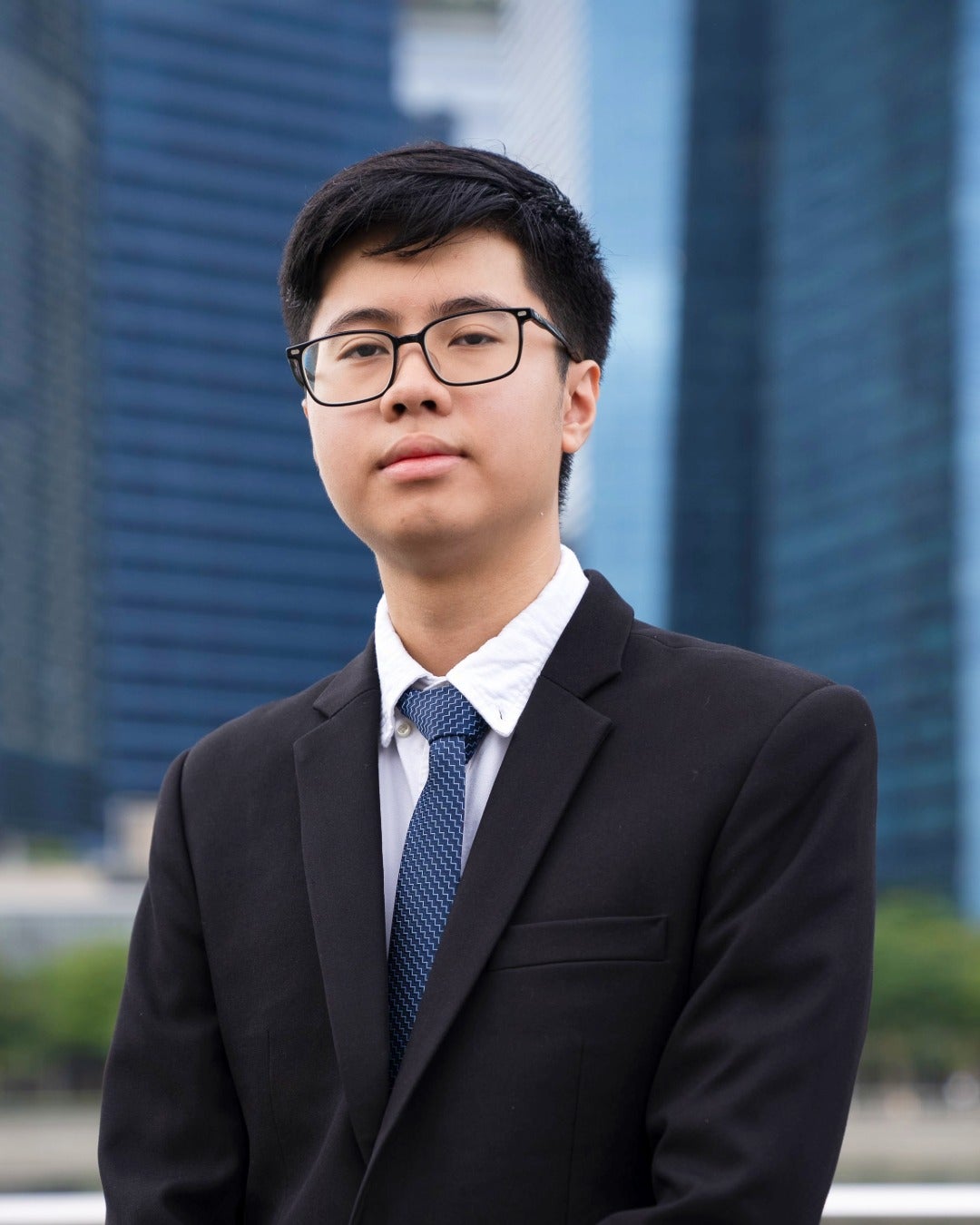
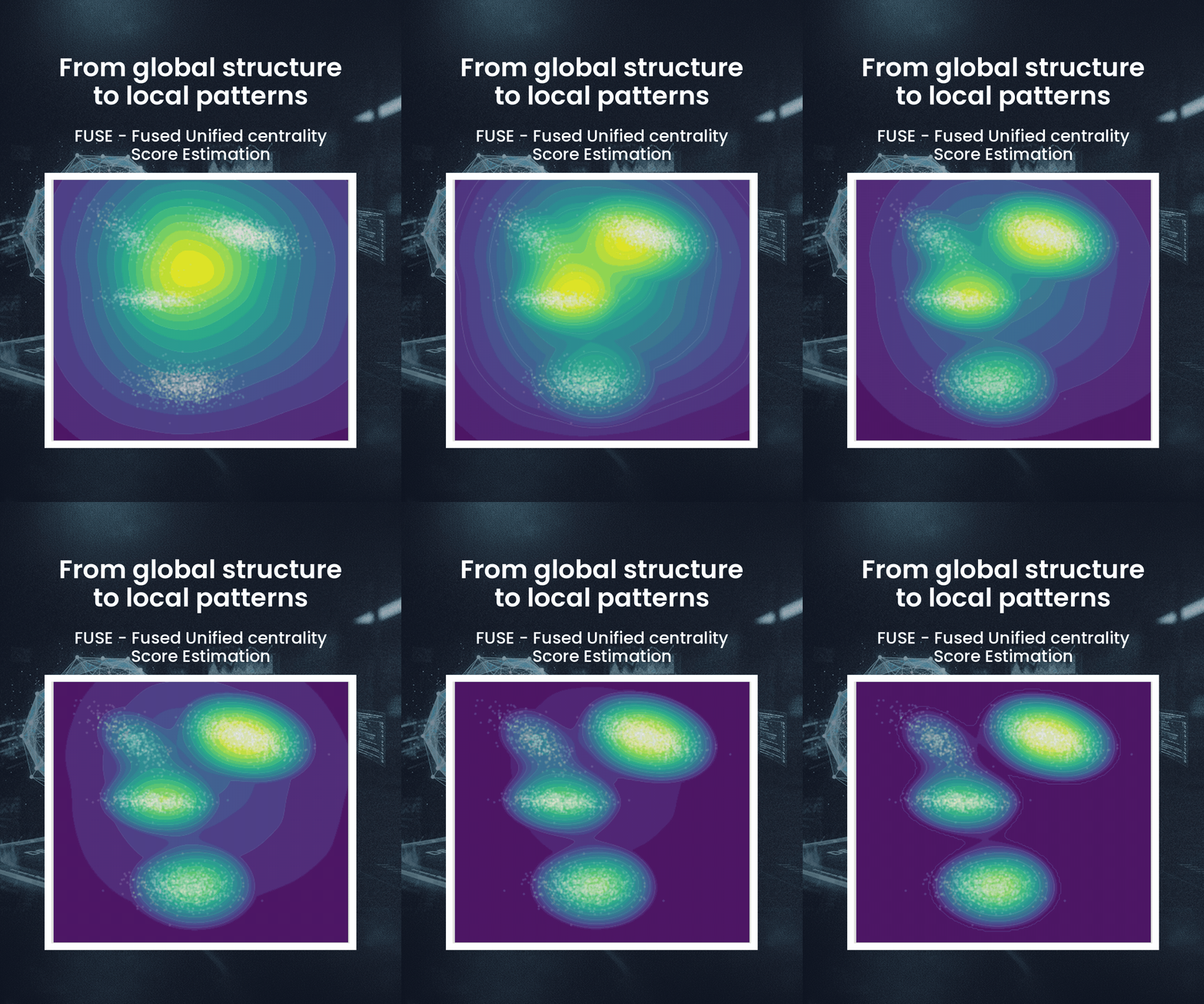
In a huge collection of data, how can researchers tell what is typical and what looks out of place? Vu Minh Duc helped develop FUSE, a new approach that examines both a dataset’s overall structure and smaller patterns within it. After testing FUSE on synthetic data, he found that it also worked across different types of real-world data, pointing to its wider potential. This could ultimately help detect fraud and anomalies and select more reliable data for training AI systems.
 |
 |