Lessons from the field
October 22, 2026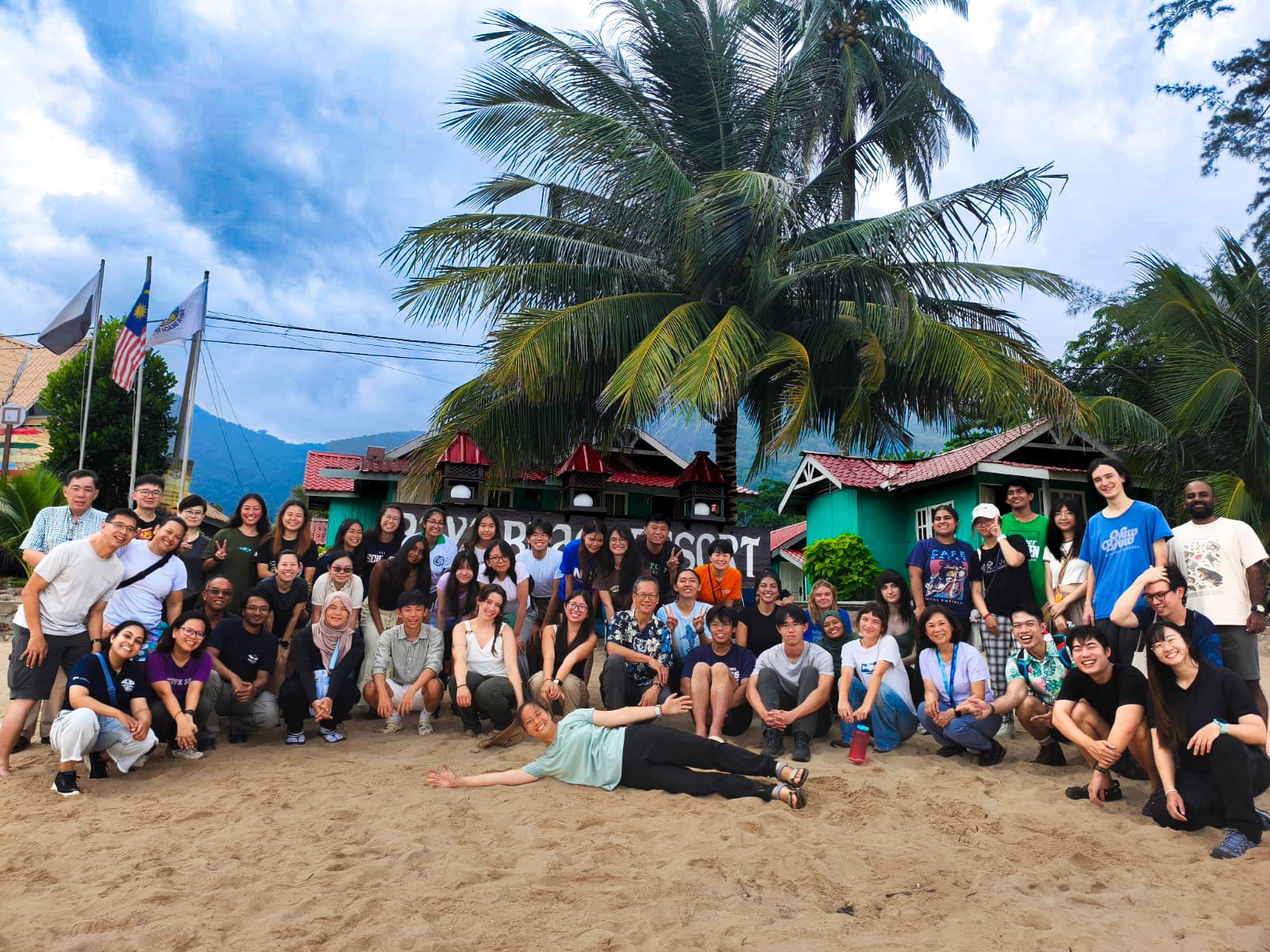
Lessons from the field
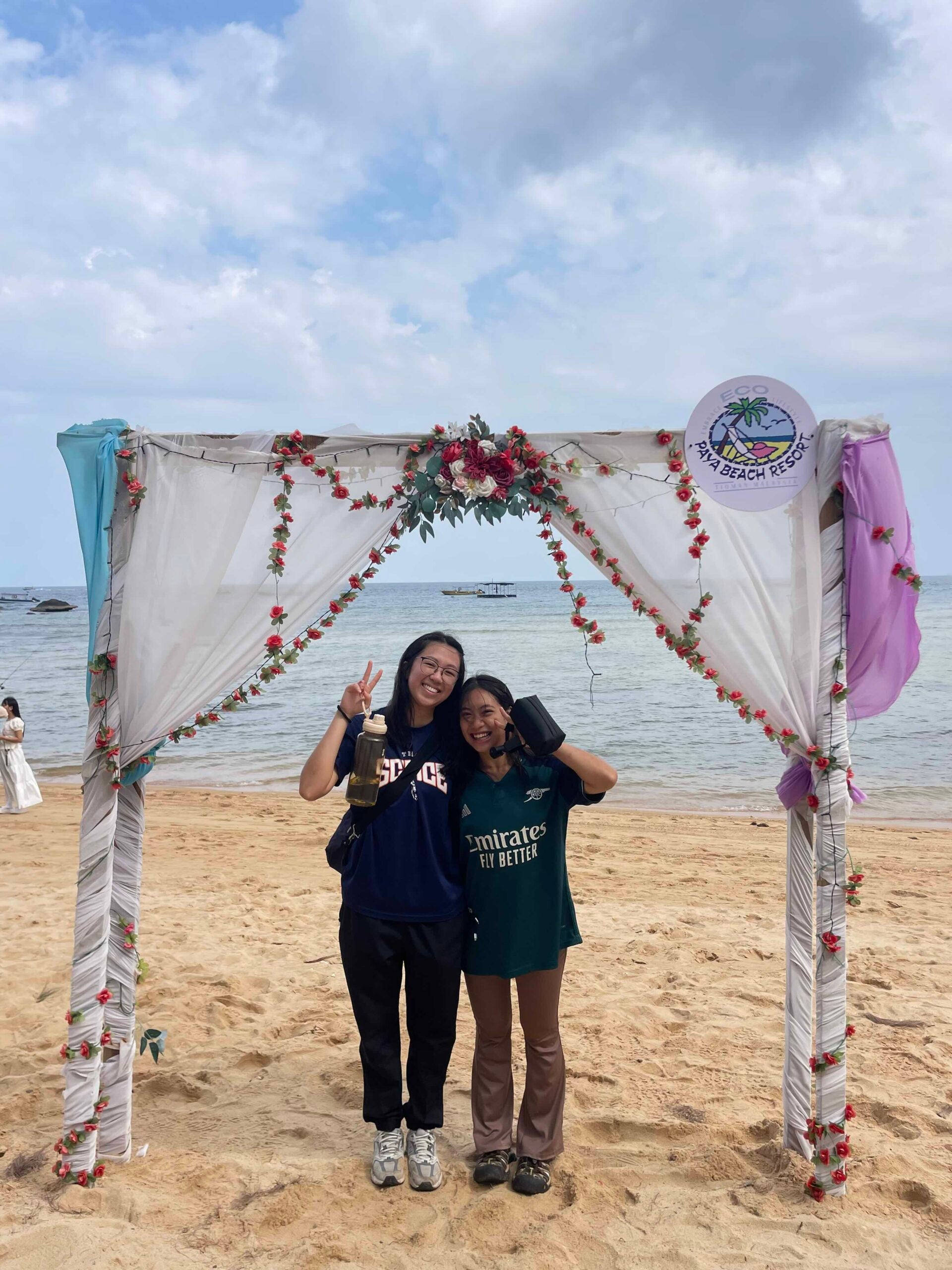
Some lessons only come into focus beyond the classroom. For Life Sciences students Melissa Goh (M) and Chong Jo Ee (JE), a field trip to Tioman Island, Malaysia, brought the realities of scientific research into sharper perspective. Beyond applying research methods in unfamiliar environments, they learned to adapt when plans changed and draw on the collective knowledge of peers, faculty and professionals from diverse fields. The experience revealed a side of research that textbooks cannot fully capture – one where competing priorities, practical constraints and difficult trade-offs make sustainability far more nuanced in practice than theory might suggest.
What motivated you to join the field trip?
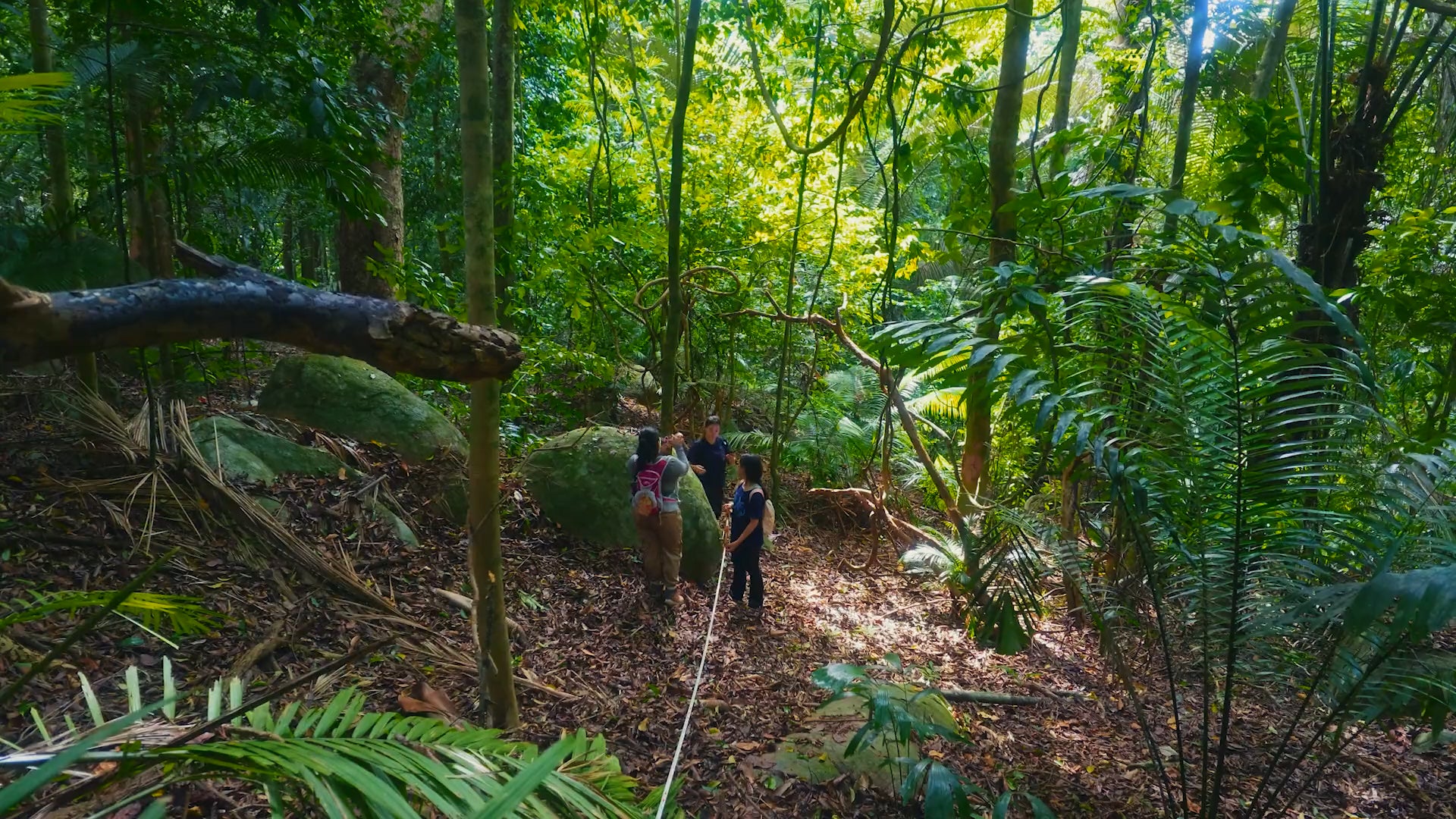
M As a budding ecologist, I believe some of the most valuable lessons are learned outdoors. Understanding research design and sampling techniques is one thing; putting them into practice in the field, where nature is unpredictable, is another. Hearing seniors share stories of discovery, adventure and personal growth made me eager to experience the course for myself. The highlight was a week-long field trip to Tioman, where we could finally put two weeks of research planning into action.
What are your learning takeaways from this experience?
JE Working with students from the United States, Hong Kong and Ireland broadened my worldview and showed me how differently we approach learning and scientific research. Even seemingly “straightforward” matters, such as measurement units or report-writing conventions, vary across different academic cultures. The experience taught me the importance of shared scientific standards, clear communication and never taking mutual understanding for granted.
M I learned to think on my feet and stay vigilant in the field, especially when moving sampling equipment across sites. Putting theory into practice did not always go according to plan, so I learned to adapt our research approach and prepare backup plans. Learning from laboratory staff, teaching assistants, PhD students, professors and experts in diverse fields, from botany to avian ecology, was truly inspiring. Their warmth and generosity gave me a deeper appreciation of the close-knit ecology community, united by a shared love for nature.
What were some of the challenges you faced and how did you address them?
M With lessons packed into four days a week over an intensive month, the pace was hectic and assignments piled up. I learned the importance of time management, including the value of setting aside moments to recharge and support one another.
JE Planning for the unexpected felt daunting at first. But with guidance from our teaching assistants and team mates, we learned to anticipate challenges and prepare for contingencies. Fieldwork, I realised, depends as much on meticulous preparation and teamwork as on the ability to adapt when plans change.
Did you participate in other interesting activities?
JE A highlight for me was a boat trip to spot frigatebirds around Tioman. After scanning the skies, we were rewarded with the breathtaking sight of an enormous flock soaring overhead. I am grateful for the chance to discover the island beyond our curriculum, with the support of our teaching staff who made the experience one I fondly look back on.
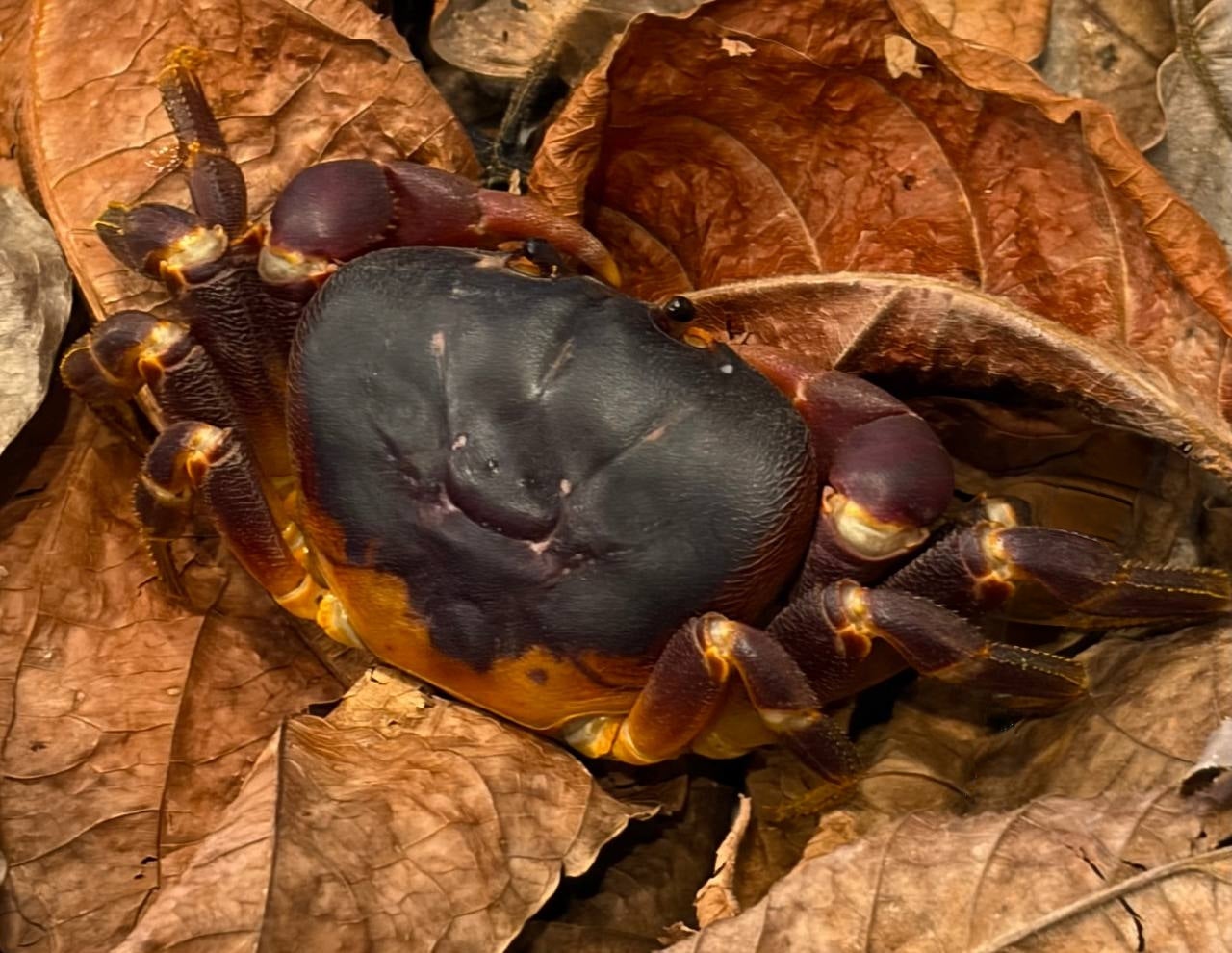
M Snorkelling for the first time, I was thrilled to encounter sharks, sea turtles and colourful reef fish. Waking at 5am for an intertidal walk was equally rewarding: at low tide, we discovered fascinating intertidal creatures such as the flame scallop, bristleworm and sea stars. A guided night walk at Mandai by the Herpetological Society of Singapore brought more surprises – from spotting snakes and frogs to watching a scorpion glow under ultraviolet light.
Contributed by Melissa Goh and Chong Jo Ee