
A journey of service
July 15, 2026
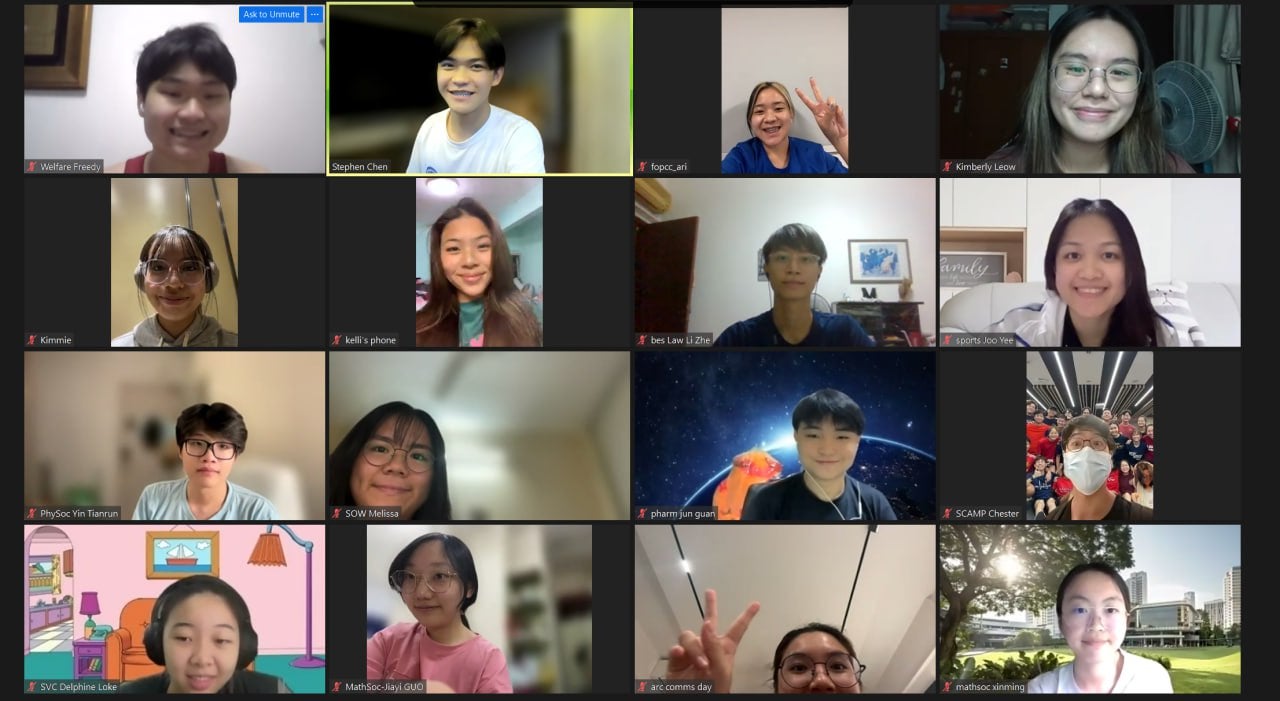
From championing the voices of science students as the President of the NUS Students’ Science Club when he was in Year 1 to leading the entire student body as President of the NUS Students’ Union (NUSSU) now, Stephen Chen’s leadership journey has been one of purpose, resilience and service. As he prepares to graduate this year, he reflects on what first inspired him to step into leadership, the defining moments that shaped his journey and the lessons he has learned along the way.
What inspired you to step into student leadership?
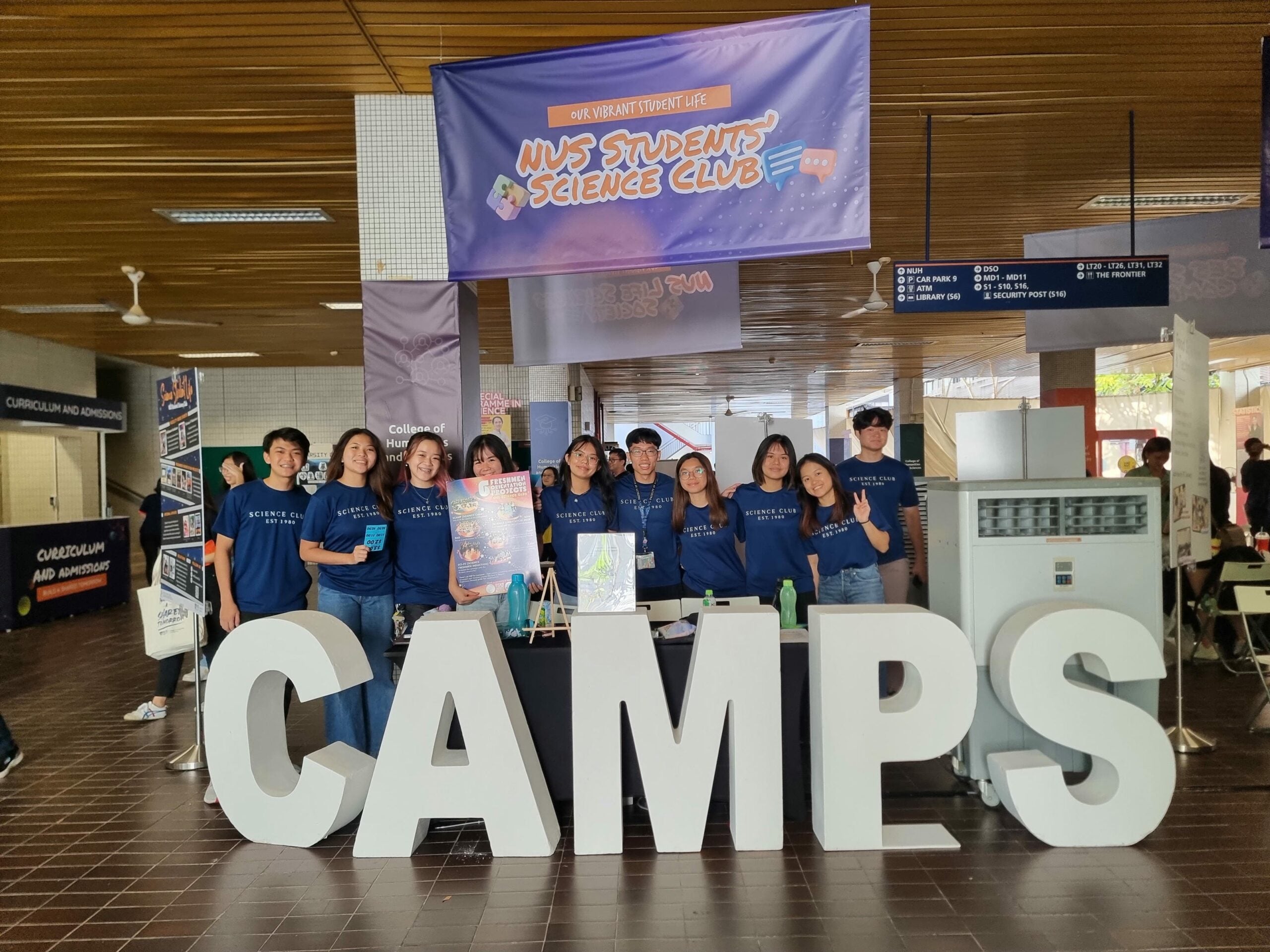
My initial motivations for joining NUS Students’ Science Club were simple: I had an incredible orientation experience, so I wanted to be part of the team to pay it forward. Having had prior student council experience, I also knew it was a place where I could find a strong, like-minded community – exactly what I was looking for when I started university.
Stepping up to be President in Year 1, however, was a leap of faith which I took only after long conversations with friends and family. I wanted to ensure that I had the right mindset to be fully committed to the weight of the responsibility.
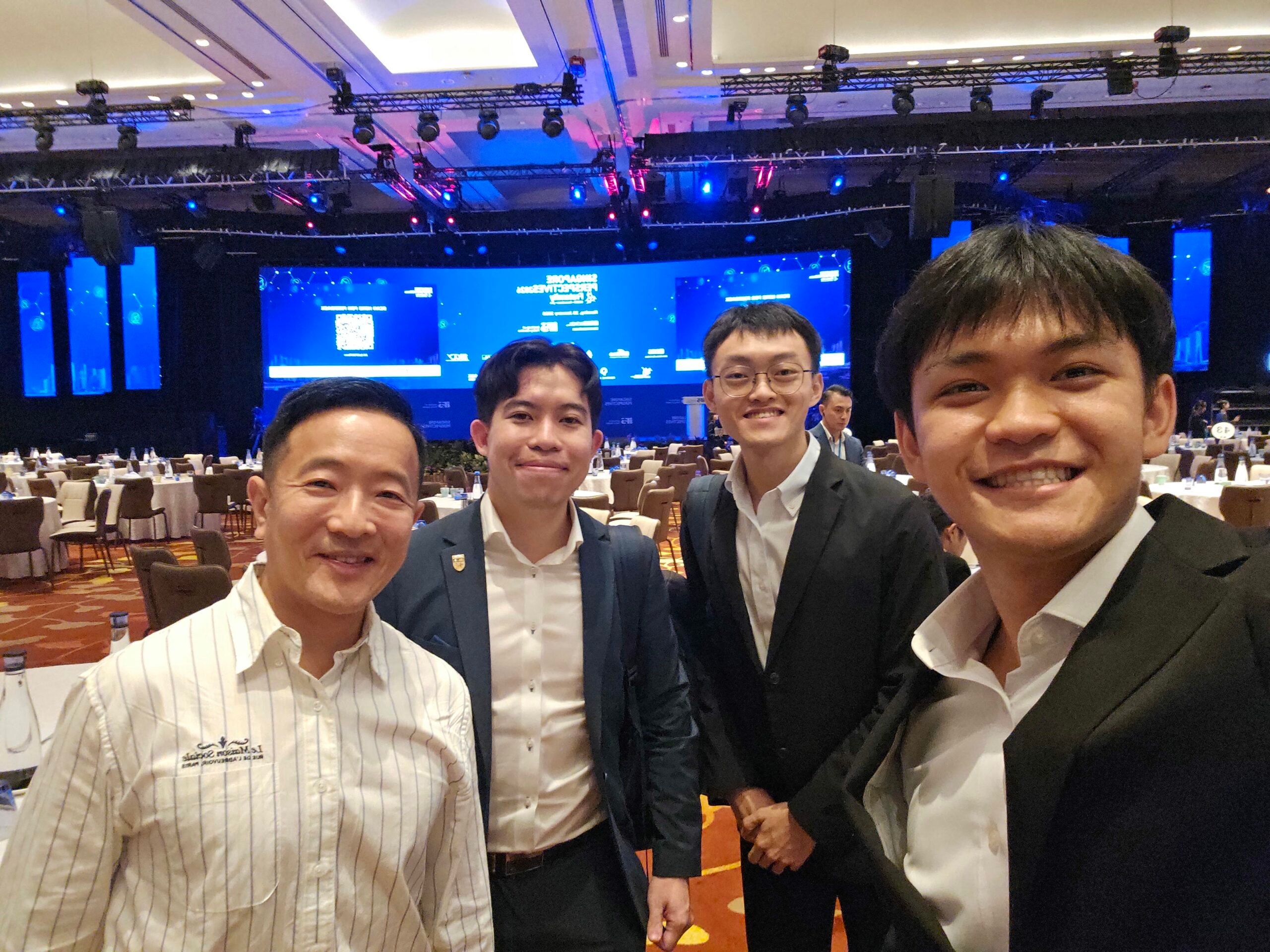
The decision to run for NUSSU came during a period of reflection on what I wanted out of my final year as an undergraduate. A big part of me wanted to connect back with my roots and the passionate community that drives student life. I also wanted to continue growing personally and professionally, especially in long-term policy planning and advocacy.
 |
 |
What were some standout moments in your journey?
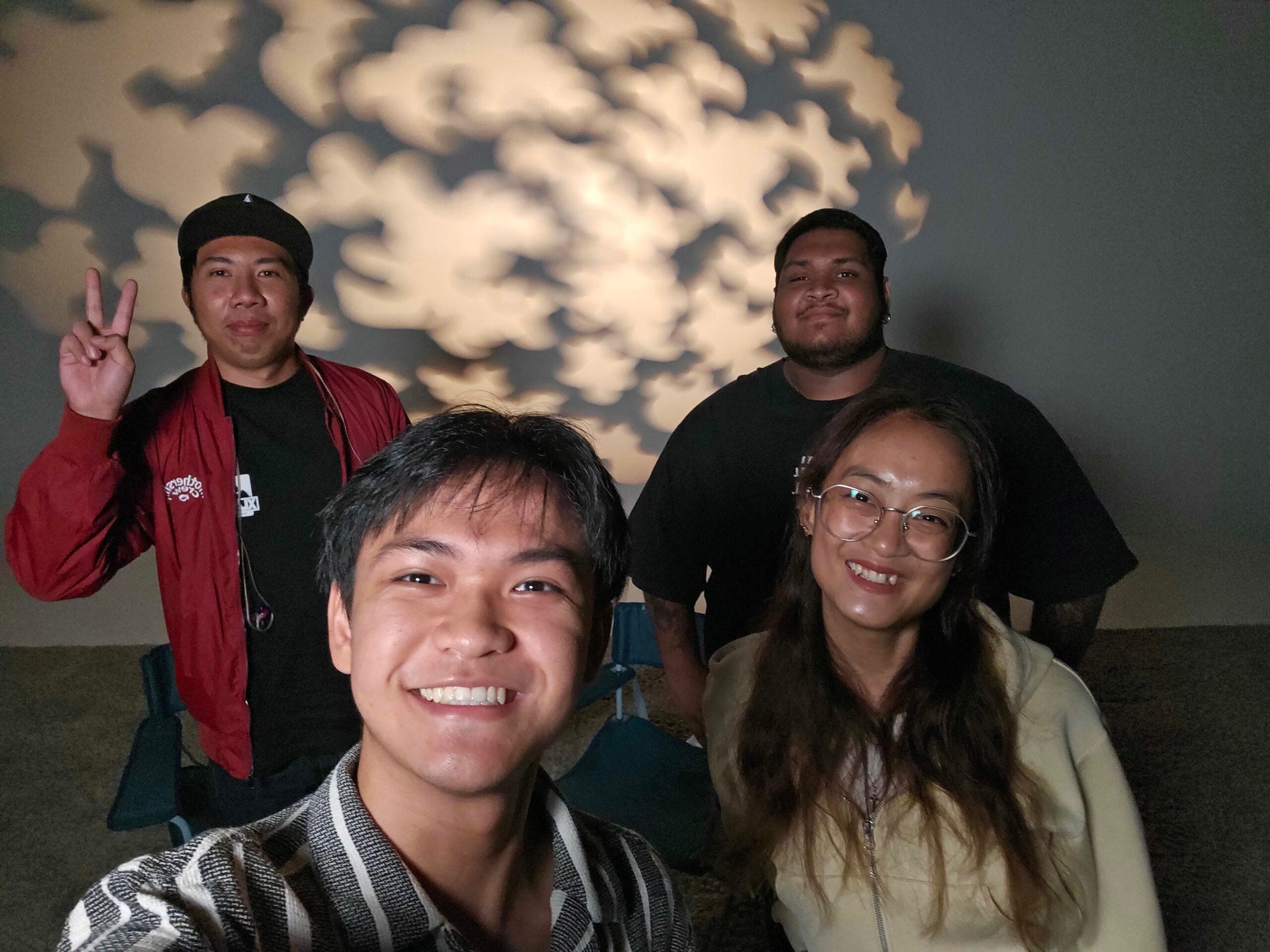
Looking back, the key highlights that have stuck with me were rarely the ones planned for, but rather, challenges and opportunities which I seized as they arose. In my leadership journey, what shaped me were the moments I didn’t see coming – spending all night with the team preparing for the next day’s event, pushing through an initiative after winning the trust of people who previously disagreed with me or even watching a fellow team member step up at a critical moment.
I similarly embraced other challenges and opportunities as they came. From picking up Muay Thai in one semester to learning about marine conservation in overseas rural villages, travelling independently on semester exchange or exploring career pathways through internships and clubs, these have all been foundational in giving me varied and irreplaceable memories that I look back fondly on.
Has your academic background shaped your approach to leadership?
The scientific way of thinking I have been trained in has been valuable in grounding me in objectivity and ensuring that I stay clear-headed and focused during times of conflict or confusion. Just as a hypothesis narrows down possibilities to guide an experiment, having clear organisational goals and objectives allows me to remain decisive and focused when it matters most.
What were some of the most difficult challenges you’ve faced in your leadership roles?
One of the hardest challenges I faced happened in one of the more private moments as a leader, when I was suddenly called in to help manage long-standing disagreements within an EXCO team that I did not directly manage. The situation was reaching a breaking point; over months of disagreements, EXCO members had instructed the team to prioritise different tasks, leaving the team confused. Though I had the authority to simply make the call on which direction to move in – and that would have been the fastest way out – I knew deep down it was not the right call.
Instead, I sat with them for hours until well past midnight as we unpacked what had actually gone wrong between them. It was uncomfortable and emotionally charged, but as we talked through it, perspectives gradually shifted. Both sides realised that they wanted the best for the team but had different, yet overlapping, ideas of how to get there. Once they recognised this, trust was regained and communication improved throughout the rest of the term.
For me, this episode was particularly challenging due to the weight of the situation. There was significant trust placed in me to handle this well and only one shot to get it right. Furthermore, it sat on top of everything else I was already responsible for delivering at the time. But that night left a lasting lesson – doing what seems to be most efficient in the moment may not always be best.
How do you balance your studies and leading a large student organisation?
Balance looks different for each person. A predecessor I once spoke to told me he never truly found that perfect balance. After going through the leadership experience myself, I understand exactly what he meant. Though I may not be able to give as much attention as I would like to each competing task throughout the day, the key for me has been to treasure my spare time and to learn to fluidly pivot between commitments.
In fact, I have learned to find a certain thrill in bouncing between different modes of thinking that exercise different parts of my brain. Leading peers requires immense empathy and making decisions where there are no clear right or wrong answers. Conversely, in science, there is a comforting sense of certainty and mastery. These domains constantly challenge and enrich each other – be it considering alternative interpretations to established scientific understanding or striving for the same understanding and mastery in my union work.
Of course, I believe the demands of student life require resilience that goes beyond just the individual. I am equally, if not more, grateful for the reliable teammates whom I serve alongside.
What sacrifices have you made to fulfil your responsibilities as a student leader?
The biggest sacrifice has certainly been the time spent on student leadership responsibilities and everything that comes with it. Time that could have been spent on internships or preparing myself for the workforce, on rest and preparing for the next semester, on hobbies or exploring new interests. But perhaps more than anything, time that could have been spent with family and friends.
I remember a time when I had to miss sending my brother off when he was leaving for over a year because of student leadership responsibilities. These and countless other smaller trade-offs that I make quietly each day, add up to become some of the most significant sacrifices that come with the role. These sacrifices are certainly not unique to me and every student leader has to make their own trade-offs. But it is precisely because of how widely felt such sacrifices are that I make an effort to give the well-deserved recognition for the time and dedication that fellow student leaders put in too.
 |
 |
What is your leadership philosophy?
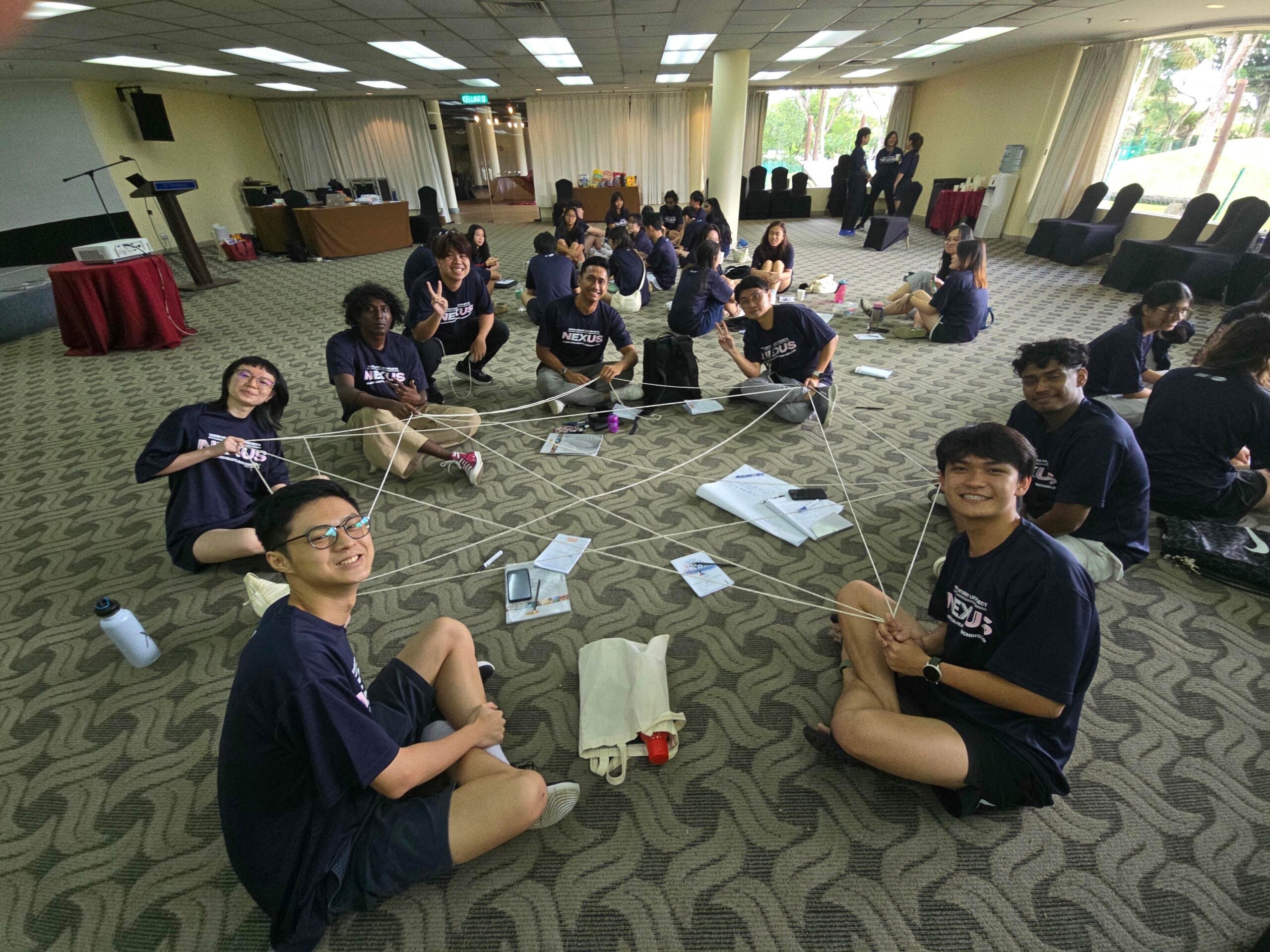
I believe in a people-first approach which to me comprises two pillars: one, a bonded team that trusts each other and strives towards a common aim, and two, opportunities for growth for each member.
Having a bonded team is vital because an organisation only goes as far as the team brings it. A team that communicates openly, supports and relies on one another and lifts each other up will naturally result in the best initiatives. Beyond organisational outcomes where the concrete impact may directly affect only the immediate batch of students, I believe the deeper takeaway from those invested in the work are the relationships forged and memories created which extend far beyond graduation.
Providing opportunities for individual growth is also critical to make the journey meaningful. After all, we are not simply a group of friends. We are also here to tackle real challenges and solve meaningful problems together or come away learning something for having tried. In practice, this means understanding what each member requires and tailoring the challenge accordingly by balancing the amount of autonomy and guidance needed.
What are the biggest lessons you’ve learned through your leadership experiences?
First, consistency builds trust. It is vital to be consistent and clear about the values you stand for. Letting people know what matters to you, not just through words but through your daily actions, is the most powerful way to demonstrate reliability, which then builds trust within the team.
Second, to meet people where they are. Everyone comes from a different starting point, each with unique motivations and work styles. As a leader, you have to understand what drives your team members and what they need, so you can provide tasks and challenges tailored to their specific stage of growth. After all, as the old saying goes, people don’t care how much you know until they know how much you care.
Finally, the importance of celebrating both effort and impact. Both are crucial to celebrate but the key is striking a healthy balance between celebrating wins without fostering an overly results-oriented culture that disregards the process and recognising hard work without creating a culture of toxic overwork or directionless momentum – something which I am still learning to discern myself.
Have these roles shaped your perspectives in any way?
On a personal level, these roles have deepened my self-awareness regarding my own working style and how it may complement or clash with others. Recognising these dynamics enables me to take it as a starting point to be more communicative and adaptable, allowing us to bridge gaps, build trust and ultimately learn to enjoy the journey together.
At a larger scale on effecting change, my perspective has shifted completely. I used to think that the biggest obstacle to progress was outright opposition, But I now think that the true enemy of progress is apathy. Opposition signals that the other party cares about something enough to protect it and that pushback tests how deeply we believe in our own ideas. Apathy, however, is silent and deadly and can allow brilliant ideas to simply die in the dark.
What skills have you developed as a student leader which will benefit you in the future?
The most valuable skills from student leadership are undoubtedly the people management skills and emotional intelligence you develop through practice. Leading peers from different backgrounds trains you to be highly adaptable and patient, interacting with staff and senior stakeholders teaches you to think strategically and communicate professionally and engaging the broader student population requires approachability and empathy. Through these varied experiences, you also have plenty of opportunities for reflection on how you responded amidst these situations, offering constant opportunities for self-reflection on the kind of leader and person I want to be. Besides that, the sheer thrill and excitement of the journey will train you in resilience and grit and you quickly learn how to stay calm and think clearly during stressful situations.
On a practical level, a large organisation like NUSSU has also given me practice in corporate operations, from managing heavy communication to respecting institutional norms and workflows. While these administrative skills seem small, they are nonetheless essential for working in any professional team environment in future.
What are some initiatives made during your presidency that you are proud of?
There is still much that my team and I are actively working on and increasingly taking ownership of this year – from managing the tourist situation on campus increasingly independently, to reviewing the overall leadership development framework in NUS and expanding our funding support to better support needy students, student activities and individual upskilling and more. The standout moments for me have been those where we took direct feedback from students and turned it into something concrete.
This year, two examples come to mind. The first is regarding affordability on campus. Students flagged that prices at minimarts around campus were a concern, so I put together a team, we conducted price comparisons and brought the findings to the school. We are now supporting the school who is actively in negotiations with suppliers and committed to incorporating price reviews for essential items into subsequent contracts.
The second is about tools and resources for student leaders. We heard consistently from clubs and societies that access to premium licensing for Canva would meaningfully elevate the quality of their work. So from early on, we made the case to the school, worked through the administrative details and secured this for all clubs beginning as soon as next year.
How do you ensure that the diverse voices of students are heard?
Faithfully representing the varied, and sometimes even contradictory, interests of students is a critical responsibility and one that I think about quite a bit, especially given the scale and diversity of undergraduates in NUS. At the union level, we are constantly finding ways to improve our outreach through different mediums. The union walkabouts we conducted this year were more targeted along themes relevant to students and being there personally to engage students face-to-face was very helpful for me to hear their open, direct feedback. Our Exam Welfare Pack surveys remain our largest tool for gauging overall student sentiment and targeted surveys on timely topics, like student views on Artificial Intelligence (AI) and jobs, gave us a starting point for understanding the concerns of students in discussions with university management and government.
On a personal level, I make a conscious effort to step outside my immediate friend circles and speak with different peers, whether through classes or events around school, to learn from their experiences. Having regular meetings with the leaders from other clubs and CCAs is also helpful in providing a more holistic perspective across residential, academic or student life concerns.
 |
 |
What legacy do you hope to leave behind in both roles?
Across both roles, I hope to have left behind a team culture that outlasts my own term. Beyond the initiatives and policy proposals we pushed, I hope that the spirit of continual improvement and genuine care for one another lives on in future batches so that more students will likewise enjoy the experience of carrying out this meaningful work. If the people I worked alongside come away more confident, more capable and more connected, to me, that is the most meaningful thing I could leave behind.
For the broader student population, I hope to have moved the needle in showing that the Union is committed to being for students and with students. Whether it is through acting on timely concerns about affordability or AI, I hope that students will sense that we have the capability despite being students, and flexibility despite being a large organisation, to enact necessary change.
What is most fulfilling for you as a student leader?
The fulfilment of this role comes in layers. At the institutional level, being able to navigate the university management’s concerns and reconcile them with student interests to push or direct a policy is incredibly rewarding. I feel an immense sense of pride whenever we accomplish these wins because I am proud of its impact, perhaps even more so as I get to see the tangible sense of empowerment and belief in change-making that it restores within the team.
On a personal level, the opportunity for mutual development can also be extremely rewarding. Whether it is sharpening people management skills, building resilience or learning to inspire others, it is remarkable to look back and realise just how much both you and your team have grown and accomplished.
How have these experiences shaped your future plans?
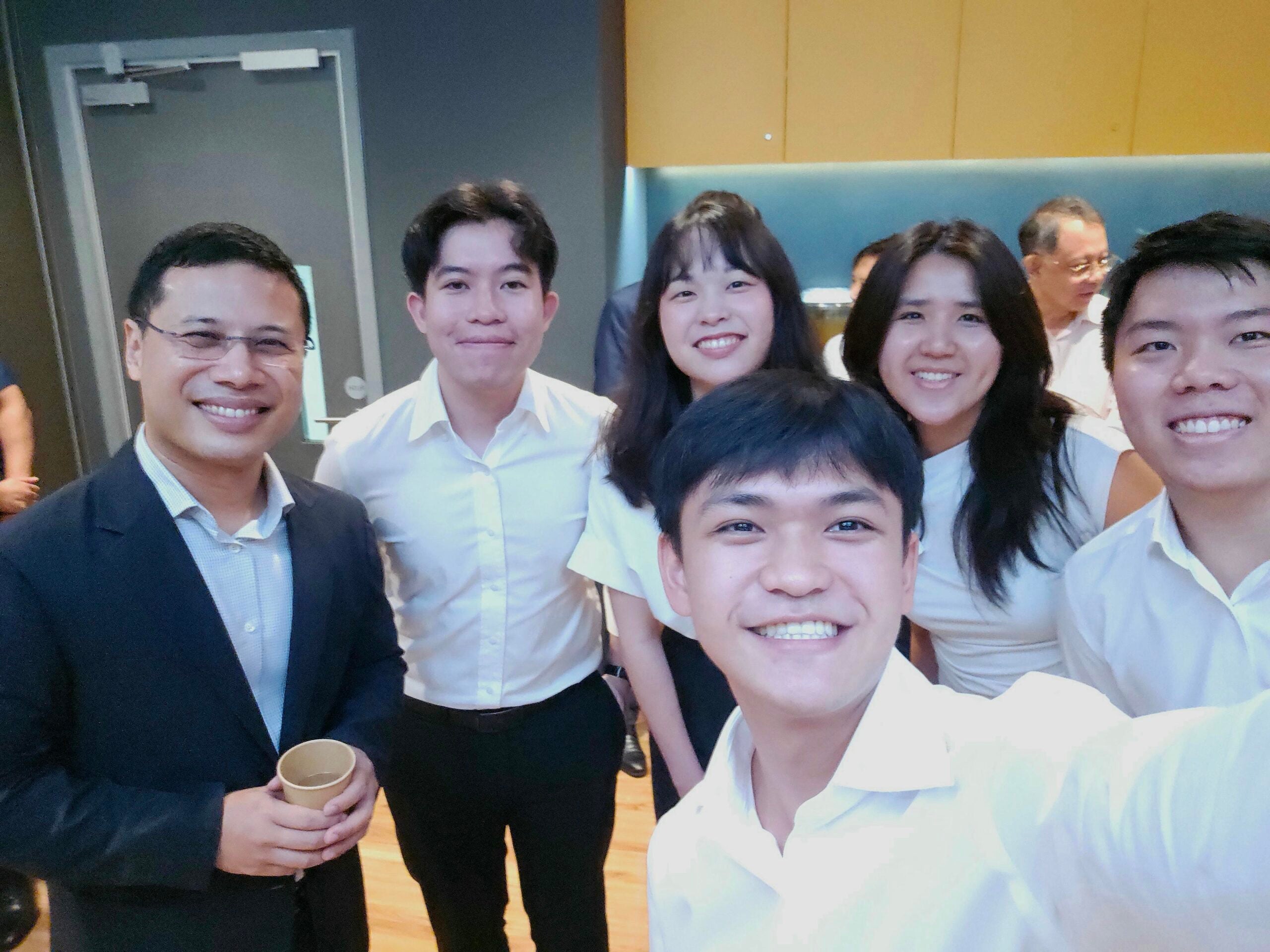
Serving in these roles gave me valuable insight into high-level organisational strategy particularly as I interact with not only university management, but occasionally ministers and civil servants. Navigating the complexities of advocacy within NUSSU has given me experience in communicating with senior stakeholders and thinking “two levels up” to consider their interests, priorities and concerns amidst student ones. Moving forward, I intend to use this as a foundation of strategic thinking and hone it as I begin my professional career as a consultant with opportunities to speak with decision-makers within companies.
What’s next for you?
I plan to start my career in management consulting, as I am eager to sharpen my approach to structured problem-solving and learn how to break complex problems down into actionable tasks and hypotheses. I am also excited about the opportunities for learning and exposure to a range of different companies and challenges in this line of work. Ultimately, I hope to build a career that allows me to continuously grow personally and professionally, while driving tangible, positive impact.
 |
 |
Contributed by Stephen Chen (Class of 2026), Life Sciences and Business Management