
The future they choose to shape
July 21, 2026
 |
 |
As they prepare to close one chapter and begin another, valedictorians Ms Freesia Shee and Dr Leroy Lin are already looking ahead to the impact they hope to create. Their journeys have taken them from the field to the laboratory, developing in them a conviction that science is most meaningful when it serves society – whether in protecting the region’s biodiversity or safeguarding public health.
Freesia Shee, Bachelor of Science (Hons) in Life Sciences
For Freesia, graduation is not an endpoint but a continuation of a lifelong passion for Southeast Asia’s rich biodiversity – one she now carries forward at NUS’ Avian Evolution Laboratory.
Her early fascination with nature took on new direction at NUS Science, where she began to see research not just as a means to answer pressing questions, but as a catalyst that shapes decisions determining the future of ecosystems and species.
“Many species are disappearing before we fully understand their evolutionary history or conservation needs,” she says. “I hope to use genomic tools to generate evidence that supports better conservation decisions.”
Her honours project was a turning point. Studying the evolutionary history of White-eyes through genomic and bioacoustic data, Freesia uncovered hidden biodiversity – insights that are vital to guiding conservation strategies.
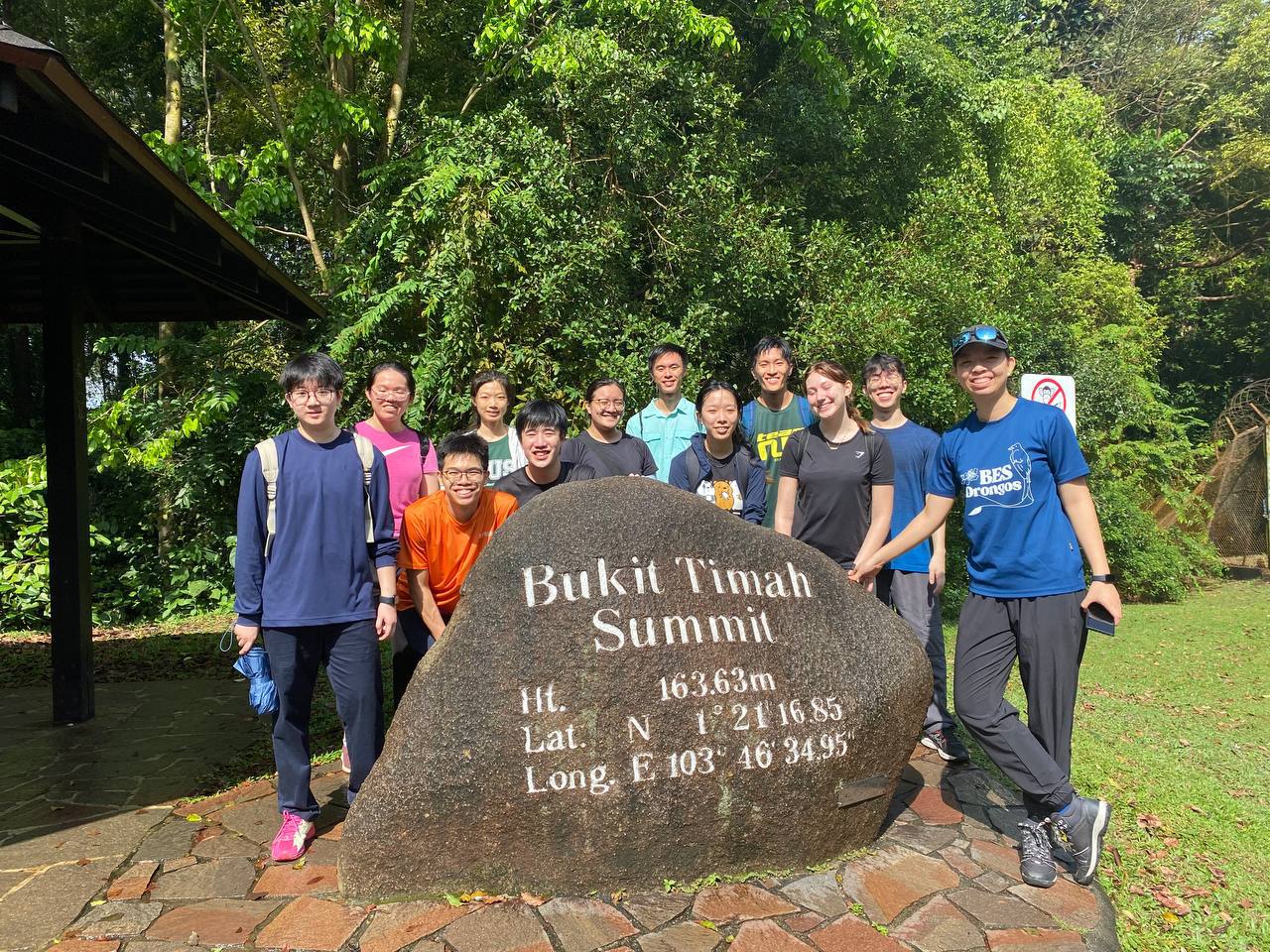
That connection between science and real-world impact became even clearer during her internship with the National Parks Board (NParks). Working on mangrove conservation and habitat restoration, she conducted ecological surveys supporting nature-based coastal protection and witnessed firsthand how scientific evidence informs policy and management.
“These experiences convinced me that I want to work at the intersection of research and conservation practice,” she says.
Beyond advancing scientific knowledge, Freesia hopes to support governments, conservation organisations and communities in safeguarding biodiversity for generations to come. She is equally committed to science communication, grounded on the belief that lasting conservation happens when science and society work hand in hand.
“I am excited by the possibility of contributing to a future where research, policy and public engagement come together to safeguard Southeast Asia’s natural heritage,” she says.
Dr Leroy Lin, PhD in Chemistry
Dr Leroy Lin believes the best chemistry happens beyond the laboratory.
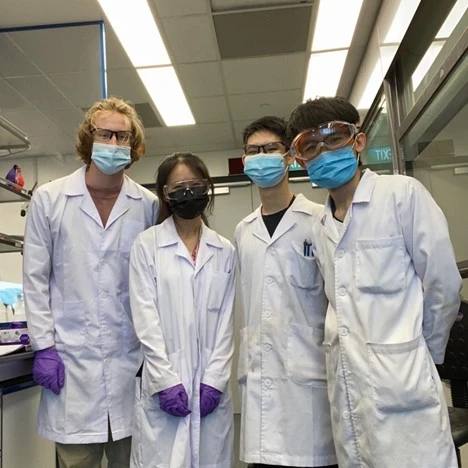
That conviction now shapes his work at the Environmental Health Institute, a public health laboratory under the National Environment Agency, where he regulates harmful chemicals in everyday products. His work brings together what he values most: translating science into meaningful impact while continuing to learn, “as every day brings something new.”
Along the way, he came to see science as a deeply social endeavour. Through laboratory research and his involvement in NUS’ Chemical Sciences Society, he learnt that collaboration not only enriches ideas but amplifies their impact.
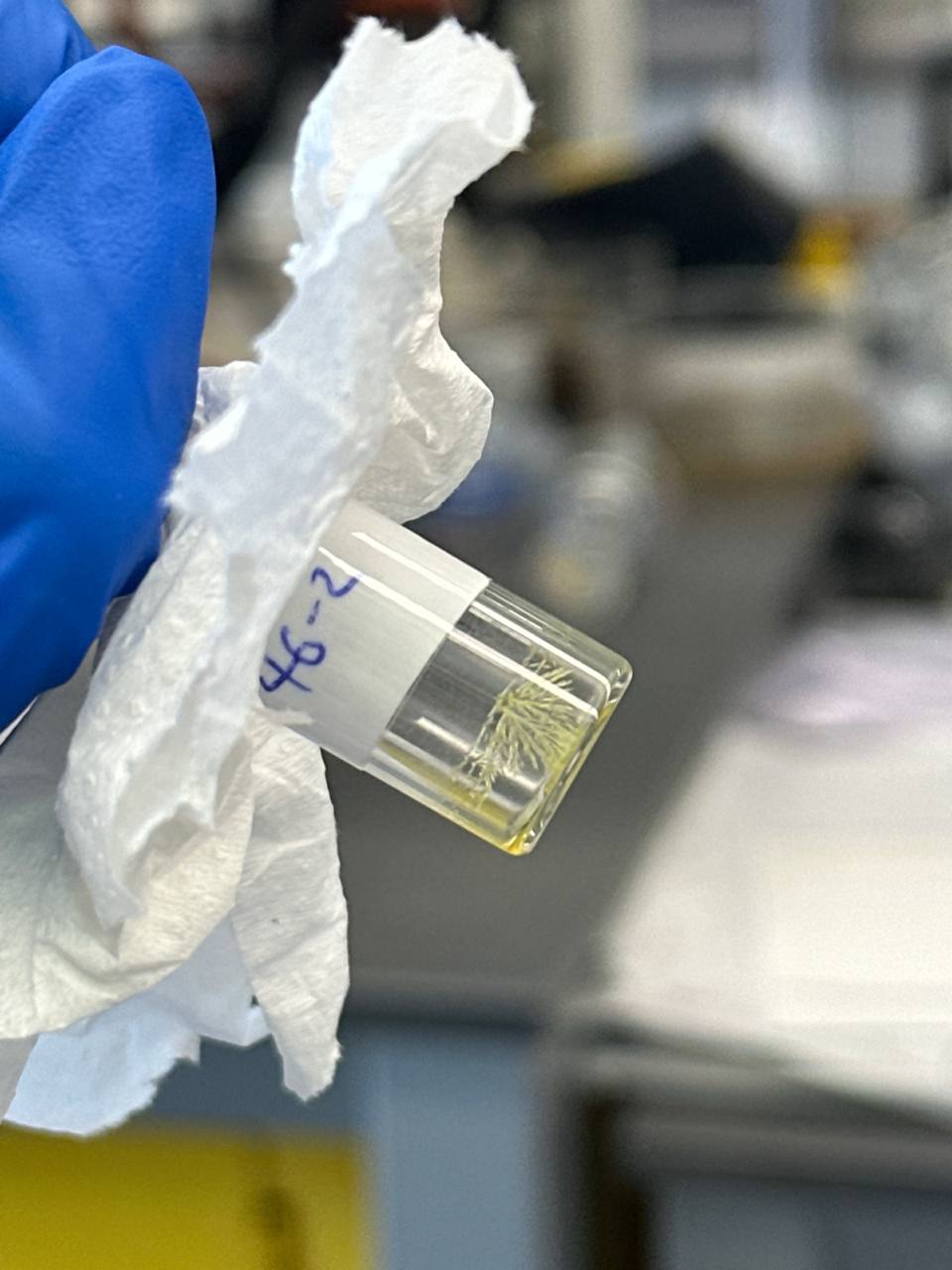
One project, in particular, shaped the scientist he aspired to be. Tasked with developing a more efficient method to synthesise chemical intermediates, Leroy streamlined a complex process into a faster, more cost-effective approach using accessible materials and eliminating purification between steps. The result was both scientifically elegant and viable for industry.
“This experience showed me how rewarding it is when scientific rigour meets real-world application,” he says. “It reinforced my desire to apply science for real, tangible impact.”
His scientific training equipped him with more than technical expertise. It sharpened his ability to assess chemical hazards not just by their intrinsic danger in isolation, but by the realistic exposure risks they pose. “This allows me to make more nuanced judgements on chemical safety.”
Leroy hopes to help shift mindsets towards a more proactive stance on chemical safety – one that identifies and addresses risks before they become public health issues. Looking ahead, he aims to strengthen chemical regulation in Singapore, particularly for substances whose harmful effects accumulate over time but which often go unaddressed because they are rarely linked to a specific disease or immediate illness. Ultimately, he hopes his work will inform policy changes, including the regulation or removal of such chemicals.
“This would be the most meaningful and lasting impact I could leave on the field,” he says. “Everyone should have confidence that the products they bring into their homes are safe.”