
Beyond the catch: Following seafood’s journey
August 11, 2026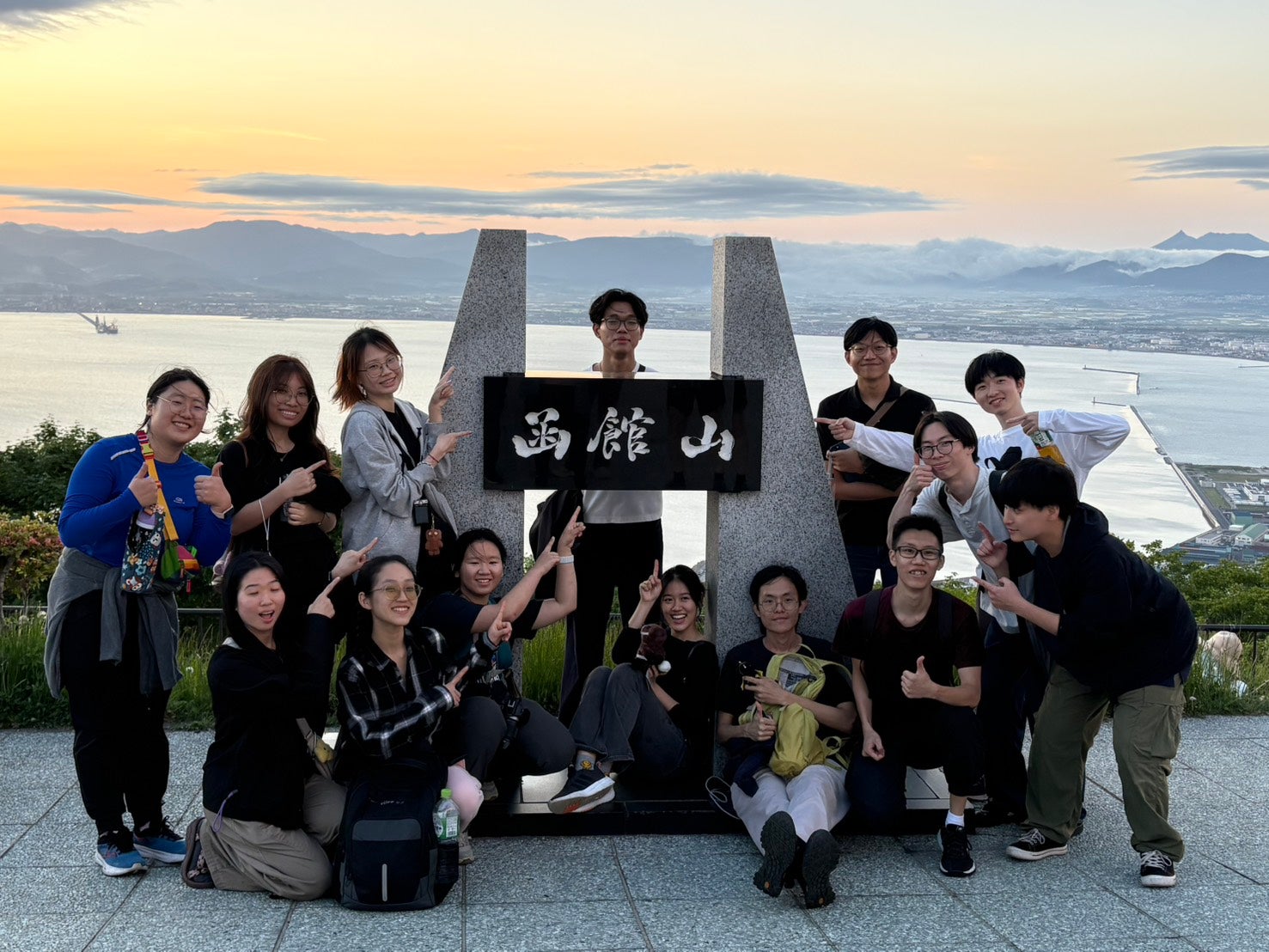
“Every piece of seafood has a story long before it reaches our plates.”
For consumers, seafood appears effortlessly on supermarket shelves and restaurant menus. But behind every salmon fillet, oyster and tuna steak lies a complex network of fishermen, processors, distributors, logistics experts and food scientists working together to ensure that every product is safe, fresh and of the highest quality.
For a team of Food Science and Technology students, that hidden journey came vividly to life during FST2204, a summer programme on Seafood Supply Chains in Japan and Singapore. The experience quickly became much more than an overseas academic programme – it was an immersive journey into the heart of Japan’s renowned seafood industry, transforming theory into practice and reshaping their understanding of global food systems.
According to team lead Roxane Choo, the programme offers something textbooks do not: the chance to connect classroom learning with industry visits in both Singapore and Japan, and to observe every stage of the seafood supply chain.
Japan, internationally recognised for its advanced seafood industry, provides the ideal setting. From fisheries and processing plants to wholesale markets and distribution centres, the students witnessed how seafood travels from harvest to market while maintaining stringent quality and safety standards.
Where science comes to life
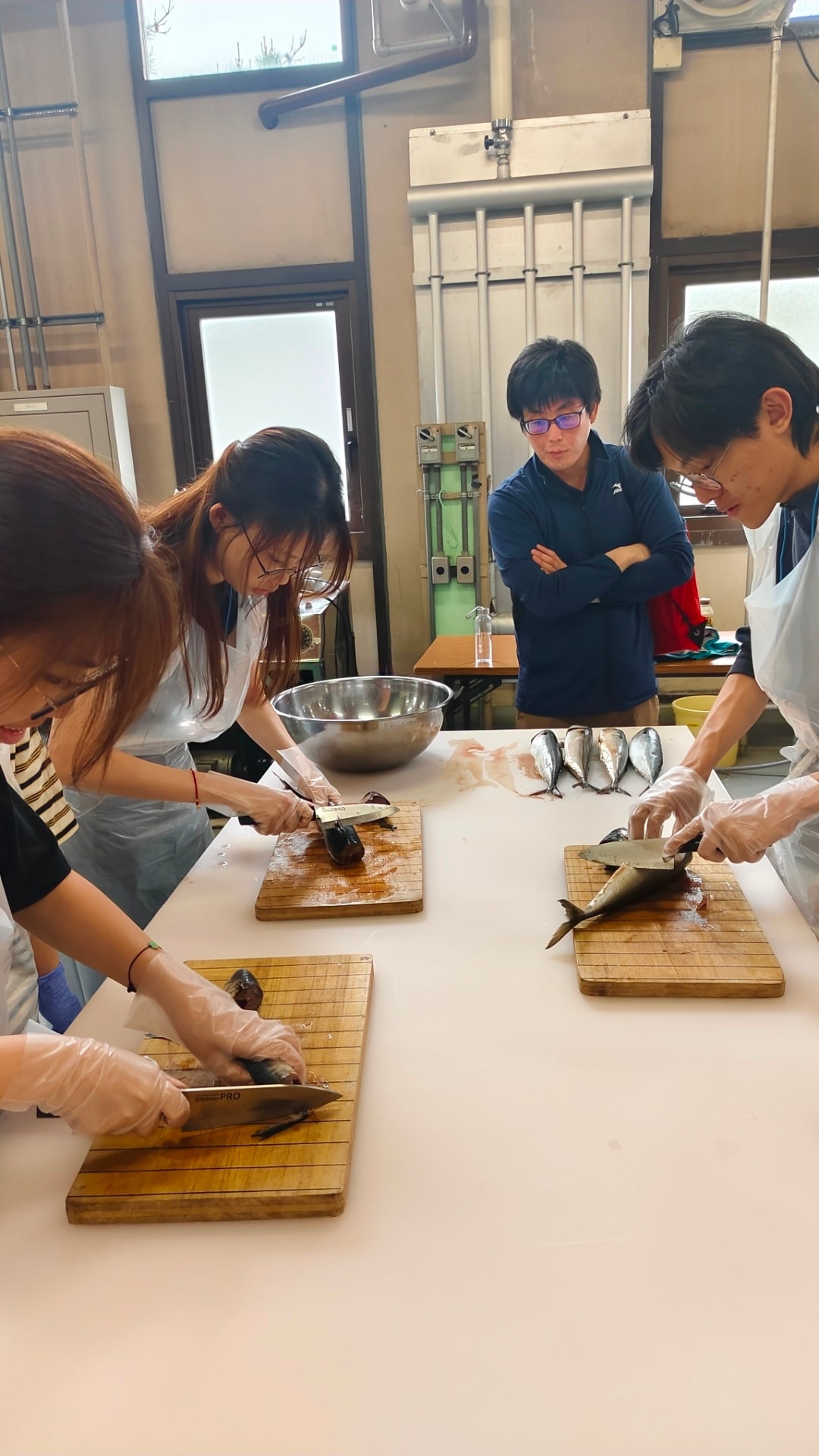
Visits to fisheries, seafood processing facilities, wholesale markets and distribution centres revealed the scale and complexity of the seafood industry.
Every stage relied on precision, from temperature control and cold chain management to hygiene protocols, traceability systems and quality assurance measures. Conversations with industry professionals, along with firsthand observation of rigorous monitoring systems, offered a rare behind-the-scenes view of how scientific principles are applied to keep seafood safe and fresh.
“This experience shows the critical role of food scientists in safeguarding food quality and consumer health,” Roxane says.
Even more eye-opening: getting a glimpse of the extensive infrastructure that supports international seafood trade. Ports, transport networks, cold chain logistics, storage facilities and distribution systems all work together seamlessly to move seafood from Japan to Singapore while preserving freshness, quality and supply stability.
“As Singaporeans, we often take seafood availability for granted,” Roxane says. “This programme helped us recognise the tremendous effort and coordination required to make these products readily accessible in local markets.”
Beyond the seafood on their plates, the students discovered a wider lesson in food security, sustainability and international trade. Comparing the supply chains of Japan and Singapore revealed how each country balances the same global demands and challenges in ways shaped by its own geography, economy and culture.
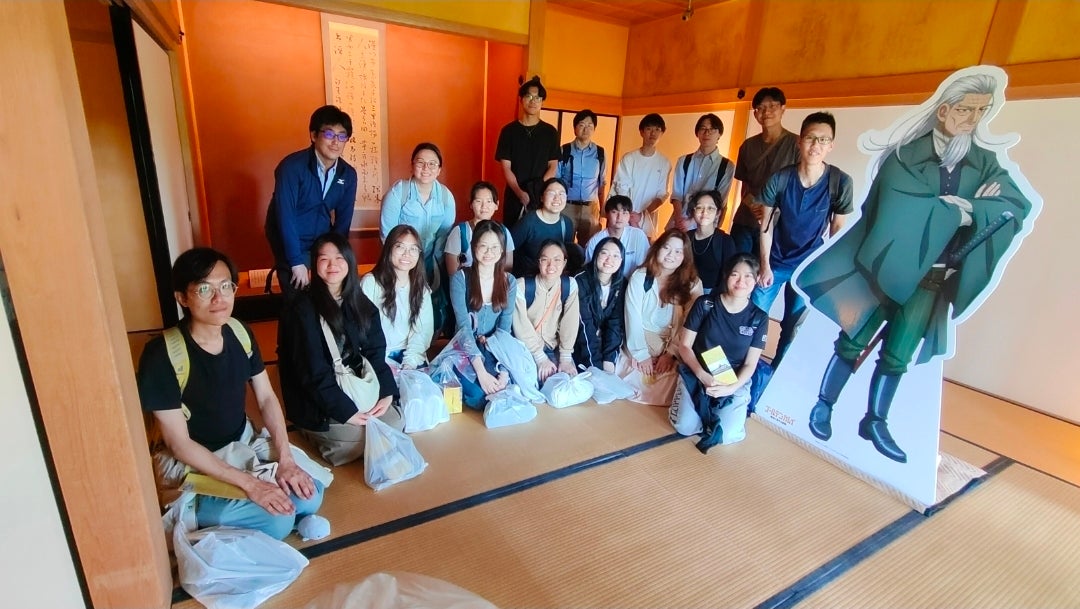
Equally valuable was the opportunity to engage with students and faculty from Hokkaido University. Through discussions and collaborative learning, they encountered new perspectives on food production, sustainability and seafood consumption, while building cultural awareness and adaptability.
Beyond the classroom
These cross-cultural exchanges extended well beyond academics, enriching every part of their time in Japan. Japanese language and culture classes introduced them to local traditions, from basic language lessons and historical insights to tasting the distinct varieties of soy sauce unique to different regions of Japan.
One memory, in particular, stood out.
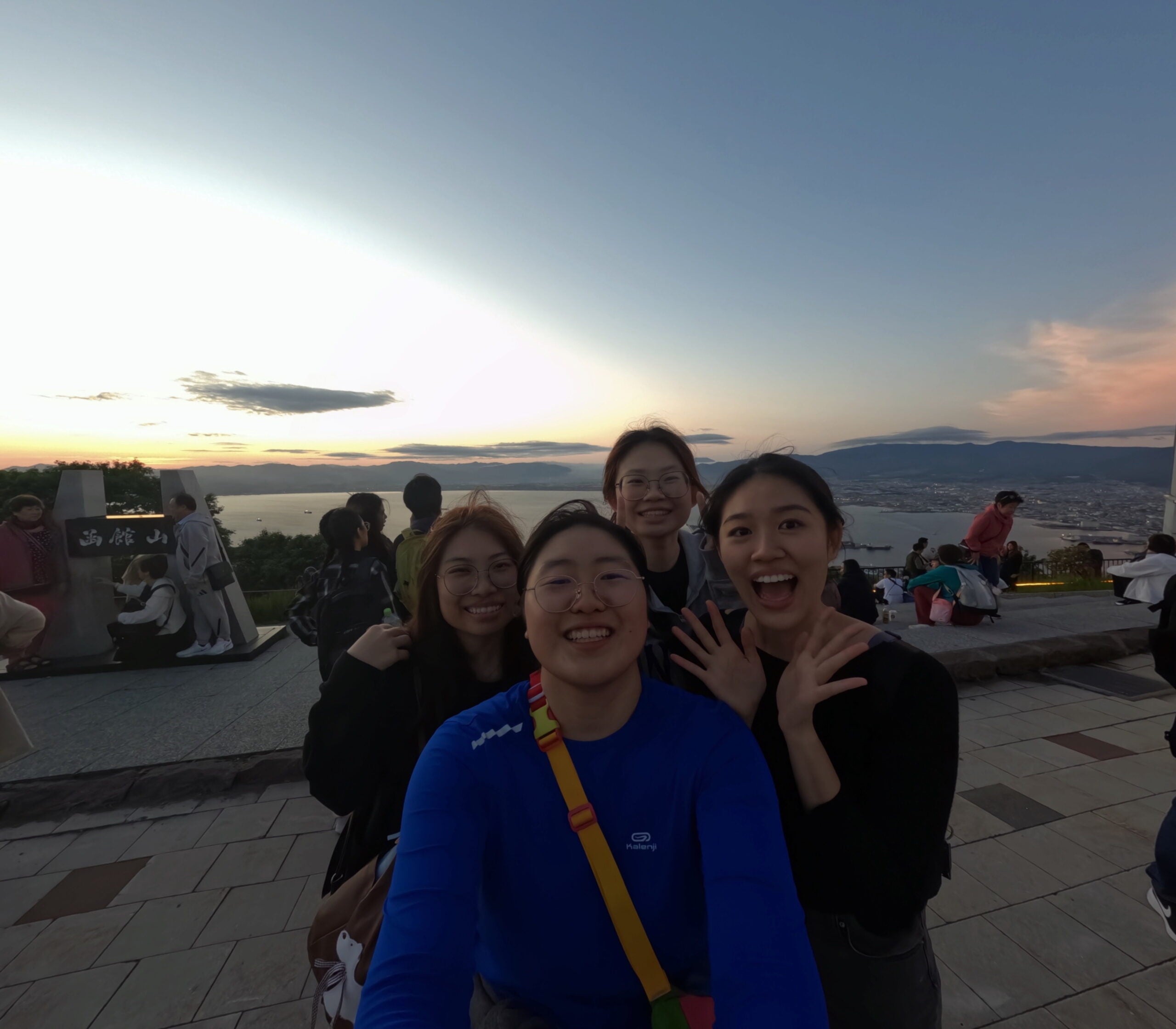
The climb up Mount Hakodate tested their endurance, with an hour-long trek through lush greenery and forest trails. But the fatigue quickly faded at the summit, where they watched the sun set over Hakodate with their new friends from Hokkaido University. It became one of the defining moments of the trip – a reminder that some of the most meaningful lessons happen outside formal learning environments.
Tomorrow’s food scientists
Back home, the lessons they gained stayed with them.
The programme strengthened their interest in food processing, food safety and supply chain management, while providing real-world examples that will continue to shape their future studies. More importantly, it reinforced how scientific knowledge translates into practical industry solutions that protect consumers and support global food trade.
The experience also encouraged them to view food systems through a wider lens – not only considering product quality, but also logistical, infrastructural and sustainability challenges that impact food availability around the world.
Having traced seafood’s journey from ocean to table, they now see every meal differently – recognising the science, systems and people behind the food they consume.
“Food systems are not built on science alone. They are built on collaboration across cultures and countries,” Roxane says.