
Growing more with less
November 23, 2026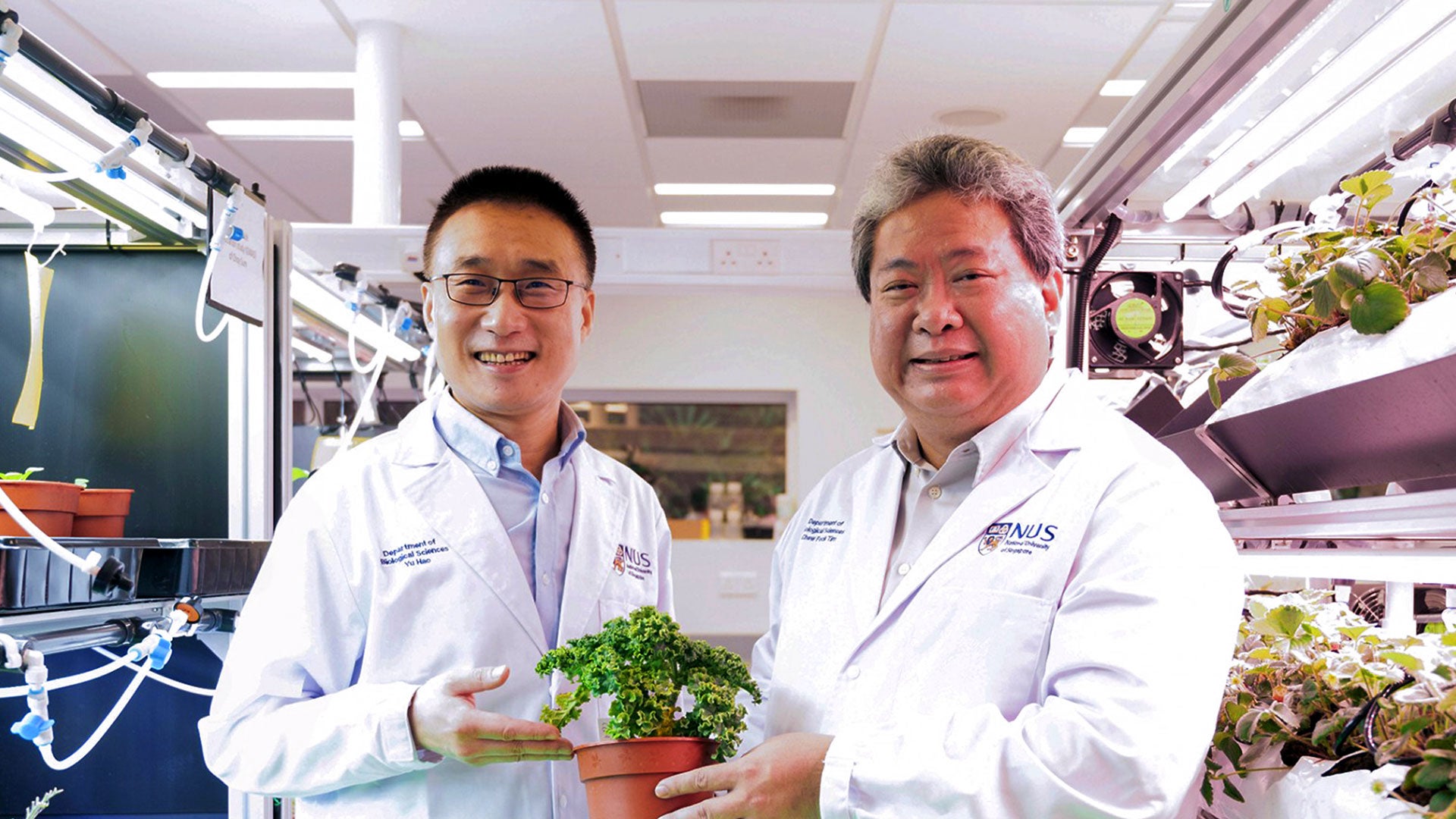
Singapore produces less than 10% of its leafy vegetables locally and scarce land leaves little room to expand conventional agriculture. Assoc Prof Chew Fook Tim from the Department of Biological Sciences and his team are pursuing a different solution: breeding vegetable varieties designed not just for open fields, but for the controlled environments of indoor farms as well.
The challenge goes beyond relocating farming indoors. Many vegetable varieties were developed for soil-based cultivation and may not perform well under controlled temperatures or vertical growing systems. To make urban farming viable, Singapore needs crops that are more productive and with added values developed for these environments.
The science behind better crops
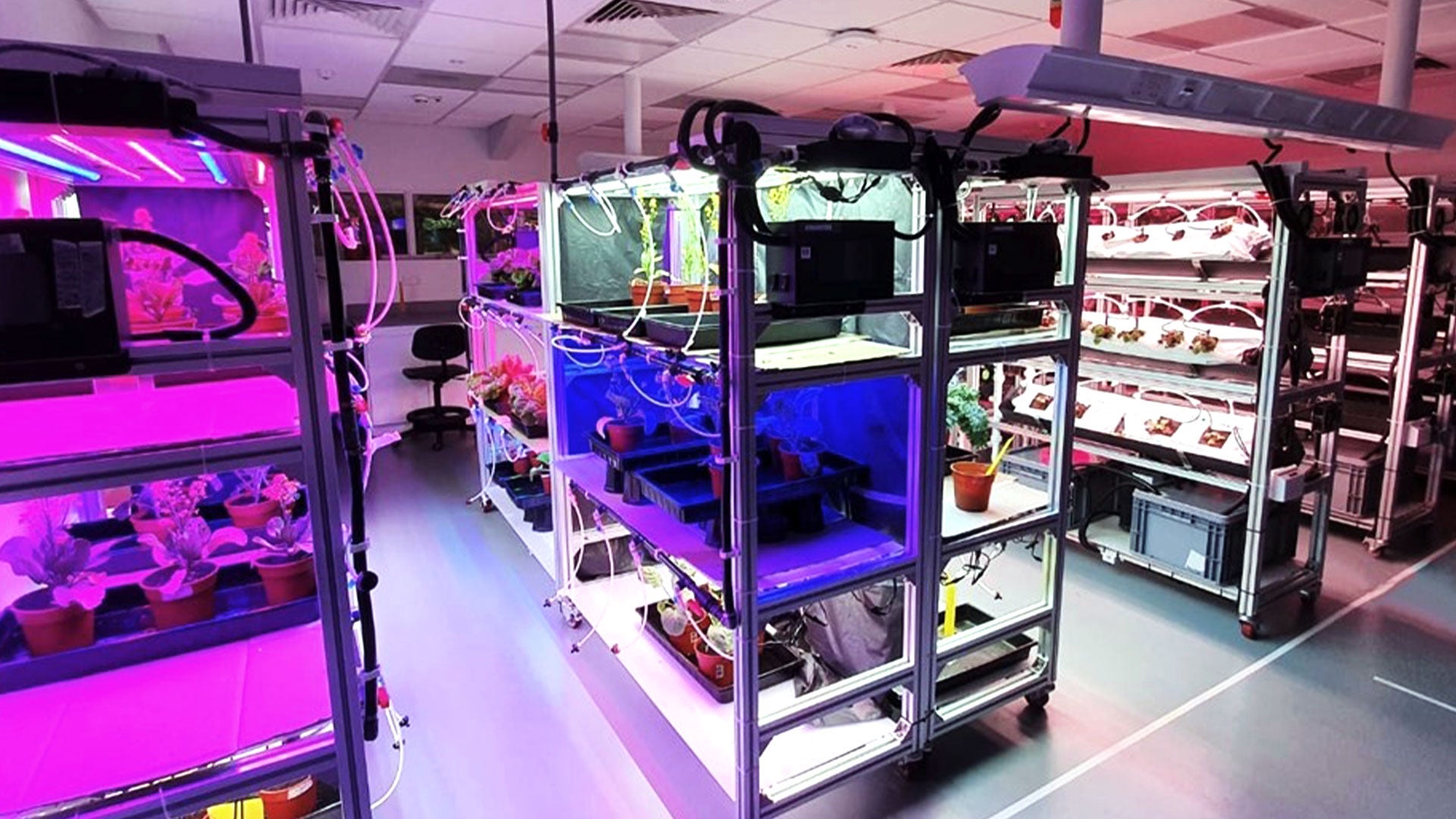
Prof Chew’s team is studying a large diversity of leafy and fruiting vegetable crops to uncover the genetic traits that govern yield, nutritional value and adaptability to both indoor and outdoor conditions. The team is using advanced genomic technologies to understand why certain varieties perform better than others. Their work combines phenotyping – examining plant characteristics – with whole-genome sequencing, which reveals the genetic information underlying these traits.
By analysing diverse varieties globally, the team has identified varieties with promising characteristics and pinpointed the genetic controls linked to them.
Their research goes beyond how well vegetables grow. The researchers are also studying naturally occurring compounds in both leafy and fruiting vegetables for their potential nutritional, antioxidant, antimicrobial, anticancer and post-harvest properties.
Behind the scenes, supercomputing accelerates progress. Leveraging the National Supercomputing Centre (NSCC) Singapore’s high-performance computing resources, the team processes vast amounts of genomic data to identify links between genetic variations and desirable plant traits. These findings are then used to develop genomic models that help them shortlist the most promising candidates for breeding – shortening the time for crop development.
The implications of this work extend well beyond the laboratory.
For Singapore, crops tailored to controlled environments could translate into higher yields, more efficient resource use and better returns from limited space. More broadly, the work could strengthen seed innovation and support large-scale urban farming, helping to build a more resilient and sustainable urban farming industry.
“Ultimately, the promise of this research is not simply to grow better vegetables,” Prof Chew says. “It is to rethink how food can be produced for a land-constrained city – by growing more, with less.”
This work is supported under a S$22 million grant awarded by the Singapore Food Agency under the Seed Innovation Hub initiative.