
From Jakarta to Chennai
May 04, 2026In Year 2, Data Science and Analytics student Bernardino Lintang was deep in the grind of internship applications – nearly 100 submissions to local companies, with little success. While discouraging, this experience became a turning point for him. Rather than staying within the familiar confines of Singapore, he decided to look further.
Inside a regulated banking environment
An opportunity in Indonesia was the first to stand out – not just as an internship, but as a return to his roots and an opportunity to build confidence through real-world exposure. “It felt personal…a way to reconnect with the local business landscape and improve my Bahasa Indonesia in a professional setting,” he says.
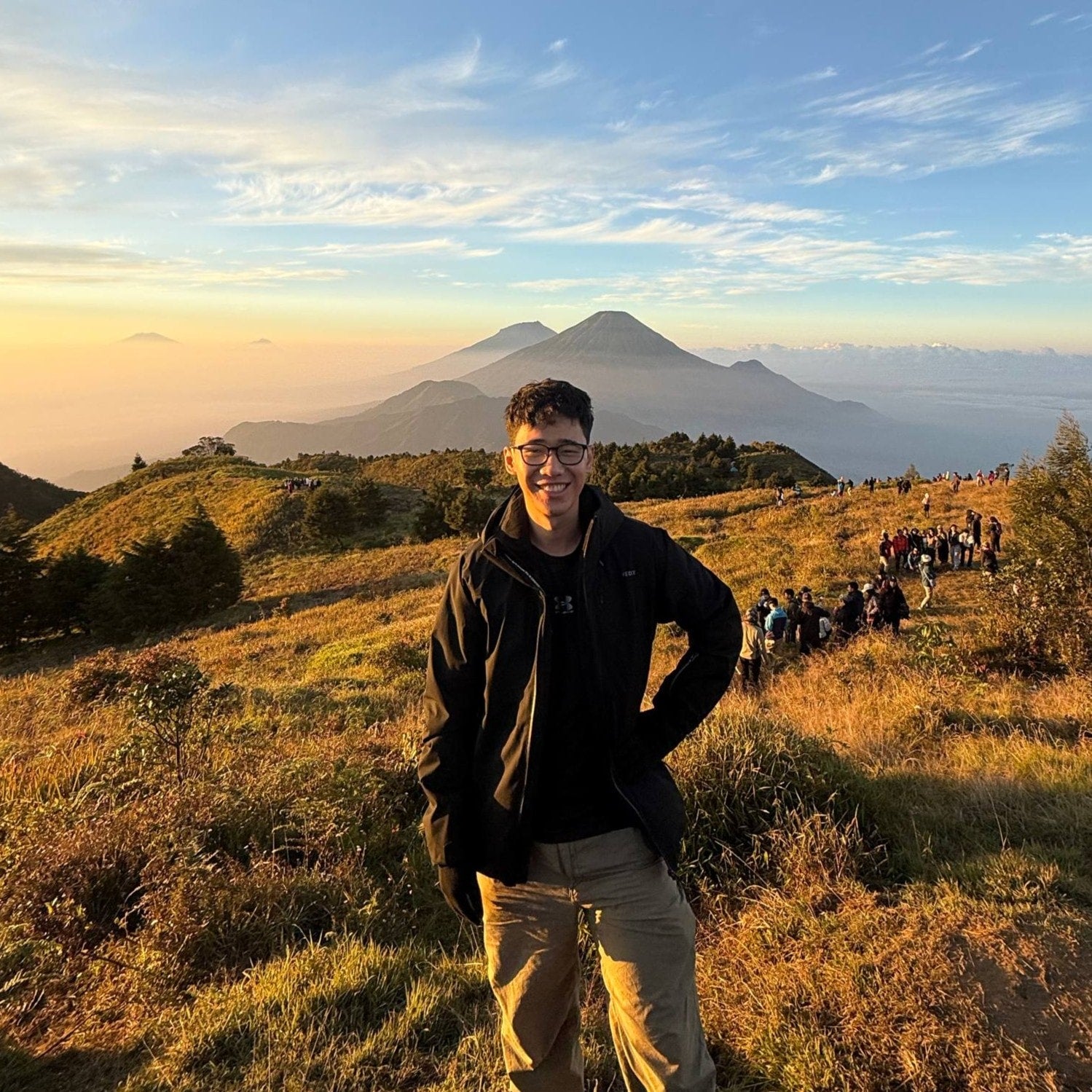
As an Operations (Data Science) intern at Superbank, Indonesia, his work focused on fraud detection, specifically account takeover cases.
The role quickly immersed him in high-stakes data work in a live banking environment. His responsibilities included exploratory data analysis on large-scale operational datasets and feature engineering across multiple variables such as behavioural anomalies, device mismatches and transactional irregularities – aimed at strengthening fraud detection systems.
In the early days of his internship, he faced his first technical challenge. Working with large datasets in Snowflake proved far more demanding than anything he had faced in his studies. Initial SQL scripts, written from a more theoretical perspective, quickly revealed their limitations. They were slow, inefficient and struggled under the weight of real-life data.
What followed was a process of relearning through iteration. Over time, Bernardino learned to break complex queries into modular components, rethink joins and design data pipelines with scalability in mind. “This significantly improved the performance and reliability of my scripts,” he says.
Another hurdle was less visible but equally demanding: operating in a fast-paced professional environment where technical discussions were dense and ideas exchanged quickly, with little room for pause. “I made a conscious effort to actively listen and ask clarifying questions. This helped me build confidence in contributing to conversations.”
That experience of rapid execution set the stage for the next step in his learning journey – one that pushed him beyond structured environments and into a world of ambiguity.
Building AI systems – without a playbook
“I chose India deliberately to step into unfamiliar terrain, particularly a startup ecosystem where problems are rarely defined clearly,” Bernardino says.
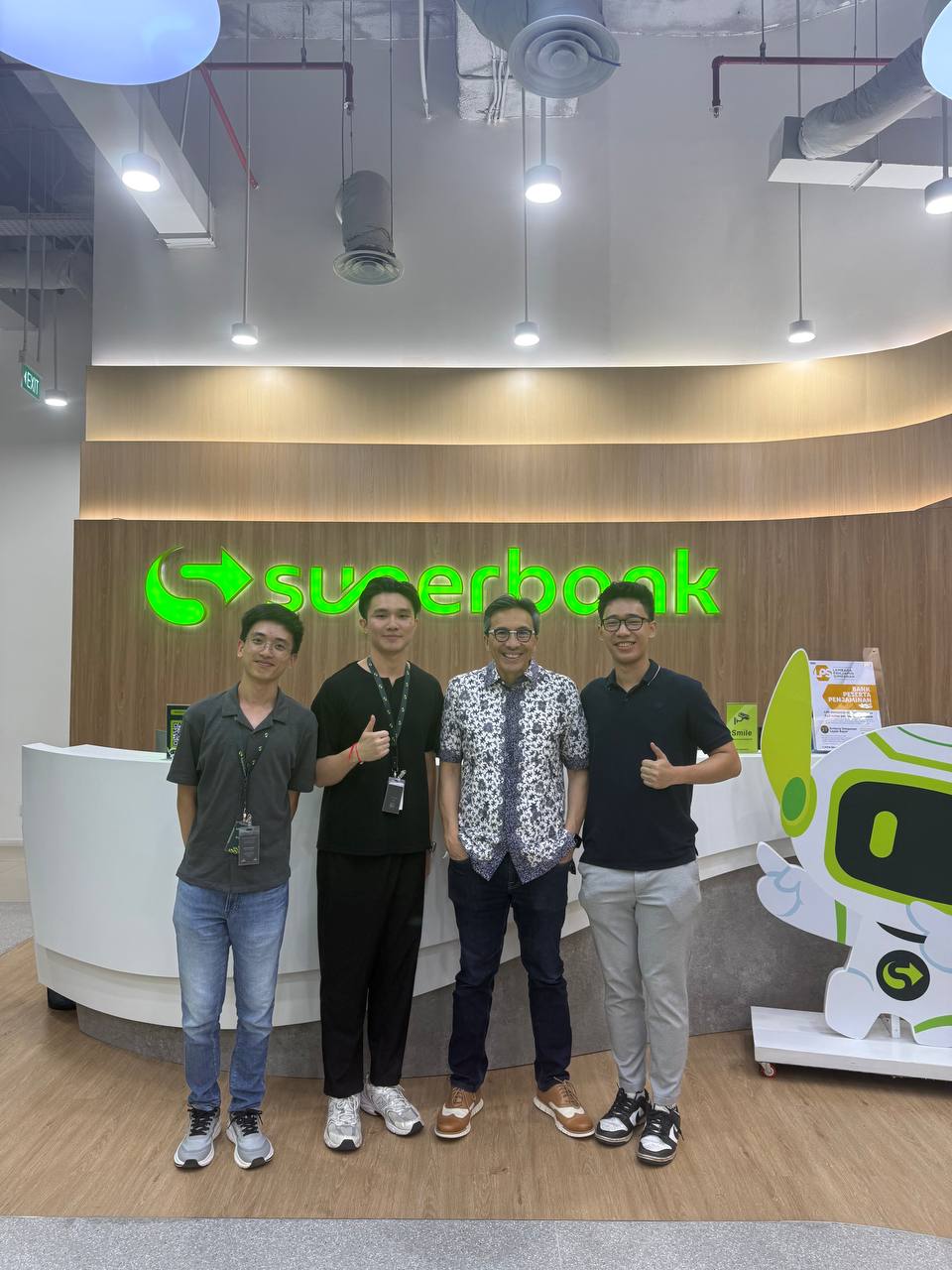
As an Entrepreneur-in-Residence in Chennai, he was tasked to design an AI-driven system to convert unstructured offer data into structured, production-ready datasets. Instead of working with defined task lists, this role required him not just to solve problems, but to define them.
The work at Crayon Data, an enterprise AI company, involved building large language model (LLM)-based workflows to process messy data, implementing validation logic, enforcing schema standards, designing data deduplication logic and ensuring relational integrity across datasets. The focus was not just functionality, but reliability.
In a setting that prioritises speed over perfection, Bernardino quickly learned that trying to perfect solutions before sharing progress was counterproductive. “I learned to prototype quickly, seek feedback early and iterate aggressively,” he says.
“This exposure to ambiguity significantly shaped how I approach technical problems today,” he adds. “I have learned to think and build like a founder, designing solutions from the ground up.”
Culture as a second classroom
Outside of work, both countries offered immersive cultural learning experiences that shaped his worldview in more ways than one.
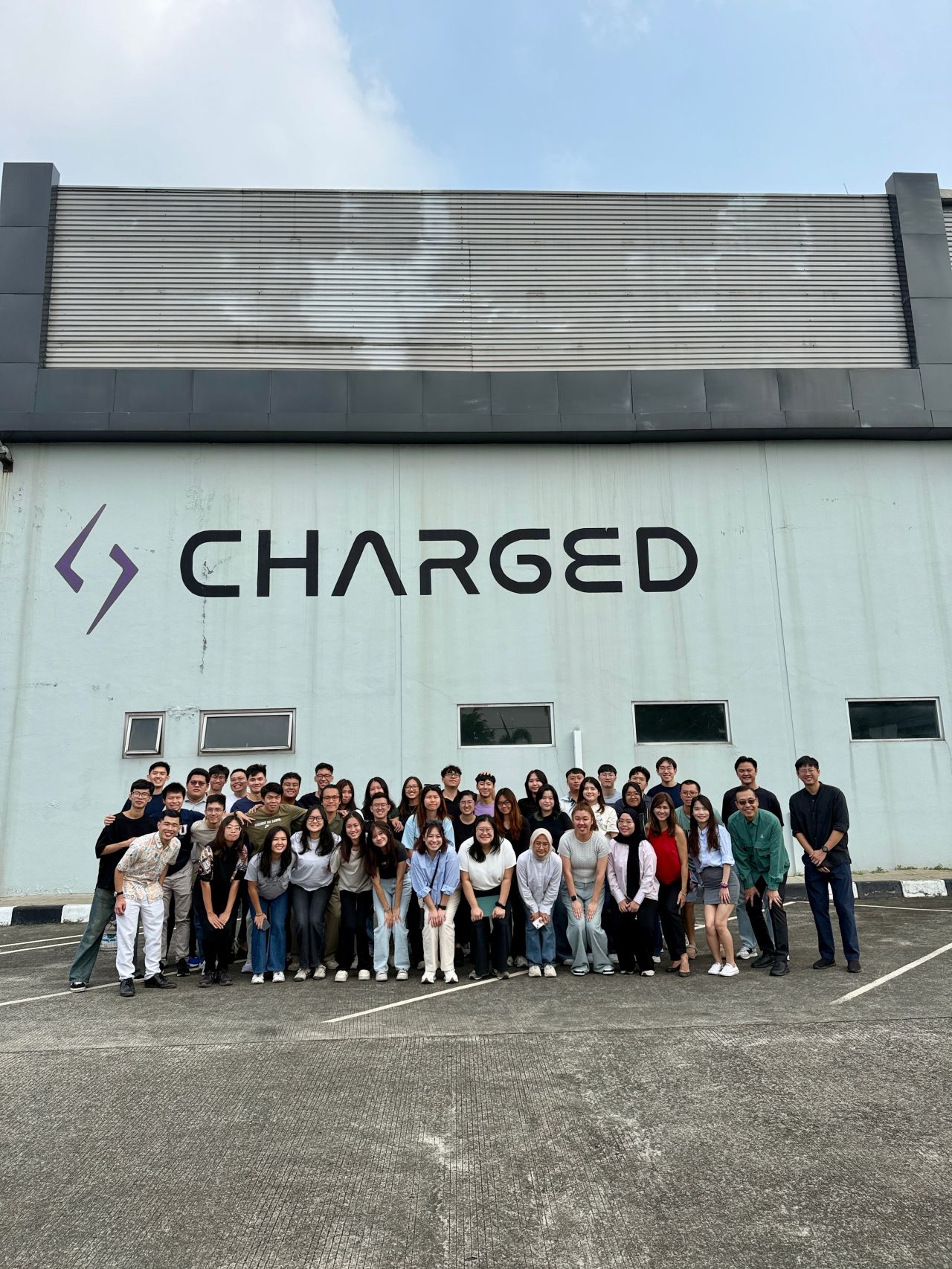
In Indonesia, visits to companies such as Charged Indonesia and Emtek and panel discussions gave him deeper insight into Jakarta’s fast-growing digital economy. Across sectors like financial technology, electronic vehicle mobility and media technology, he began to see how companies navigate the delicate balance between strategy, regulation and technological innovation.
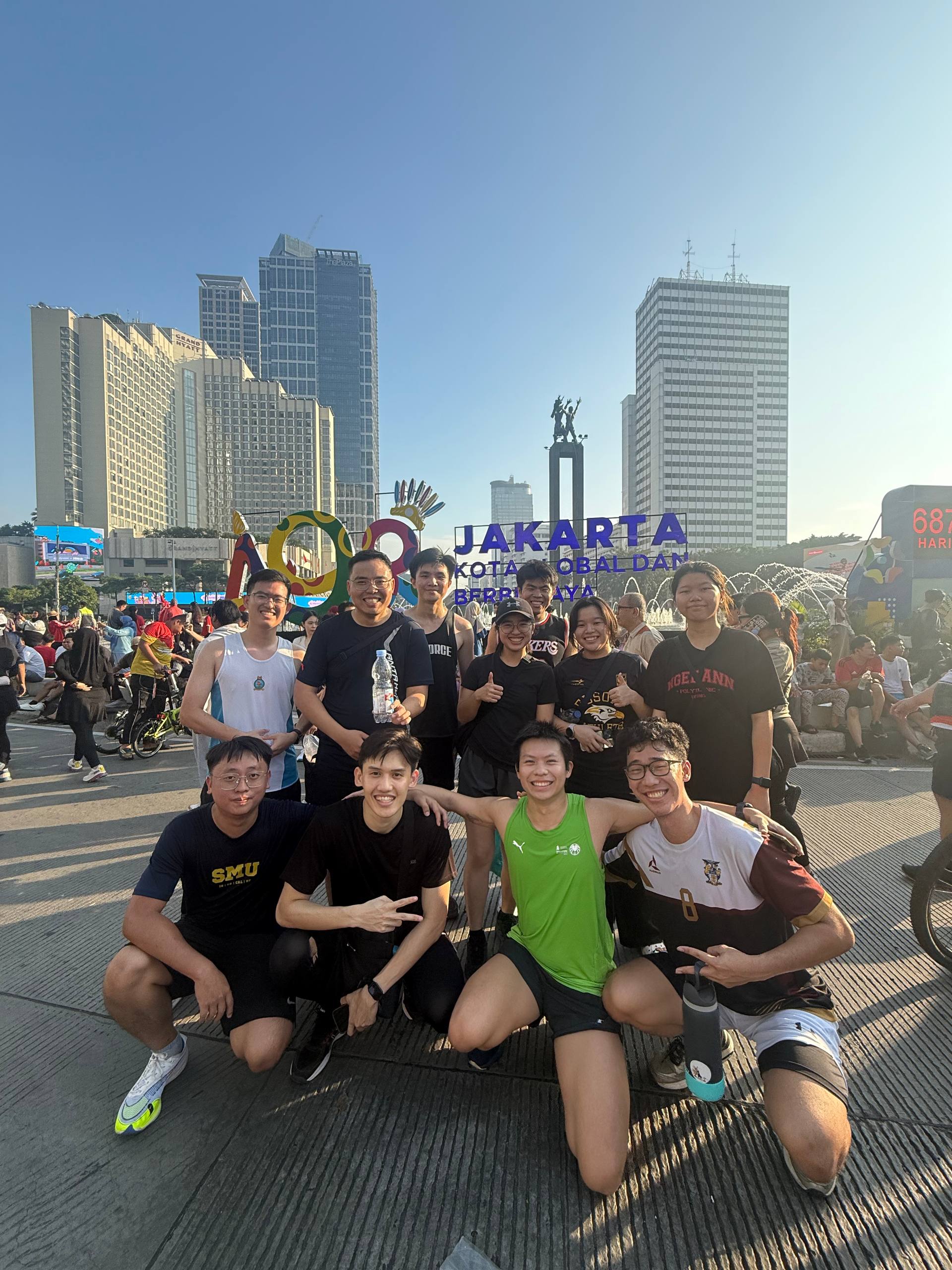
A visit to IPB University and participating in Jakarta’s Car Free Day further expanded that perspective. “It reminded me how diverse Indonesia is beyond Jakarta’s business districts,” He says.
In India, cultural immersion took a different form: temple visits, Tamil cinema screenings and experiencing daily life in Chennai. Watching long-format films with intermissions and active audience engagement revealed a more communal style of entertainment, “more like a shared celebration than a passive viewing experience.”
Weekend trips to Pondicherry and exposure to South Indian cuisine, from dosa to filter coffee and vegetarian meals, proved to be “another learning experience”, one of adapting to a very different dining culture.
 |
 |
Beyond technical skills
Across both internships, Bernardino’s reflections converge on one essential insight: technical capability alone is not enough at the workplace.
Feature engineering, SQL optimisation and data pipeline design are important, but equally crucial are communication, speed of execution and business acumen, he says.
“In India, speed and clarity are competitive advantages,” he says. “The ability to make decisions under uncertainty, ship quickly, iterate based on feedback and align technical solutions with business outcomes is what truly drives impact in startup environments.”
Another less visible skill proved just as important: the discipline of groundwork. Over time, he came to understand that sound decisions are rarely based on instinct, but on due diligence – taking the time to study industries and understand markets, and challenging assumptions before making decisions. And without familiar home routines to fall back on, living and working across different countries demanded that he adapt quickly, respond to change and keep moving.
Confidence did not arrive all at once. It built gradually, often in moments of discomfort – navigating unfamiliar environments, working through uncertainty and trusting that he would find a way through.
“These experiences expanded my cultural awareness and helped me understand how economic development, public policy, religion and community life shape society,” Bernardino says.
Looking ahead
Beyond code and models, what matters now is delivering work that translates into meaningful business impact. For Bernardino, his internships in Indonesia and India have not only sharpened his technical foundations but also clarified his future career directions.
After graduation, he plans to continue working on intelligent systems that operate autonomously in real-world environments, whether in financial automation or other high-impact domains.
“Ultimately, I hope to build impactful AI solutions that can scale across different markets and contexts, applying the adaptability and global perspective I developed during my internships,” he says.