Diversity is not a detour. It’s the path itself.
April 13, 2026
Beatrix Chen has never been comfortable choosing just one lane.
From her earliest years in school to her current studies at the College of Humanities and Sciences (CHS), her path has been deliberately, and sometimes bewilderingly diverse. Languages and theatre, data and design, social sciences and science, policy debates and choreography rehearsals all coexisted in a schedule that might seem messy and contradictory. To her, however, it feels natural.
“I’ve always had a ‘scientific brain’ and an ‘artistic soul,’” she says. “They pull at me in different directions – but that tension is exactly what helps me think more deeply.”
Beyond the single track
In junior high, Beatrix was part of a Language Special Programme while performing in drama and choir on the international stage. By senior high, she had entered the Humanities and Social Sciences Special Programme, conducting fieldwork on homelessness and ageing, and writing a thesis on educational stratification, all while pursuing a Science and Technology track .
It wasn’t a conventional combination. Nor was it accidental.
“I never really saw these as separate worlds,” she says. “Each field just gave me a different lens to understand the same society.”
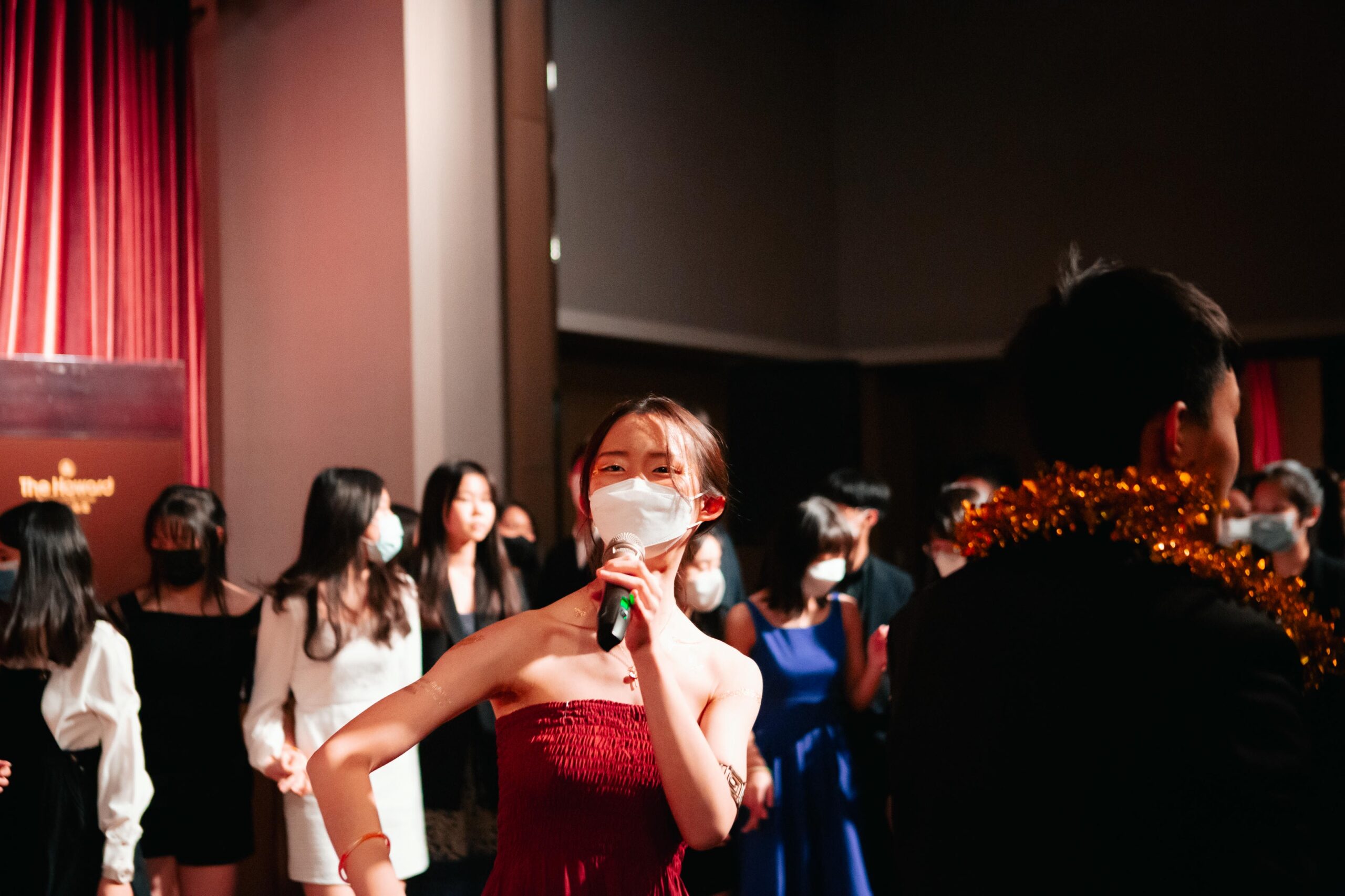
At CHS, that philosophy has taken on a more intentional structure.
Her academic pathway weaves together multiple components – Double Majors in Data Science and Analytics and Performing Arts, and a Minor in Artificial Intelligence (AI) – providing an academic structure that mirrors how she thinks, creates and solves problems.
Beatrix’s studies reflect that integration. Her research explores large language models (LLMs) and their applications in bibliographic research, especially in Traditional Chinese. At the same time, she pursues creative design projects in literary magazines and academic conferences.
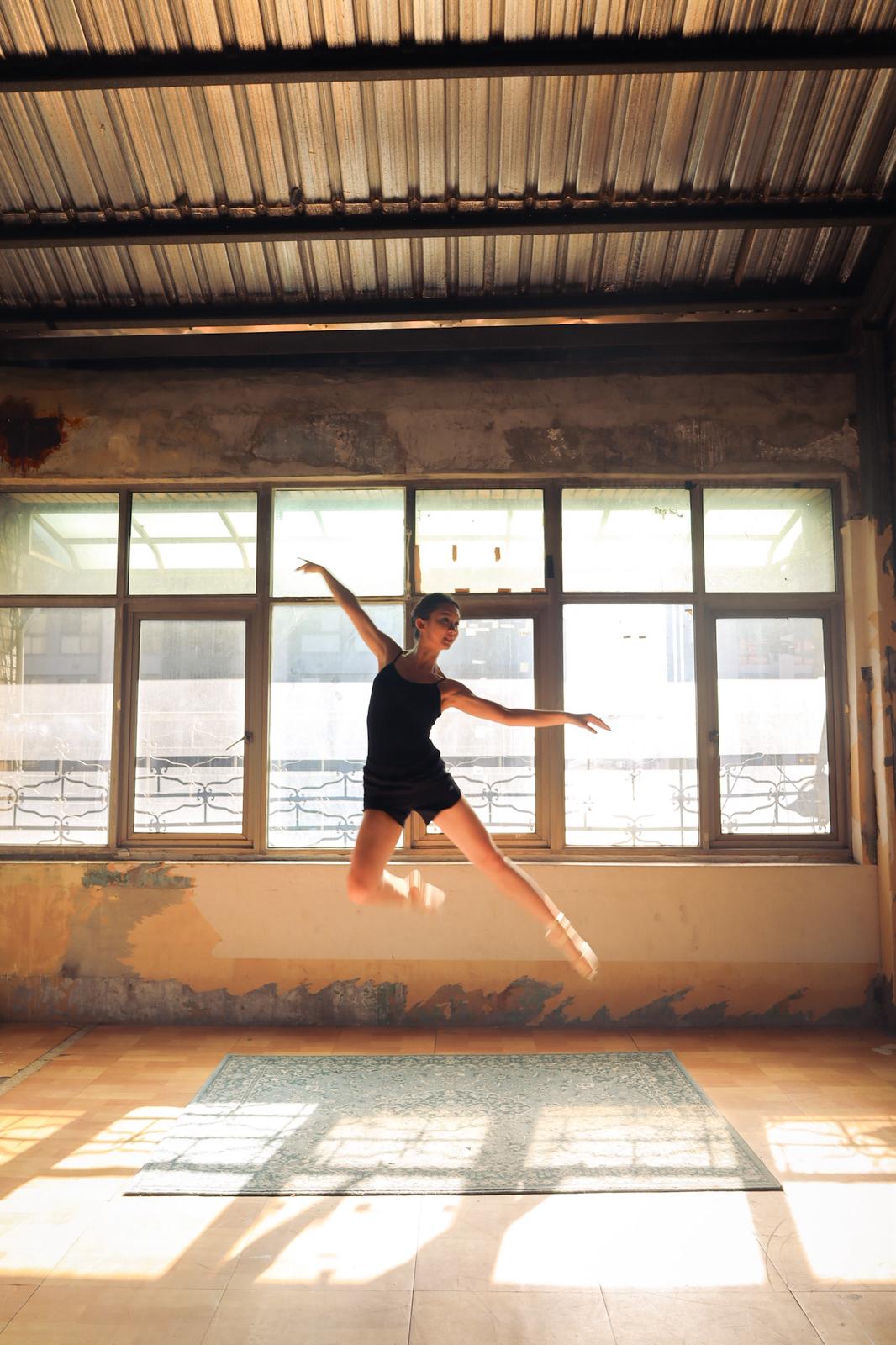
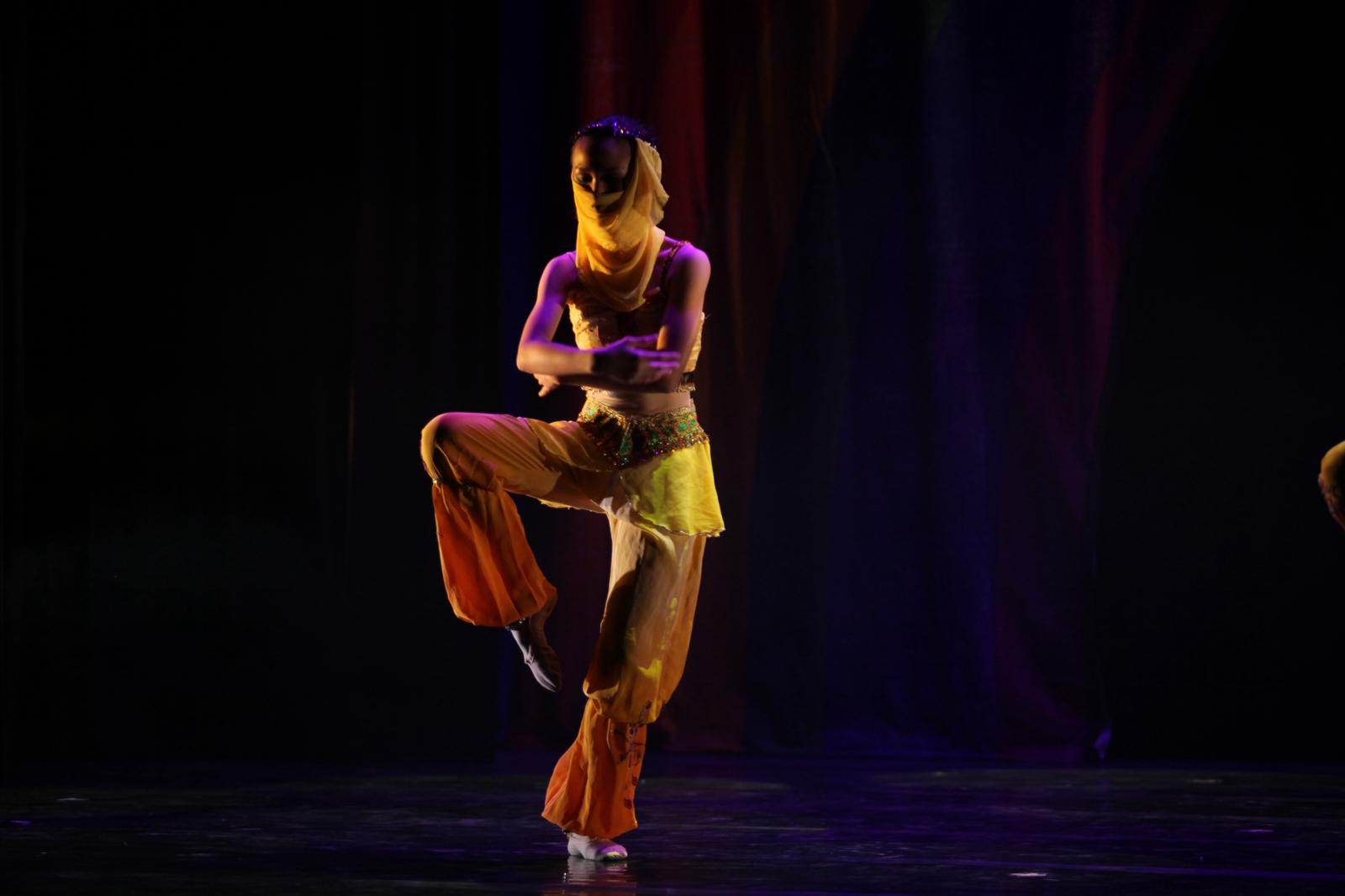
“The courses in my major give me the technical foundation to connect what I learn in class with what I explore in research,” she says. “Specialising in dance allows me to pursue something I love while gaining formal recognition for it.”
“There were moments of uncertainty,” she adds. “But I’ve learned that diversity is my strength. The knowledge becomes my hard skills; the experiences refine my soft skills. When different fields collide, that’s where I get to shape my identity and pathway in unique ways.”
Bangkok: Learning through immersion
That integration found new meaning when she travelled to Bangkok as part of NUS’ Study Trips for Engagement and EnRichment (STEER) immersive arts and cultural learning journey with the Chinese Dance and Chinese Orchestra groups.
For 10 days, the city became both classroom and stage.
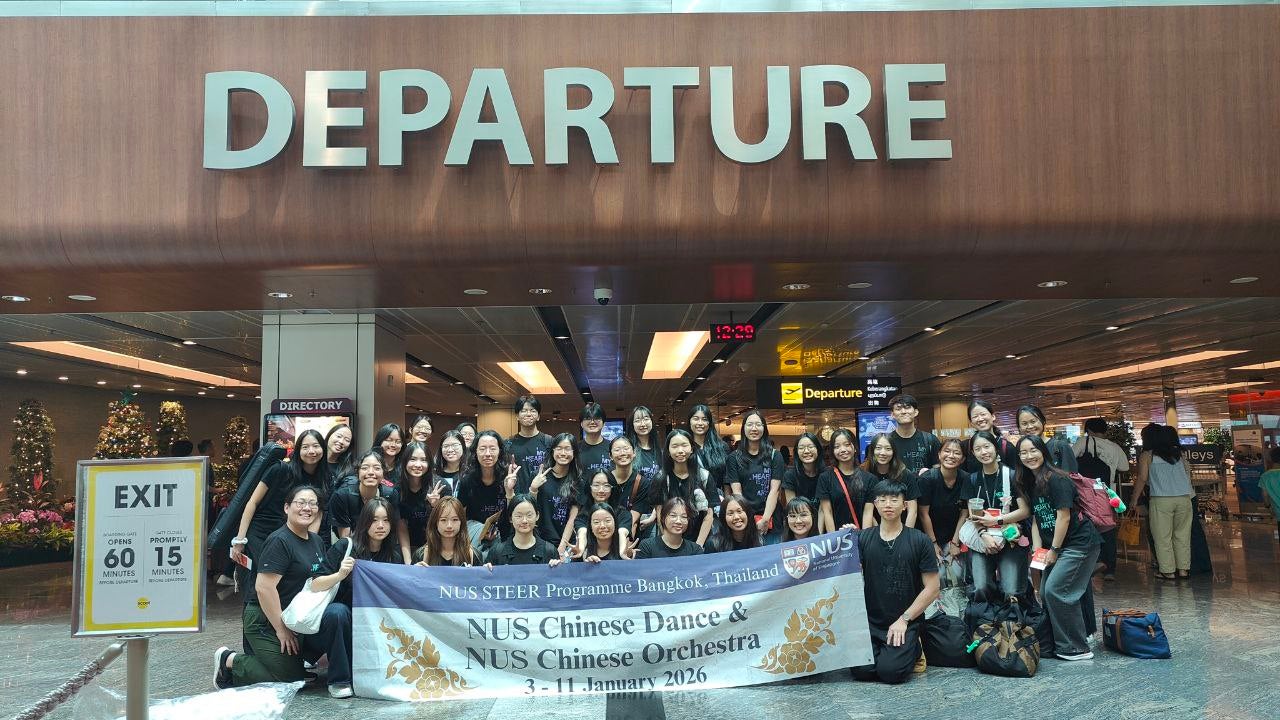
At institutions like the Bunditpatanasilpa Institute of Fine Arts, Chulalongkorn University and Kasetsart University, she and her peers learned traditional Thai dances, experimented with unfamiliar instruments and collaborated with local students in joint rehearsals that culminated in a final showcase. These encounters prompted her to reflect on how such cross-cultural experiences could inform fresh approaches to Chinese traditional arts in modern Singapore.
Other moments carried deeper resonance. Performing in traditional costume, engaging with Thai musicians and arts professionals, and visiting creative institutions showed her how heritage evolves in living, multicultural settings.
Bangkok itself became a source of inspiration.
The Bangkok Art and Culture Centre reminded her of her hometown, Taiwan, with its blend of professional exhibitions and independent artist spaces – proof that vibrant art ecosystems grow where creativity and community intertwine.
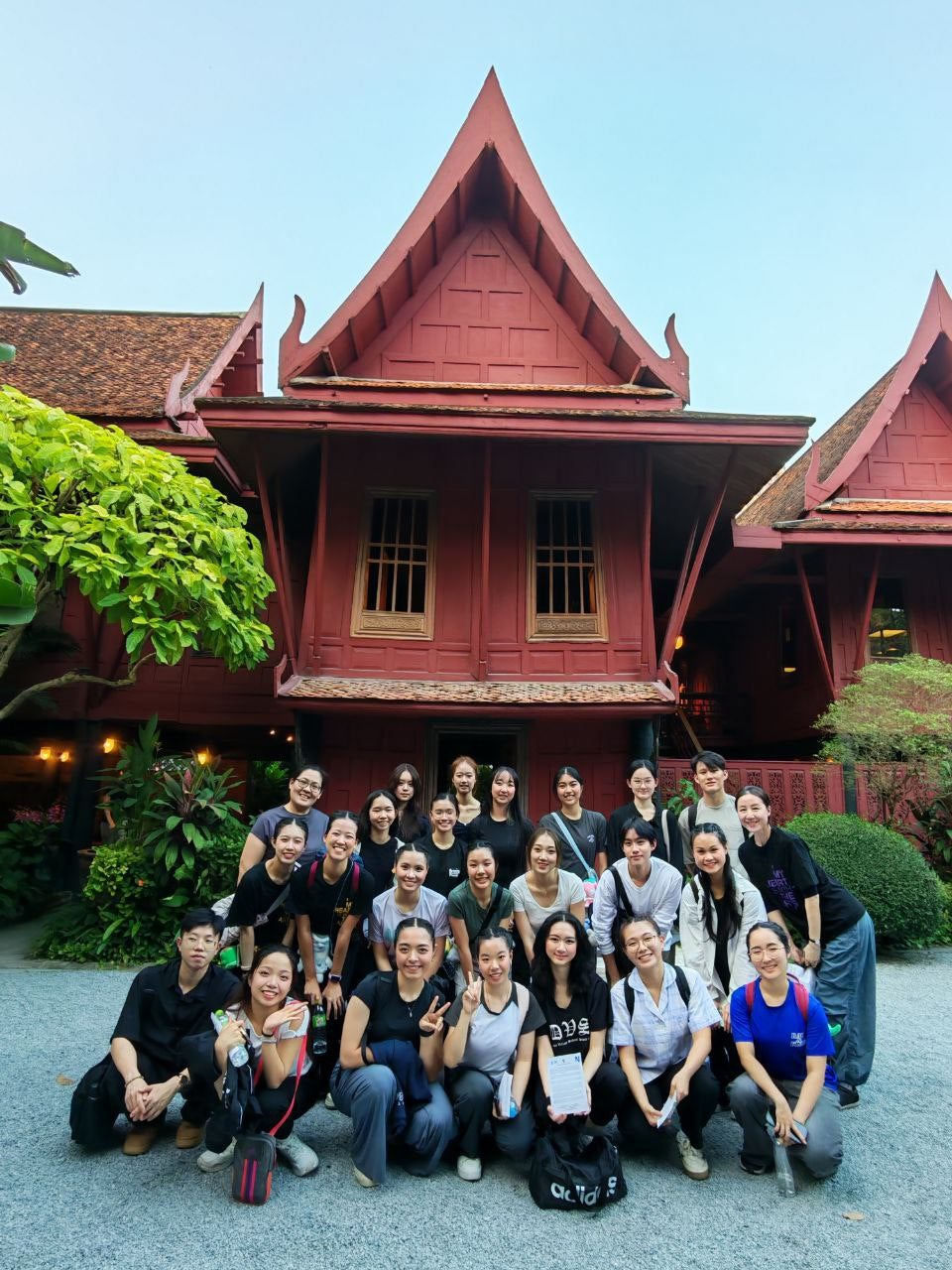
Industry visits further expanded her perspective. At the Pichet Klunchun Dance Company, one story struck a chord: its founder’s unconventional journey from science into professional dance. “That completely changed how I see things,” Beatrix says. “There isn’t just one ‘correct’ path. You can move between fields or combine them in meaningful ways.”
These experiences paved the way for her next endeavour: attending the American Dance Festival Summer Dance Intensive 2026 this coming summer as a merit-based scholarship recipient.
Embracing playfulness
If there is a single idea that ties her journey together, it is one she recently encountered in class: “embrace playfulness.”
For her, this is both philosophy and practice, a way of navigating complexity without losing curiosity.
“These experiences add vibrancy and colour to my life,” Beatrix says. “From applying computational methods to humanities research or bringing analytical thinking into the arts, these disciplines constantly remind me to avoid becoming too narrow in my worldview – and to stay humble.”
A space for many paths
The value of her interdisciplinary education, she explains, unfolds across three dimensions.
On a personal level, the diversity of her studies creates balance. Dance grounds her physically and emotionally, while academic work challenges her intellectually.
Academically, the interplay between fields strengthens her ability to think across boundaries and navigate unfamiliar environments, from research to cultural exchange. “I’m constantly translating ideas, from data to narrative, from movement to meaning.”
Professionally, she sees no contradiction between her many passions. From AI-generated art to initiatives like “Dance Your PhD,” (combining dance with scientific research), she points to a future shaped by those who can connect domains rather than remain within them.
While she is considering a career in actuarial science, she does not see this as a limiting choice.
“Your job does not define everything you do,” she says. “You can have multiple directions in your life. I’ll continue to sharpen my design skills, keep dancing and stay connected to the arts.”