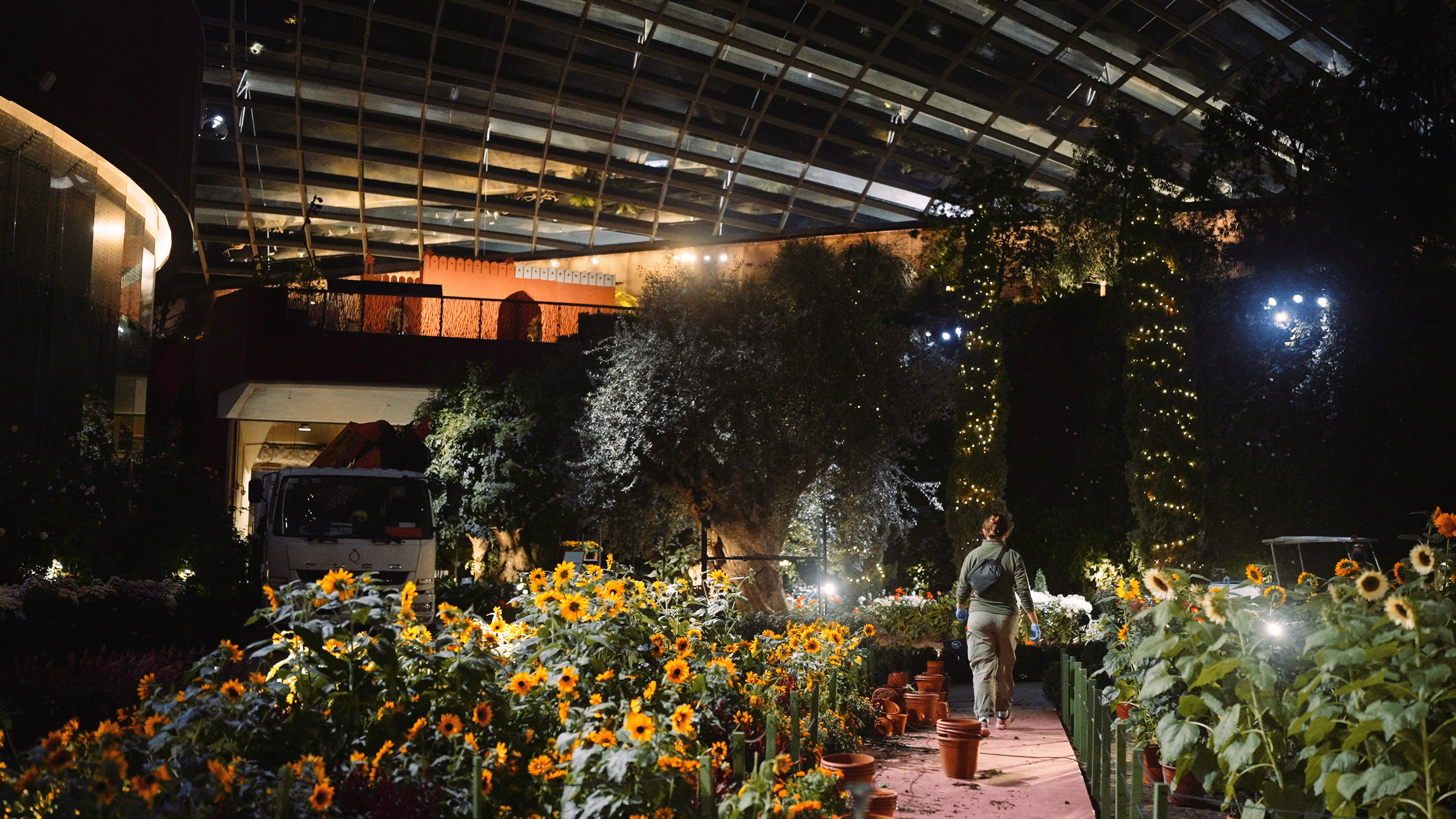

When passion takes root
May 05, 2026
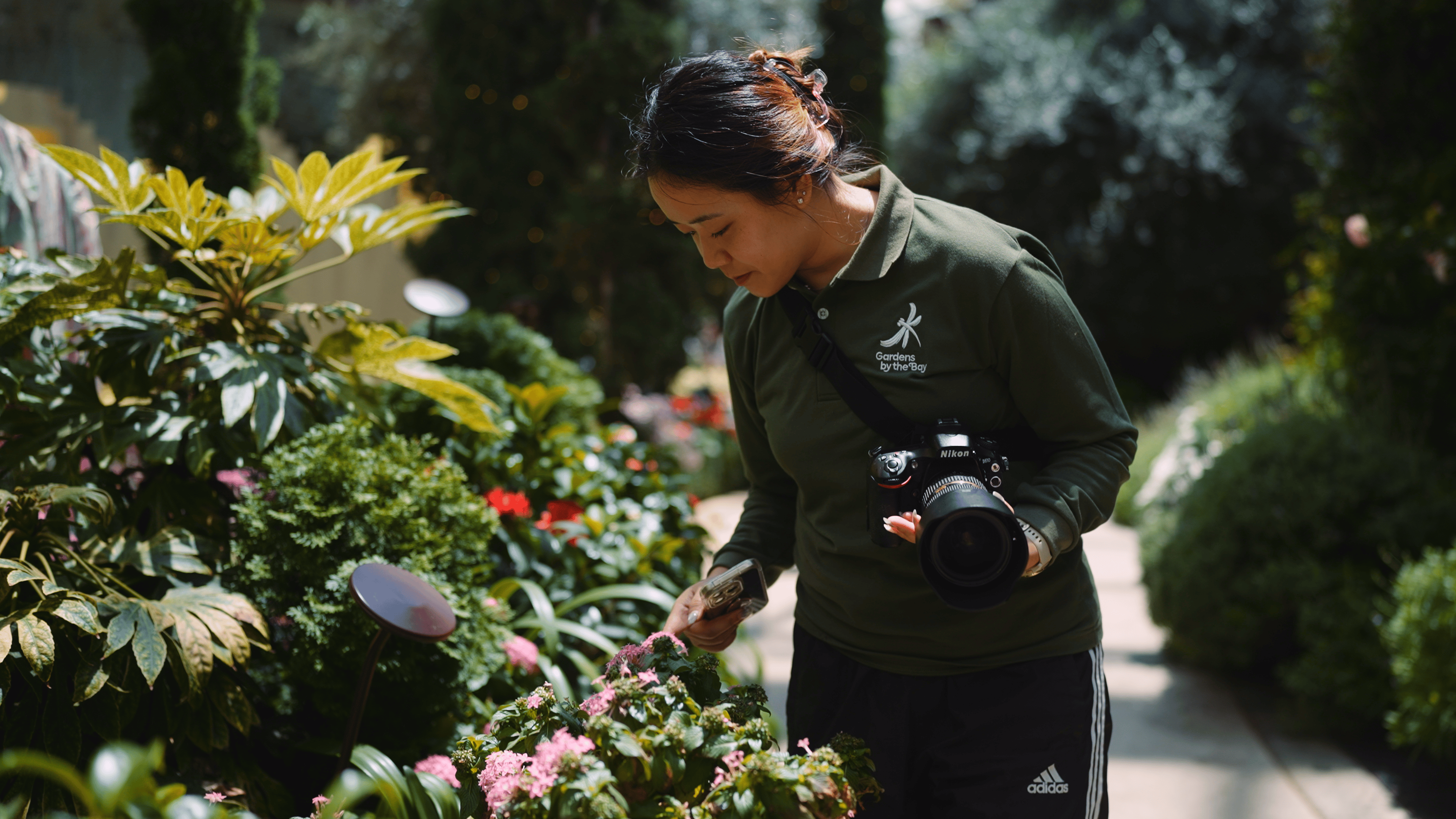
It began simply: hands in soil, fingers dusted with potting mix and completely at ease in the mess of it all. For alumnus Aristia Ho, who majored in Life Sciences and minored in Botany and Southeast Asian Studies, her joy in plants traces back to a childhood spent in her grandmother’s garden. These small moments grew with her, shaping a love for plants that would eventually take root in a career at Gardens by the Bay, where she now helps bring living landscapes to life.
Where does your love of plants come from?
I was fortunate to grow up in a very green environment: my grandmother’s house. I have many fond memories of her garden: sucking on ixora stems, harvesting bananas and rambutans, playing with blooming flowers. I also played at a nearby park daily. My favourite spot was a cosy bench under a canopy of lush Bauhinia, orange and fiery. These childhood memories laid the foundation for my love of all things green.
When did you realise this is what you wanted to do as a career?
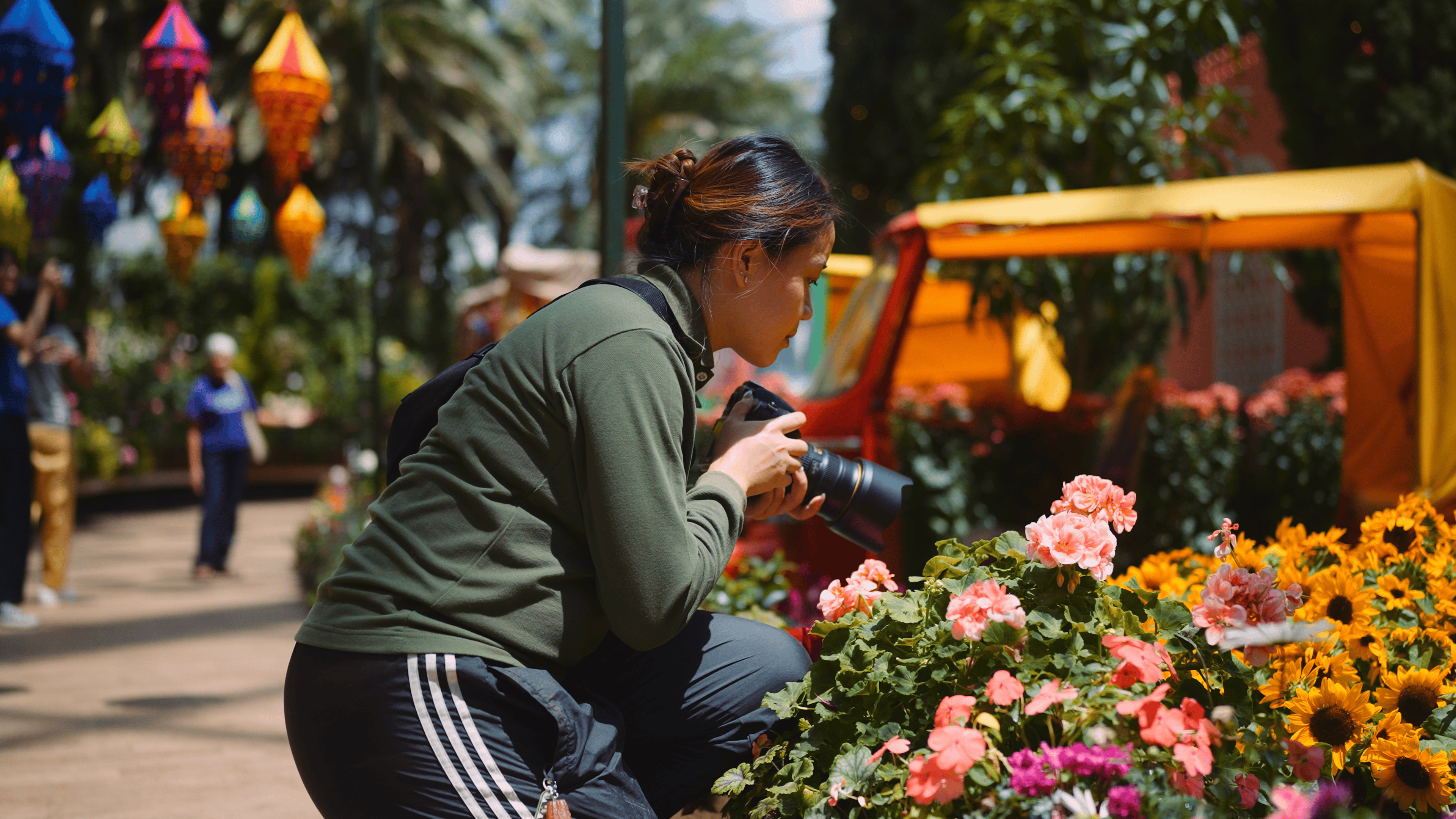
I like being active and doing unconventional things. I fell in love with plants in junior college and it was then that I realised this might just be my calling. But it was only when I worked at a local plant shop during my gap year when I realised how fulfilling this was. There, I had the privilege of sharing my knowledge with customers, teaching others about proper plant husbandry and instilling an appreciation of nature in fellow city-dwellers. This experience truly cemented my aspirations to pursue a career in this field.
 |
 |
How did your internships at GBTB help you transition into your full-time role?
Building connections with colleagues from various departments was invaluable. This early exposure cultivated a sense of belonging. Joining full-time felt more like a homecoming rather than a huge step to an unfamiliar world. These experiences gave me the space to develop workplace confidence and build communication skills in a supportive setting. I had the freedom to ask questions, learn from mistakes and better understand the organisational culture and operational flow, all of which helped me adapt gradually and organically to professional expectations. I also gained deeper appreciation for cross-departmental work and how important collaboration is to realising the magic of the Gardens.
I also gained hands-on exposure in practical horticulture and arboriculture in a way that went far beyond the classroom. Working at the Gardens allows me to apply theoretical knowledge to real-world landscapes. I gained technical skills in areas like plant taxonomy, floral design, maintenance protocols and even assisted with projects like plant breeding and trials – experiences that are rarely available to undergraduates.
Due to the unique plants and microclimates in GBTB, operations here are unlike any other place in the world. Horticulture is learned through hands-on work with plants and soil, not just theory.
How did your undergraduate education add value to your job?
My education equipped me with a strong foundation in plant biology and scientific thinking, all of which I draw on regularly in my current role. A deep understanding of plant physiology helps me make informed decisions on plant selections for displays, identify early signs of stress or disease and appreciate the nuanced needs of different species.
From troubleshooting to trying out new things, I rely on scientific skills such as hypothesis forming, identifying variables, collecting observations and implementing solutions. Science has taught me to approach challenges with curiosity, evidence and adaptability, traits which are essential when working with dynamic living systems that do not follow textbooks.
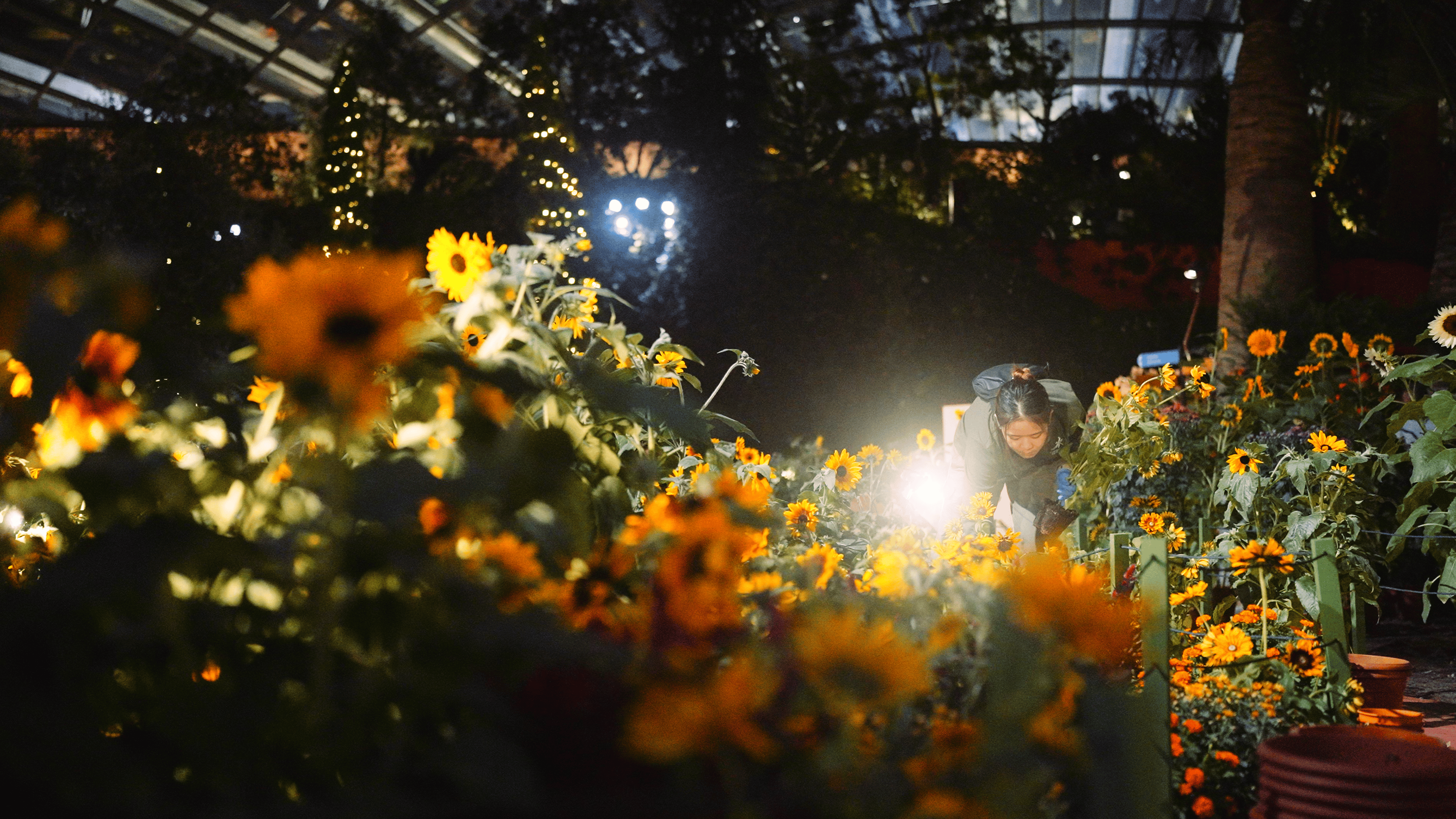
The College of Humanities and Sciences’ interdisciplinary training gave me greater appreciation for display curation in the Flower Dome, where we seek to marry horticultural excellence with quality visitor experiences. This manifests through using plants to represent certain aesthetic ideals, festivals, countries, etc.
What is a meaningful project you’ve worked on as a full-time employee?
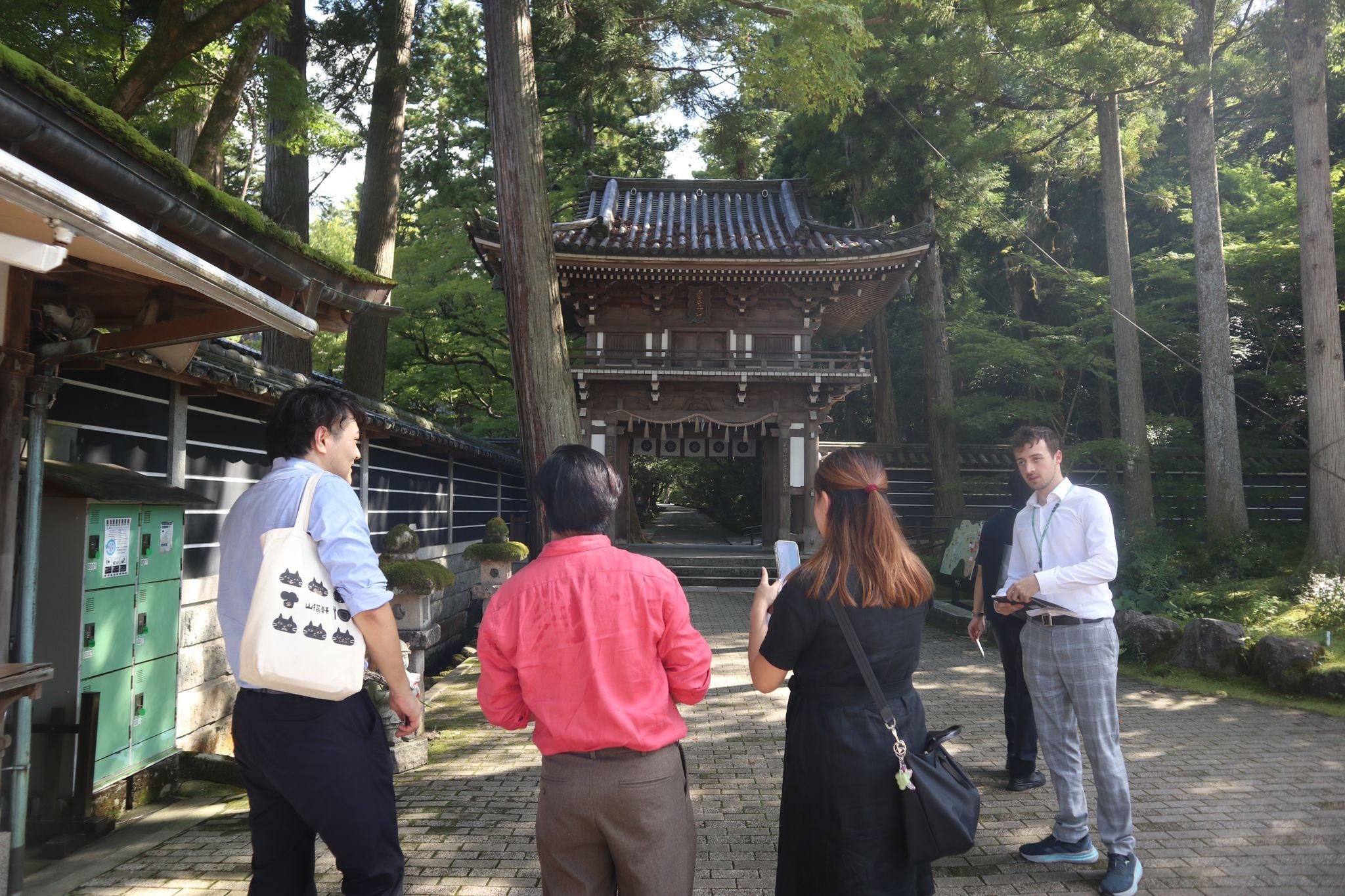
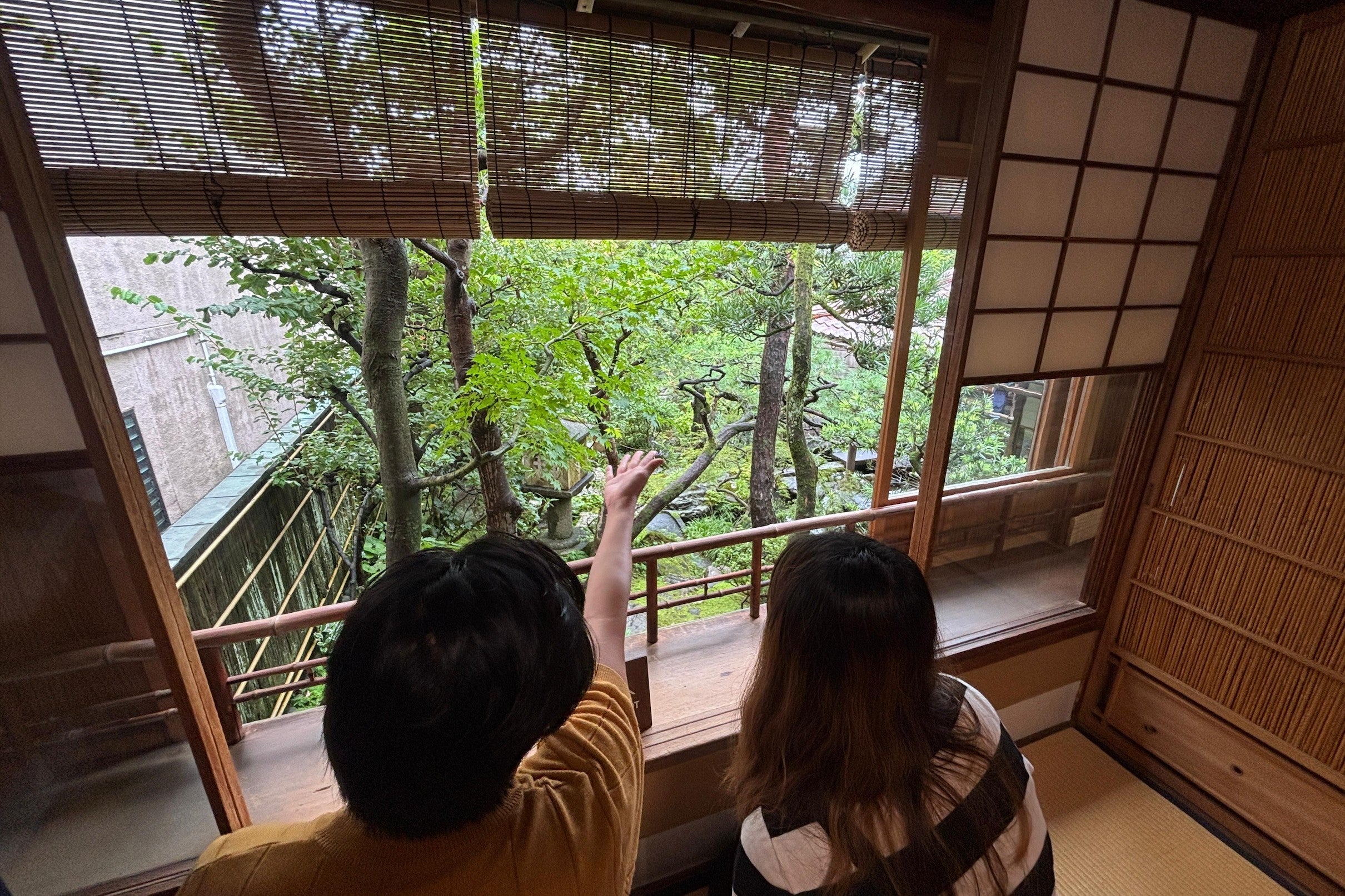
I was involved in a study trip to Ishikawa, Japan, in preparation for our Sakura show in 2026. There, we visited gorgeous gardens and historic districts, learned about and sourced authentic crafts and deepened our partnerships with our Japanese collaborators. This trip brought together cultural immersion, horticultural research and international collaboration – all in service of creating an authentic and impactful visitor experience. It was a rare chance to contribute to the creative development process behind one of our most iconic floral displays and to shape how we interpret and honour Japanese traditions for our shows.
 |
 |
What are some challenges on the job and how do you address them?
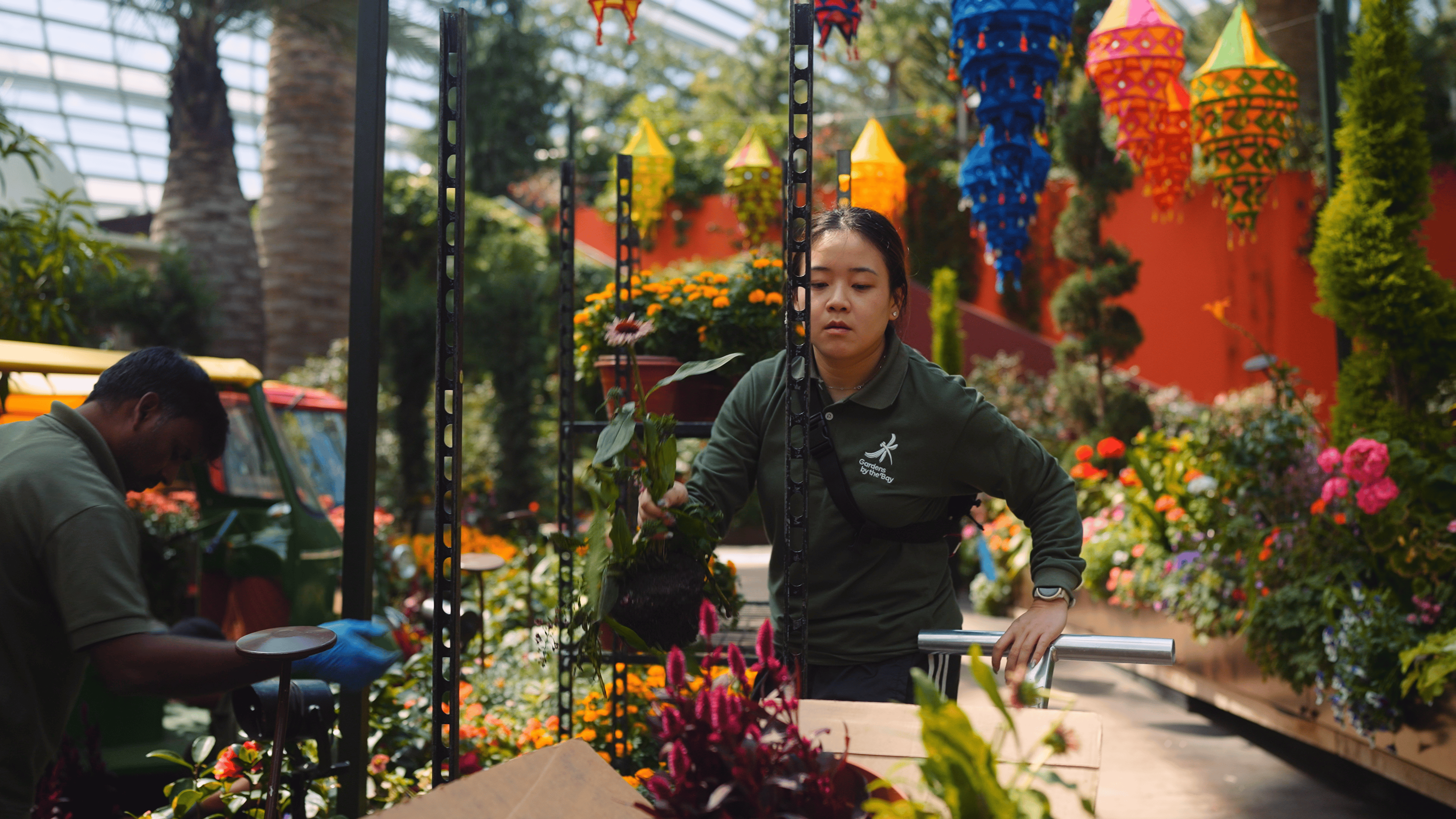
Living things are inherently unpredictable. Plants are no exception. They may fail to bloom on schedule, pests may ravage them and environmental factors constantly shift. These uncertainties require us to stay observant, adaptable and resourceful in our problem-solving. To manage such challenges, my colleagues and I draw on various sources of strength: deep understanding of the plant material available, solid relations with our external partners and aesthetic principles.
How about the rewards of your job?
When I meet someone outside of work and they tell me how much the Gardens means to them and their family, these are standout moments for me. Someone I met told me they have a family annual pass and bring their grandma to see Tulipmania annually, as tulips is her favourite flower. This reminds me of the significance the Gardens has to many Singaporeans, something I may forget when I get caught up in the business of life.
Some days, seeing a particularly striking flower is enough to stop me in my tracks and make me remember why I love it all in the first place.
Contributed by Aristia Ho, Life Sciences alumnus (Class of 2025)