Making waves
April 30, 2026
A defining experience
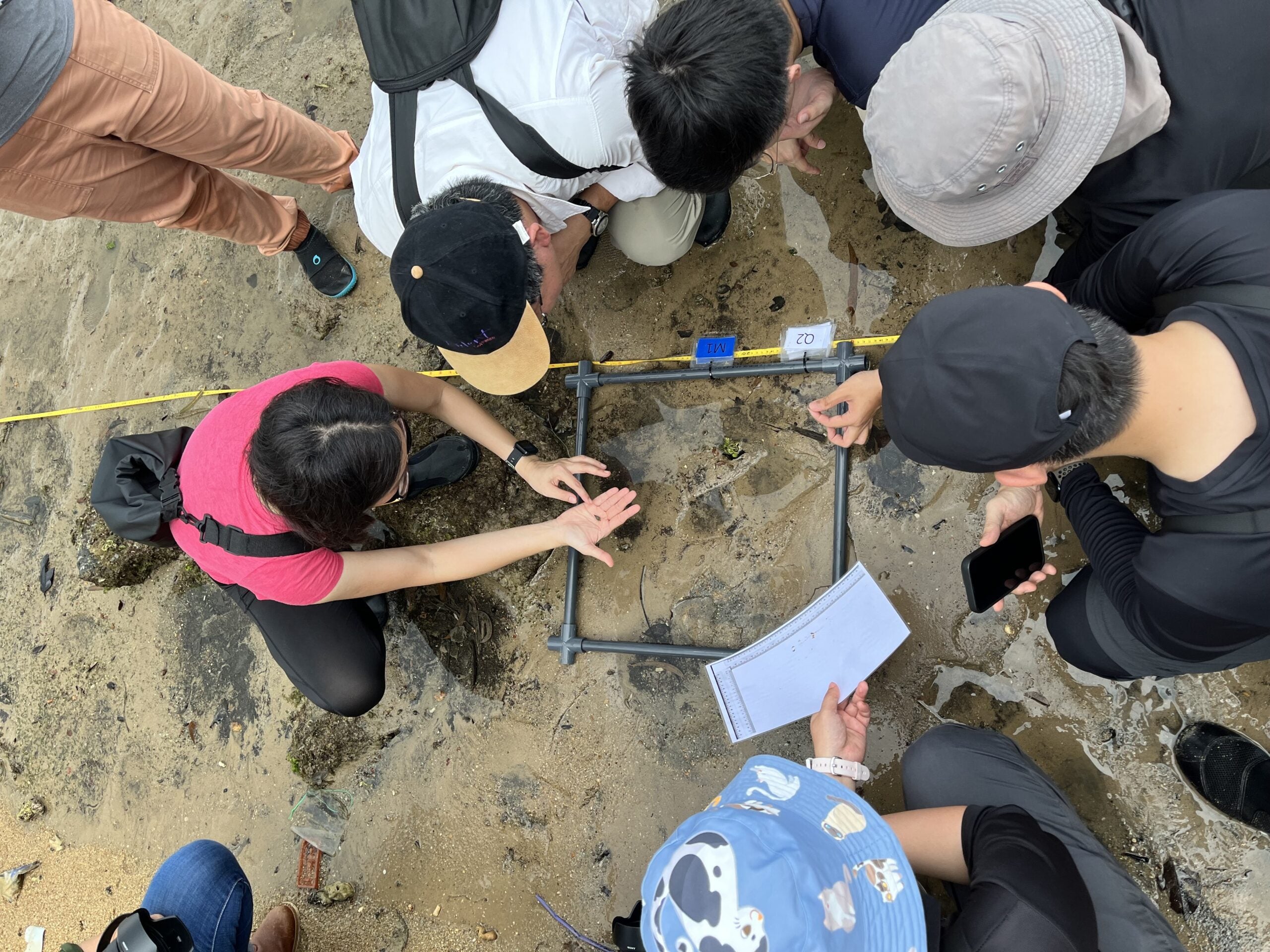
University opened doors she did not know existed. A Life Sciences course took her to Labrador Park, which gave her the first exposure to environmental science and local native biodiversity. Field trips took her far beyond the classroom, to the coastlines of Costa Rica and the waters of Tioman. These experiences did more than spark her curiosity in the environment – they anchored a sense of purpose.
Scientific exploration and marine biology became the direction she wanted her career to take.
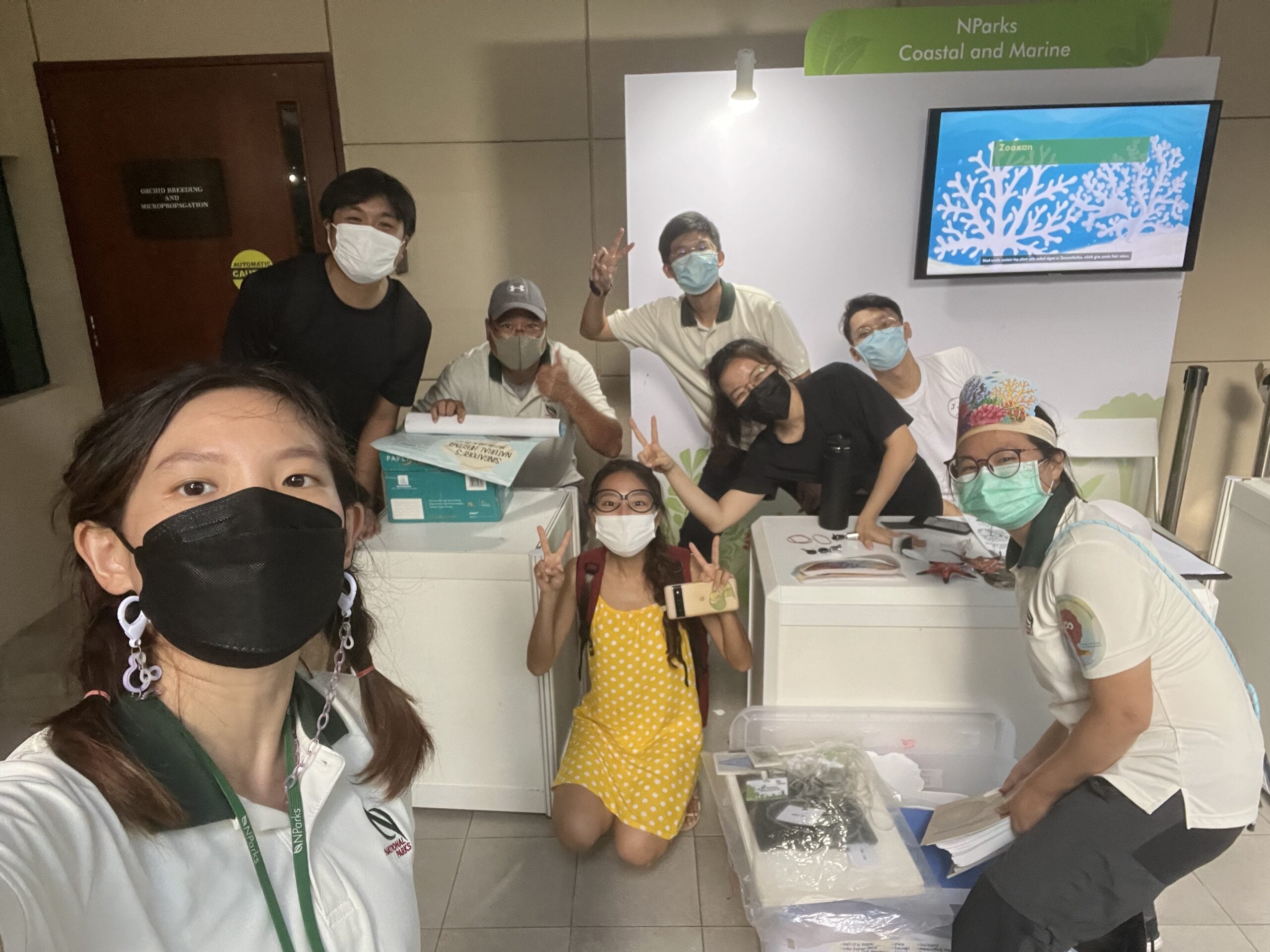
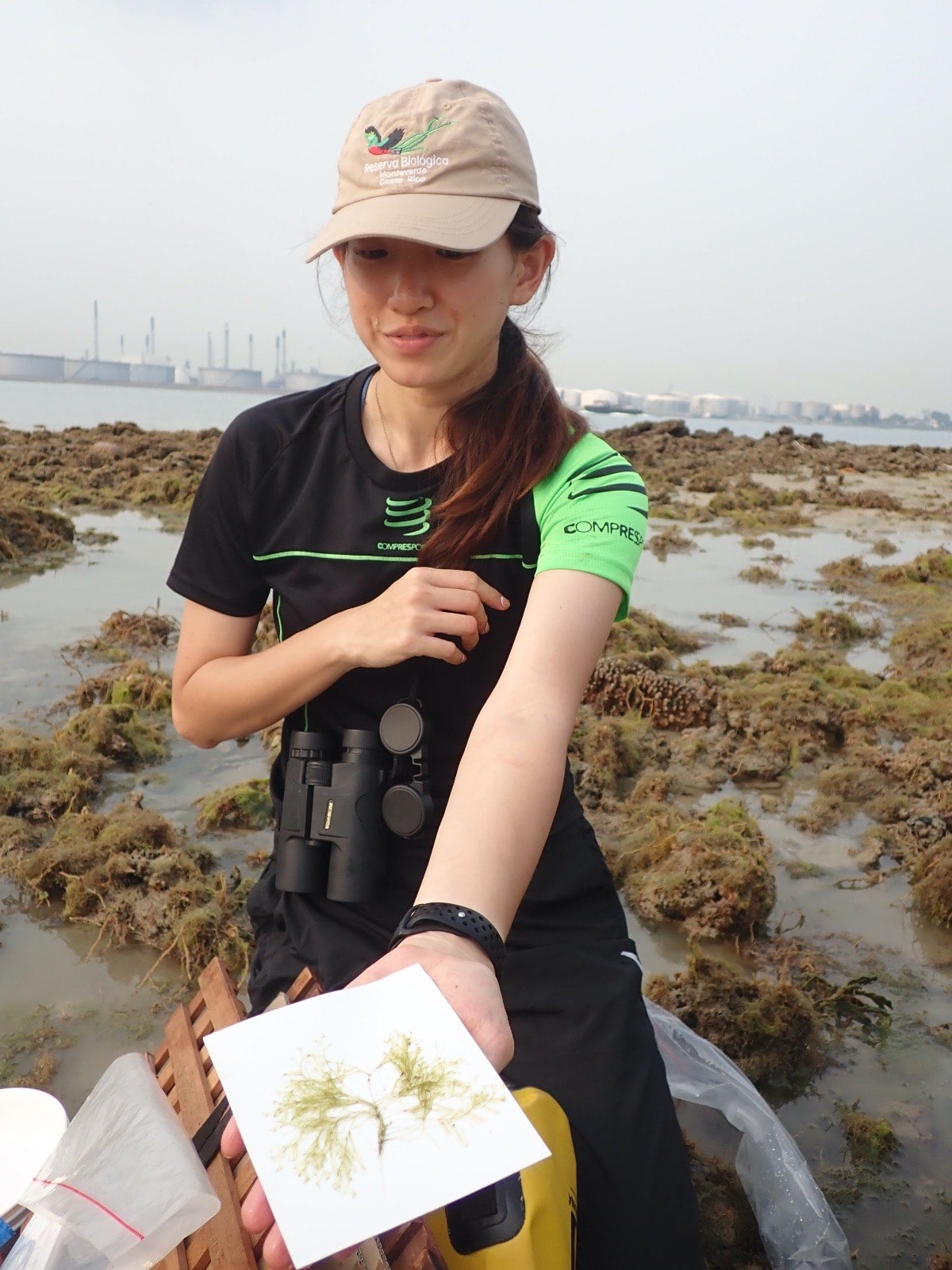
Back in Singapore, Kelly pursued diving certifications, eventually attaining Advanced Open Water level. She also spent over a decade volunteering as a marine guide with the National Parks Board, each experience deepening her connection to the marine world.
A foundation rooted in science
She credits her academic training for preparing her well. “My education instilled in me analytical and problem-solving skills,” she says. These became some of her strongest assets. From reviewing scientific literature to assessing conservation proposals, she approaches her work with a discerning eye and a questioning mindset – grounding decisions in data and evidence.
Her pathway was not a linear one. Bound by a scholarship, she began her career as a biology teacher. The classroom offered stability and purpose, but over time, she felt the pull to return to the field.
This led her back to university, where she pursued a master’s degree in environmental management. There, she began to connect the dots across different domains – linking ecological science with policy, management and real-world impact.
Reframing her contributions
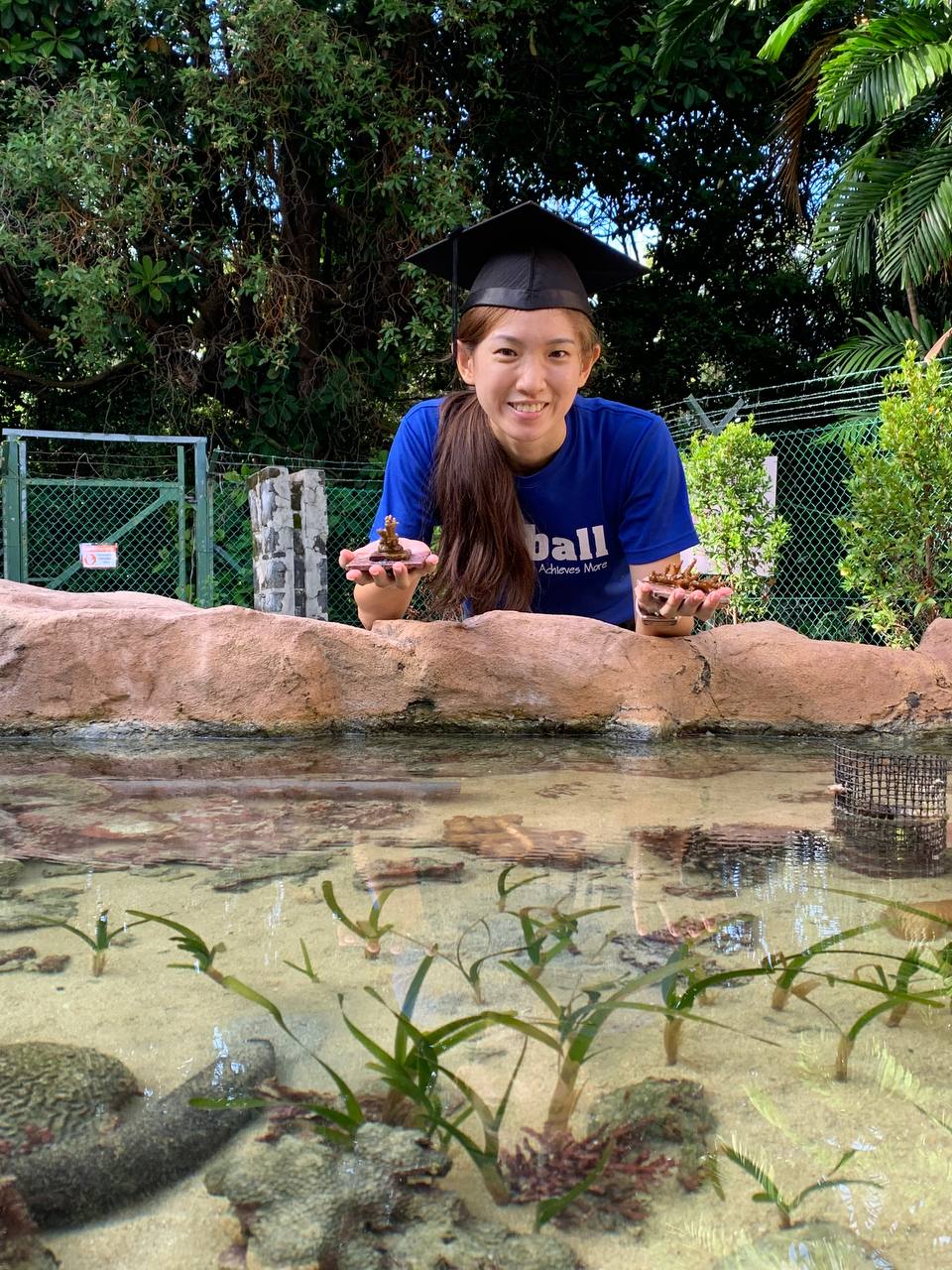
Her next step took her into the field as a biologist, working with agencies and organisations on marine projects. Over time, however, she discovered that she could contribute not only through research but also by shaping which projects receive funding support – and ultimately, which ideas came to life.
“Many marine projects have social impacts as well and I wanted to address this,” Kelly says. “That’s what drew me into the philanthropic space.”
She adds, “In marine biology and in philanthropy, I’m using the same lens and the same type of knowledge to apply to my work.”
Science with impact
Today, as an Associate Director at Temasek Foundation, Kelly’s work sits at the intersection of marine science and philanthropy. She leads ocean-focused initiatives – sourcing and evaluating marine conservation programmes and working with scientific partners to direct funding where it can achieve the greatest impact.
But her role also demands a broader perspective, spanning finance, policy and international frameworks that shape global conservation efforts. “Environmental work does not exist in isolation but within a constantly shifting global context,” she says.
Looking ahead, Kelly sees herself continuing to grow within this evolving landscape – deepening her understanding of international agreements and guidelines, while staying firmly rooted in science.
“This keeps the work very exciting and dynamic for me,” she says.
 |
 |