
Bold young minds
August 04, 2026Every scientific breakthrough begins with a question – and sometimes, that question is asked by an undergraduate. The Outstanding Undergraduate Researcher Prize (OURP) (2025 / 2026) recognises the courage and promise of our young researchers who are already shaping the future of science. Congratulations to our winners!
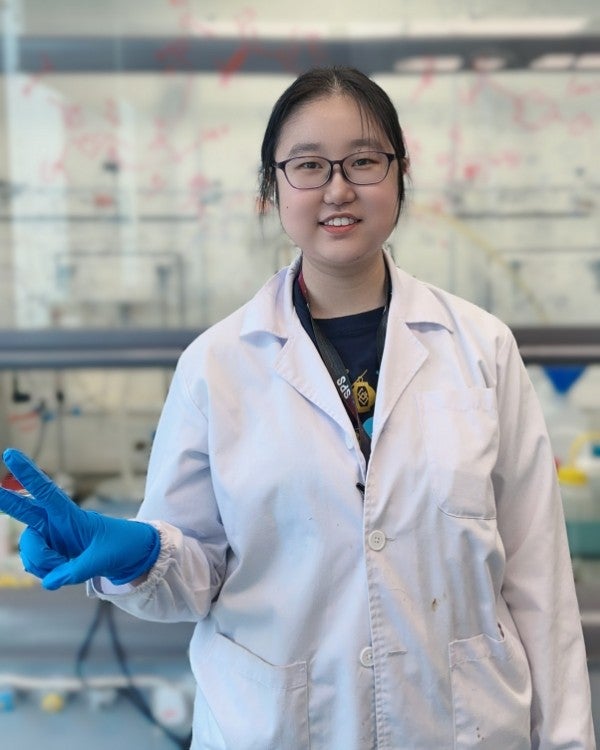
Li Yihan, Year 4, Double Majors in Chemistry and Life Sciences
“Organic chemistry is intellectually rewarding. It feels like solving a complex puzzle.”
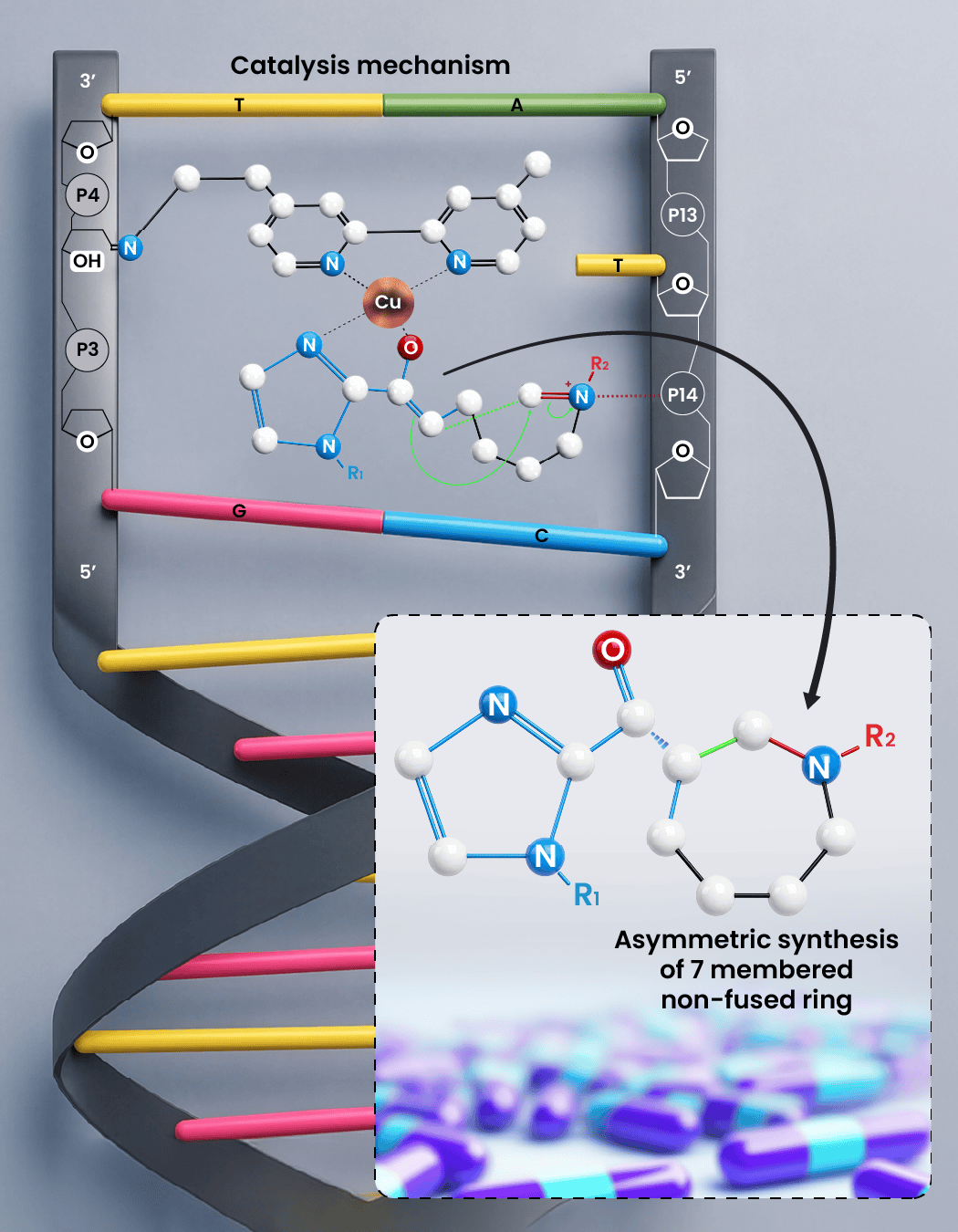
Many medicines are built around complex molecular structures that are difficult to make using conventional methods. Producing them is often a lengthy, inefficient process that generates unwanted by-products. Even the slightest difference in a molecule’s 3D structure can determine if a drug works as intended – or at all.
To tackle this challenge, Yihan turned to DNA as a catalyst, developing a more efficient way to synthesise these complex molecular structures for pharmaceutical research. Her work lays the groundwork for designing more powerful DNA catalysts that could one day be scaled up for industrial drug manufacturing, advancing the development of future medicines.
 |
 |
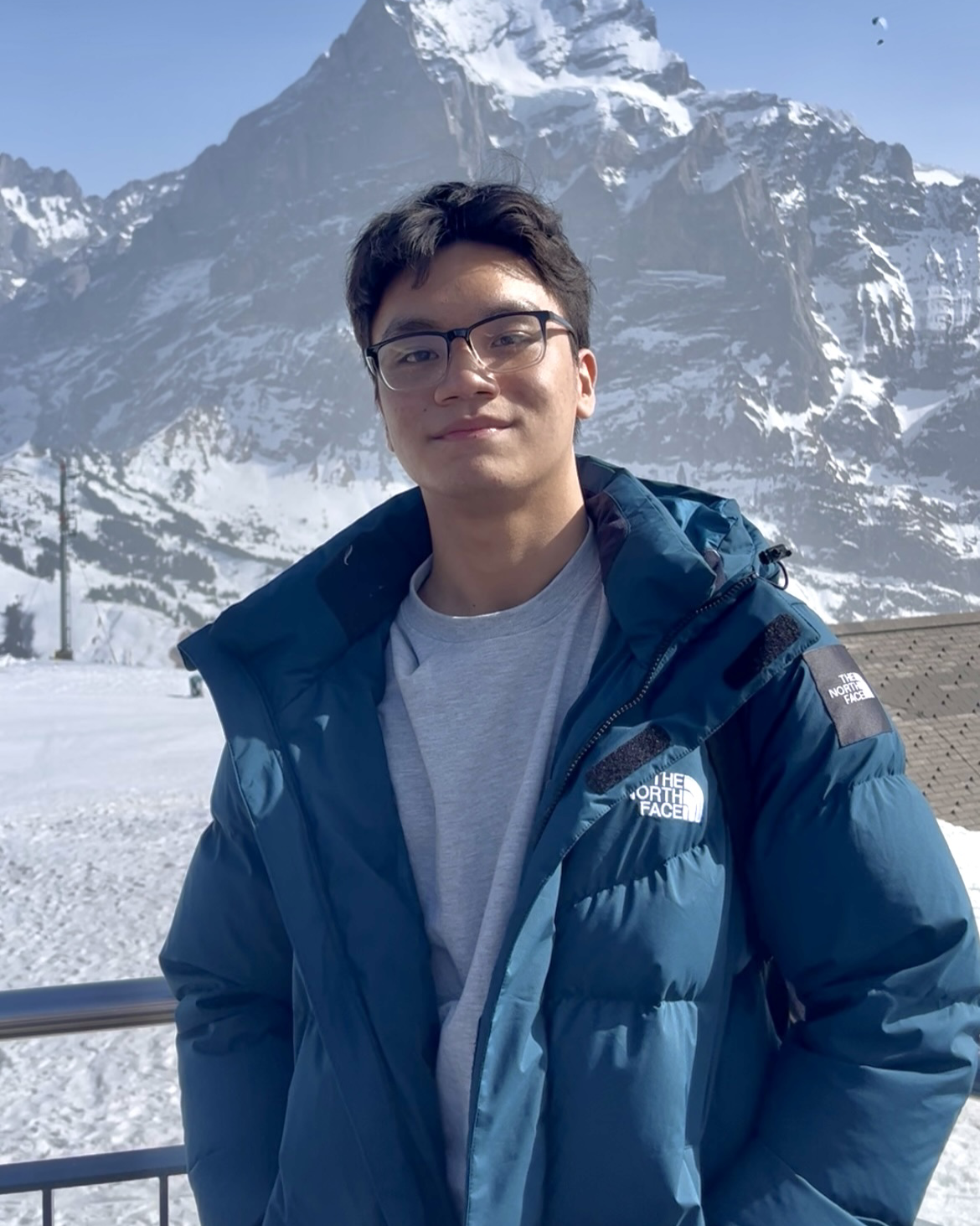
Do Trong Phuoc Nguyen, Year 3, Major in Life Sciences, Minors in Bioinformatics and Computer Science
“This experience strongly shaped the way I think and approach challenges in both research and life.”
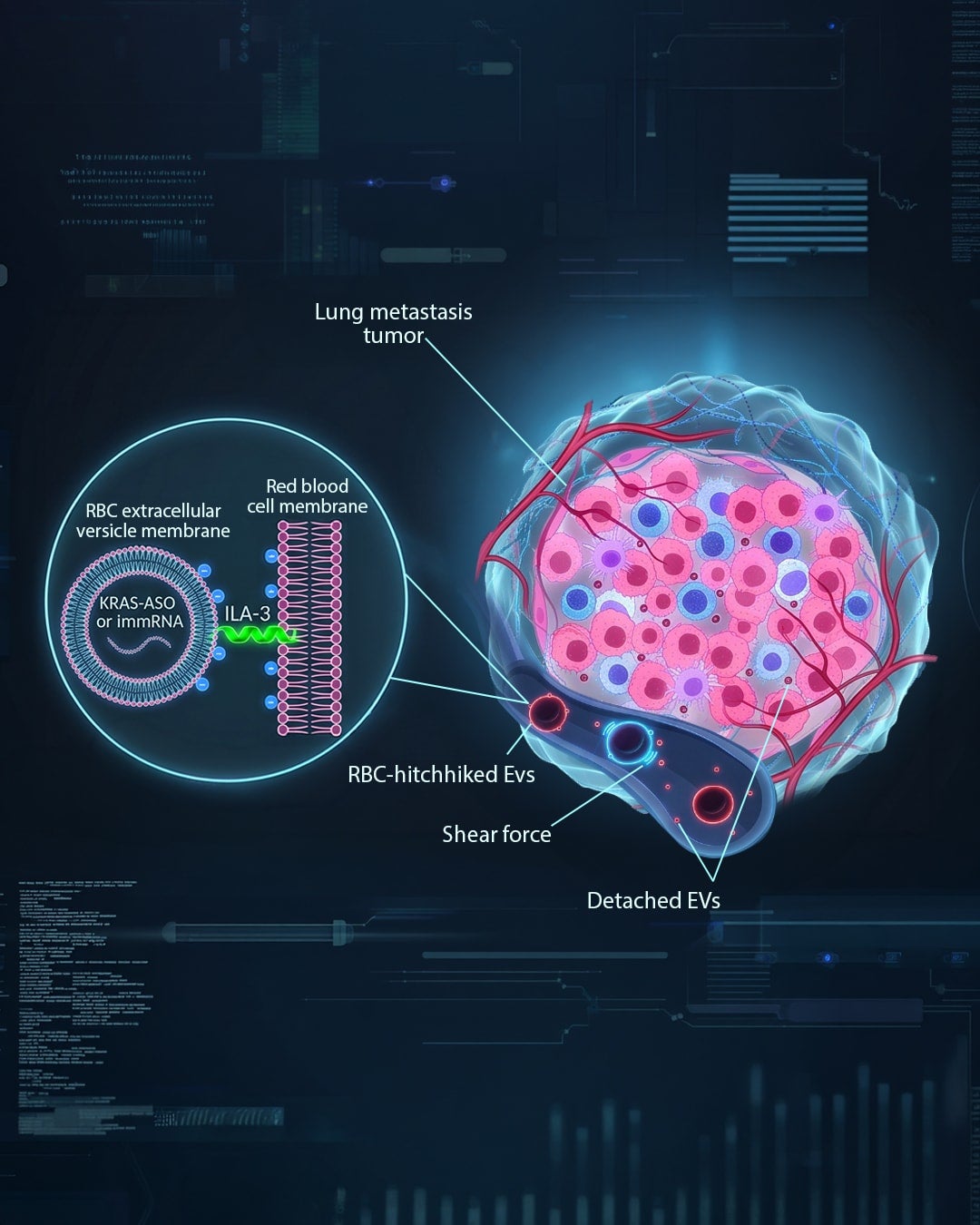
Treating lung cancer is often a delicate balancing act – drugs potent enough to destroy tumours can also damage healthy tissue.
Seeking a safer, more precise way to deliver cancer drugs, Nguyen Do looked to one of the body’s own transport systems: red blood cells. By engineering them to carry treatment “packages” directly to the lungs with a specially designed peptide, he developed a method that both suppresses tumour growth and activates the immune system to fight cancer. Beyond lung cancer, the same strategy could be adapted to target other organs, opening new possibilities for precision therapy.
 |
 |
Aaryan Aggarwal, Year 3, Double Majors in Mathematics and Computing, Minor in Political Science
“Many of the decisions I made in my academic journey were motivated by my interest in problem-solving and mathematics.”
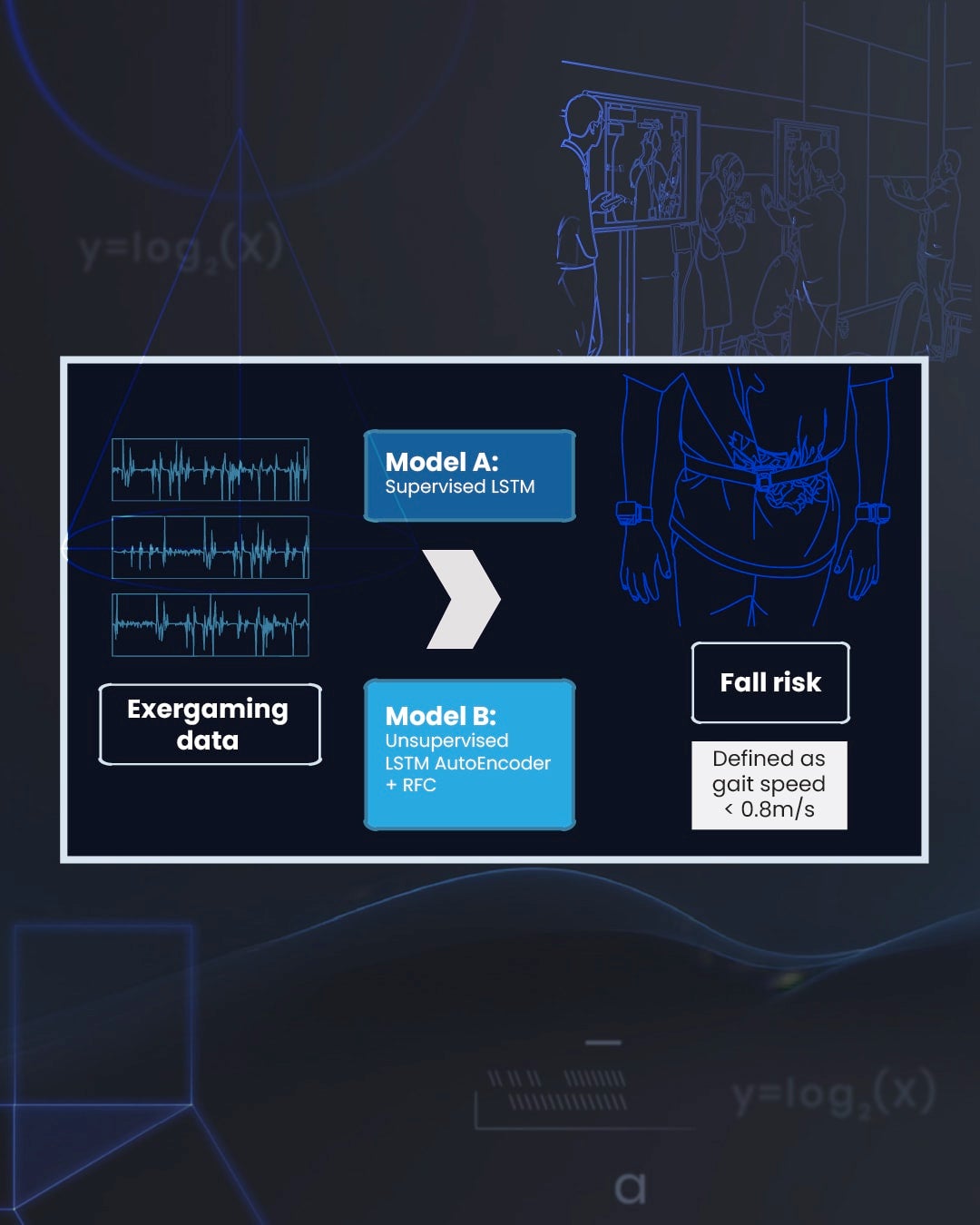
As populations age, there is a pressing need for affordable and accessible ways to monitor physical health beyond the clinic. Aaryan explores whether movements made during interactive exercise games could reveal early signs of declining balance and mobility in the elderly. By combining wearable motion sensors with artificial intelligence, his model detects subtle gait and movement patterns to predict a person’s risk of falling from gameplay alone – making it possible to identify those who need support sooner.
His work could pave the way for game-based health screenings that prevent life-changing falls before they happen – helping more seniors stay active, independent and healthier for longer.
 |
 |
Zhai Weiting, Year 4, Major in Pharmaceutical Science
“There is an urgent need for more effective, less toxic treatments for TNBC. This drives my passion to contribute to a solution.”
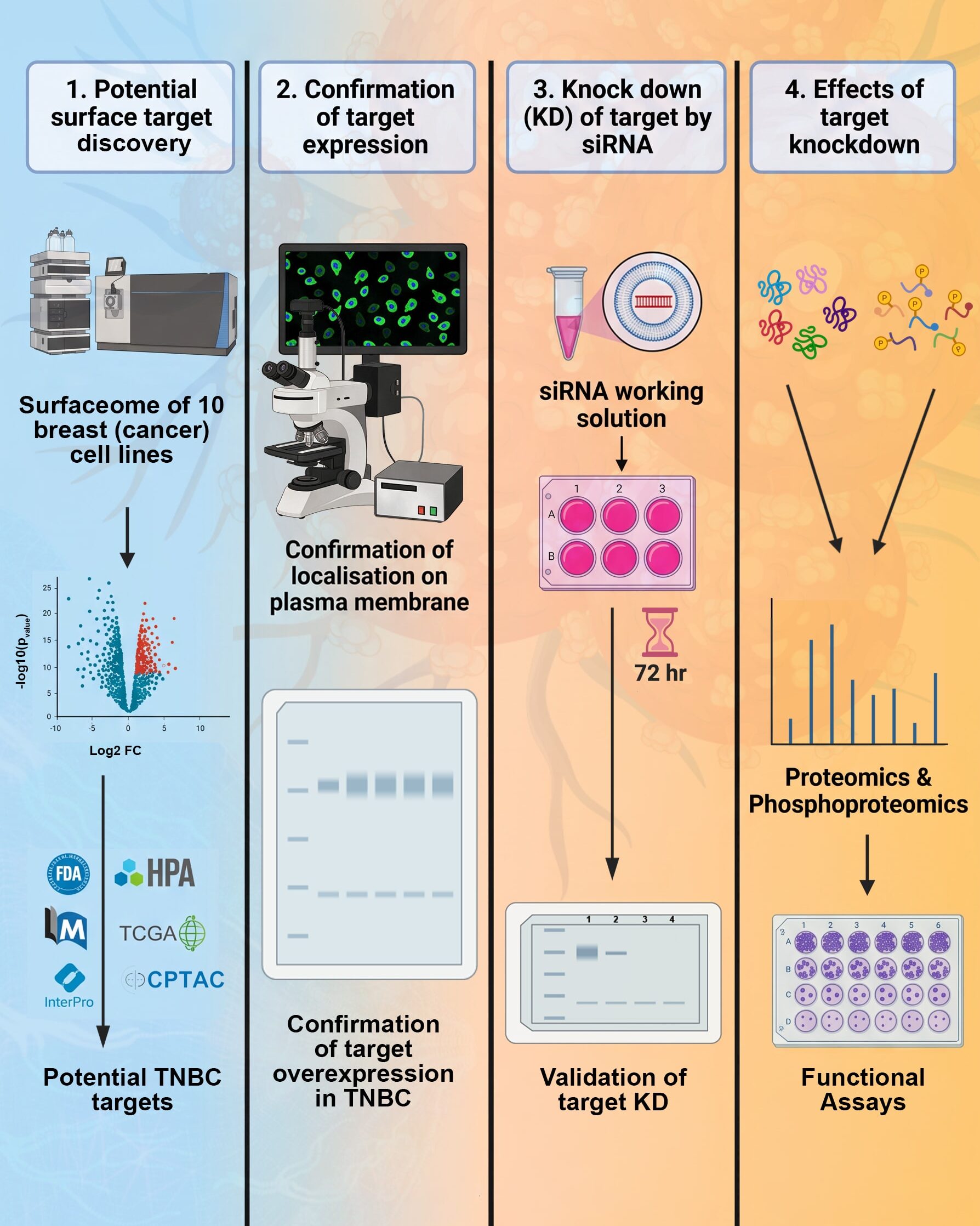
Triple-negative breast cancer (TNBC) is an aggressive, hard-to-treat disease which does not respond well to existing therapies.
Driven by an interest in cancer proteomics, Weiting profiled thousands of cell surface proteins to uncover new TNBC biomarkers. Her work identified a promising protein found in both primary and metastatic tumours. When the protein was depleted, cancer cells were less able to grow, spread and attach to surrounding tissue – revealing its role in driving disease progression. These insights could pave the way for more precise therapies and earlier diagnosis, offering new hope for patients with this challenging disease.
 |
 |
Brandon Cheah Chong Joon, Year 2, Major in Pharmaceutical Sciences, Minors in Life Sciences and Music
“I am fascinated by the complexities of the learning process, which led me to experiment and innovate for best artificial intelligence (AI) practices.”
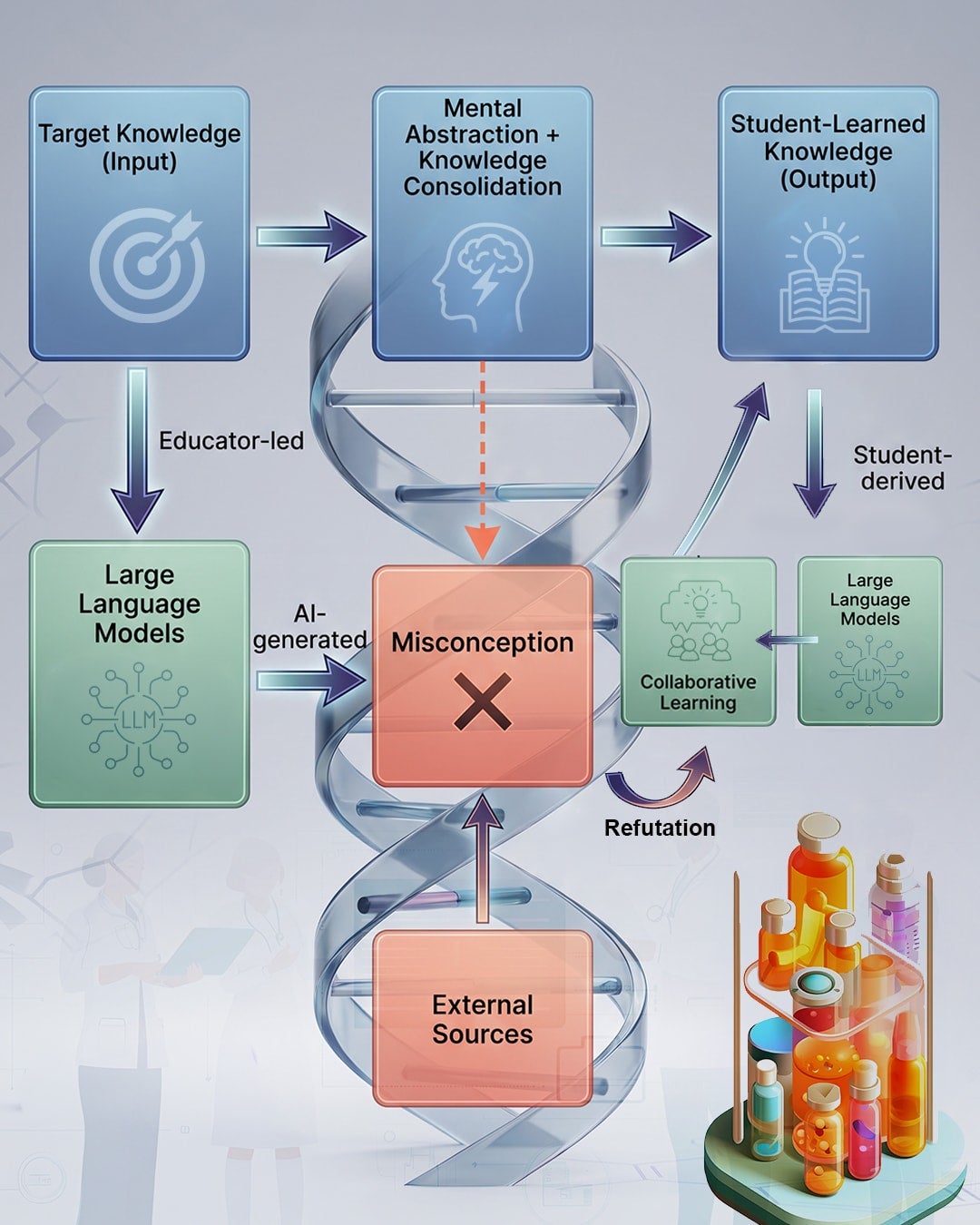
As Large Language Models (LLMs) become a common study companion, concerns are growing over the misinformation they can generate.
Instead of treating these hallucinations or misconceptions as a flaw, Brandon explores how they can become powerful learning tools. By intentionally generating common misconceptions for use in healthcare educational settings, LLMs prompt students to question, discuss and correct errors together, transforming passive learning into active discovery. They can also simulate patient interactions, giving students a safe space to practise clinical reasoning.
The approach could be applied across different disciplines to strengthen critical thinking and judgement – invaluable skills in an AI-powered world.
 |
 |
Ryan Lim Jak Yang, Year 4, Double Majors in Statistics and Mathematics, Minor in Computer Science
“The more challenging the problem is, the greater the joy when we are finally able to solve it.”
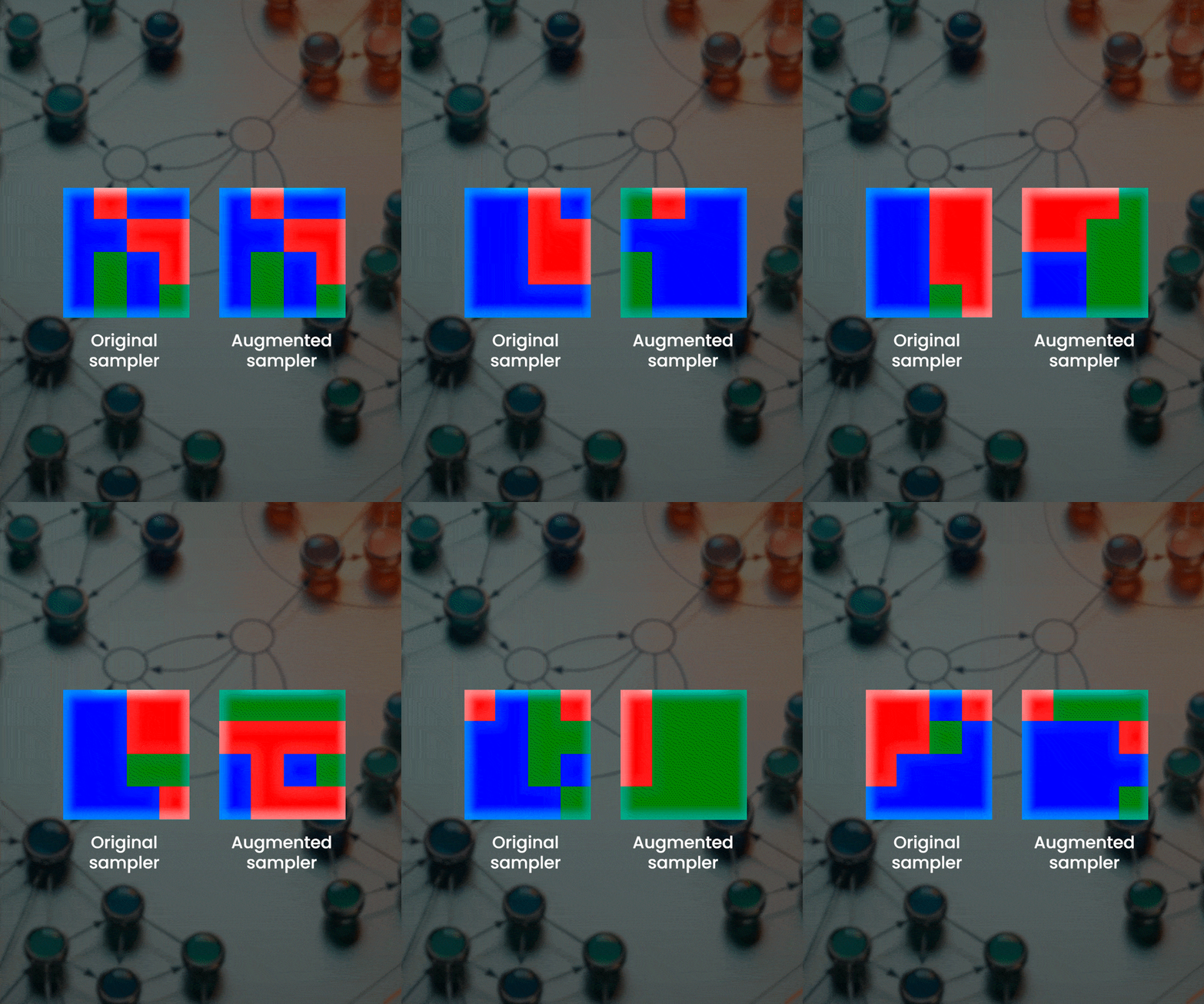
Every day, computer algorithms sift through vast numbers of possibilities to uncover patterns that power scientific discoveries and data analysis. But many repeatedly revisit the same paths, making them inefficient and less reliable.
To overcome this, Ryan developed a way to help algorithms search more intelligently. Using mathematical symmetries, his approach enables them to make bigger, smarter jumps across the search space, rather than taking small, incremental steps. His work shows that these enhanced algorithms can build a more accurate picture of complex problems in less time, paving the way for more effective computational tools.
 |
 |