A living classroom – Samuel Loh
March 25, 2026
For Samuel Loh, an interest in Singapore’s coastal ecosystems quickly evolved into a journey in sustainability. A fascination with the relationship between people and the environment first took root during his H3 Geopolitics studies, where he explored how human and natural systems intersect.
This led him to pursue a Major in Environmental Studies and a Minor in Geographical Information Systems, a combination that lets him blend life sciences with geography, humanities, and policy. It’s an approach that helps Samuel understand environmental challenges not just as ecological issues, but as issues which are deeply intertwined with human behaviour, governance and culture.
“I wanted a university environment that allows me to explore these connections in a structured and rigorous way,” he says. “An interdisciplinary curriculum allows me to see how these different dimensions intersect, equipping me with a more nuanced and systems-level understanding of environmental problems.”
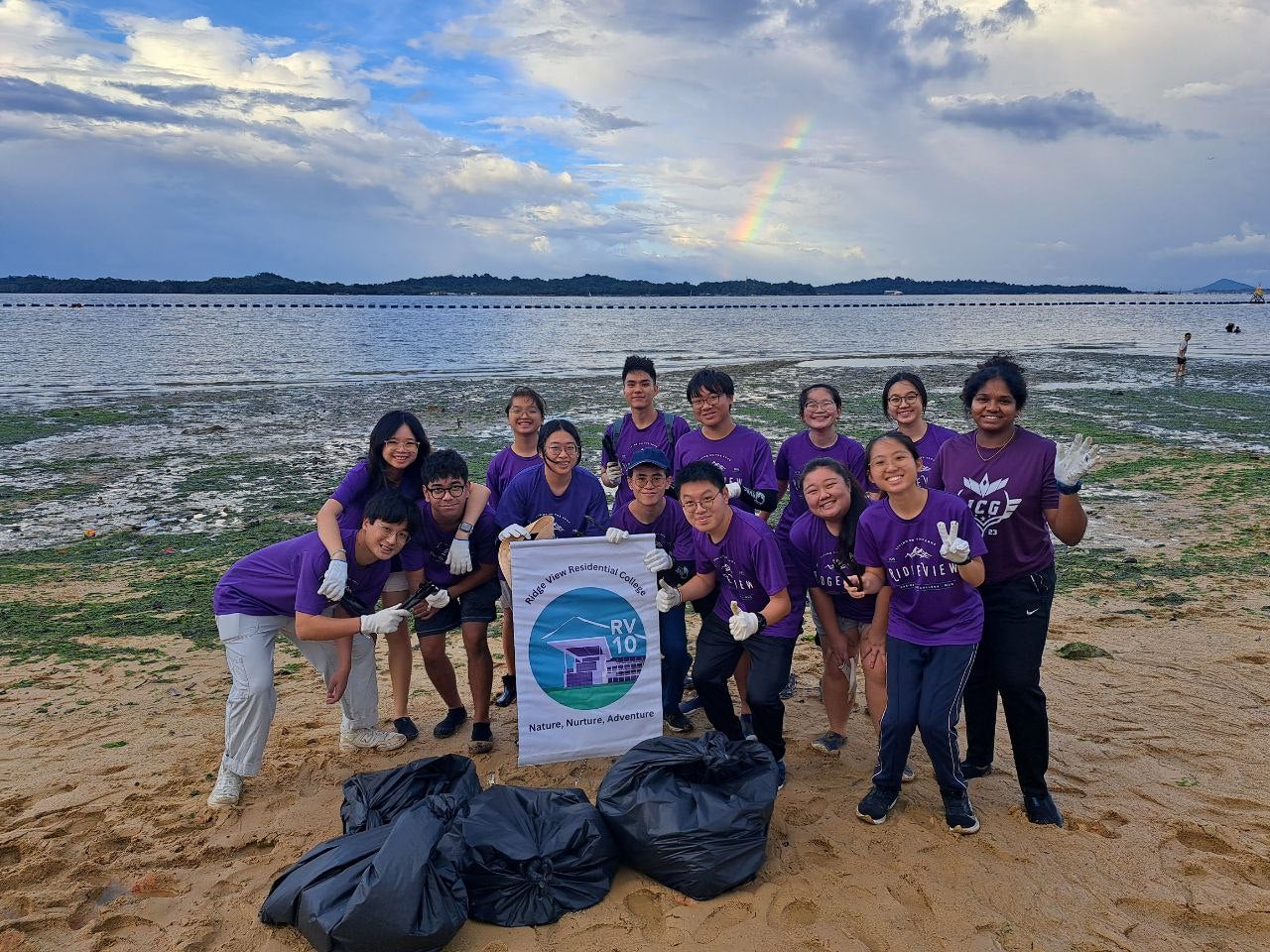
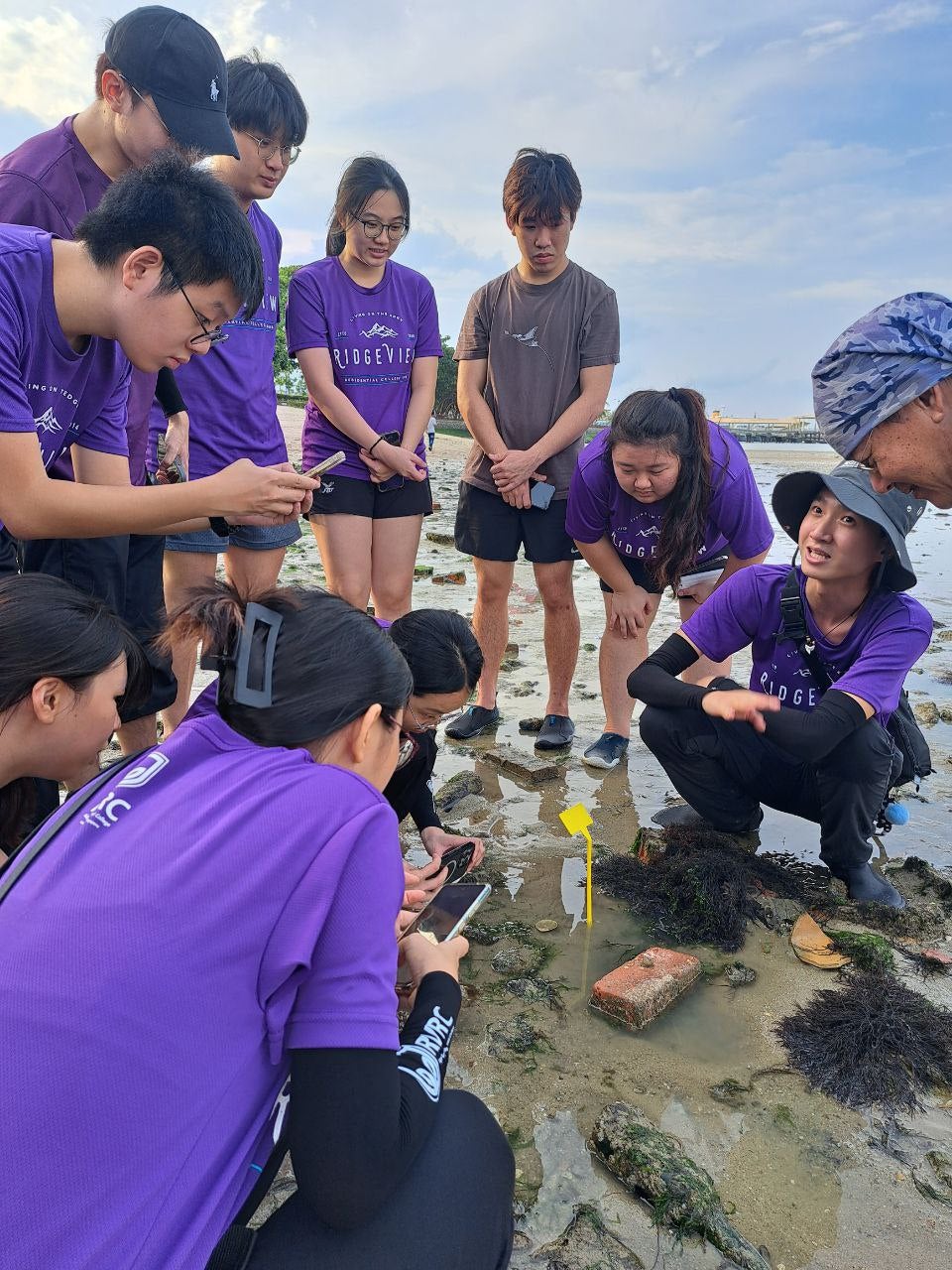
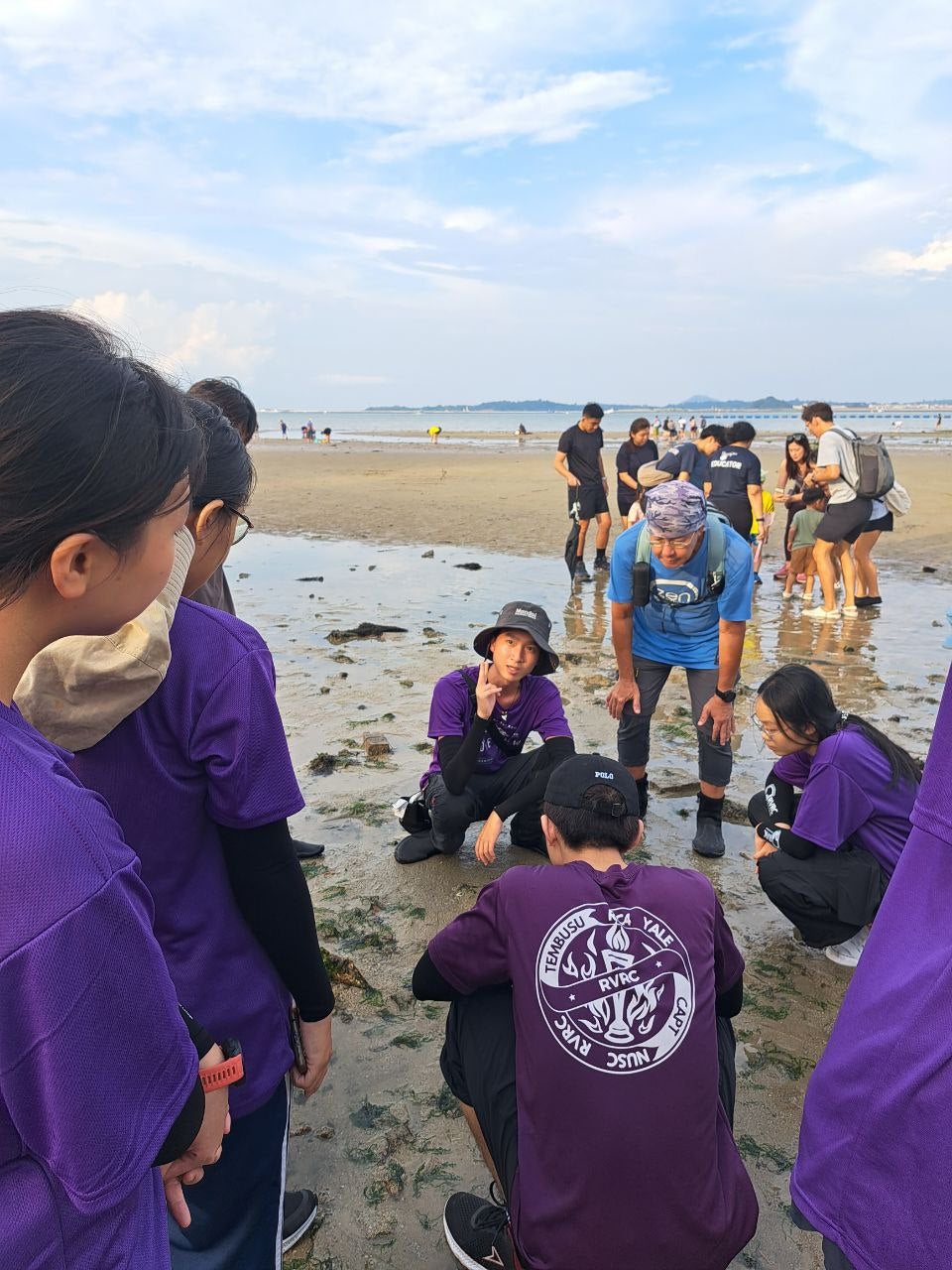
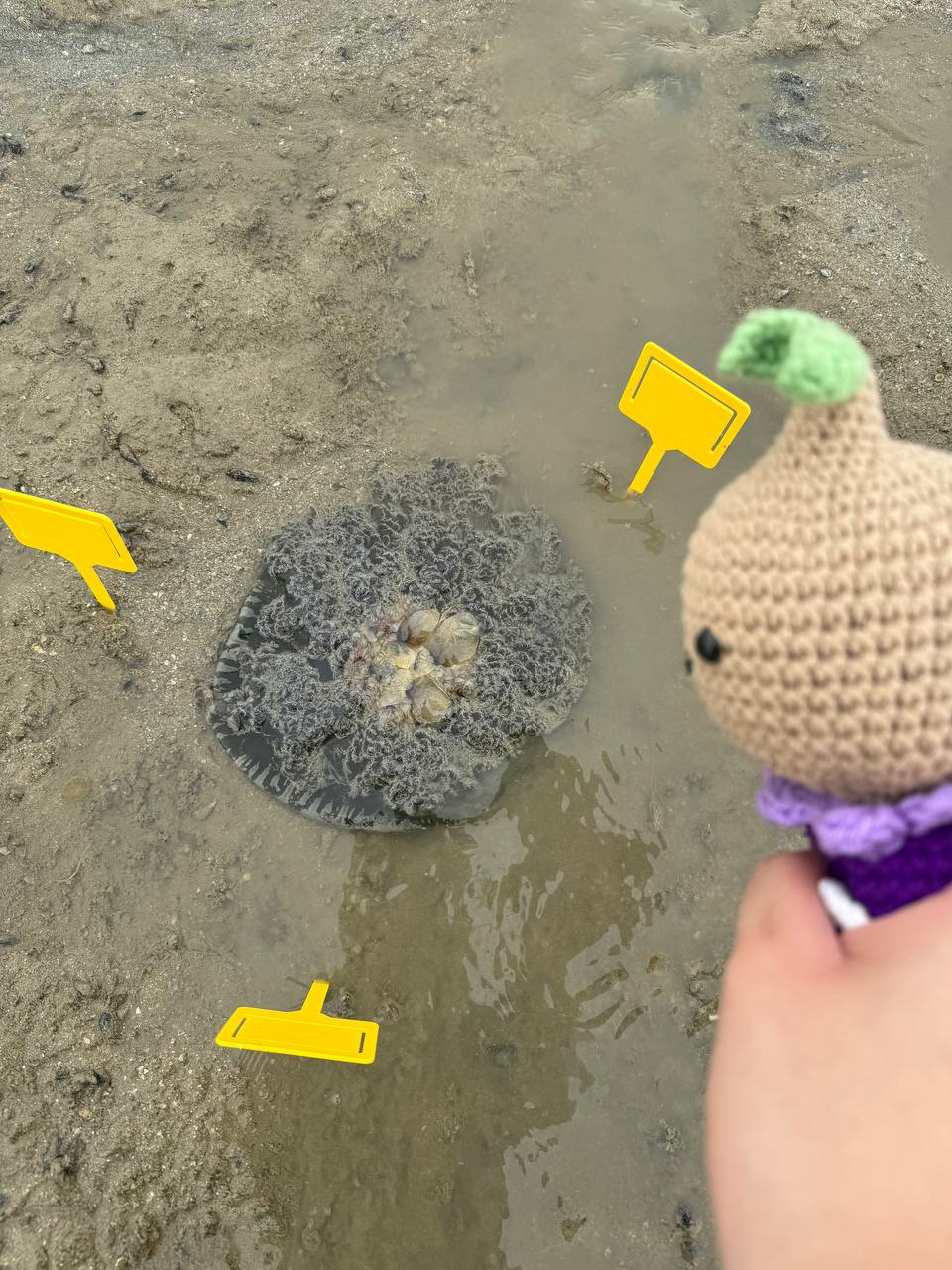
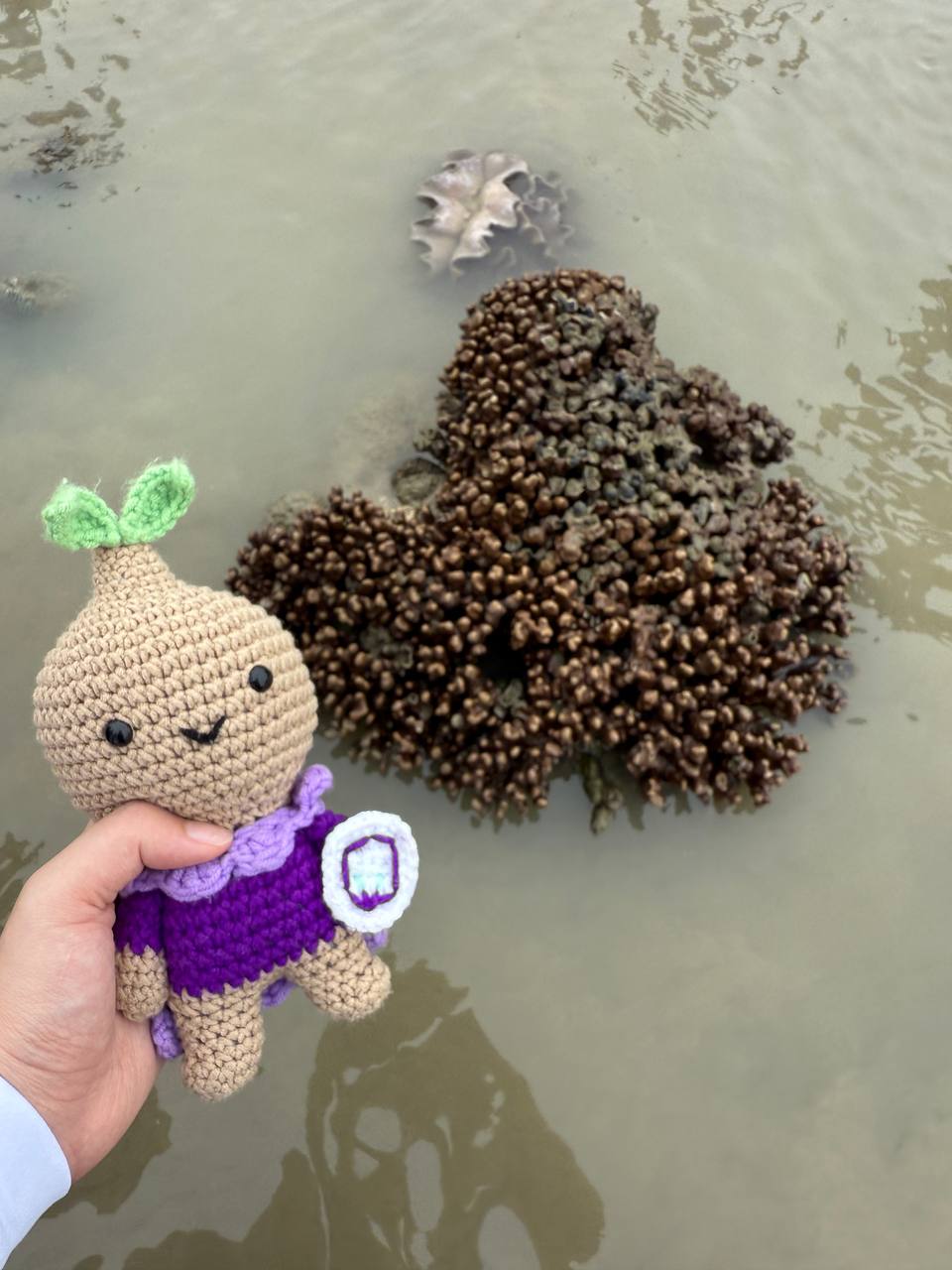
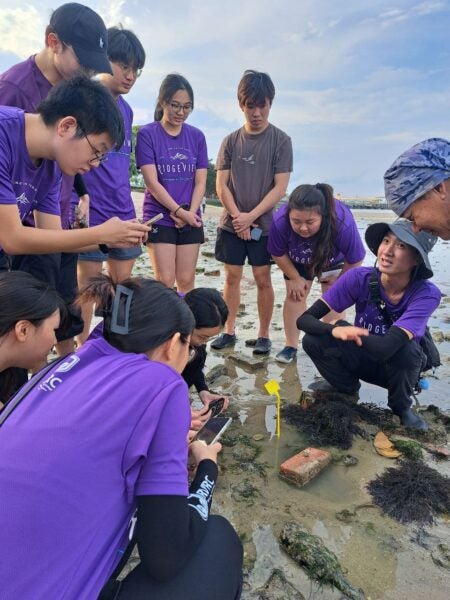
But Samuel’s passions did not stay confined to the classroom. His fascination with Singapore’s marine life inspired him to step up and lead the Ridge View Intertidal Walk & Clean (RV ITWC), an RVRC programme designed to bring undergraduates closer to Singapore’s shores. Each semester, students step into Singapore’s intertidal zone for a blend of hands-on conservation and immersive learning – removing marine litter, discovering marine life and seeing firsthand how ecosystems interconnect.
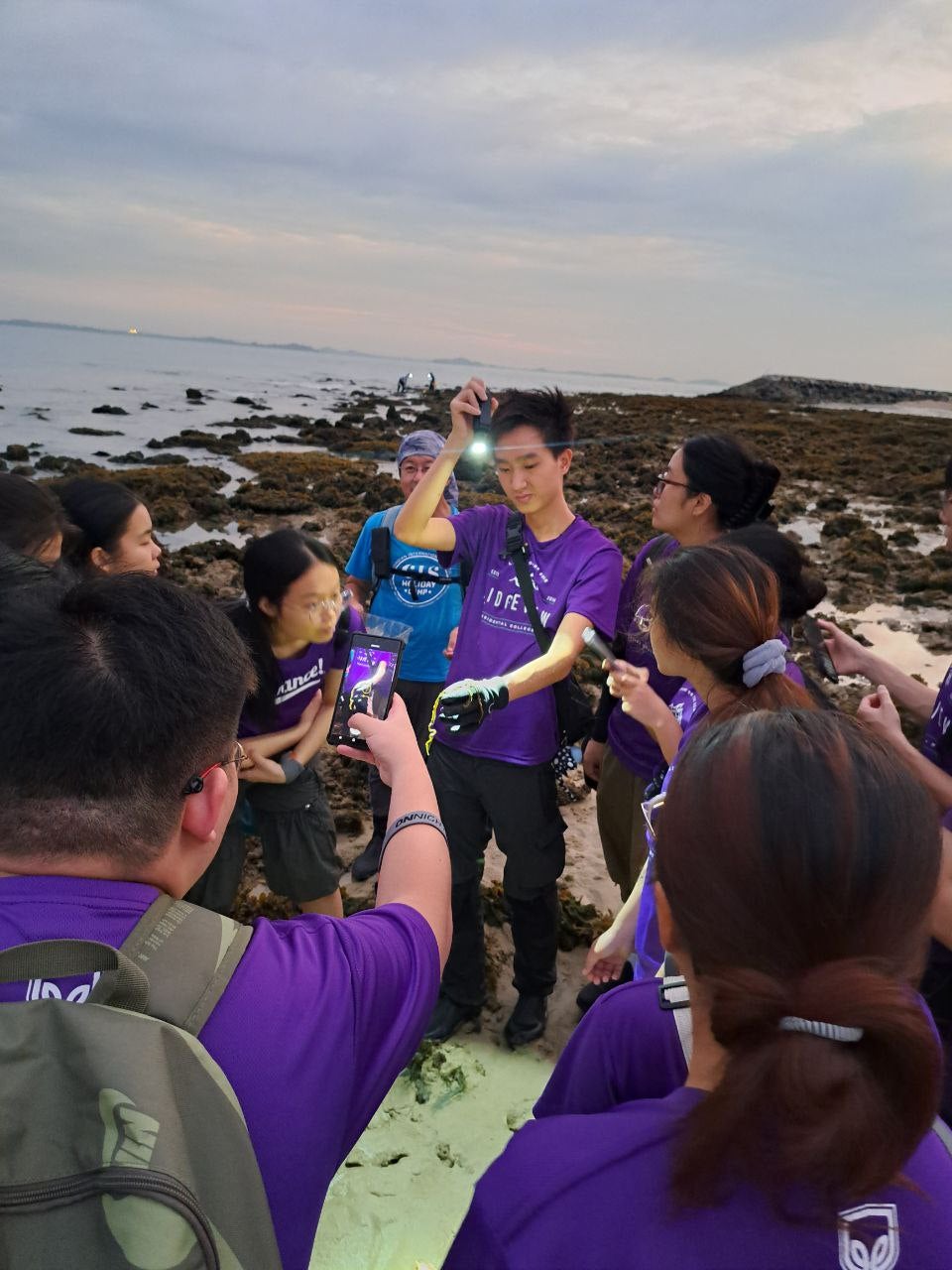
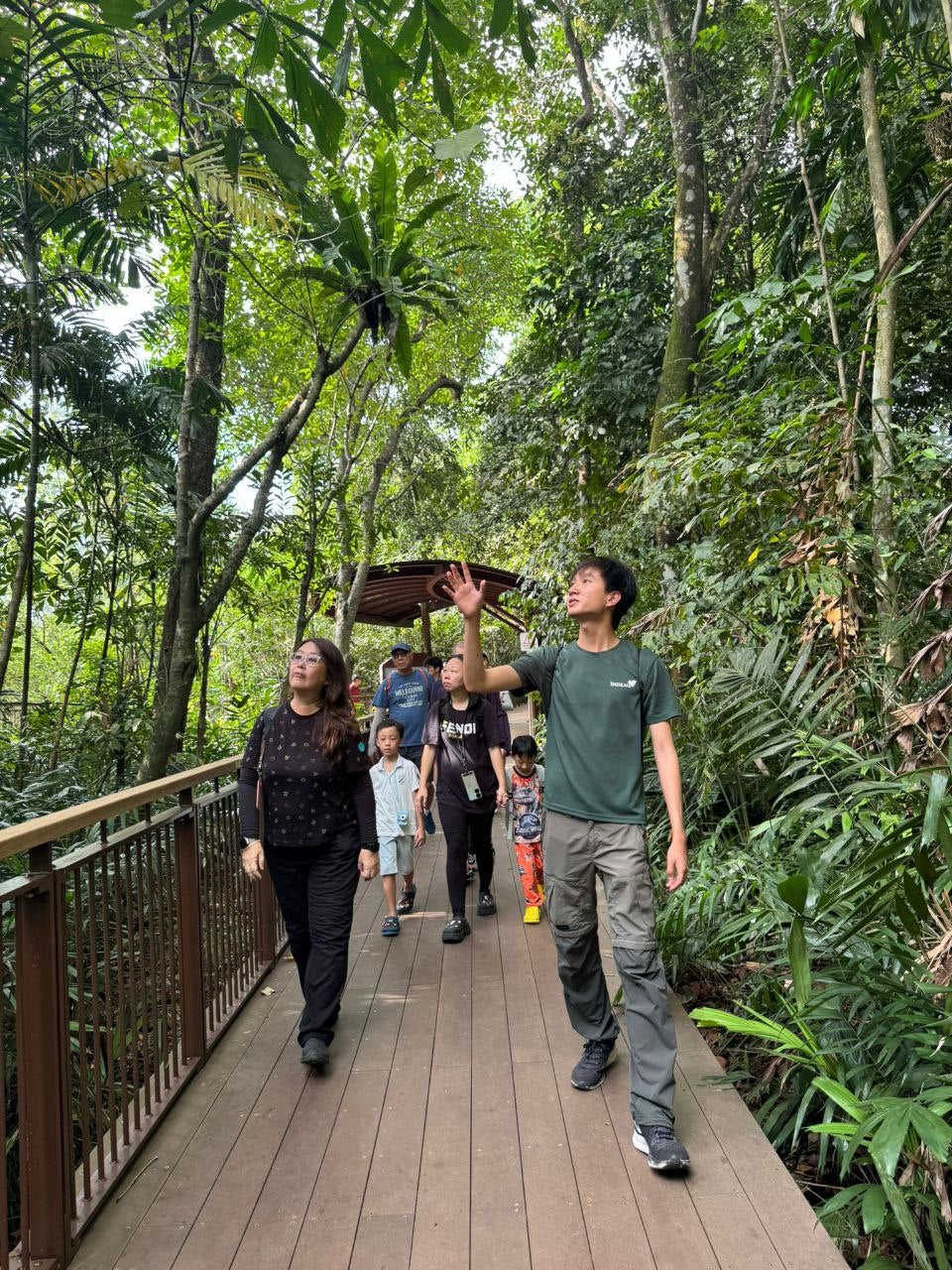
Samuel’s involvement marked a new chapter for the programme. Formerly reliant solely on external guides, RV ITWC began drawing on his experience as both an intertidal guide and an RVRC resident. As a peer leader for the programme, he designed educational materials, made complex ecological concepts accessible and turned each walk into a lively learning experience. His sessions, always in high demand, strike a balance between science and storytelling, helping participants explore the rich biodiversity hidden along our coasts while learning why conservation matters.
 |
 |
He adds, “This was a unique opportunity to helm my own conservation-related project by raising awareness of Singapore’s marine biodiversity and their threats.”
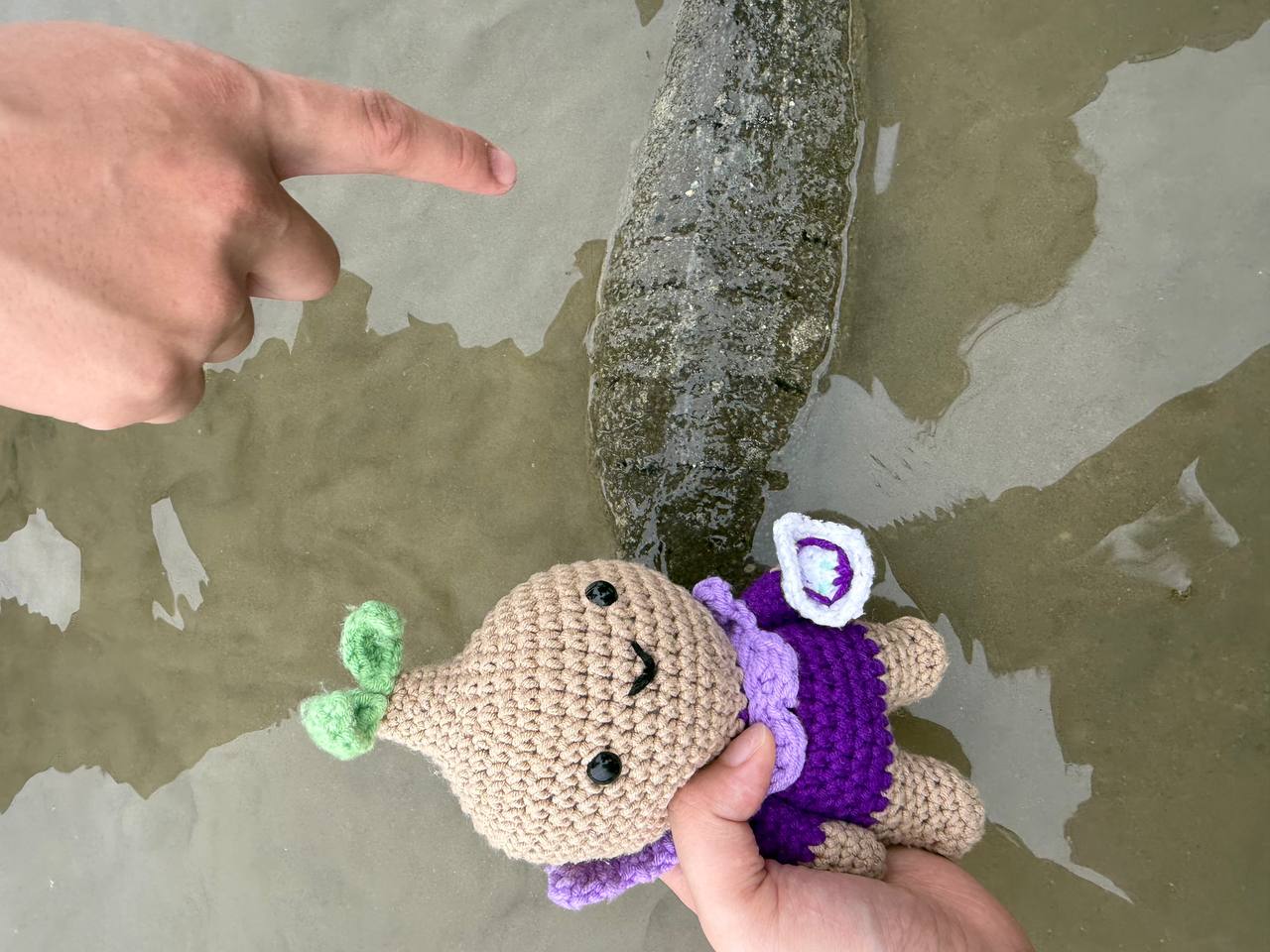
In his guiding sessions, Samuel takes an interdisciplinary approach, weaving together threads of science, culture and sustainability to tell the fuller story of Singapore’s intertidal world. For instance, when he introduces creatures like the Garlic Bread Sea Cucumber, he goes beyond explaining its unique morphology and ecology. “I also touch on its cultural significance as a food source, the tensions between conservation and poaching and the impact of marine litter on habitat degradation.”
RV ITWC has been recognised for its impact, receiving support from the NUS SAVE Sustainability Fund – proof that curiosity paired with action can protect and celebrate nature right at our doorstep.
The impact has been tangible. Since 2023, the team has removed some 270 kg of marine litter and engaged 165 participants, expanding its reach to new sites such as Pulau Hantu, Sisters’ Island and Tanah Merah, uncovering the hidden richness of Singapore’s marine habitats.
For Samuel, this is only the beginning. After graduation, he will serve his bond at the Singapore Oceanarium, contributing to animal care, public education and conservation initiatives. There, he hopes to work alongside researchers, educators, local communities, non-governmental organisations and regional partners on initiatives that protect wild populations and advance marine conservation in Southeast Asia.
“I hope to play a role in strengthening conservation outcomes while fostering greater public awareness and care of our marine and coastal ecosystems,” he says.
Click on the thumbnail to view the full sized images