
The chemistry behind lasting solar power
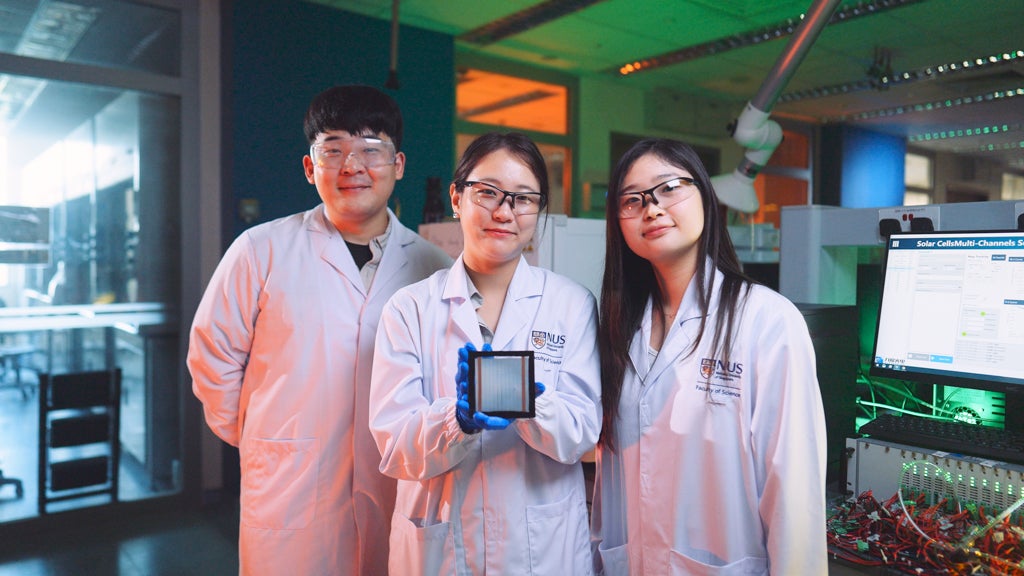
February 12, 2026For Dr Park Somin from the Department of Chemistry, the journey into solar energy began with a simple yet profound question: Why do some of the most promising solar technologies fail in the real world?
Early in her scientific journey, she was captivated by perovskites – a class of materials that convert sunlight into electricity with remarkable efficiency. But while these materials dazzled in controlled laboratory settings, they faltered in real-world conditions. Heat, humidity and the daily wear of long-term operations quickly wore them down.
“That disconnect stayed with me,” Dr Park says. “I realised that if we truly want solar energy to be adopted globally, especially in warm and tropical regions, stability must be treated as seriously as efficiency.”
Small layer, big impact
For a long time, the race in solar research was all about record-breaking efficiency. But Dr Park saw a different challenge taking shape: real progress depends on designing devices that can last. “Efficiency and stability aren’t competing goals but interconnected design principles that must be considered from the very start.”
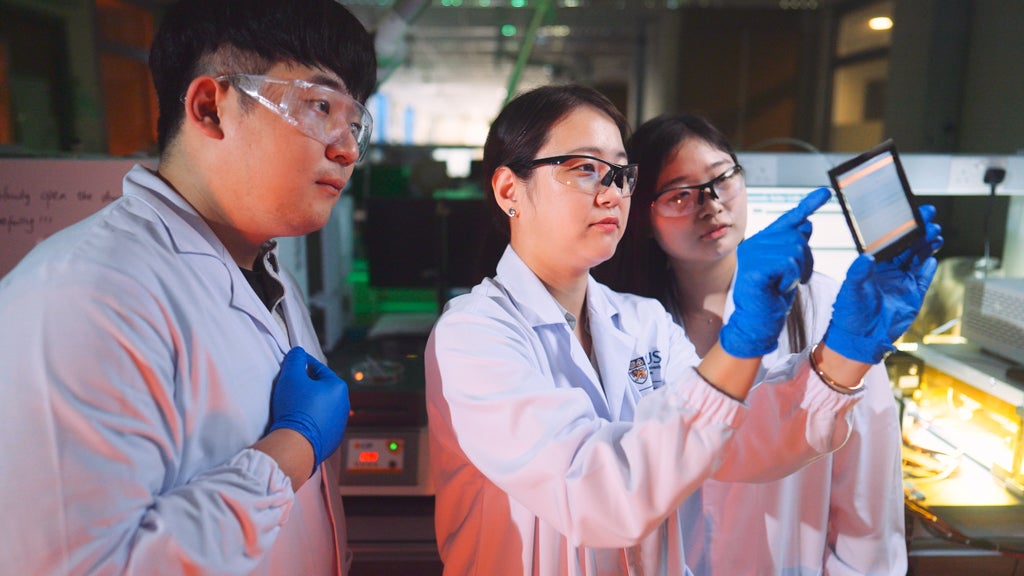
Her team decided to turn their attention to the solar cell’s most fragile point: the microscopic interface where different materials meet. Thinner than a strand of hair, this tiny layer plays an outsized role in a solar cell’s performance, determining if a device works or fails.
Instead of asking “How can we make this material absorb more light or conduct electricity faster?”, her team probes deeper: “How will this molecule behave under intense heat?” or “How will it interact with neighbouring layers over thousands of hours?”
It is at this interface that Dr Park’s work is making a significant impact. “It is often overlooked in traditional research, yet it is the device’s weakest link,” she says. Even tiny flaws or weak molecular connections can trigger device failure under harsh conditions.
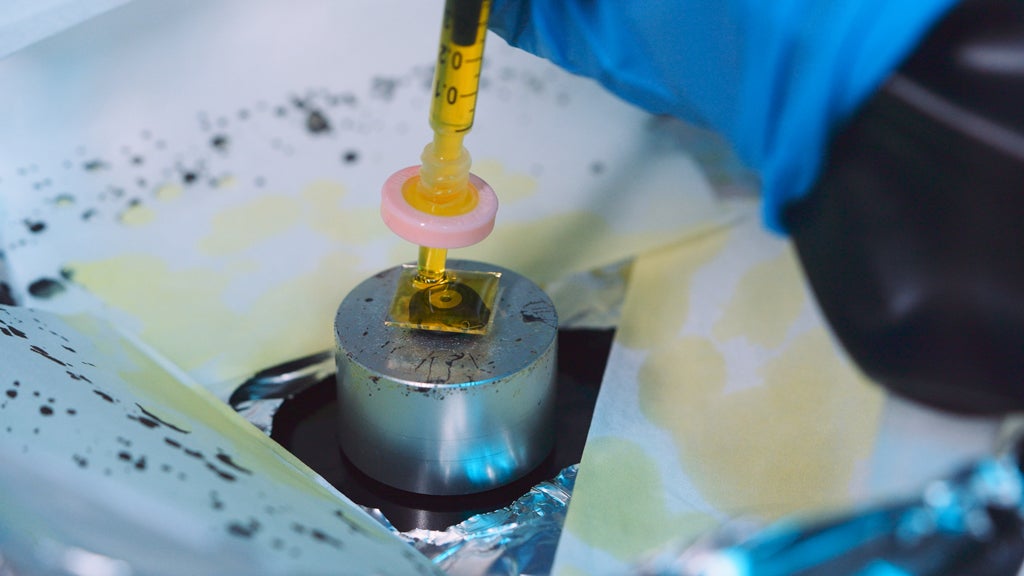
To address this, her team designed molecules that self-assemble at the interface, linking together like scaffolding to form a tightly knit network. This reinforced layer stabilises the device, improving both efficiency and heat resistance.
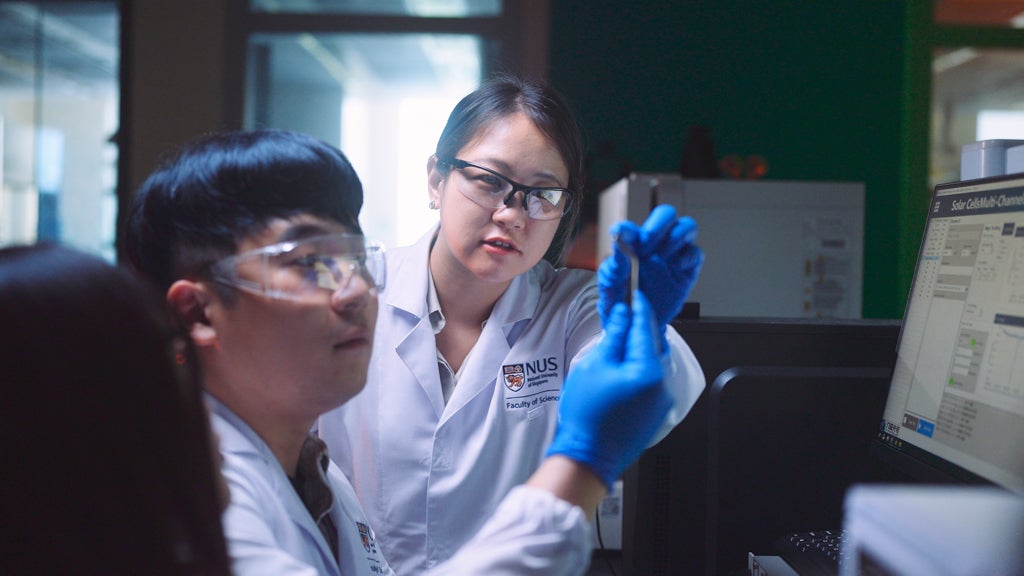
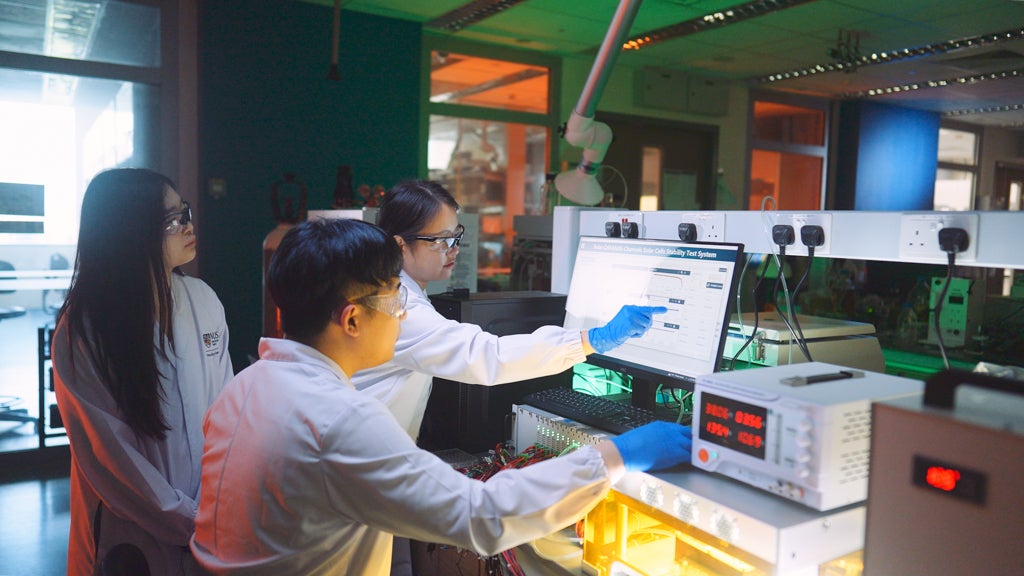
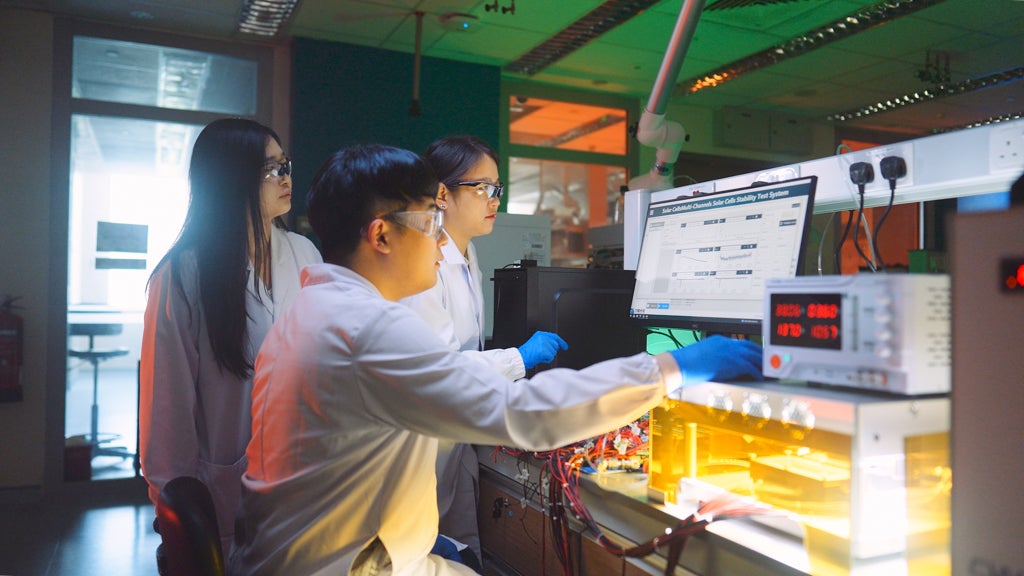
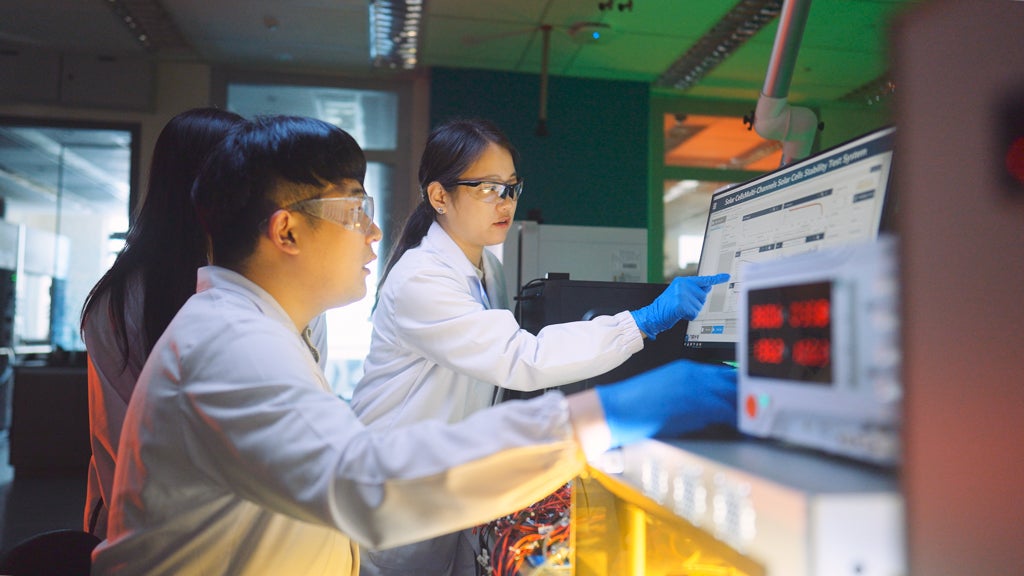
To ensure their designs hold up in the real world, the team runs accelerated ageing experiments that simulate years of exposure to sunlight, humidity and temperature swings. These experiments uncover weak spots early, allowing refinements long before scaling up.
The result is not a quick fix, but a fundamental shift in how solar cells are built – with durability built directly into the device at the molecular level.
The once-weakest link is now a stable foundation, bringing solar technologies closer to surviving real-world extremes, from scorching deserts to the humid tropics.
The vast possibilities of molecular design
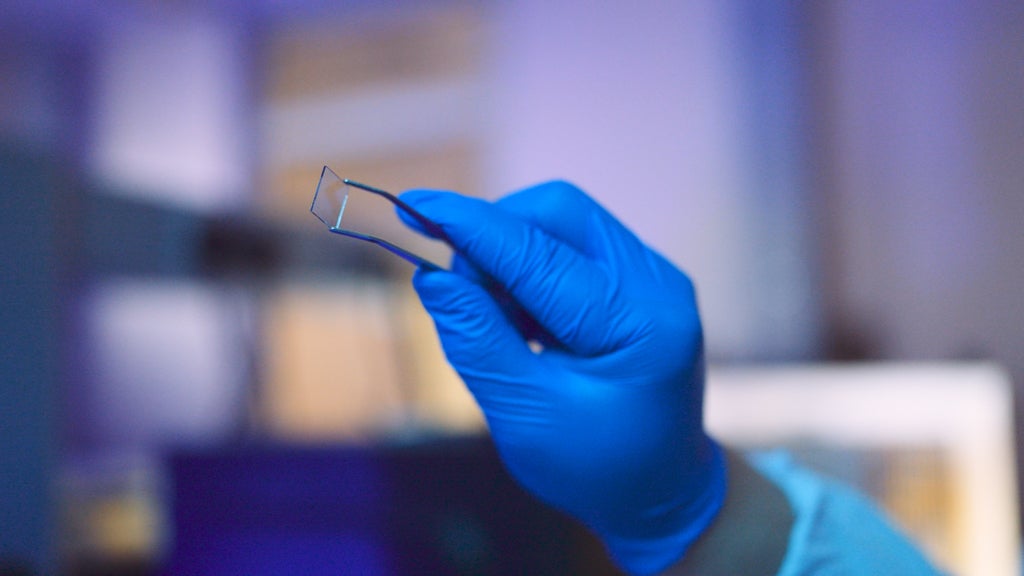
What excites her most in her journey as a chemist is the ability to design matter with atomic precision. By tailoring molecular structures, finetuning functional groups and engineering interfaces, chemists control how materials absorb light, move energy or resist degradation.
These same principles reach far beyond solar cells. “The chemistry that stabilises solar cells can also strengthen batteries, sensors and even bioelectronic devices,” she says.
And central to that control is surface chemistry – how different materials ‘communicate’ and stay stable over time. “I’m particularly excited about its potential impact in energy storage systems and flexible electronics, where interface degradation remains a major challenge.”
Collaboration at the heart of innovation
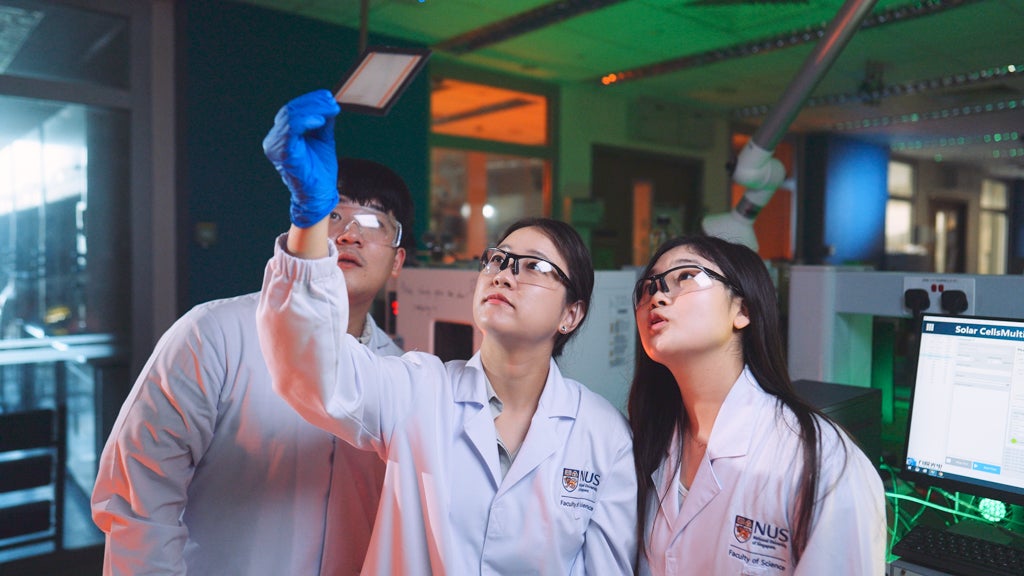
For Dr Park, one of the most rewarding aspects of her work is its inherently interdisciplinary nature. Her research brings together chemists, physicists, engineers and environmental scientists, each contributing a critical piece of the puzzle.
“Chemists bring a deep understanding of molecular design and reaction mechanisms, materials scientists focus on structure-property relationships and characterisation and engineers translate these discoveries into functional devices and scalable processes,” she says.
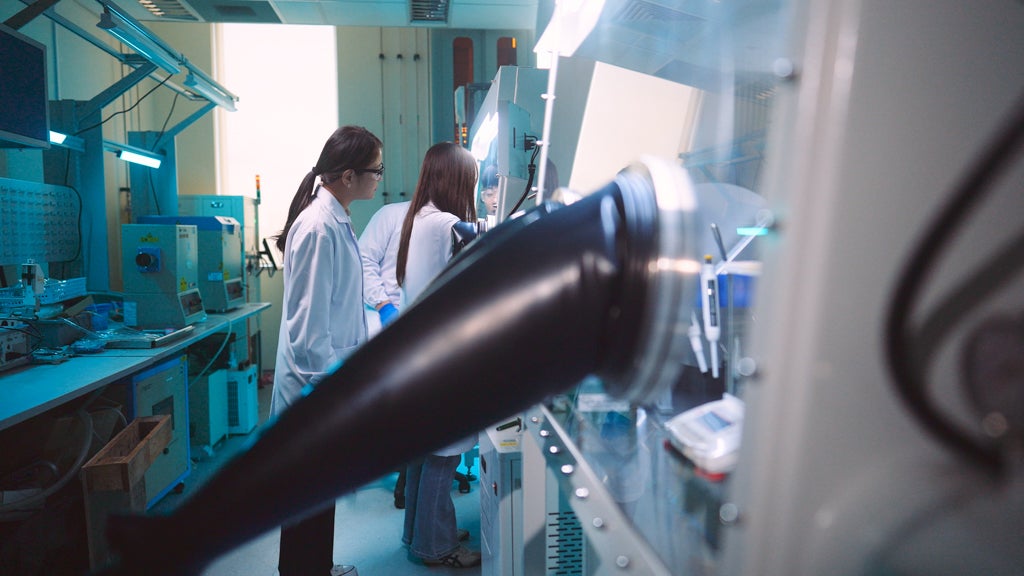
These interdisciplinary collaborations have been essential to the team’s success, allowing them to move quickly from a fundamental idea to a working prototype ready for real-world testing.
From the laboratory to the tropics
The next step is field testing in tropical climates, where blistering heat, relentless humidity and intense sunlight will push these materials to their limits. These trials will reveal weaknesses that laboratory tests miss, she says, providing crucial insights for the design of high performance, long-lasting solar cells ready for global deployment.
Looking ahead
The team’s next challenge is turning their discoveries into technologies that can survive in the real world for years, not months. Understanding and controlling the complex chemical and physical processes at the hidden interface remains their focus.
However, instead of marginal efficiency gains, the team is reimagining materials from the ground up: designing molecules that heal or adapt under stress and creating interfacial layers that build resilience into the system itself. The goal: durability by design, not by repair.
“The ability to precisely control molecular interfaces and charge dynamics will open doors to electronics that are faster, more adaptive and much more energy efficient,” Dr Park says.
Looking further ahead, she envisions artificial intelligence becoming a vital research partner. “The most exciting breakthroughs will happen where human creativity meets chemical intuition and data‑driven intelligence,” she says. “Together, they can help us tackle challenges once thought too complex to solve.”
The team’s findings were published in the journal Science (November 2025).Click on the thumbnail below to view the full sized images.