Charting new waters
February 02, 2026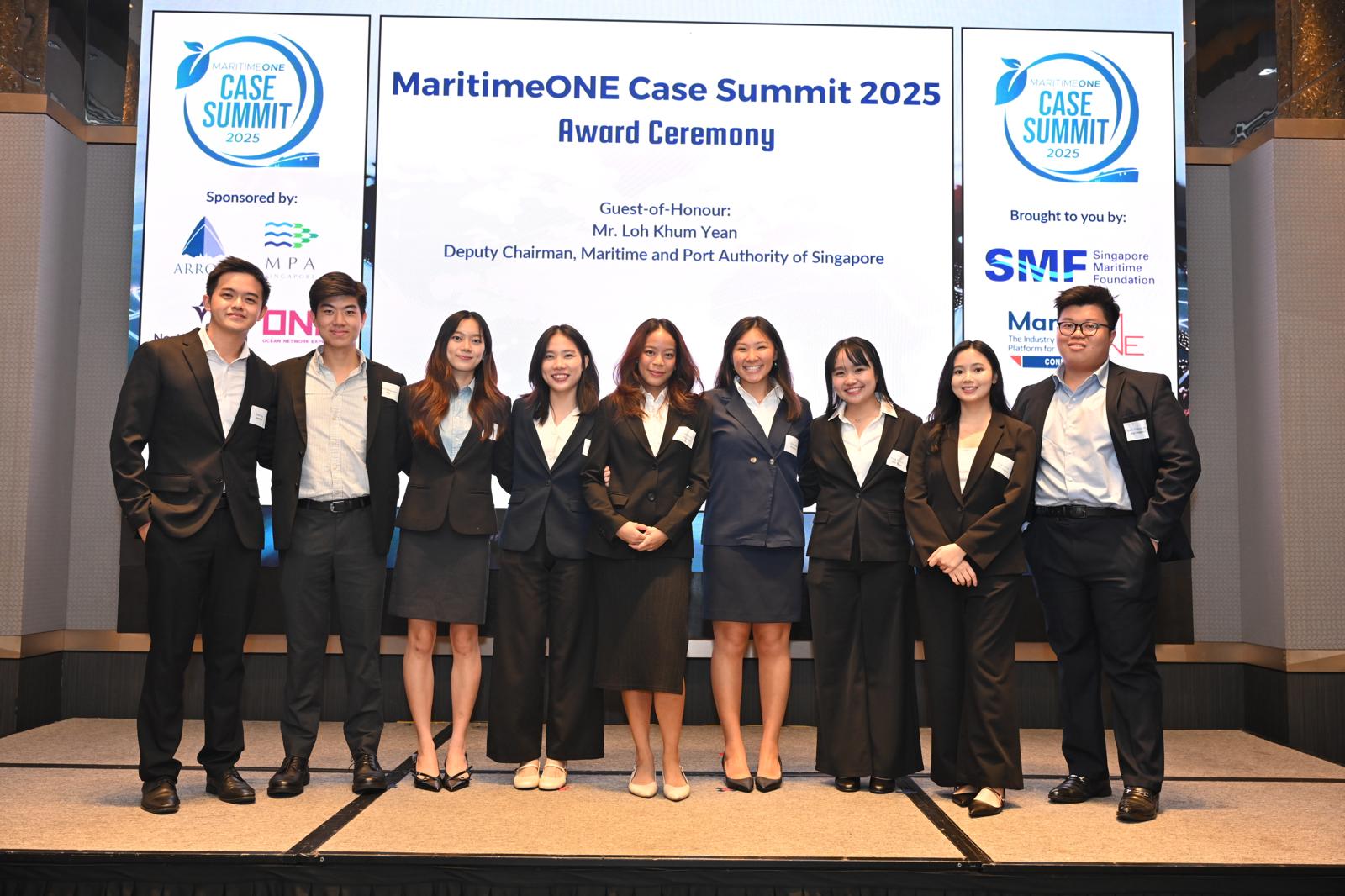
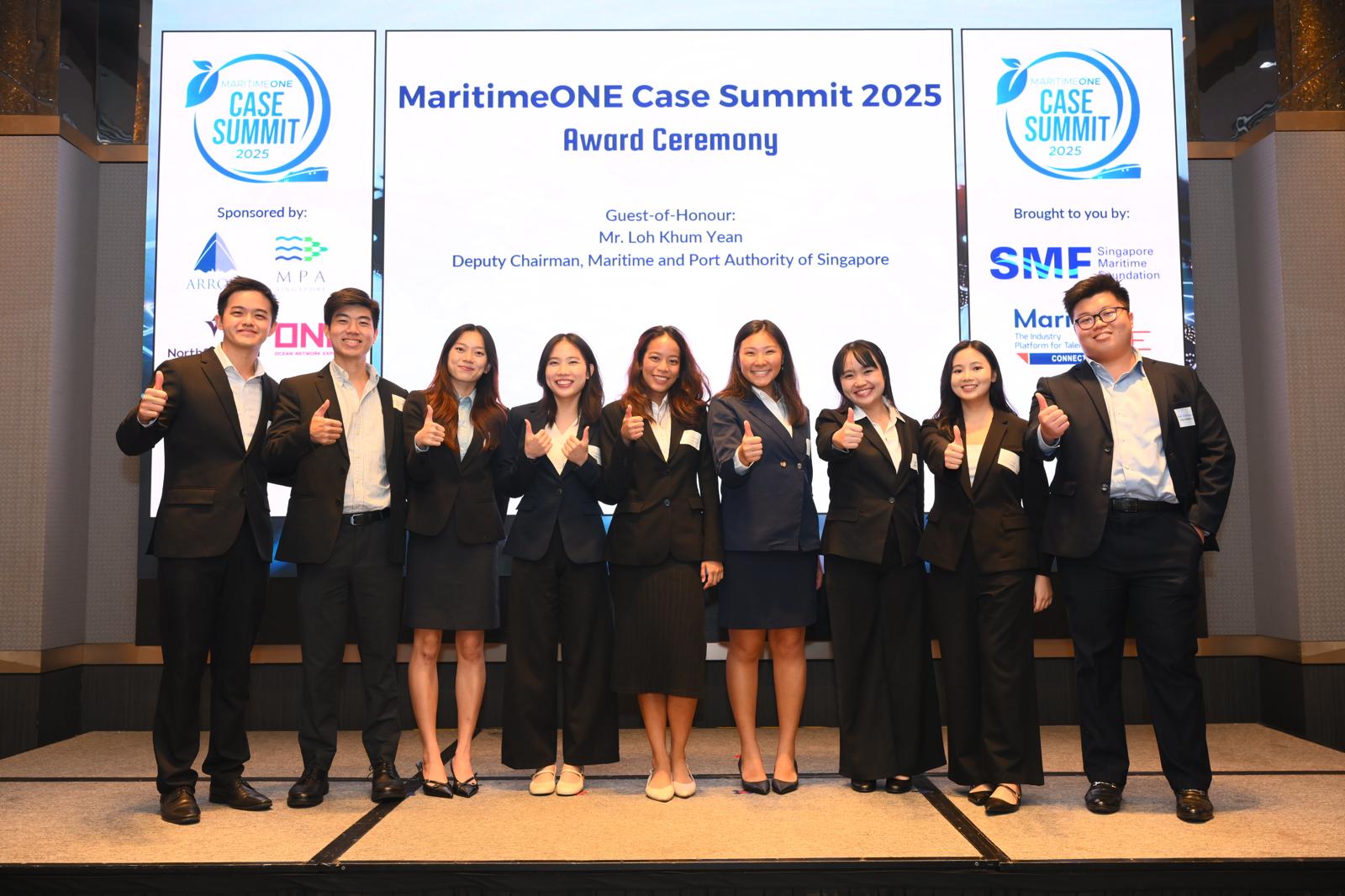
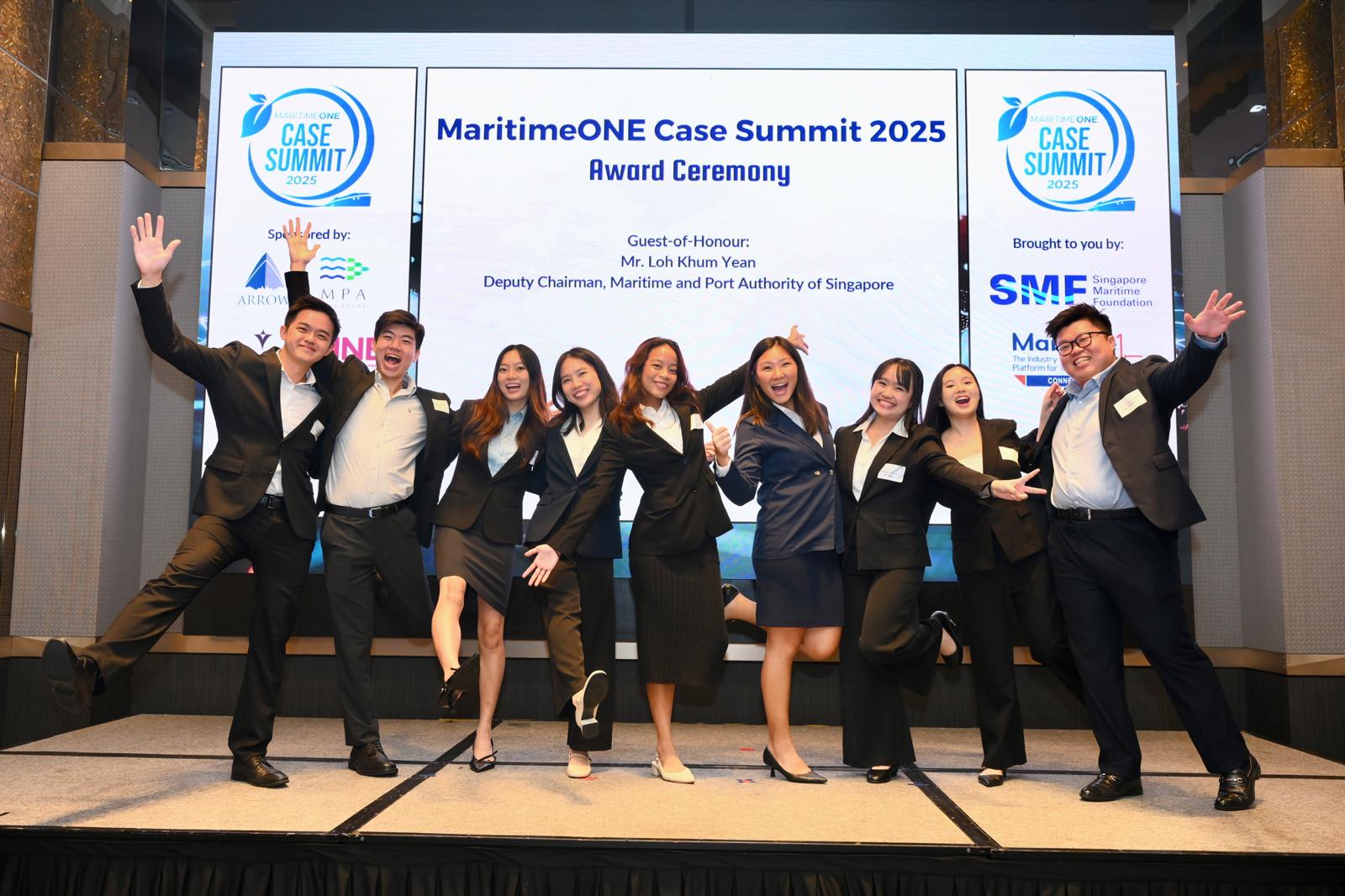
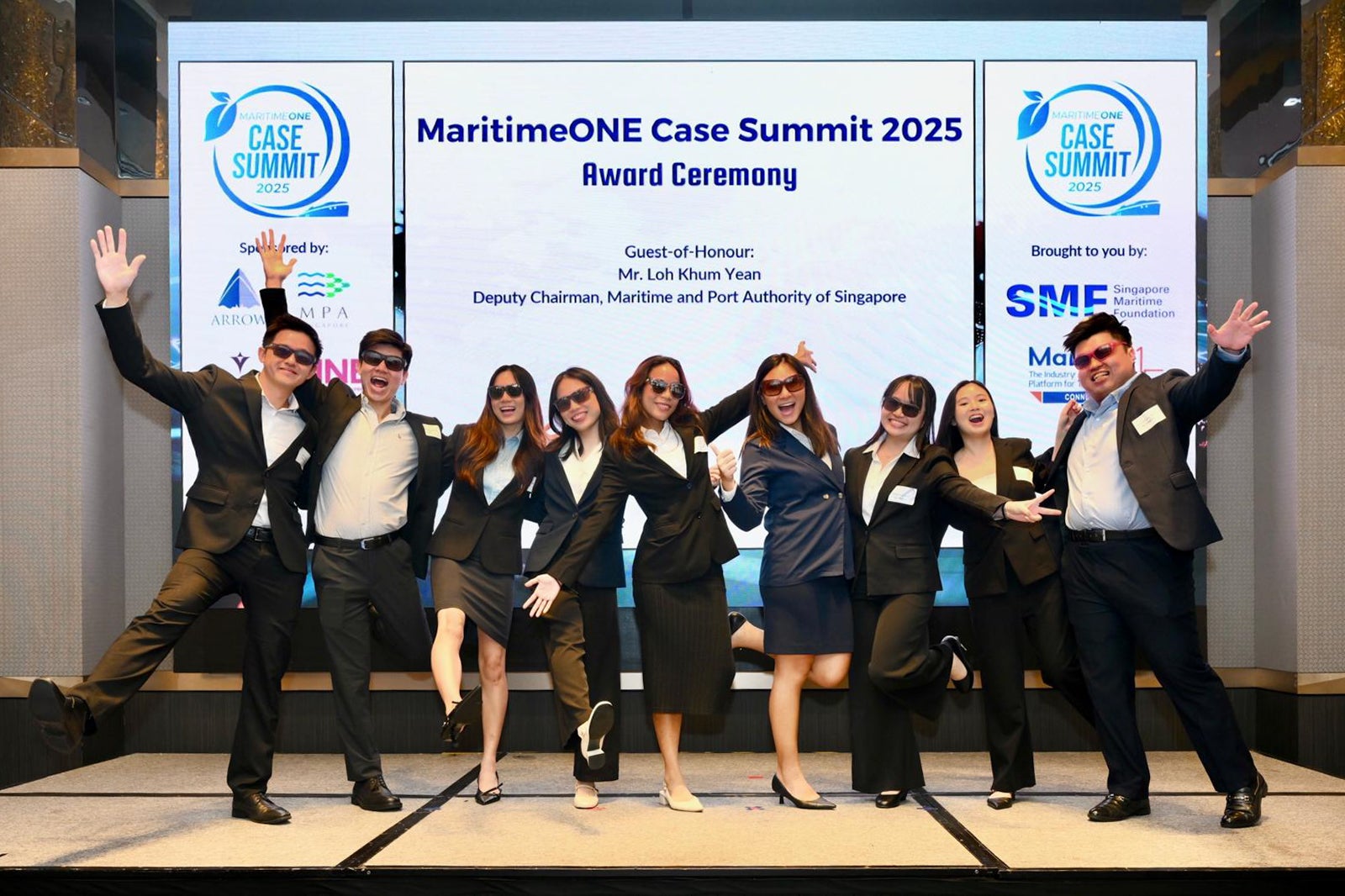
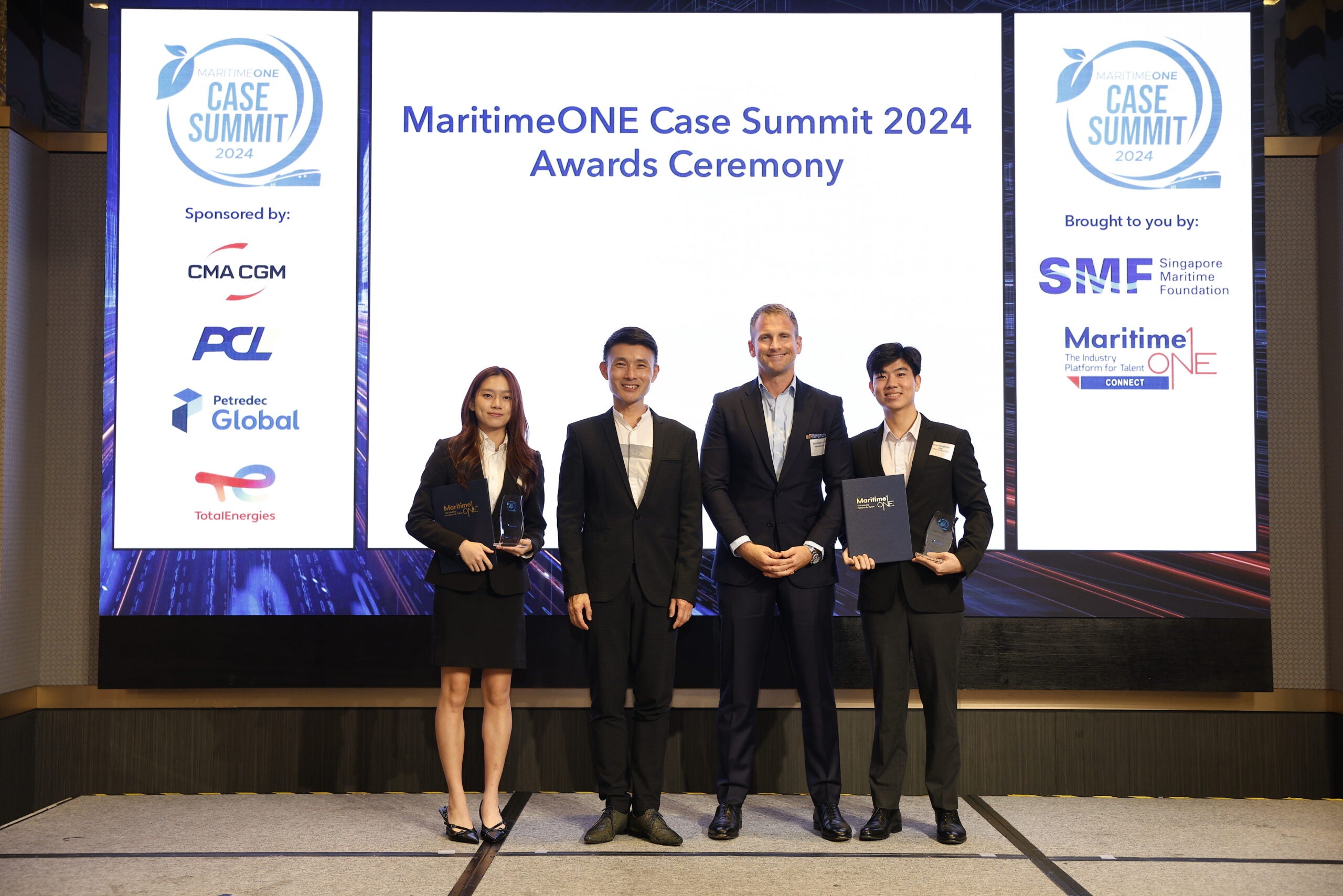
What began as an internship at a maritime company has since led Data Science and Analytics student Cynthia Chin to explore this sector with a growing sense of purpose beyond the classroom. And it was at the Singapore Maritime Foundation’s (SMF) MaritimeONE Case Summitwhere Cynthia made her mark in not one, but two editions of the competition, emerging among the finalists each year.
In 2024, she set out to address a pressing environmental question: could liquified petroleum gas (LPG) replace biomass as a cooking fuel in developing countries and what would that mean for carbon emissions? Using ARIMA models to project biomass usage through 2050, she and her team mate quantified emissions reductions and compared LPG with liquified natural gas (LNG). The conclusion was clear: LPG offers a feasible, economical and environmentally friendly transition fuel for developing countries with limited infrastructure. Her team also looked into additional uses of LPG for marine fuel and small-scale power generation, all aligned with sustainable development goals.
In 2025, Cynthia turned her focus to the evolving Panamax dry bulk shipbroking industry, by proposing an artificial intelligence (AI) dashboard to support brokers with better market intelligence to facilitate decision-making. Real-time analytics provided predictive insights on shipping trends, freight rates and historical market patterns, while her ‘match and market’ digital workspace draws on AI-powered suggestions to optimise cargo-vessel pairings and provide brokers faster visibility of options.
The competitions offered lessons beyond data and models, becoming a lens to view how industries are shaped by dynamics beyond numbers alone.

“I now better understand how multiple factors such as geopolitical tensions, climate change and technology directly influence shipbrokers’ operations,” she says. “I saw how these drivers affect freight rates, vessel availability and market volatility, and realised that similar forces impact other industries and companies.”
Working with her teammate majoring in Industrial Systems Engineering and Management from NUS’ College of Design and Engineering proved to be one of the most rewarding aspects of her experience. Together, they discovered how differing perspectives could strengthen single solutions that are both technically sound and strategically relevant. While her teammate focused on product design and engineering feasibility, Cynthia took a step back to examine the broader landscape – identifying key challenges, opportunities and pain points affecting the industry.
“Communication and staying open-minded to different ideas are key in interdisciplinary teams, to ensure everybody stays aligned,” Cynthia says.
Ultimately, the lessons gained – the imperative for organisations to adapt proactively to uncertainty and external shocks – extend far beyond the competition. For Cynthia, this insight has sharpened her ambitions and clarified her path forward. “I want to leverage AI and analytics to tackle complex business problems, using data-driven insights to anticipate trends and make informed decisions in uncertain environments.”
Equally important is learning to see the bigger picture. Cynthia now approaches problem-solving with a heightened awareness of the broader forces at play, from geopolitical shifts and climate risks to technological disruption. “Understanding the wider context ensures that strategies remain robust, even as market conditions change,” she adds.