Teaching communities to fish
January 14, 2026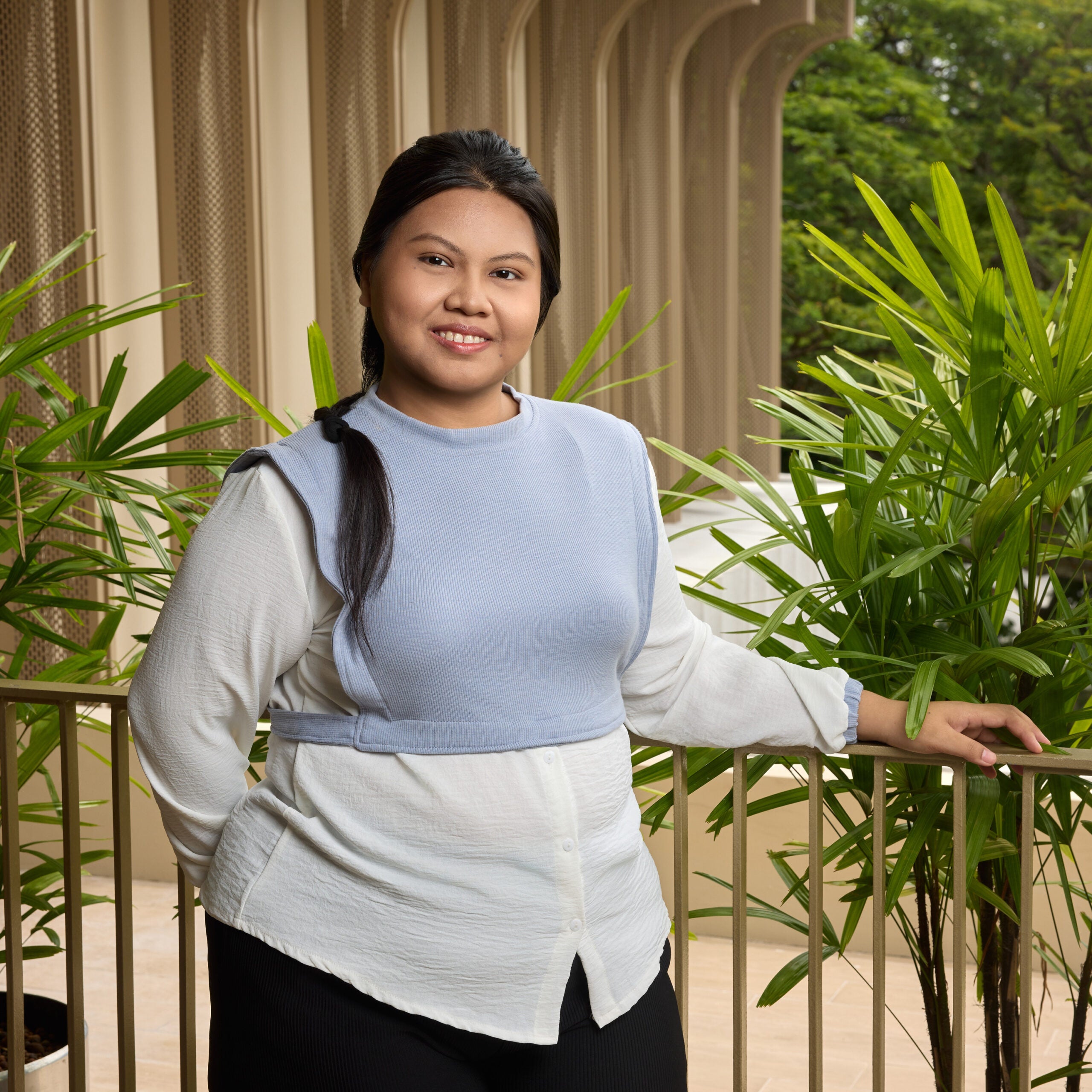
Class of 2025’s Dewi Murni Bte Musa Dewi, who graduated with Double Majors in Life Sciences and Psychology, caught the volunteering bug in secondary school when she stepped forward to help at the National Day Parade, a positive experience that honed her skills in communication, teamwork and adaptability. Unbeknownst to her, a heartfelt encounter with a Primary 5 student would spark a lifelong commitment to community service. “I had a lot of fun today! I hope to be like you someday,” the boy told her as they parted.
“That statement alone made me realise that it does not take a lot to make someone’s day,” Dewi says. Those words would motivate her to continue volunteering through her university years, culminating in her role as President of the NUS Students’ Community Service Club (NUS CSC) in Academic Year 2024 / 2025.
From one-off to long-term impact
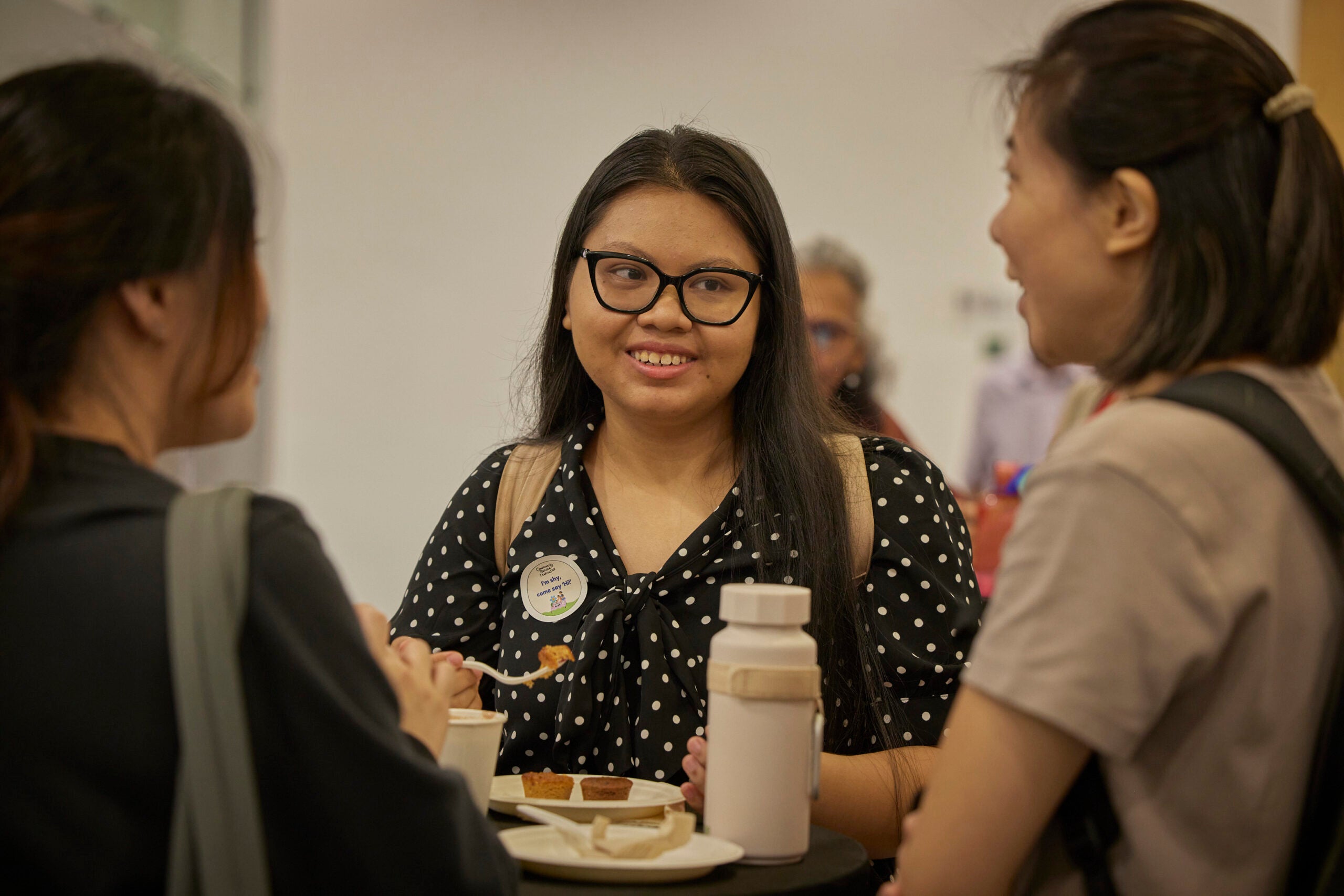
Under her leadership, Dewi helped to inculcate a “reflection culture” in NUS CSC to encourage members to be more intentional in achieving their personal development goals, while developing empathetic leaders who understand their potential impact on beneficiaries.
In recent years, the NUS community service landscape has undergone a shift towards sustainability and empowerment, with projects increasingly focused on long-term impact rather than one-off charitable events.
“There has been greater emphasis on projects that co-create initiatives with the community,” Dewi says, referencing strengths-based approaches such as Asset-Based Community Development that guide many social impact projects. “Indeed, teaching one how to fish is much more meaningful than continuously providing one with the fish.”
This evolution is exemplified in Project C.A.N. Traditionally focused on donation drives, it has expanded to include skills training for underprivileged families. Last year’s event went further, working closely with community partners to better understand the needs of rental flat residents and connect them with additional resources beyond the project’s scope.
Building bridges and bonds
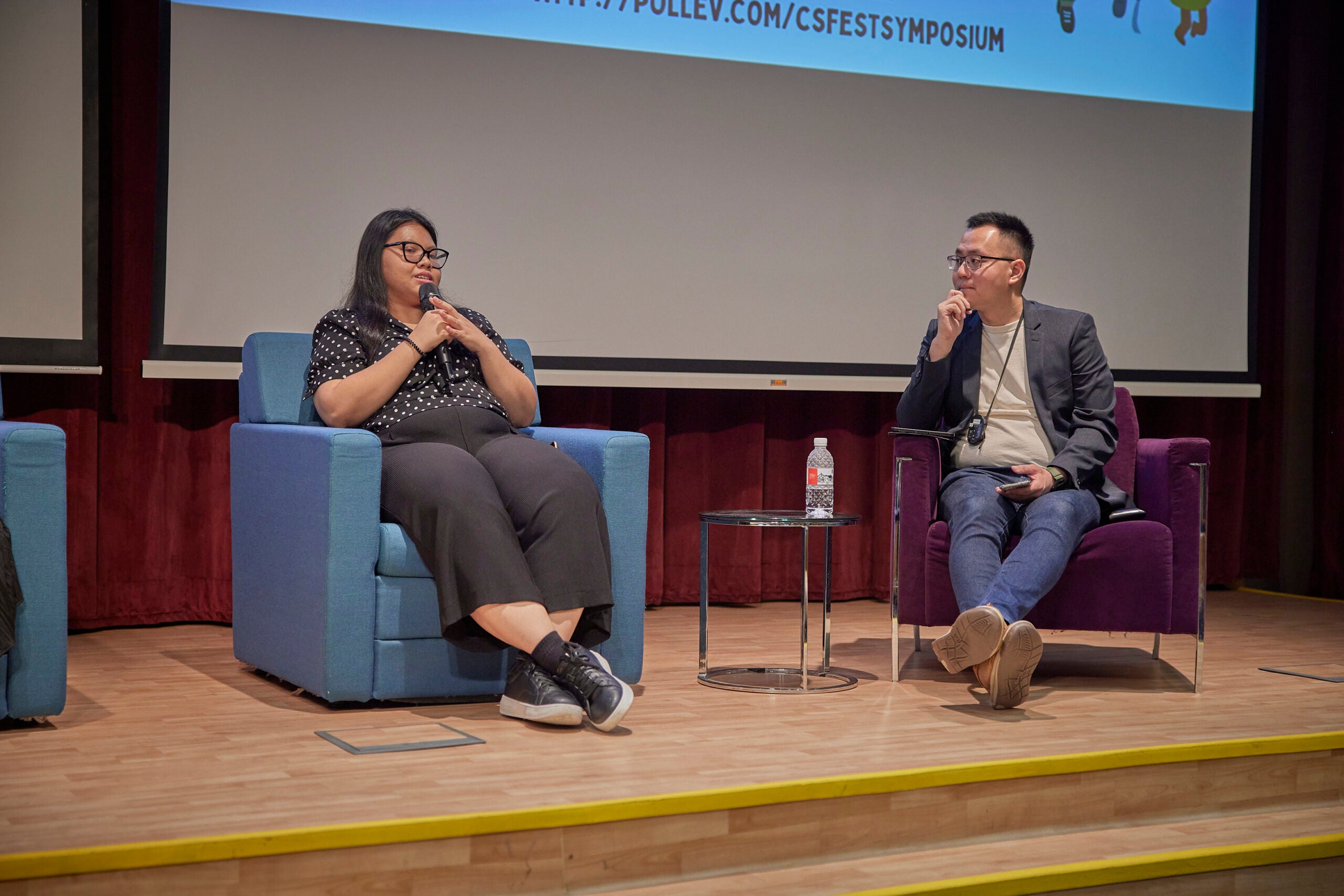
Working with Office of Student Affairs (OSA) staff advisors, Dewi appreciates how student clubs are able to engage stakeholders in a timely and innovative manner. This agility enables student organisations to pilot new approaches and bridge gaps between communities and established non-profit organisations.
The newly renovated Yusof Ishak House has created a genuine sense of family, with the NUS CSC clubroom serving as a gathering point for organising committee members, fostering closer bonds that enhance the volunteering experience.
Beyond formal meetings, the space allows students to study together, share meals and build the friendships that sustain their commitment to community service.
Looking beyond graduation
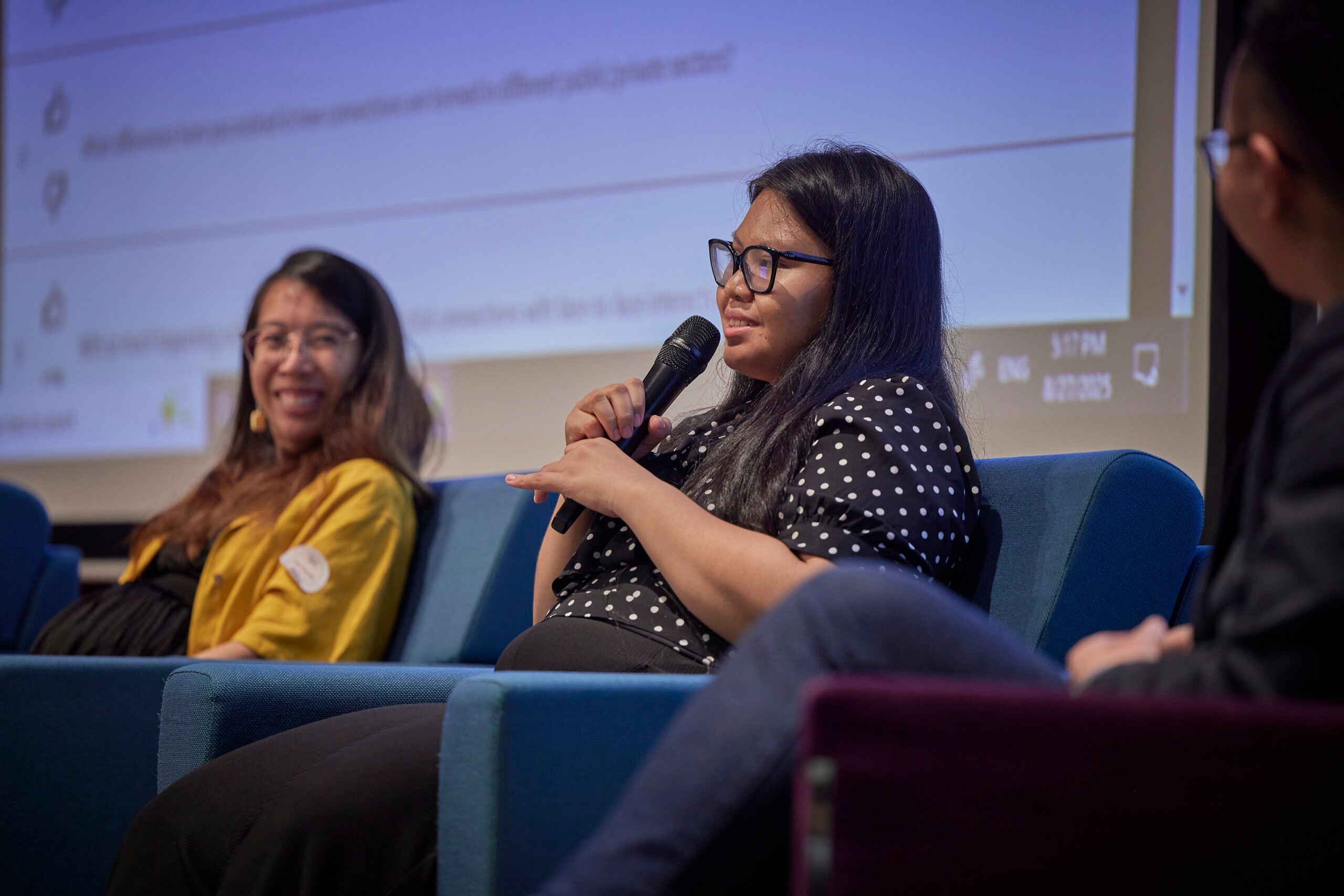
Having engaged with rural communities in Vietnam, the Philippines and Laos, Dewi dreams of contributing to global sustainable development goals after graduation. “My vision is to build scalable, sustainable initiatives that empower communities to thrive and take ownership of their development,” she says.
From volunteering in secondary school to envisioning a broader impact, Dewi’s journey demonstrates how individual growth can ripple outward to create lasting community change. Even after graduation, the “reflection culture” and sustainable approach she established at NUS CSC will continue to guide future student volunteers for years to come.
Read more at https://news.nus.edu.sg/touching-the-lives-of-those-young-and-old-through-community-service/
Credit: Office of Student Affairs