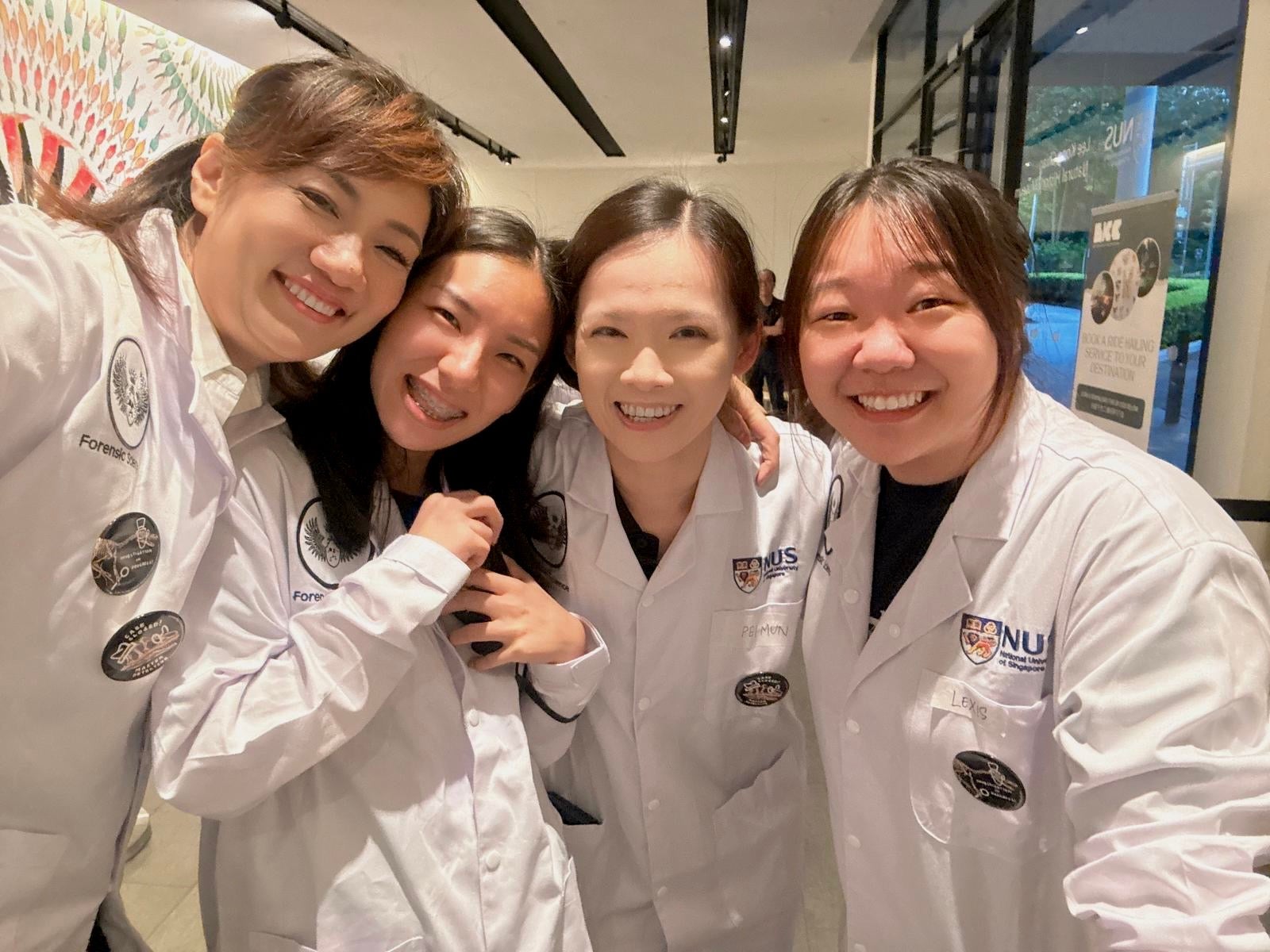
How her project became part of a larger fight
December 10, 2025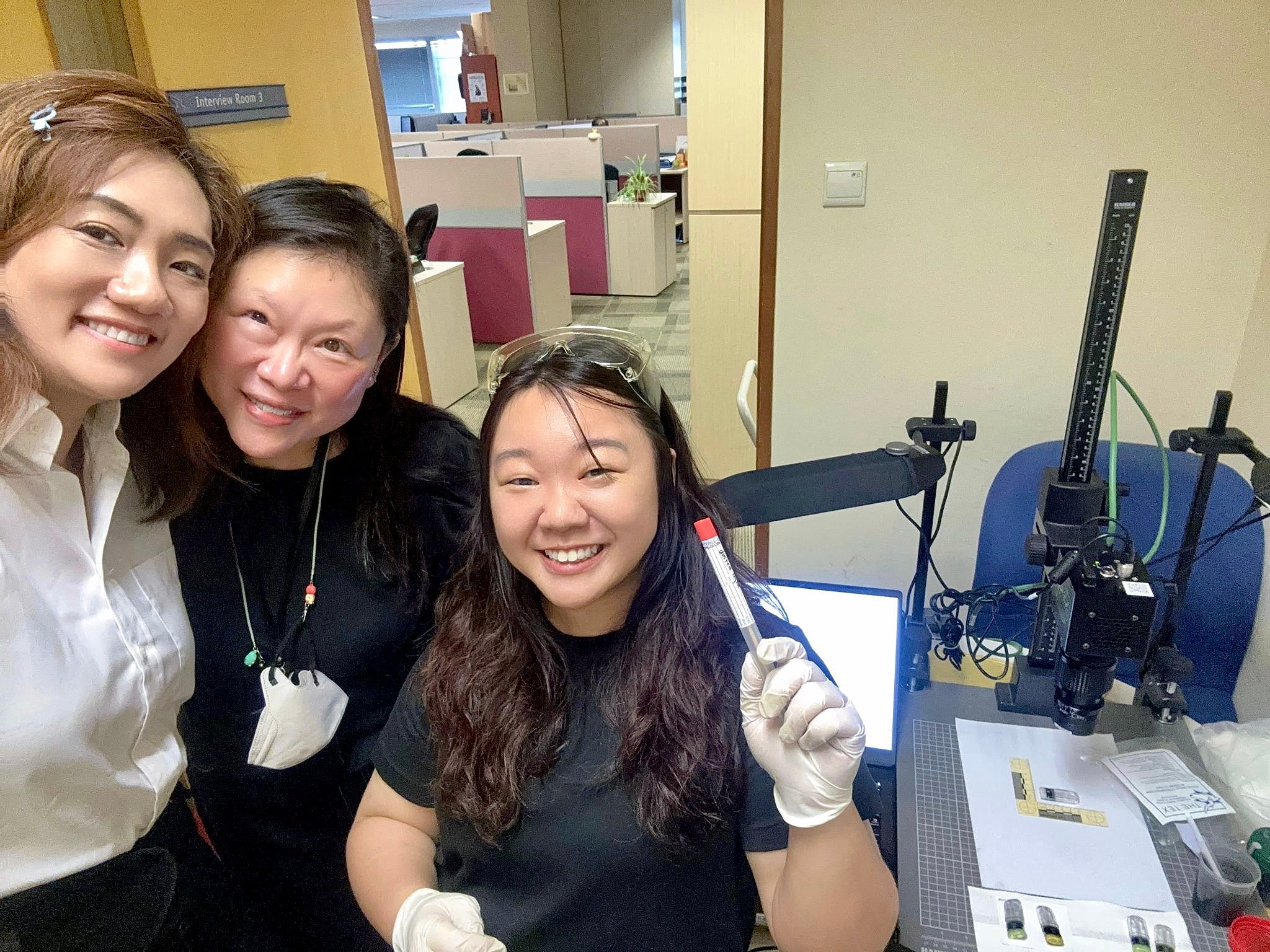
When Lexis Aw (Major in Life Sciences, Minor in Forensic Science) stepped into the laboratory for her Final Year Project, she did not expect her research – detecting and analysing components commonly found in illegal vape products – to take on greater relevance as part of the larger national conversation on the dangers of vaping.
As enforcement agencies in Singapore grapple with the rising number of vape cases and emerging public health risks, what started as an academic challenge quickly evolved into a mission: to support agencies like the Health Sciences Authority (HSA) with faster, clearer and more evidence-based tools.
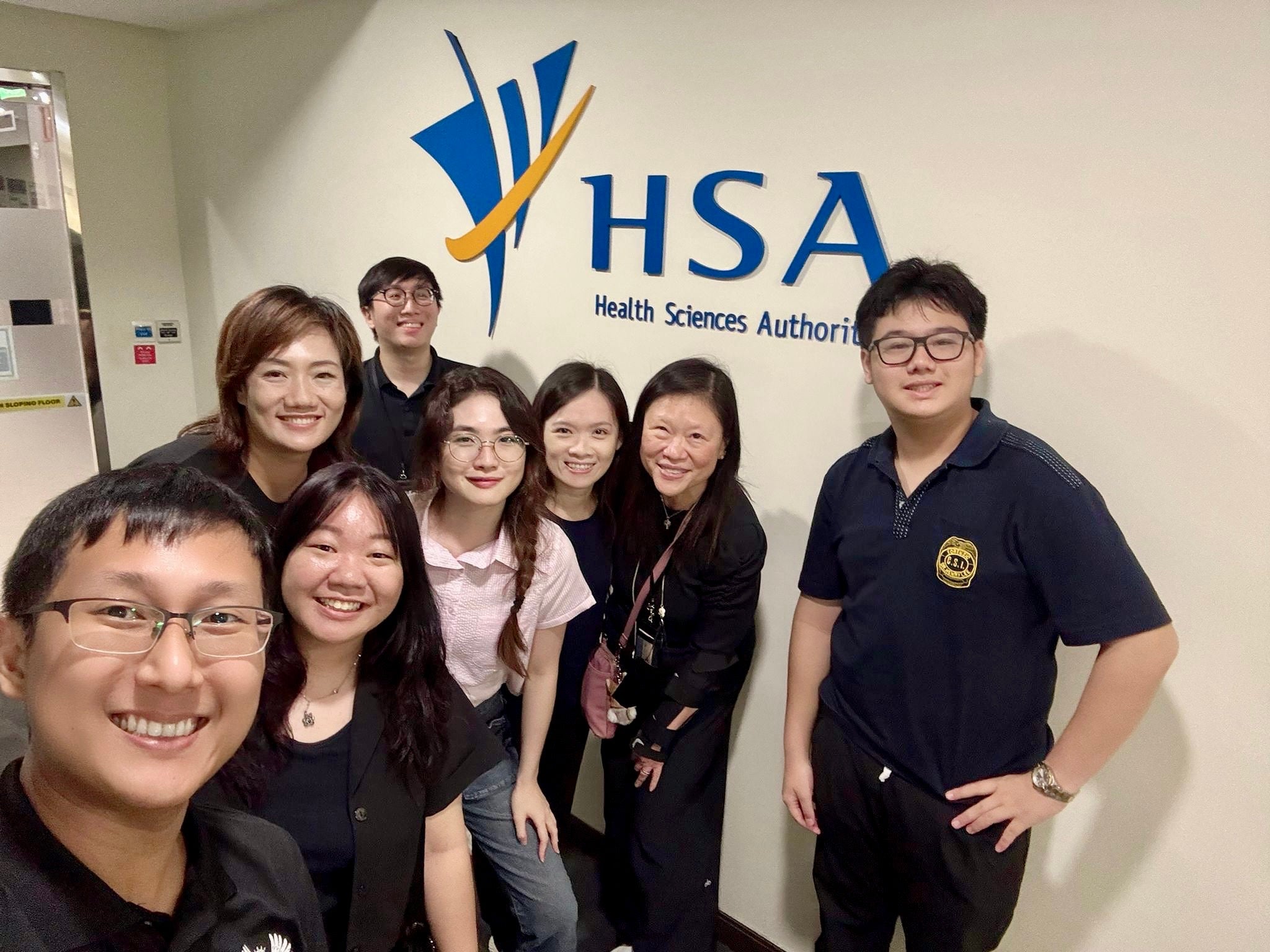
The turning point came during a visit to HSA’s Enforcement Branch. There, she met Director Annie Tan and officers who deal with illegal vapes on the ground.
“Hearing their stories made everything real,” Lexis says. “Drug-laced vapes look no different from regular ones. Officers can’t tell what’s inside just by looking at them – and that’s a serious operational challenge.”
Outside the laboratory, vapes were exploding in popularity, drawing youths with colourful packaging and the mistaken belief that they are “cleaner” or safer than cigarettes. Etomidate – one of the substances surfacing in seized vapes – was still only controlled under the Poisons Act. But just months into her project, headlines began surfacing about erratic behaviour linked to vape use. Regulations tightened swiftly and etomidate was reclassified as a Class C drug under the Misuse of Drugs Act.
She adds, “Seeing the laws change while I was working on the project made me realise how quickly the situation was evolving – and how much enforcement needs scientific support.”
At the heart of her project lies a deceptively simple question: Is it possible to determine both what is inside a seized vape and who handled it – on the spot?
Currently, officers send every suspicious device back to a laboratory for analysis. This slows operations and constraining decisions that can be made in real time. An added complication: individuals often deny ownership of vapes, making it difficult to link a person to a device.

Lexis’ research bridges the gap by exploring whether fingerprints and DNA traces recovered from a single vape can be analysed alongside its chemical contents, creating a double-layered identification: the “who” and the “what.”
If successful, this in situ approach could significantly impact enforcement work – allowing officers to intervene earlier with potential underage users and apply appropriate penalties, drug testing procedures or rehabilitation pathways.
One of her most unforgettable moments unfolded the day she and her supervisor, Prof Stella Tan, went to HSA to collect vape samples for testing. They were met with surprise news: because etomidate had just been upgraded to a Class C drug, they were no longer permitted to bring the samples back to NUS.
“The samples were literally sitting in front of us,” she says. “And we couldn’t take them.”
What could have derailed the project instead became a catalyst. Rather than wait out clearance requirements, the team brought their equipment into HSA and conducted the analysis there.
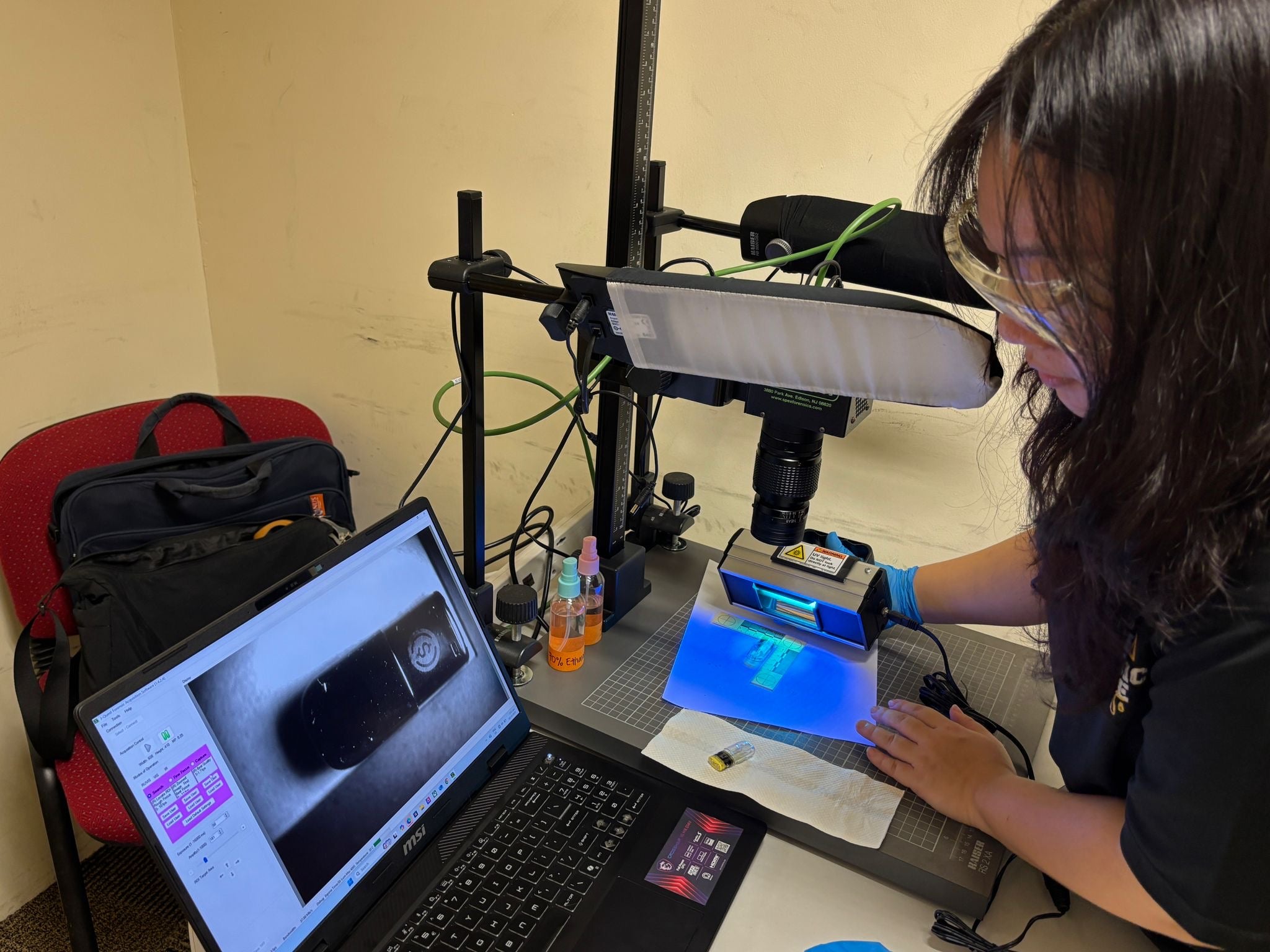
“It felt like a real-life scenario – performing tests exactly where the evidence is found. In a way, it brought the whole ‘in situ’ concept to life,” Lexis says.
Through months of experimentation, troubleshooting and navigating regulatory shifts, she left the project with one major lesson: scientific rigour is essential in enforcement. When a methodology is validated and reproducible, officers have the confidence to act. Strong science makes it harder for offenders to dispute evidence- and that matters.
Lexis’ hope is that the work can one day help officers rapidly screen seized or abandoned vapes, improving both operational speed and accuracy.
“Some people think that ditching a vape means they can’t be linked to it anymore. But the methods I’m exploring may eventually help challenge that assumption.”
Throughout the journey, Lexis found strength in the mentors – Assoc Prof Stella Tan, Director Annie Tan, Dr Shawn Lee, Dr Lim Xin Xiang, Danielle Sng, Woo Pei Mun and Chen Zhichao guiding her through shifting regulations, field visits and long laboratory hours. Their support, she says, grounded her whenever the situation onsite changed quickly and turned her project into something more than a curriculum requirement – it became a contribution, however modest, to a broader fight against illegal vapes and the harms they leave behind.