From spreadsheets to sushi – and fresh perspectives
September 03, 2025
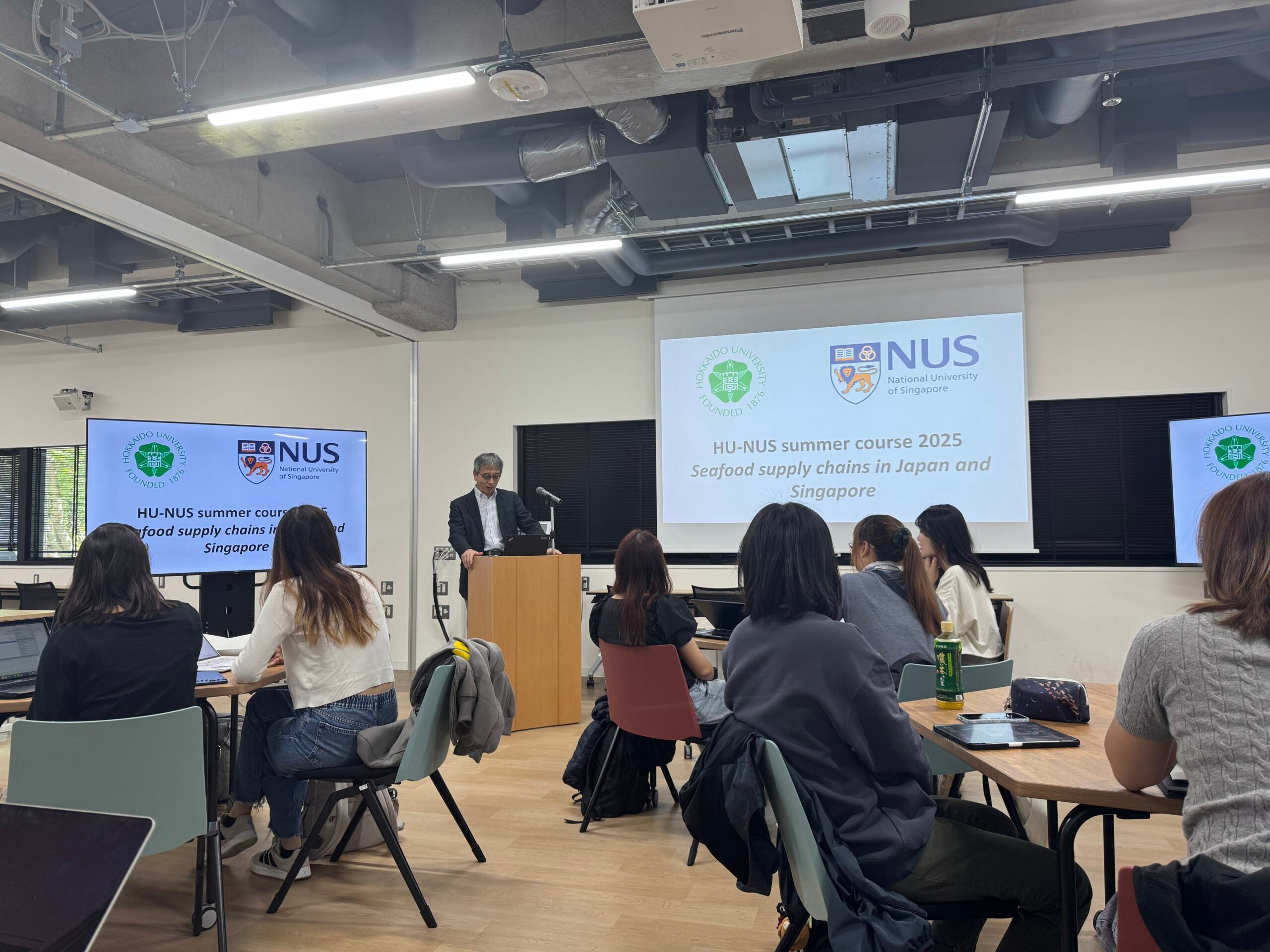
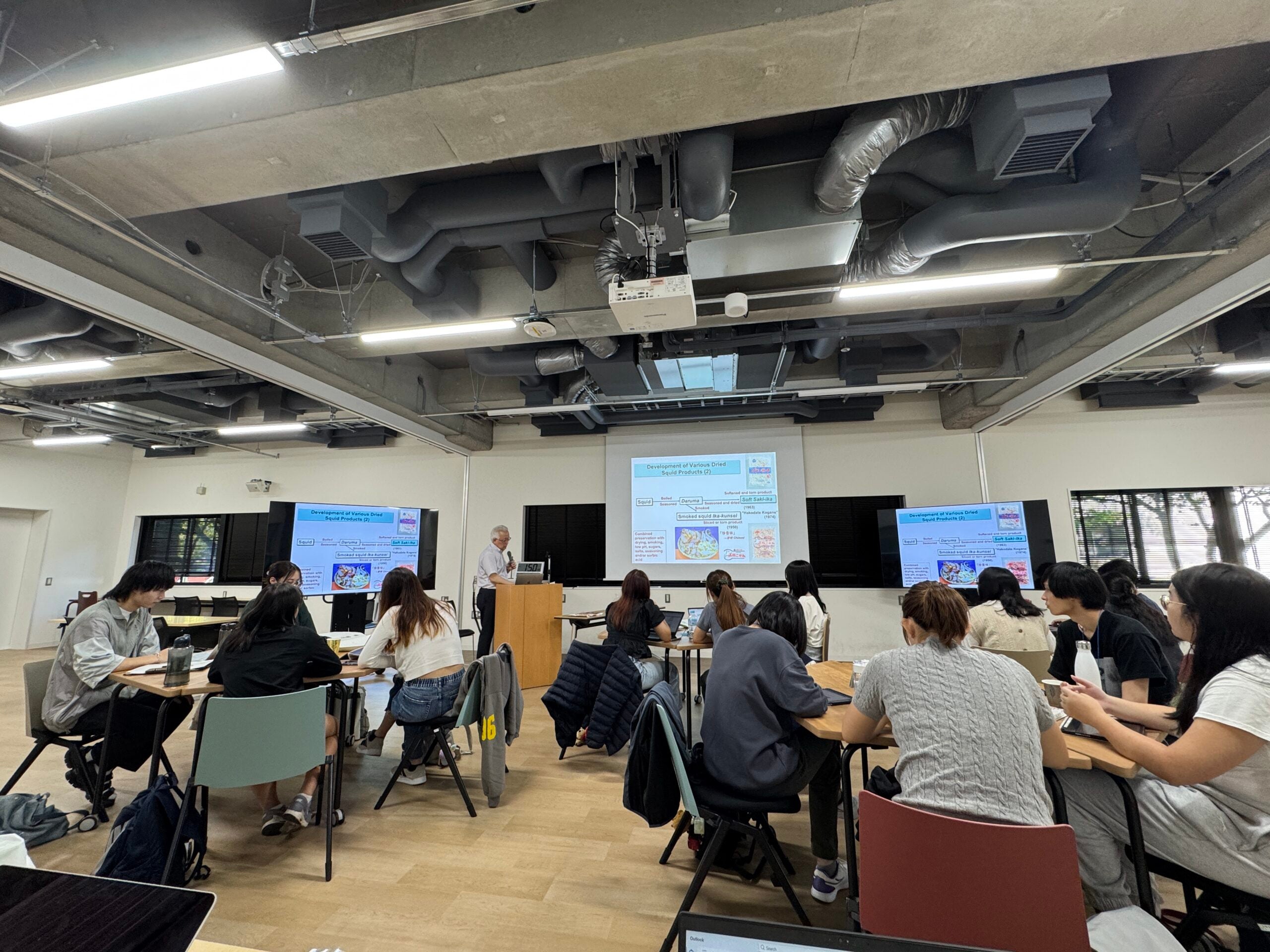
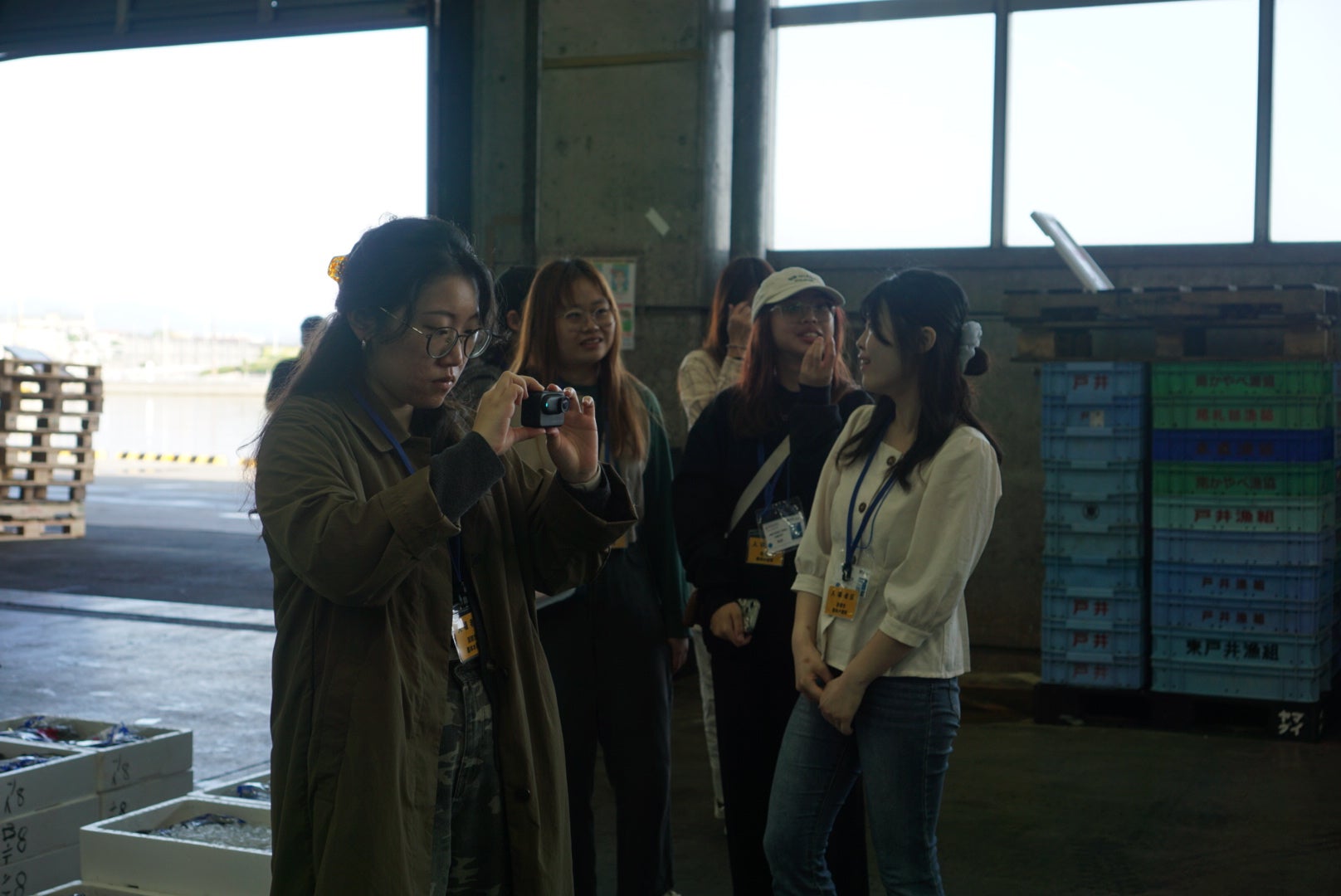
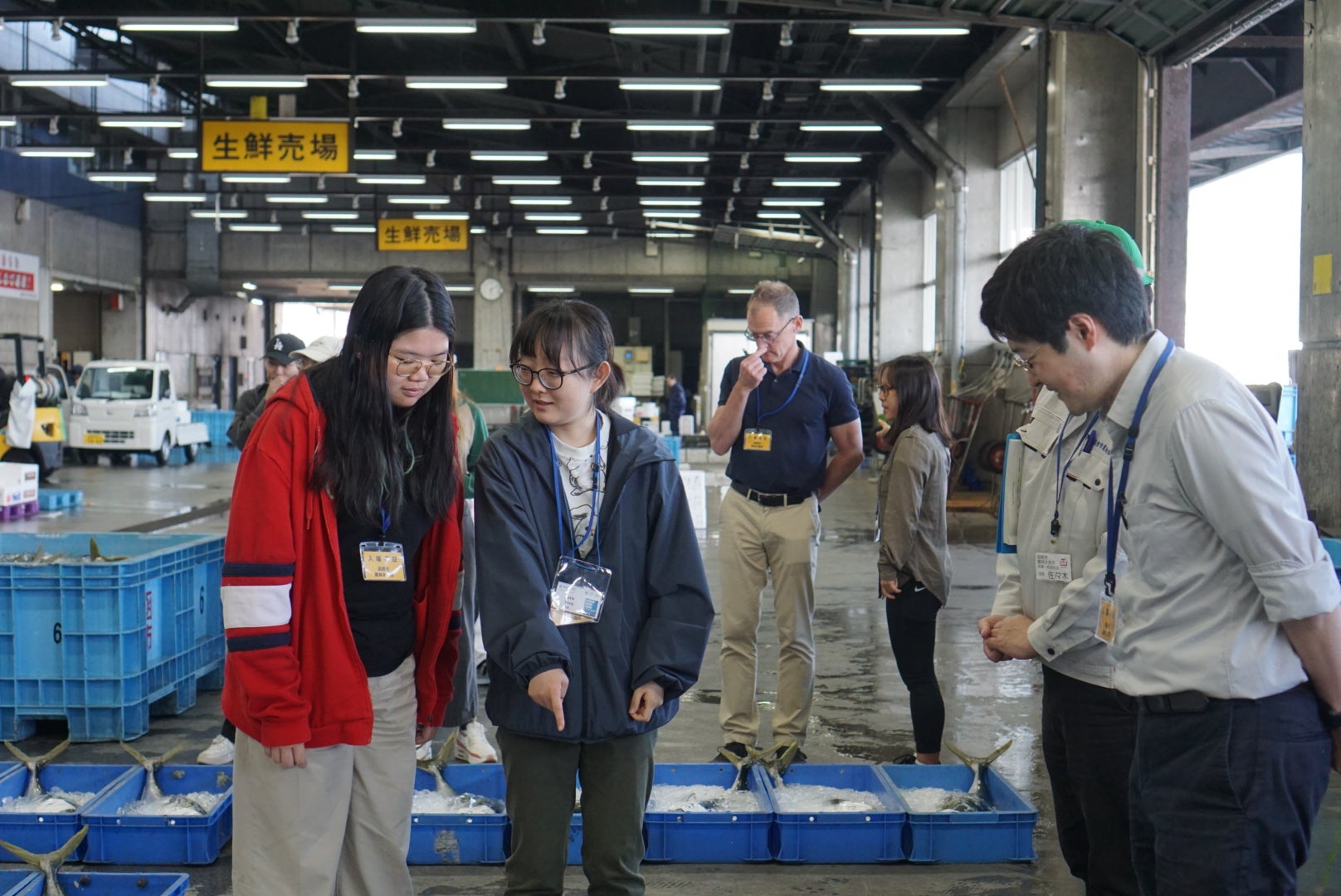
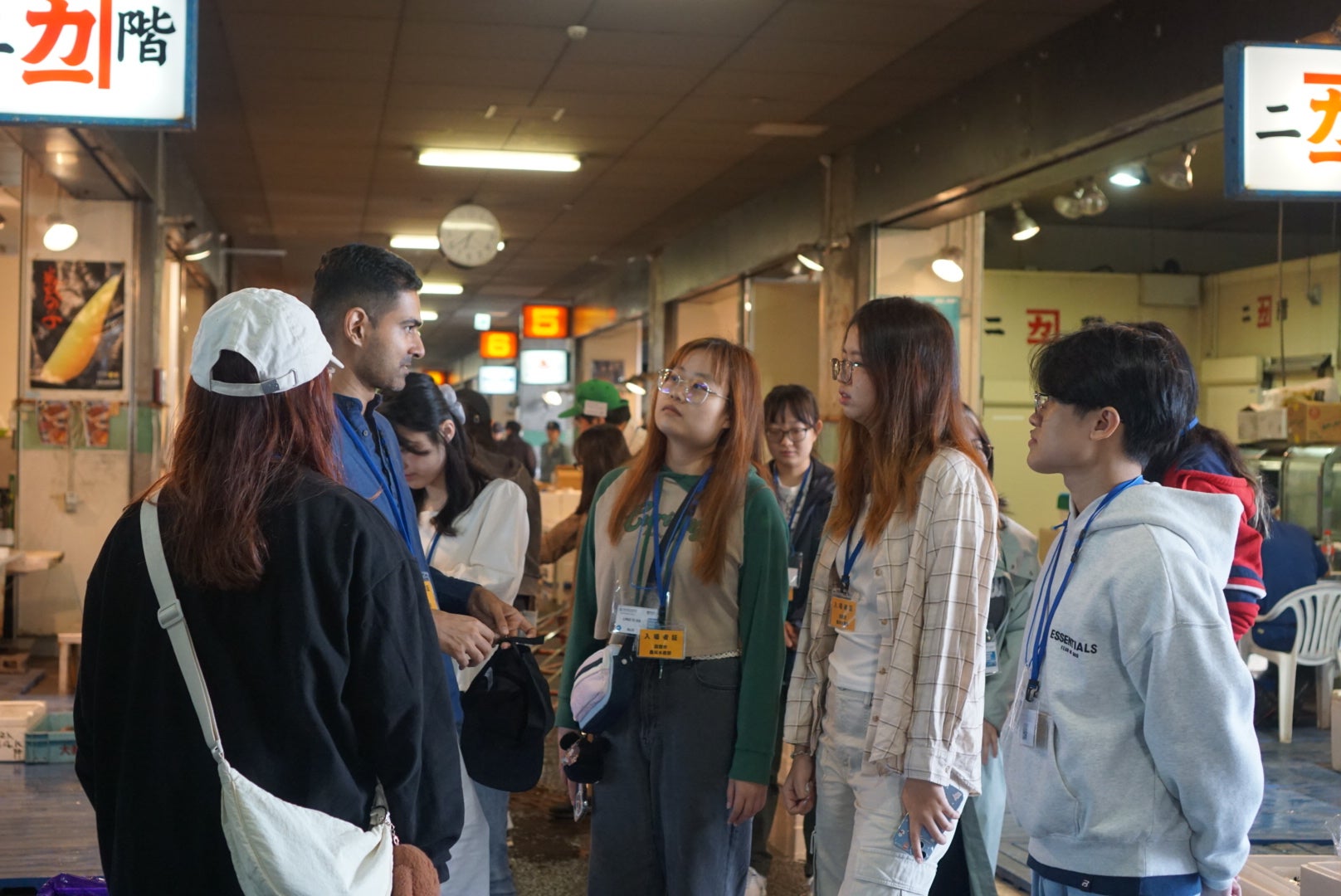
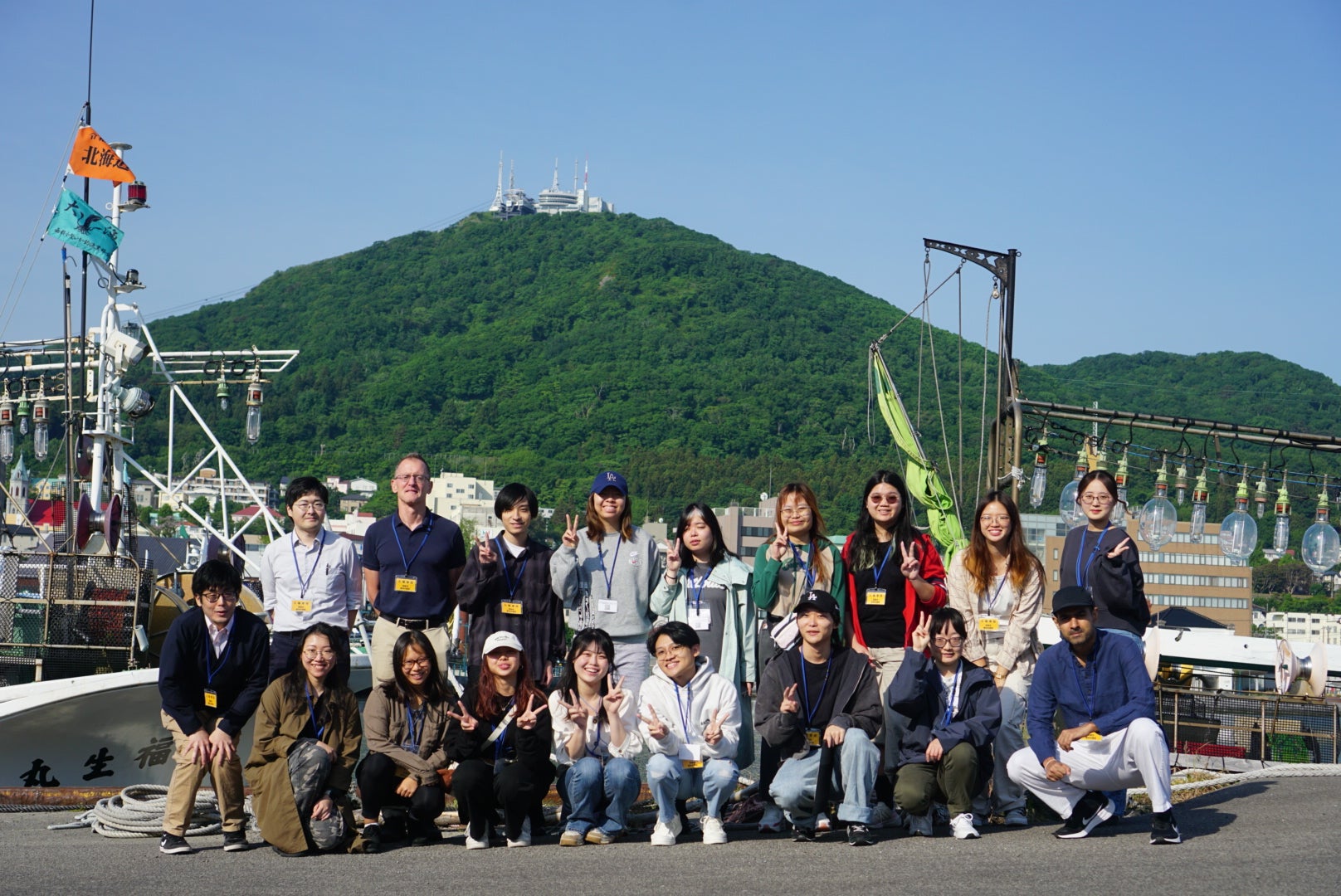
When Data Science and Analytics student Hu Can signed up for the NUS-Hokkaido University Summer Programme FST2204: Seafood Supply Chains in Japan and Singapore,it was truly a dive into uncharted waters. After all, it is not every day that a data science student steps into the world of food science.
Venturing overseas for an immersion programme focused on the centuries-old seafood industry in Japan and Singapore may seem a world apart from coding, models and algorithms. But for Hu Can, the programme offered a unique opportunity to connect theory with practice – in unexpected ways.
Can technology and data drive impact in traditional industries like seafood? Hu Can shares her learnings from her experience.
What motivated you to sign up for the programme?
Iwork with models for demand forecasting and supply chain optimisation. However, I have always felt that real-world context is essential to understand the assumptions behind the data.
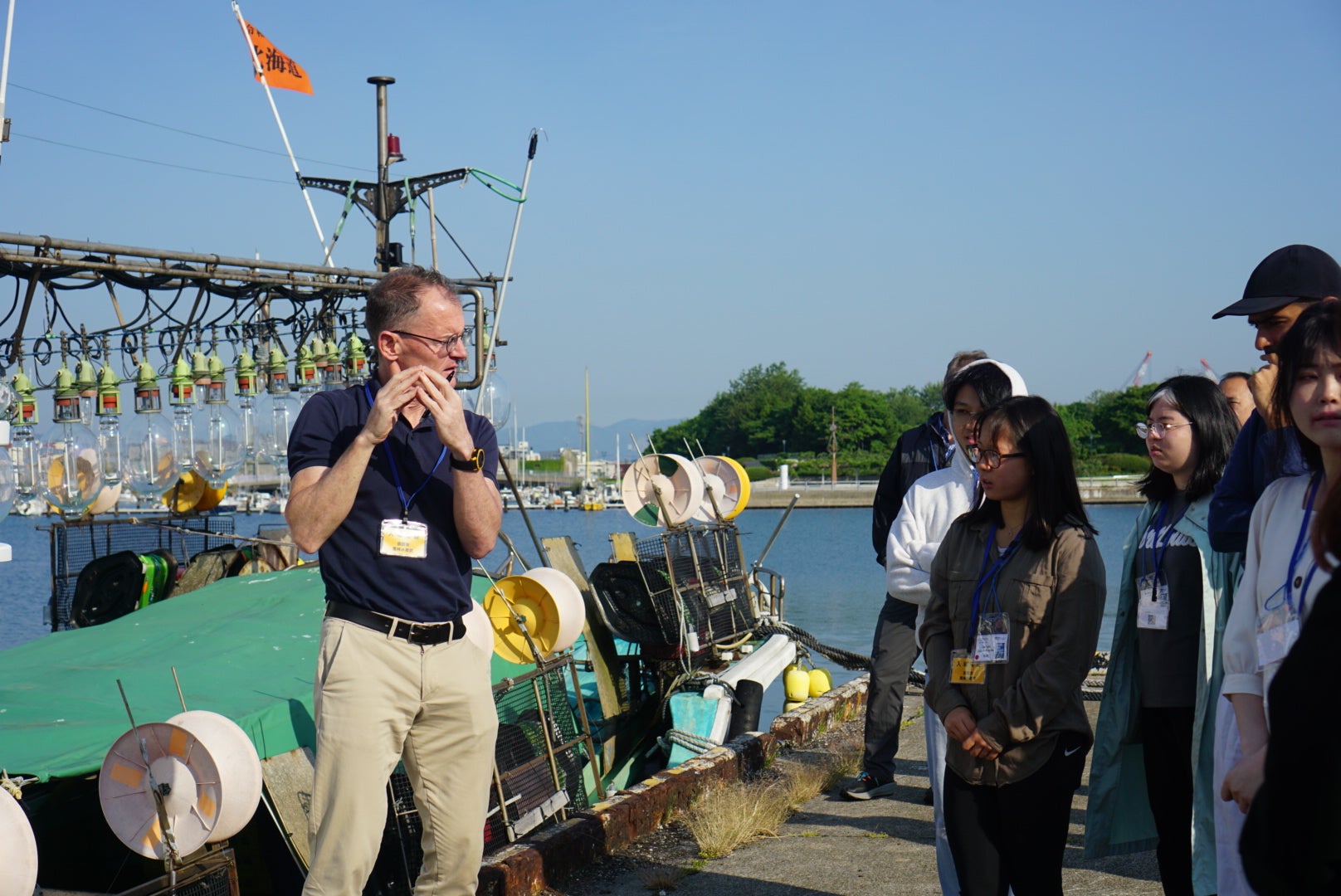
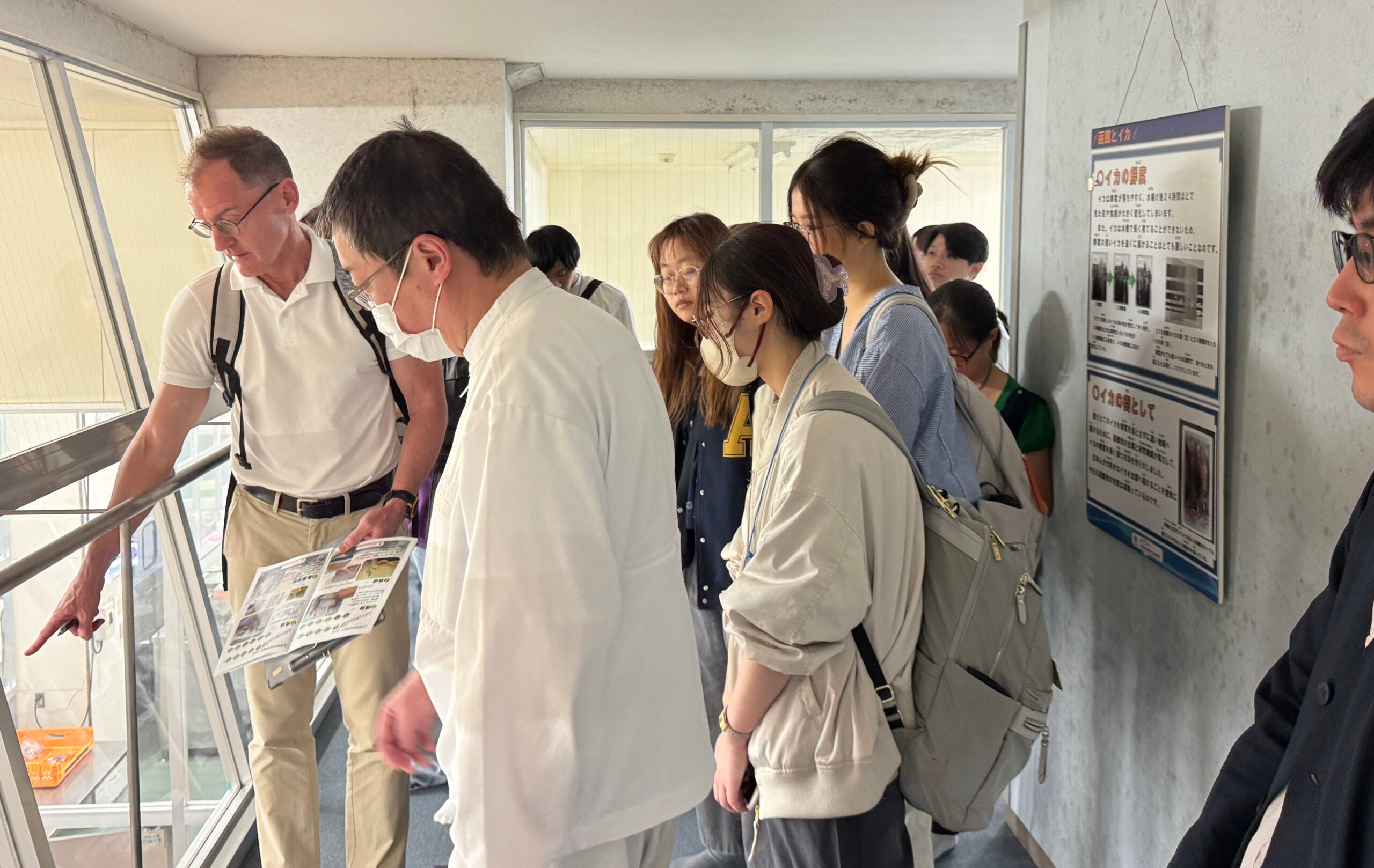
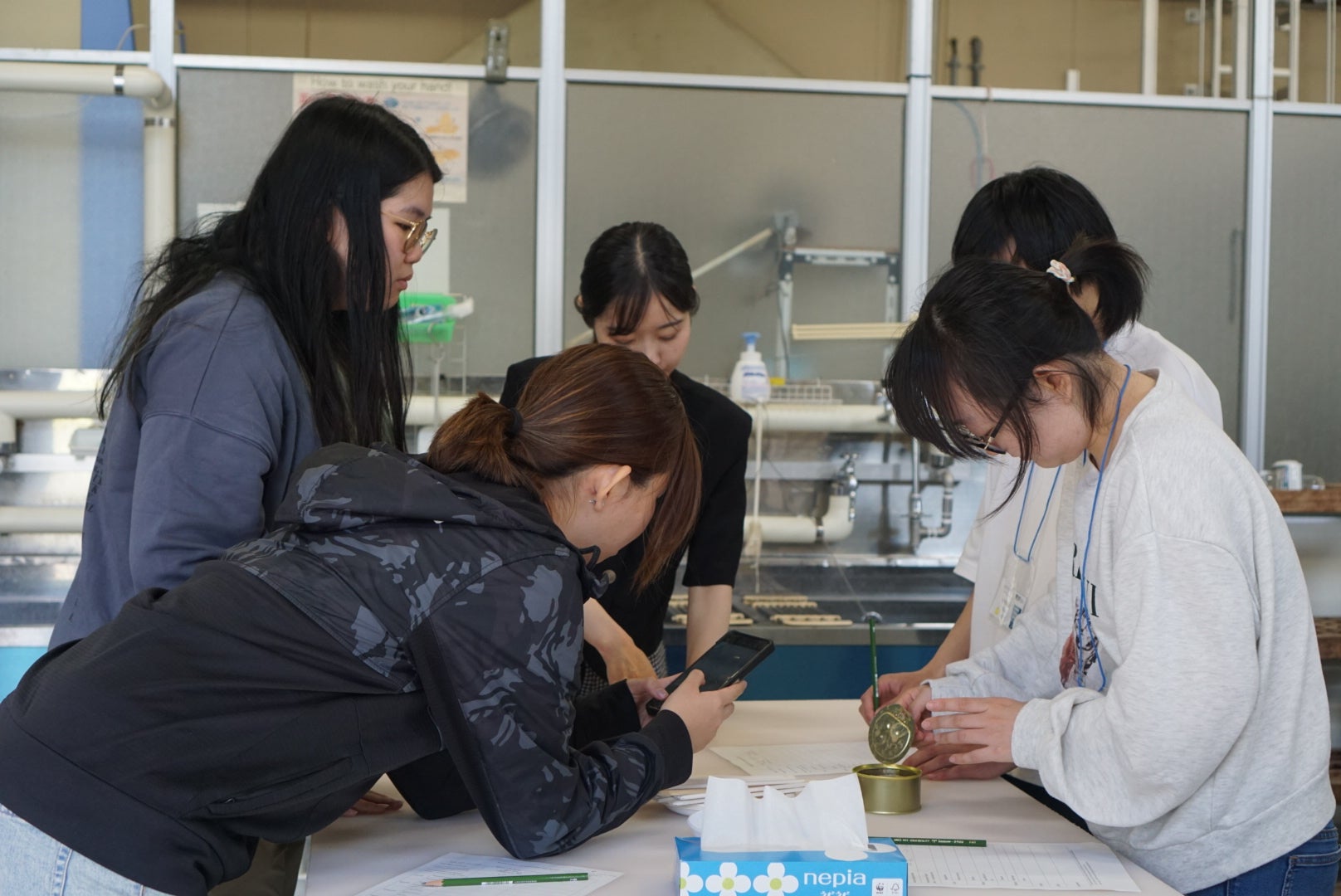
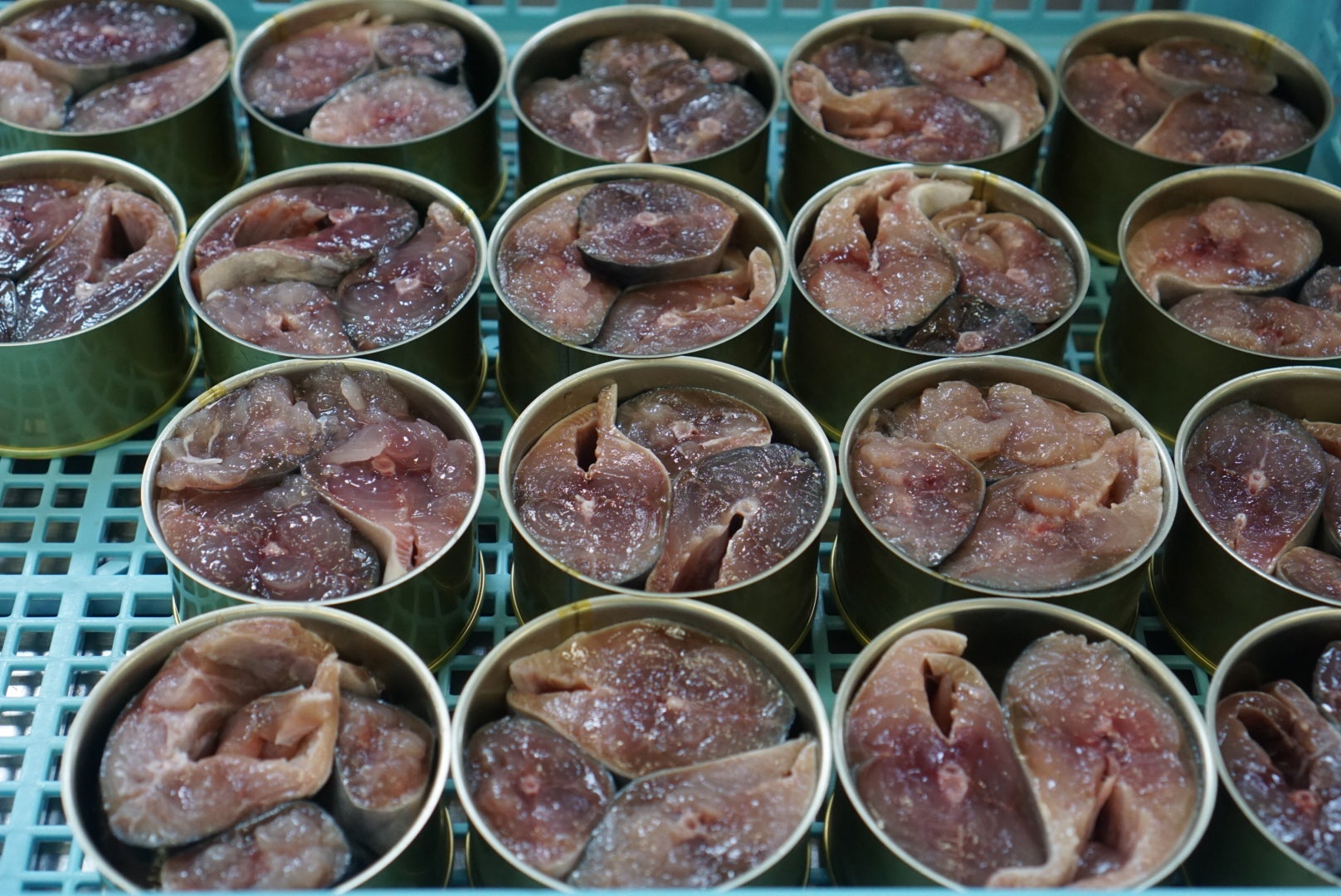
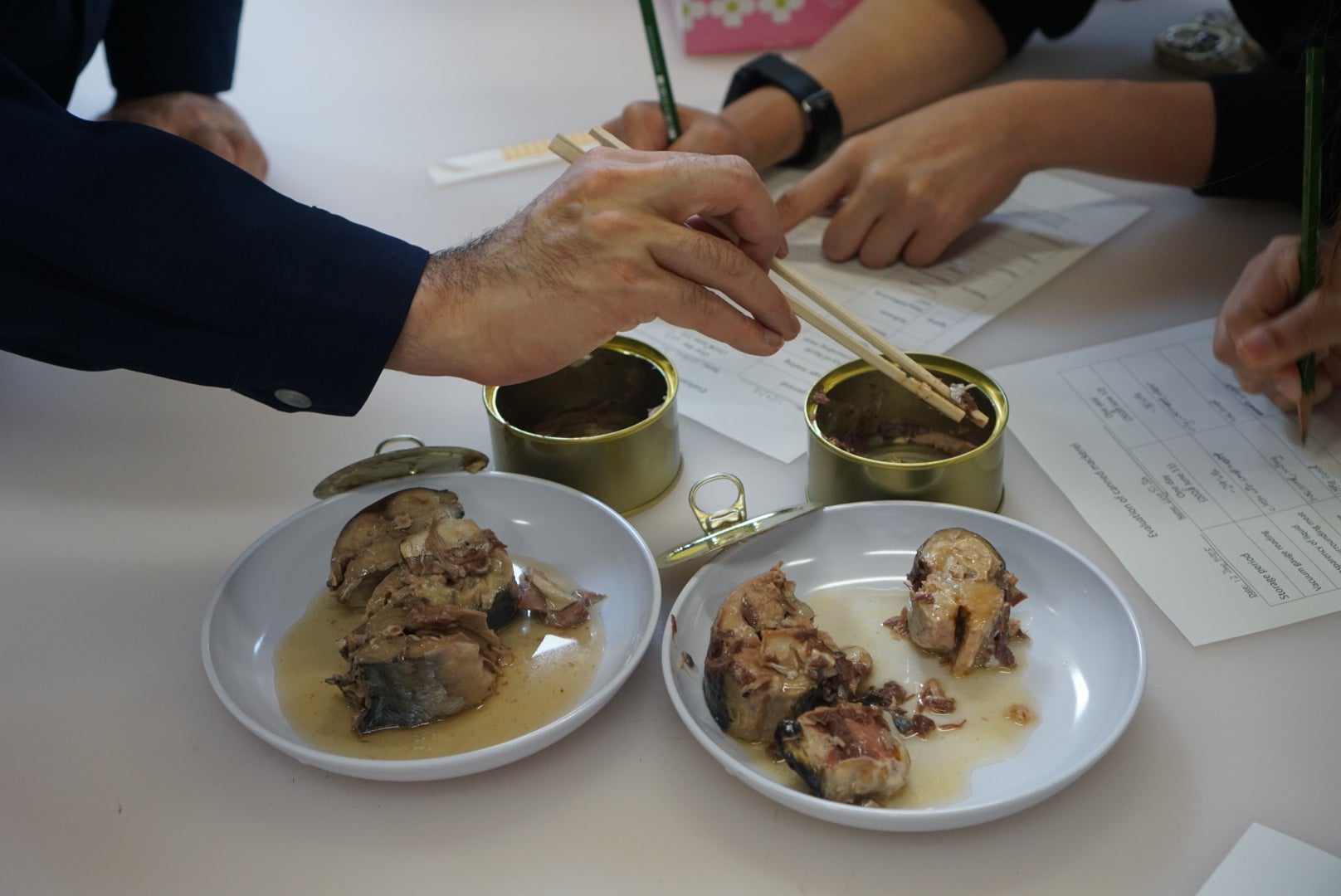
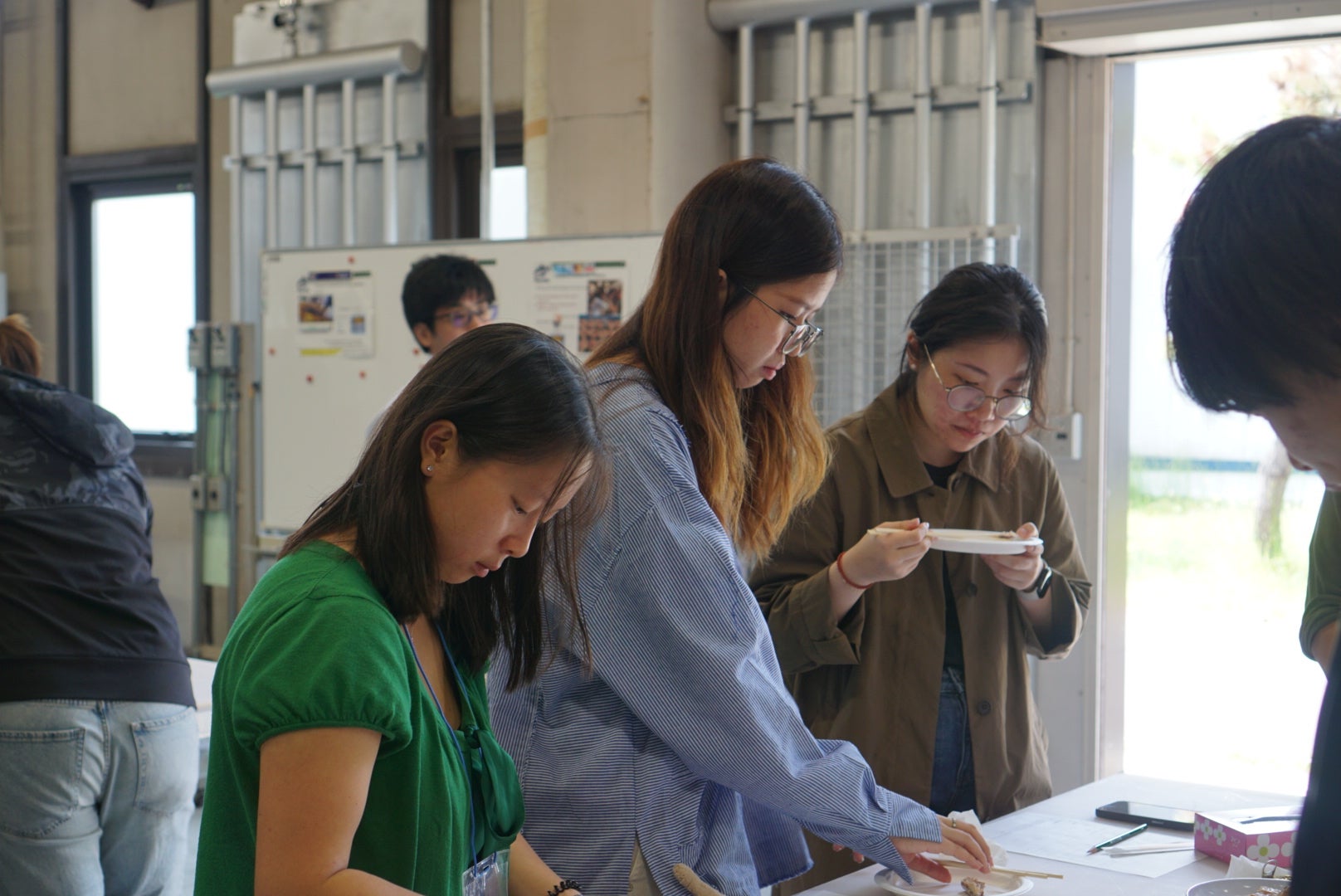
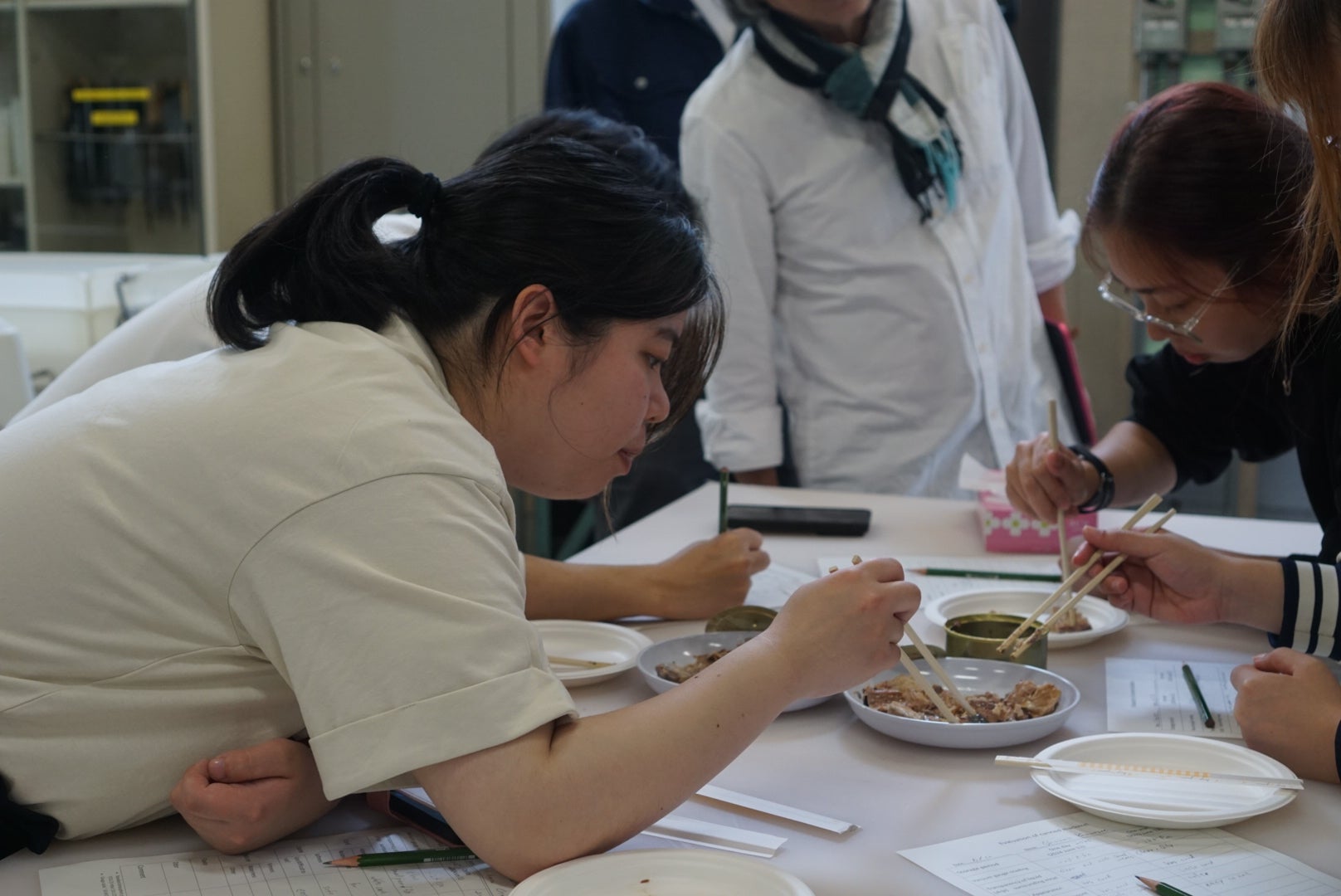
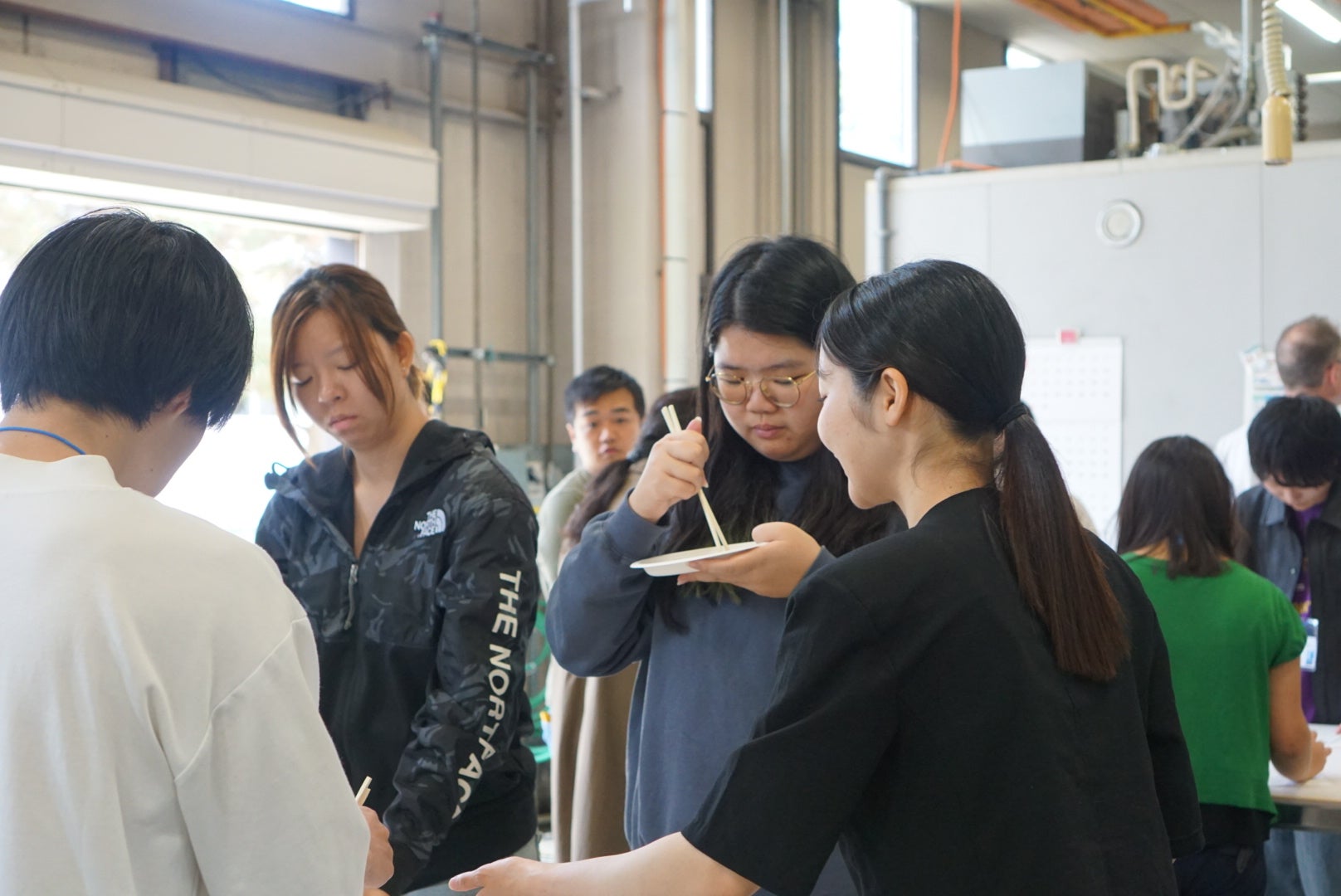
I joined this programme because I wanted to explore how a supply chain operates end-to-end, especially in the seafood industry – which is logistically complex due to factors like perishability, seasonality and capture variability.This field trip offered a rare opportunity to observe these dynamics firsthand.
How did the experience contribute to your intellectual growth?
This experience challenged me to think beyond a single discipline. One example that stood out was the issue of declining squid harvests. This is not just a biological or environmental concern – it also has economic, social and even political implications.For instance, adapting to reduced squid availability affects fishing infrastructure and consumer habits. Promoting alternative seafood options may require policy intervention and public education.
This made me realise that real-world problems often have no simple solution and that solving them requires integrating perspectives from science, economics and society.
From an academic standpoint, this trip helped me understand the structure and challenges of a real supply chain, including its many stakeholders: fishermen, processors, wholesalers, retailers, restaurants and consumers.In particular, I learned how uncertainty in seafood capture, perishability and tight timelines influence decisions at each stage.
These insights give me a much clearer picture of the constraints behind data – which will help me build more realistic models and interpret results with better domain awareness.
Did you encounter any challenges during the programme? How did you overcome them?
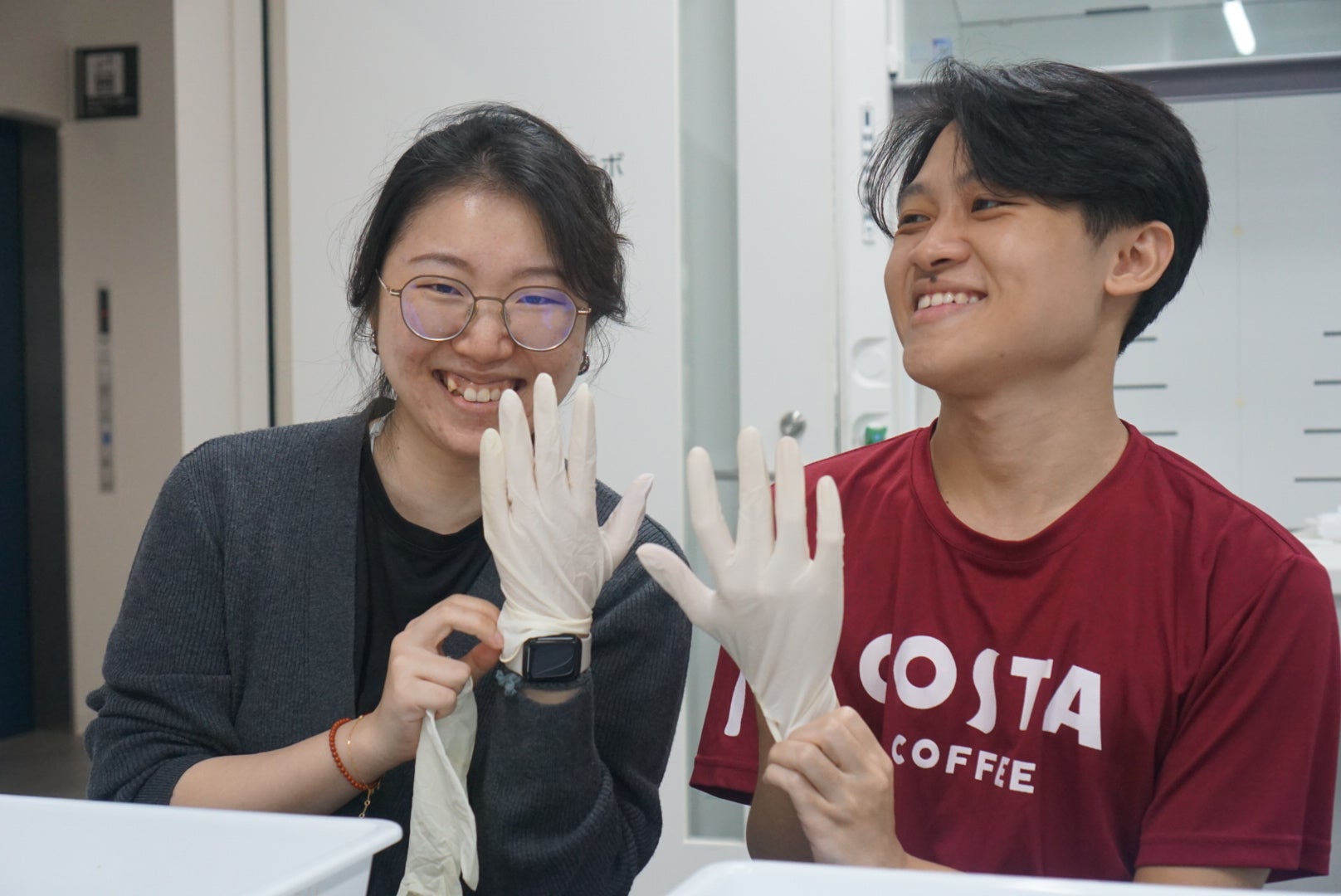
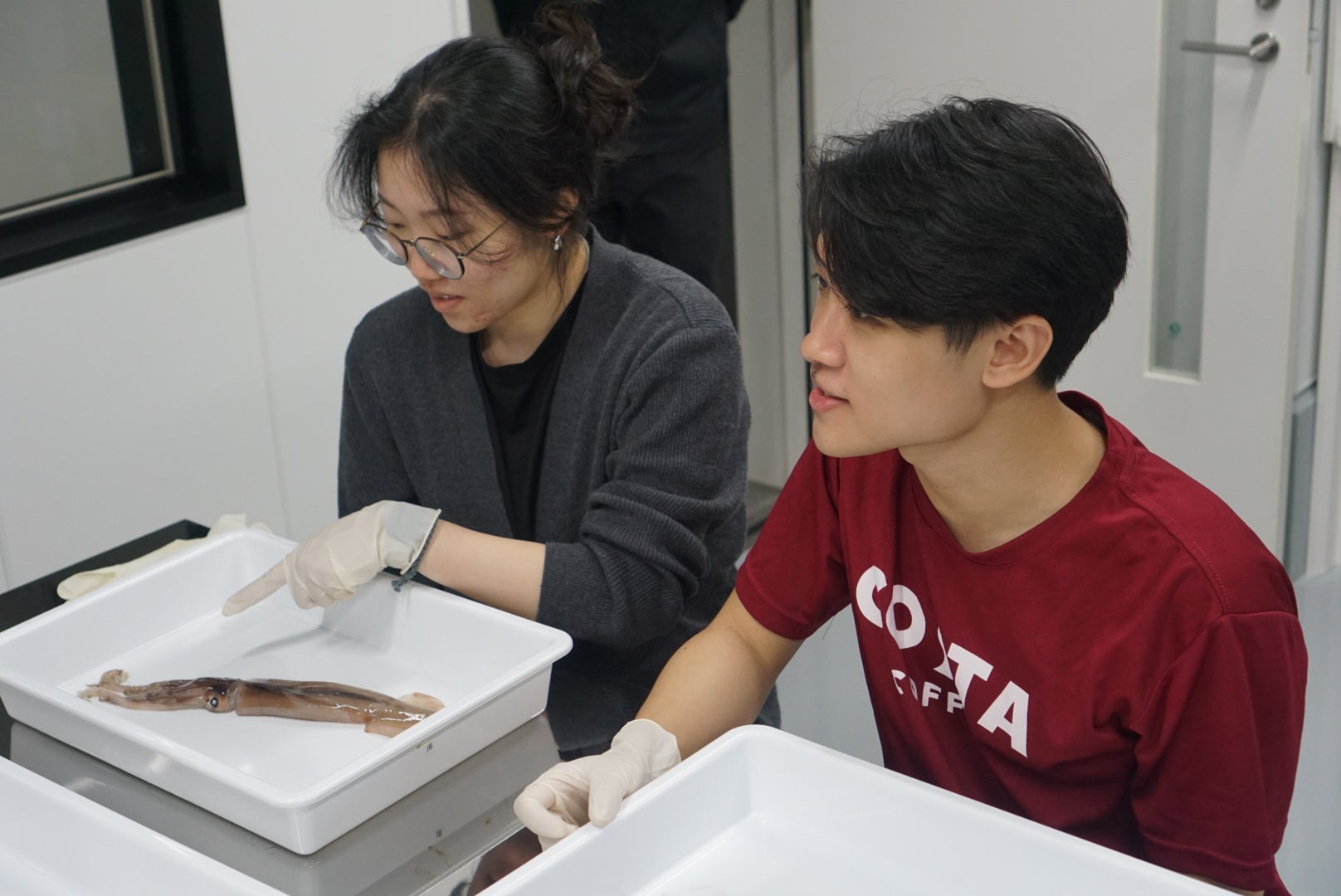
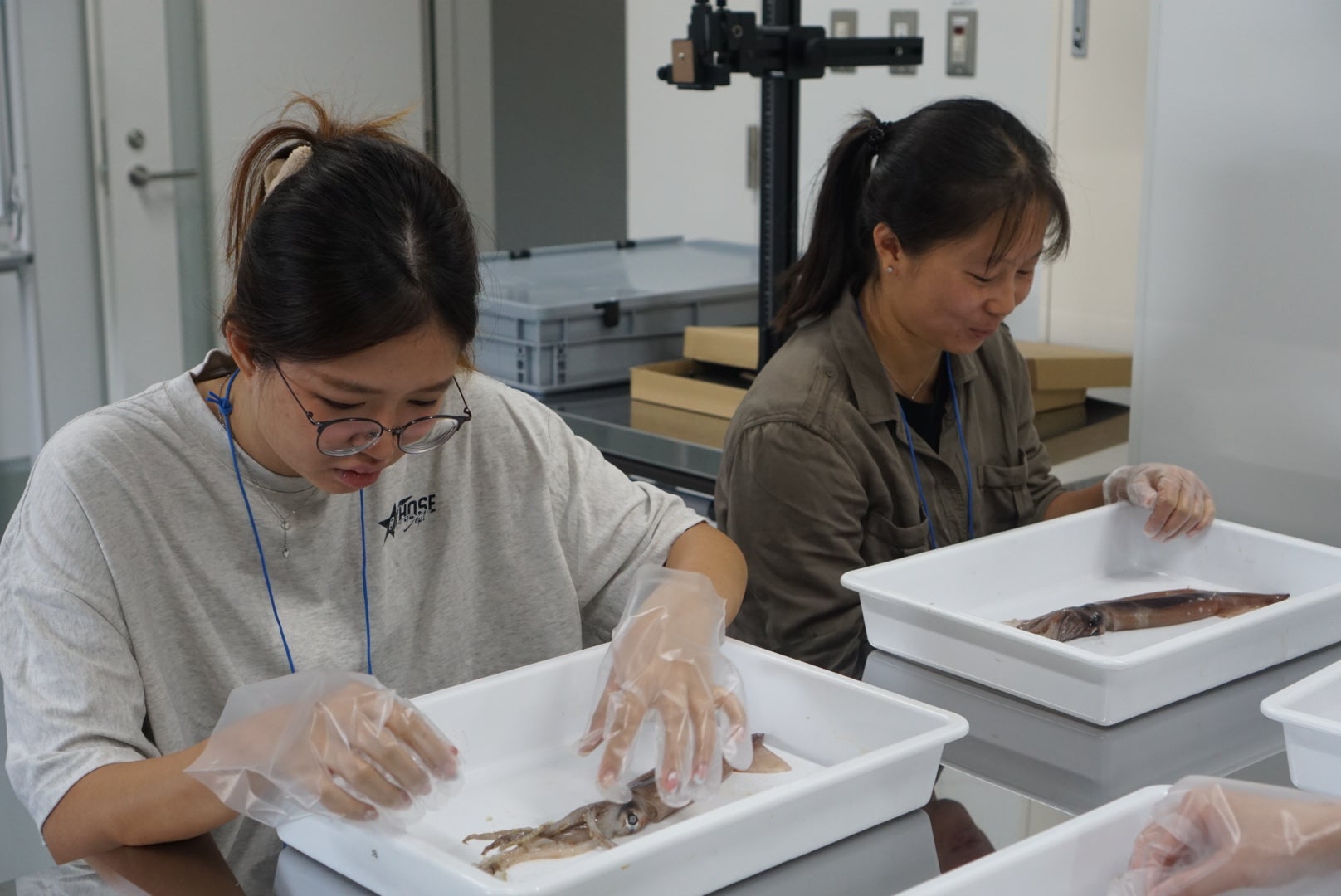
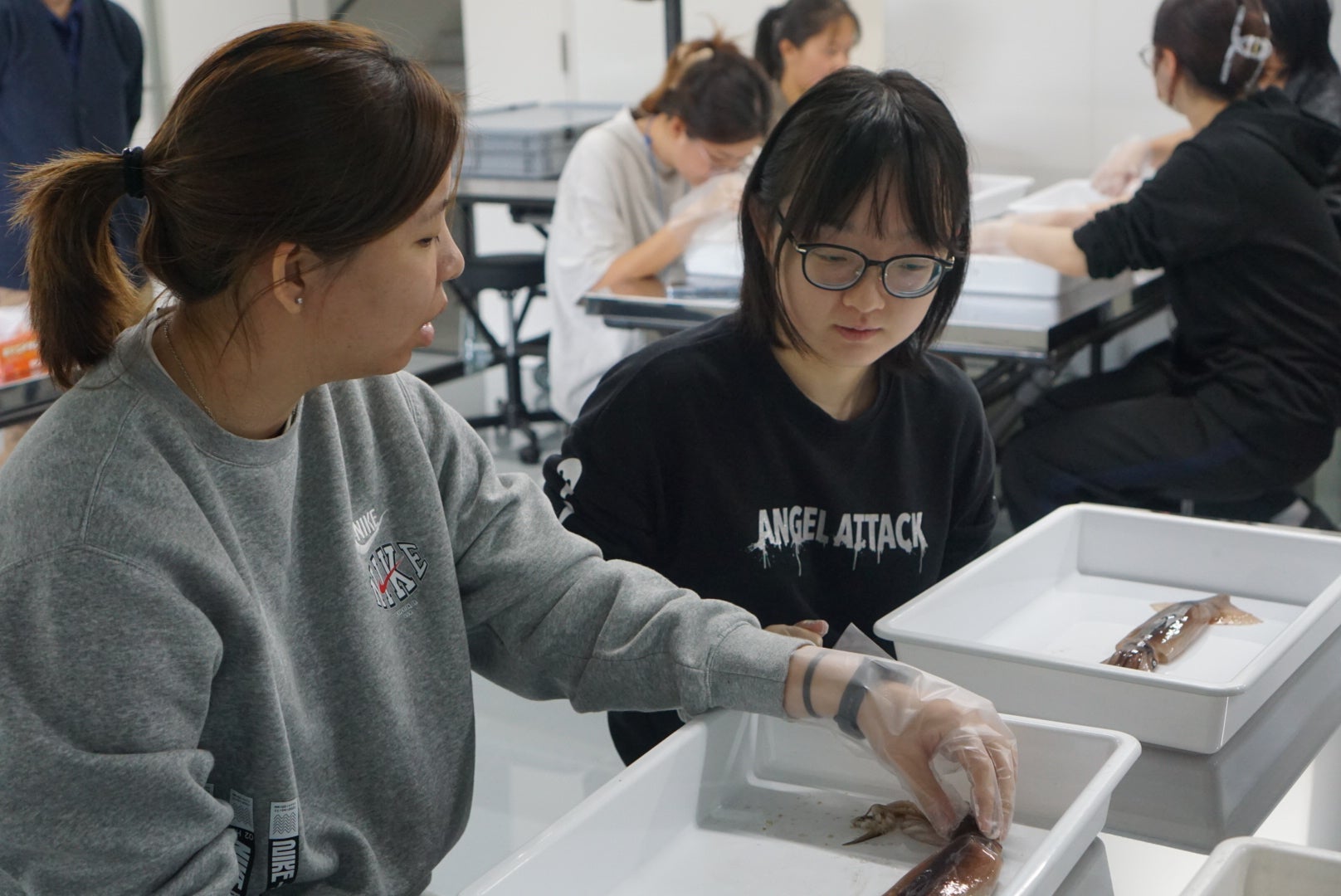
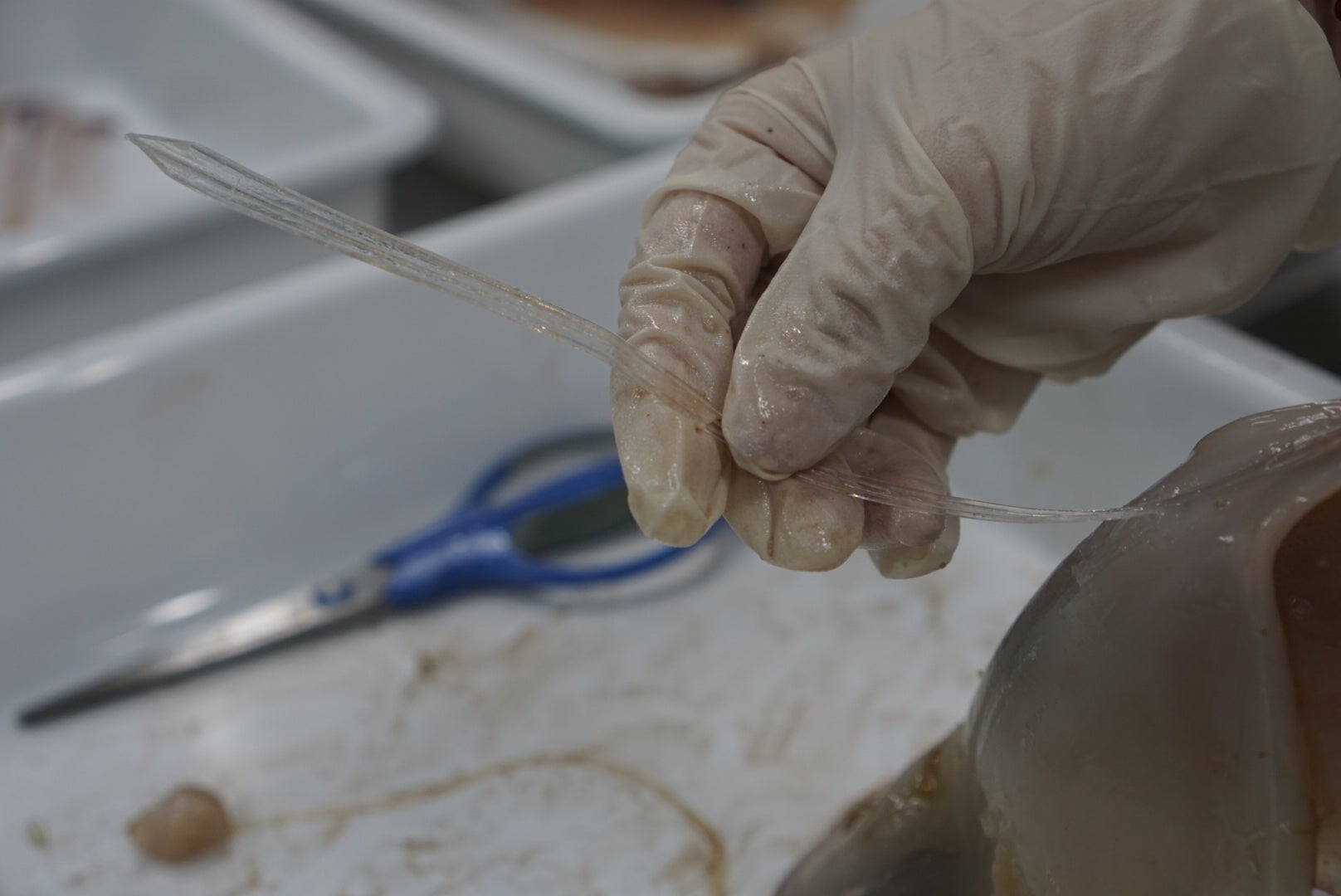
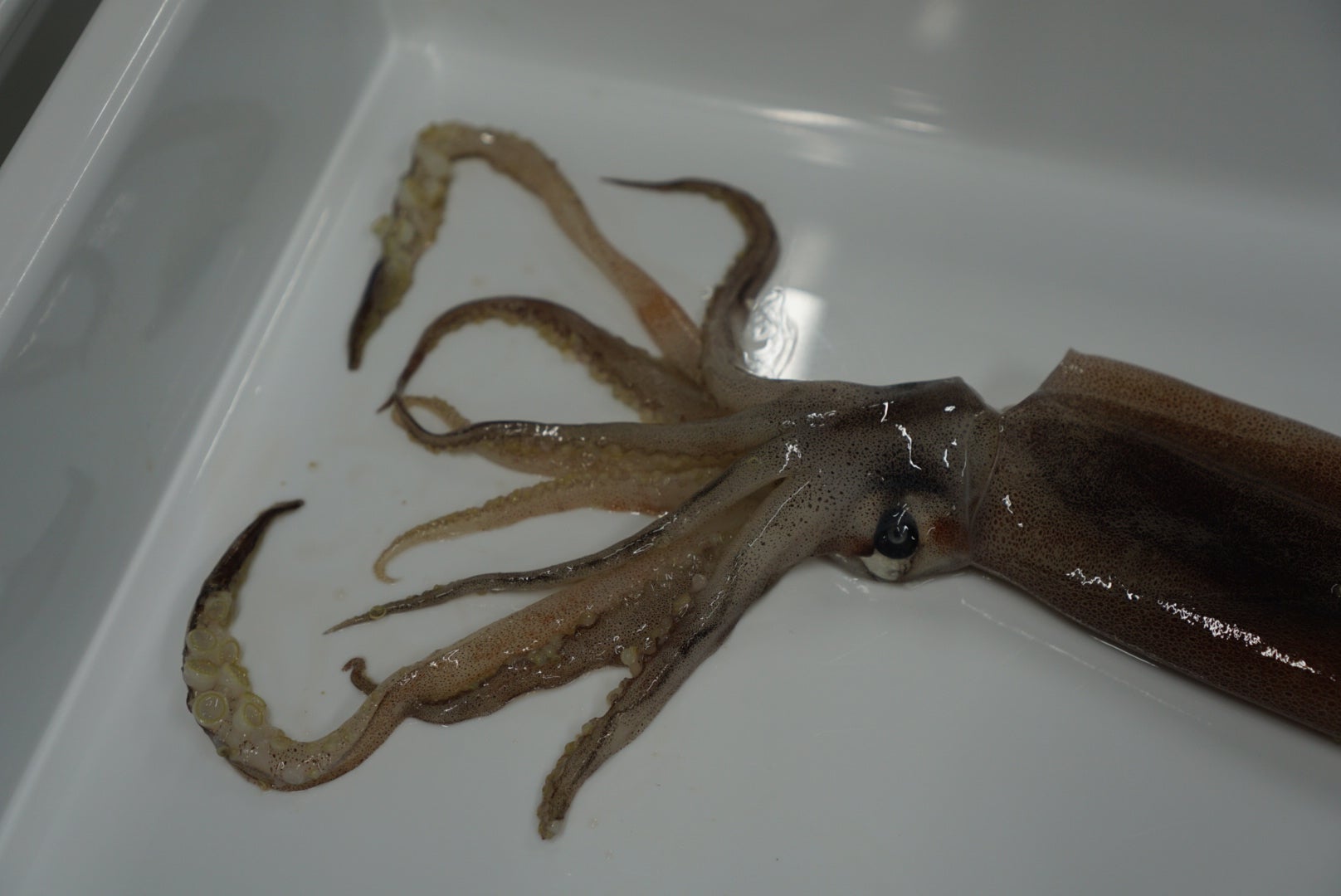
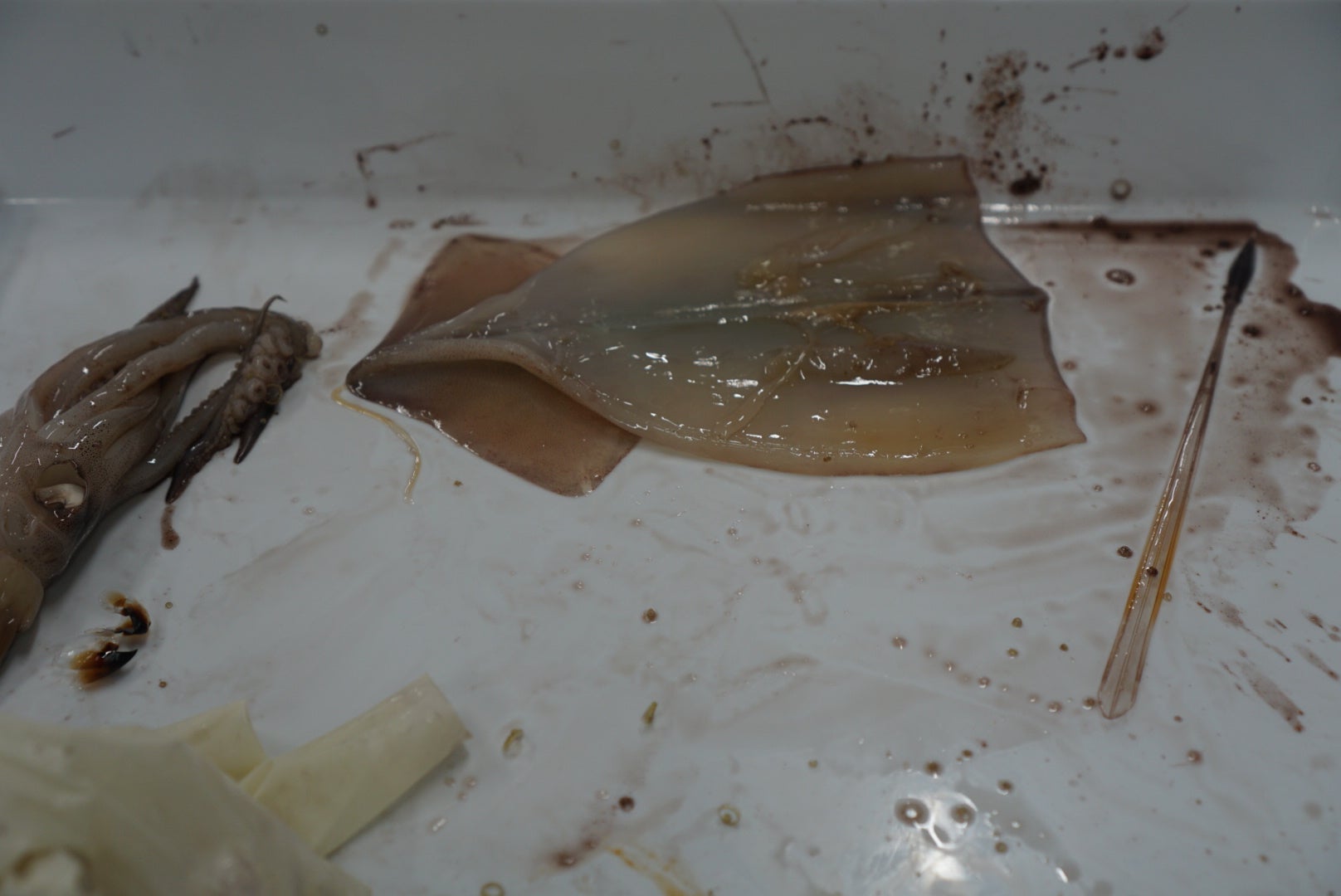
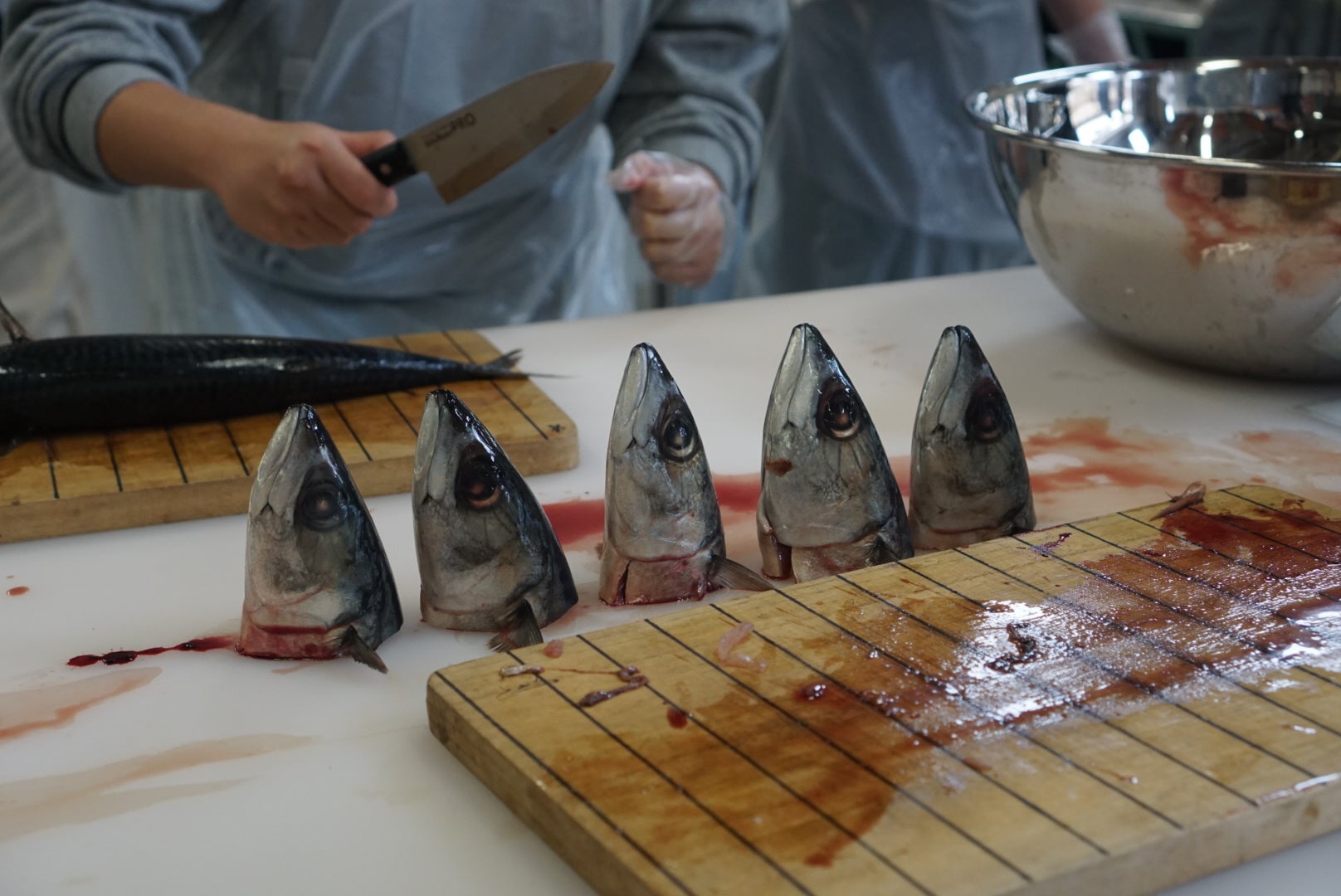
Since my background is not in food science or natural science, I found some of the biological and chemical concepts, like seafood preservation methods or squid anatomy, quite technical at first.
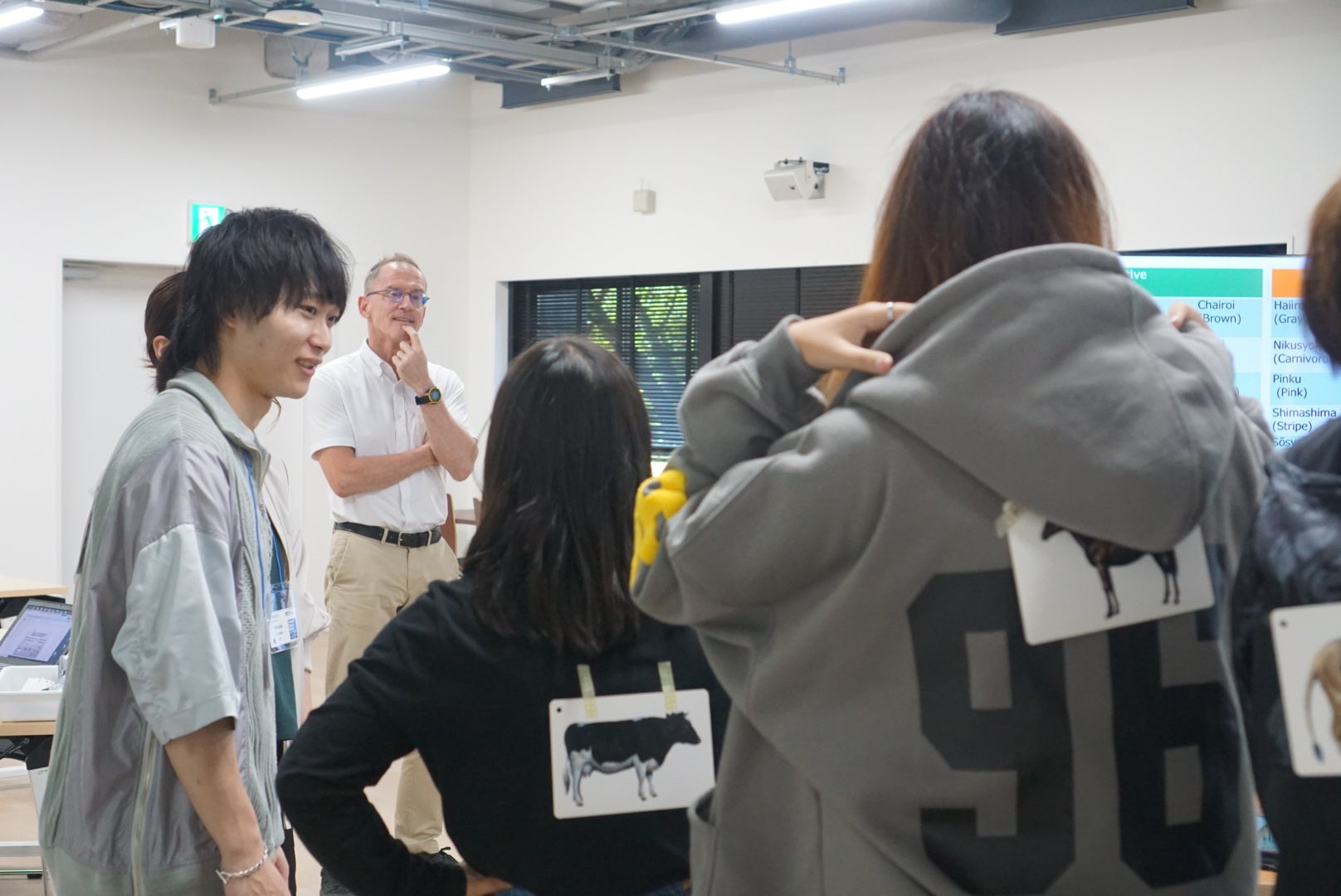
To manage this, I focused on understanding the core principles and sought explanations in simpler terms. I also asked my classmates for help when needed. Many of them had relevant expertise and were happy to share.
Overall, I think the programme was well-designed to be accessible to students from different majors. The mix of backgrounds actually led to more diverse discussions and learning.
What other activities did you participate in?
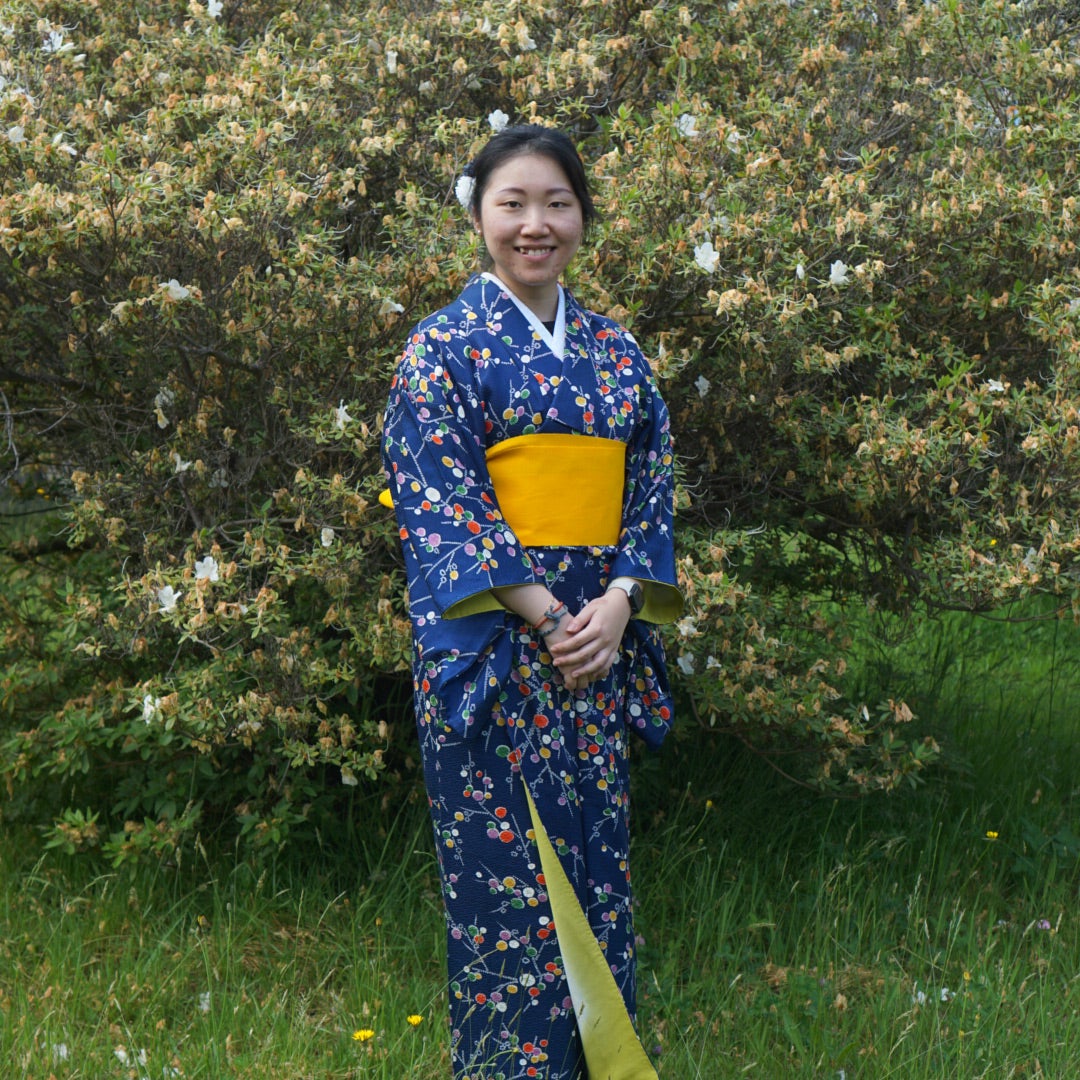
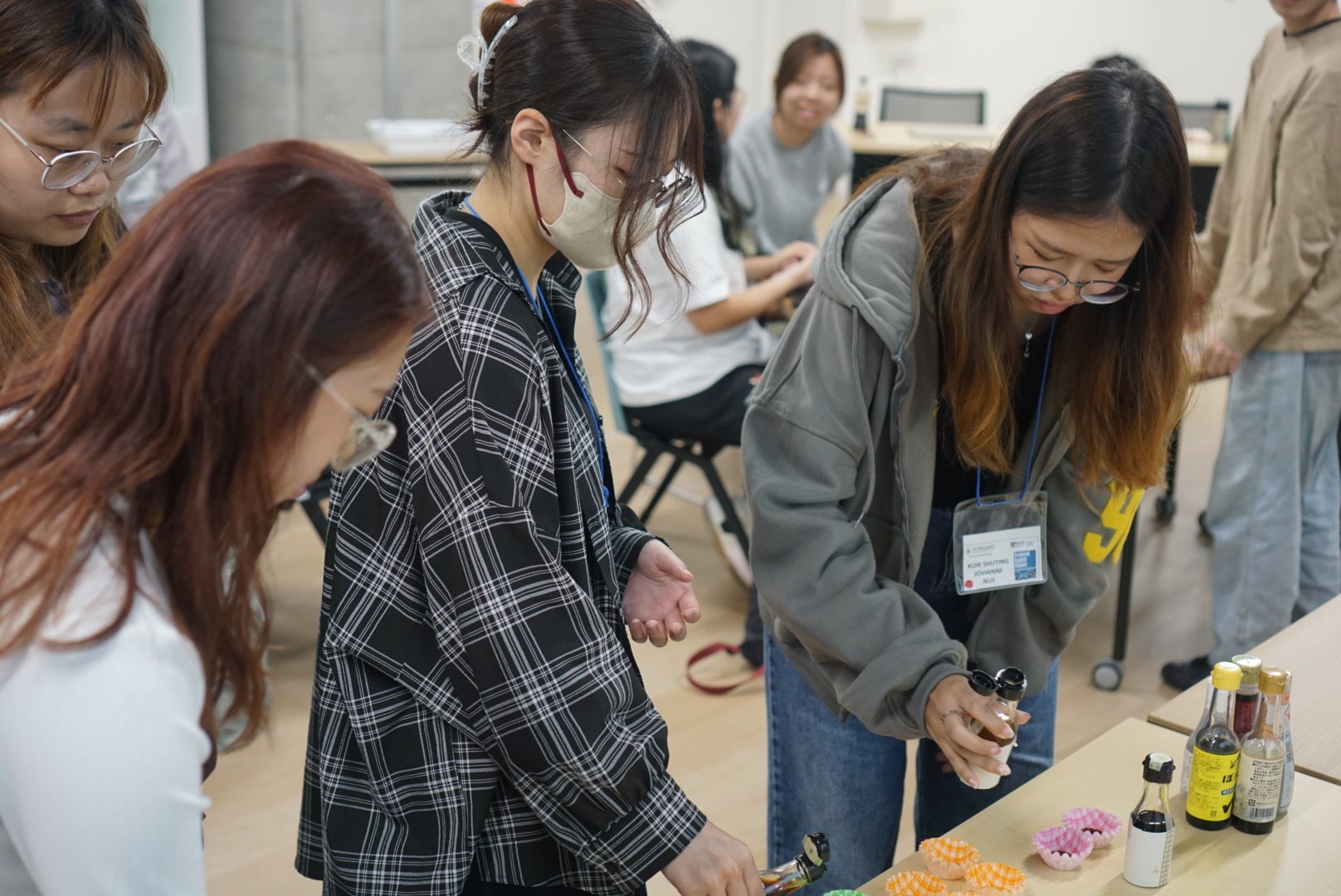
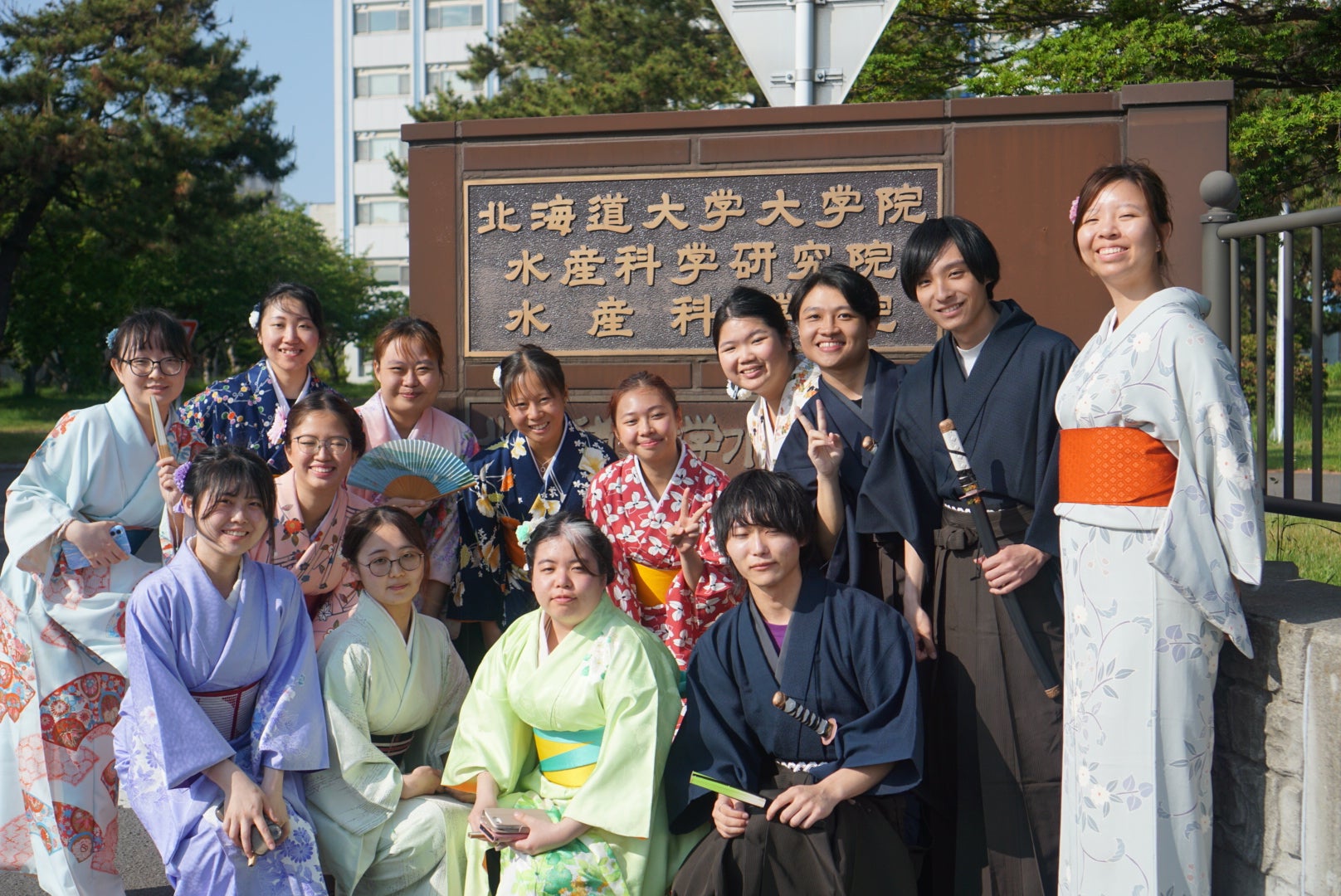
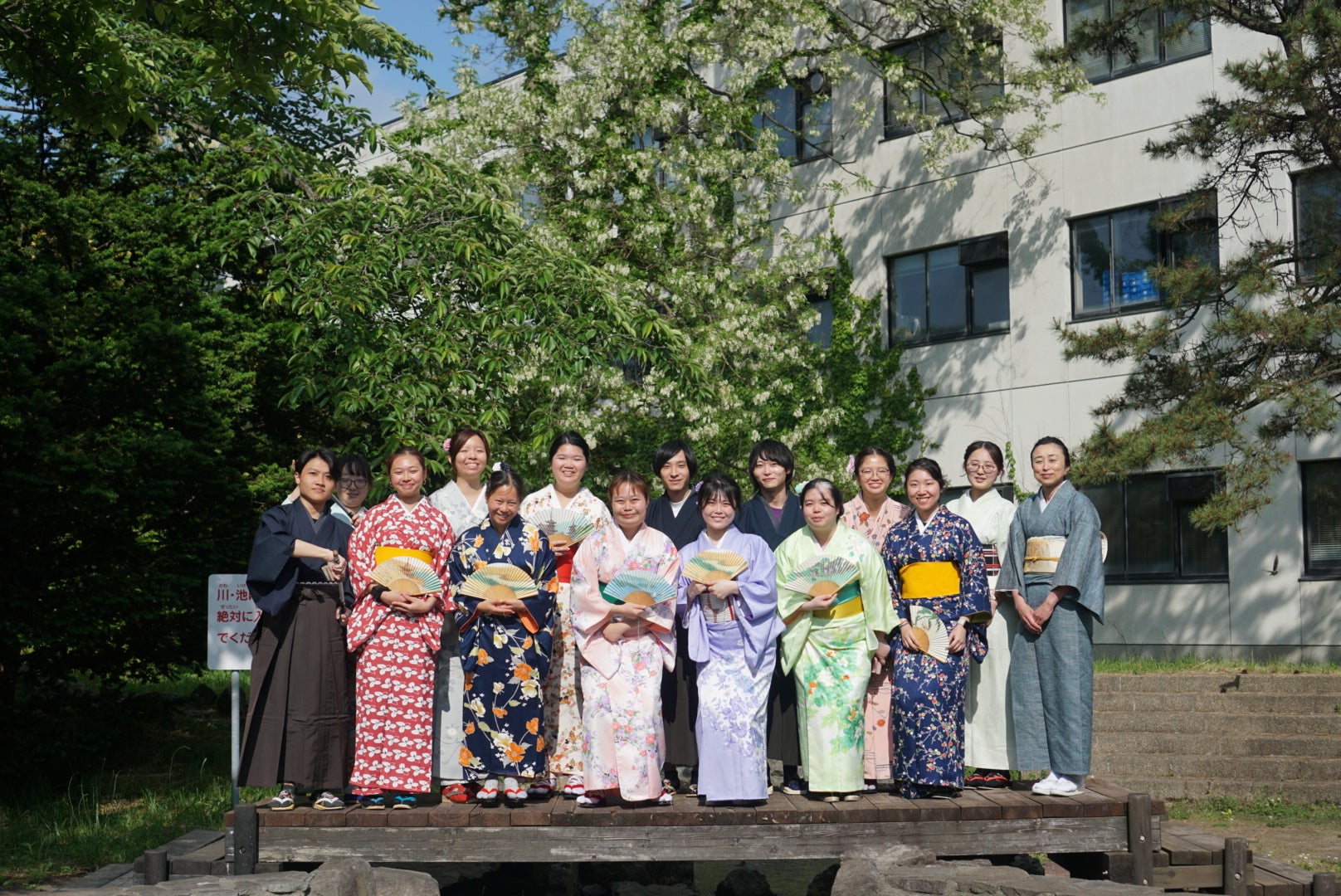
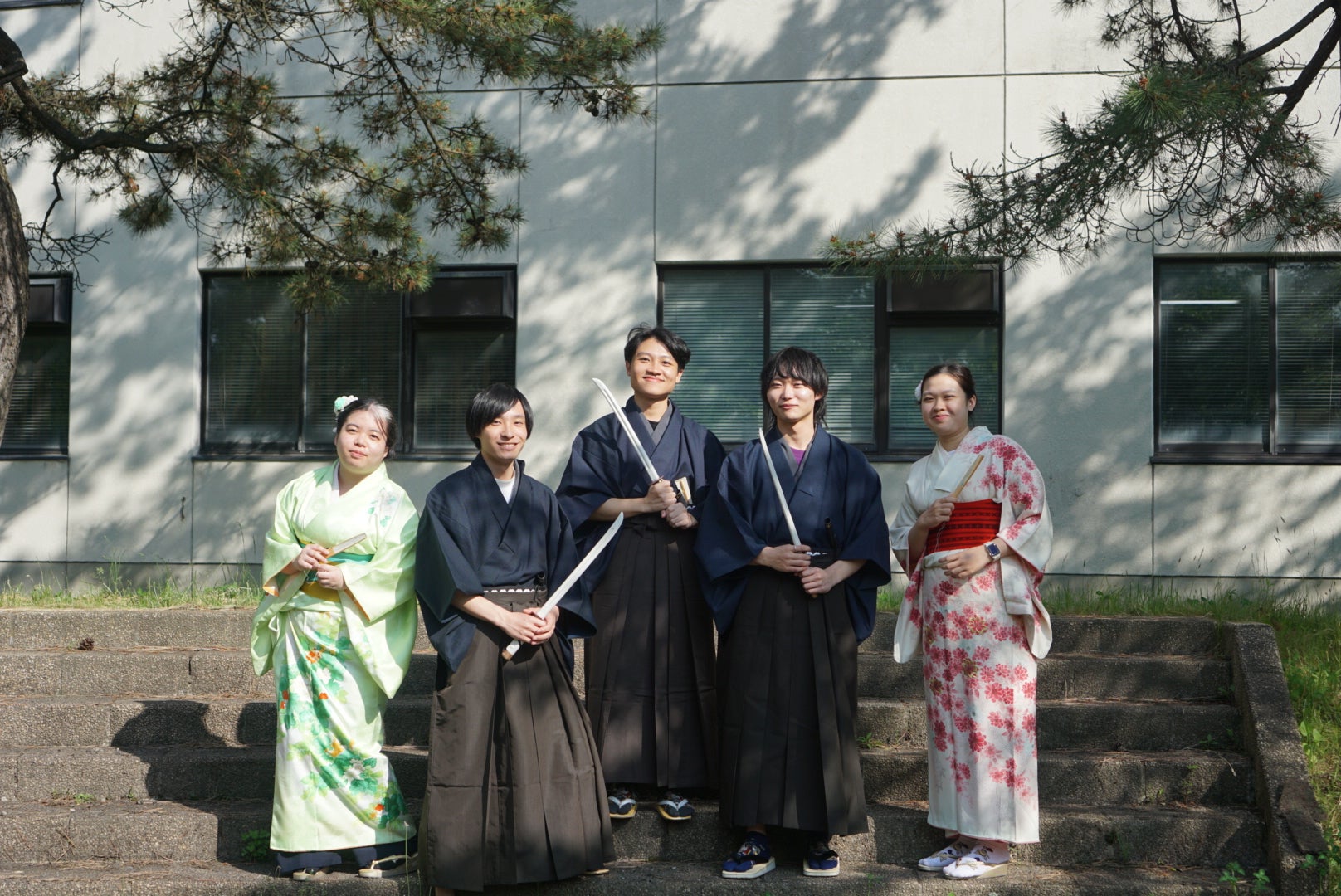
We had the opportunity to explore various aspects of Japanese culture.A key highlight was the kimono fitting and tea ceremony. We learned the etiquette of preparing and drinking matcha, and experienced the process firsthand while wearing traditional attire.
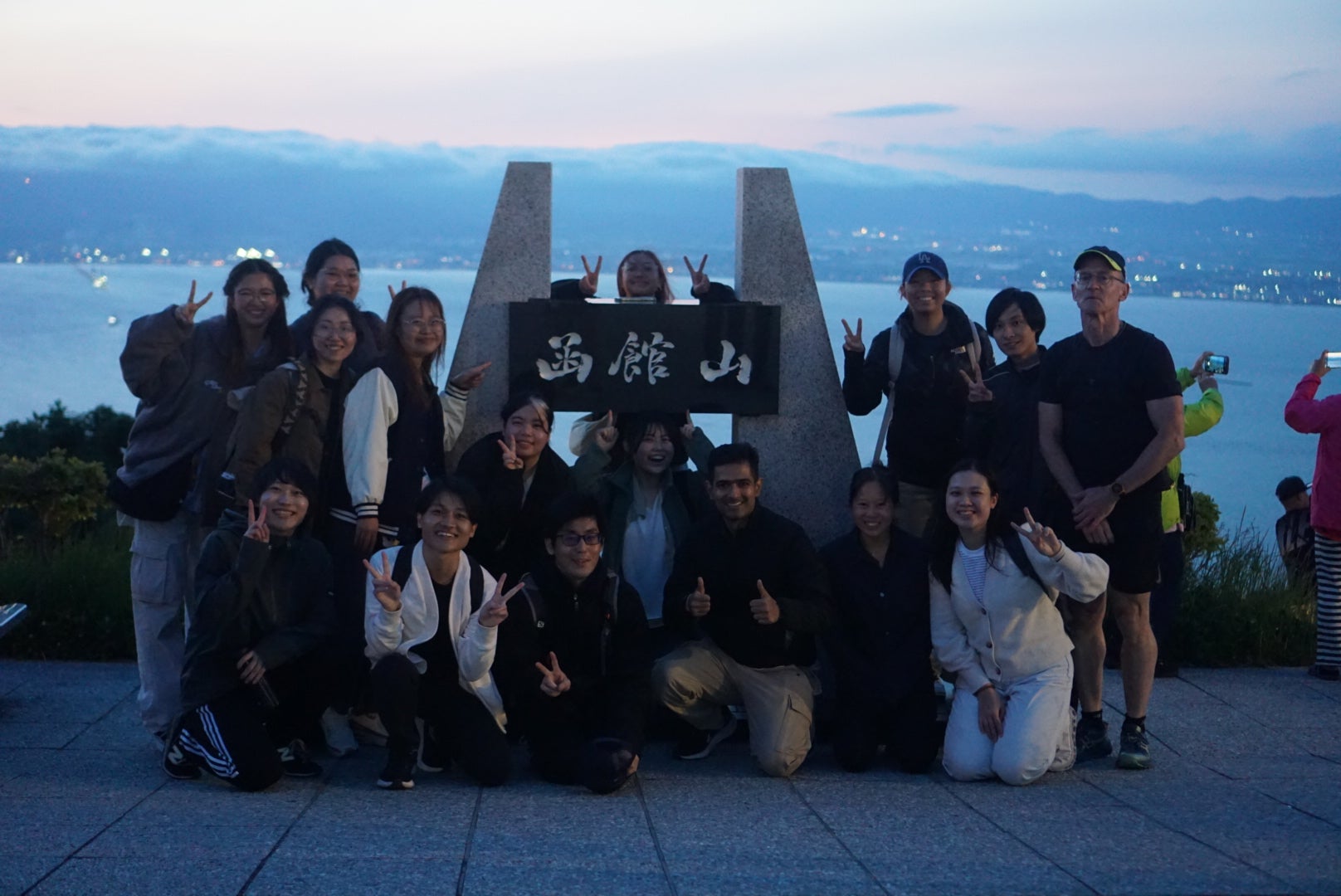
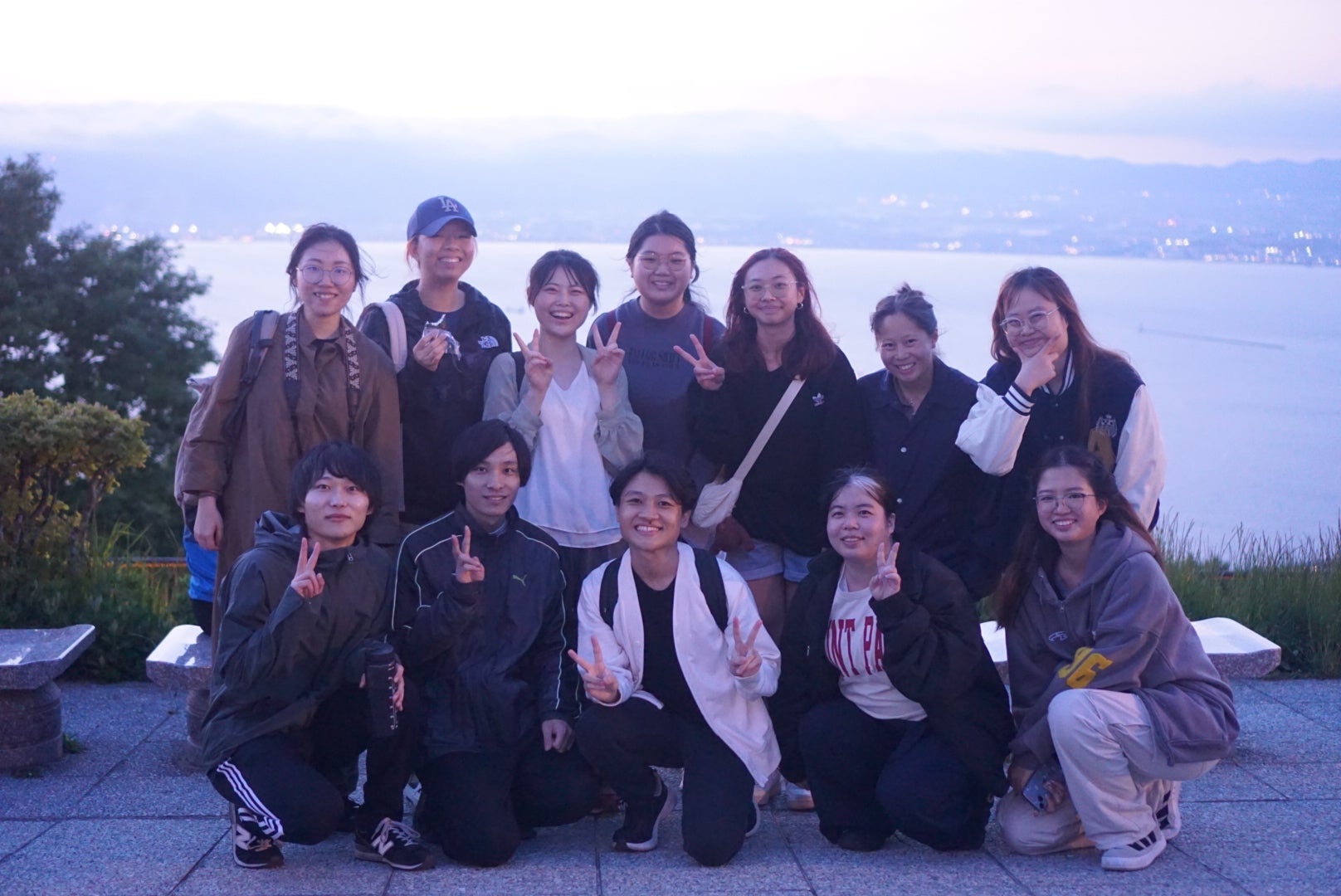
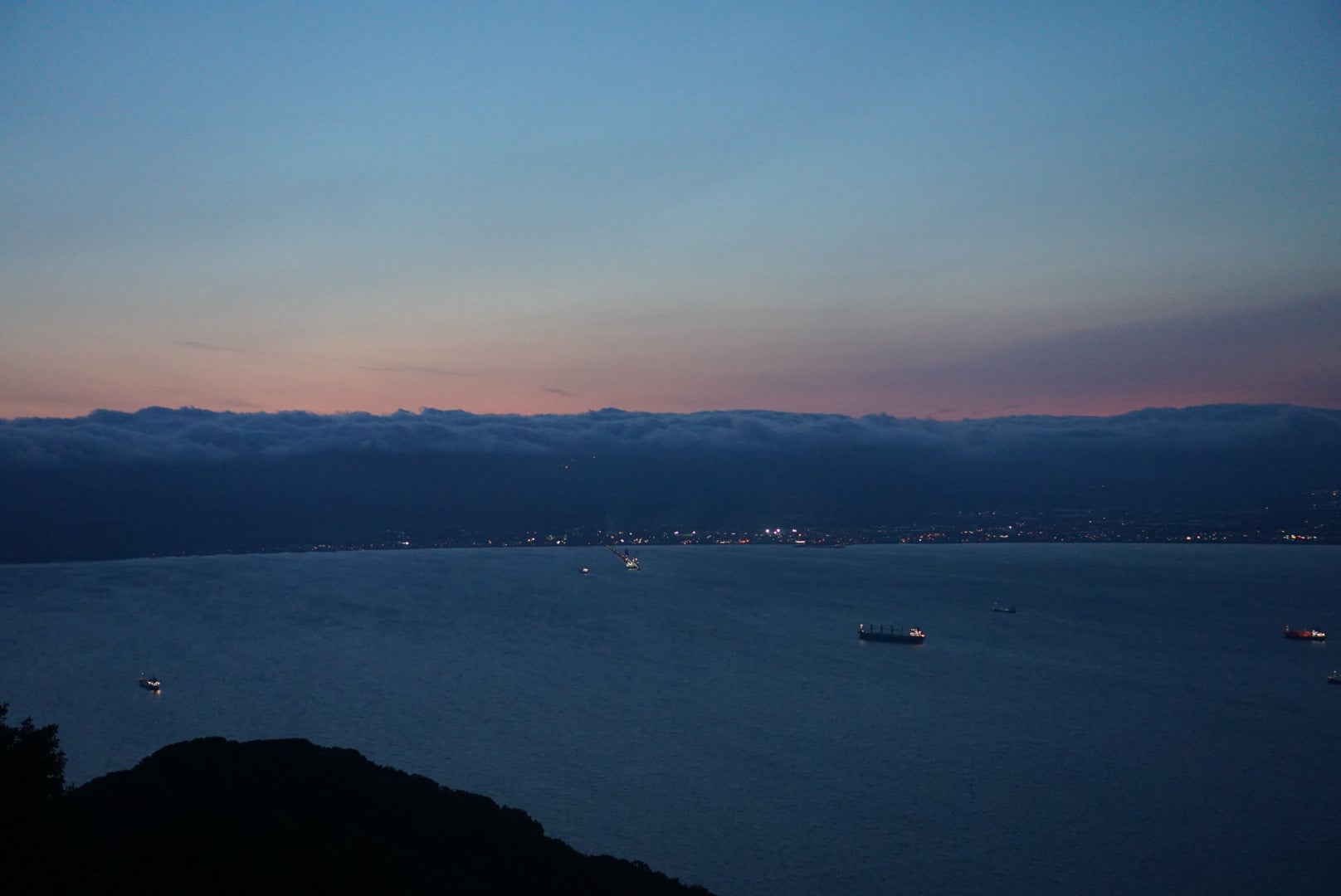
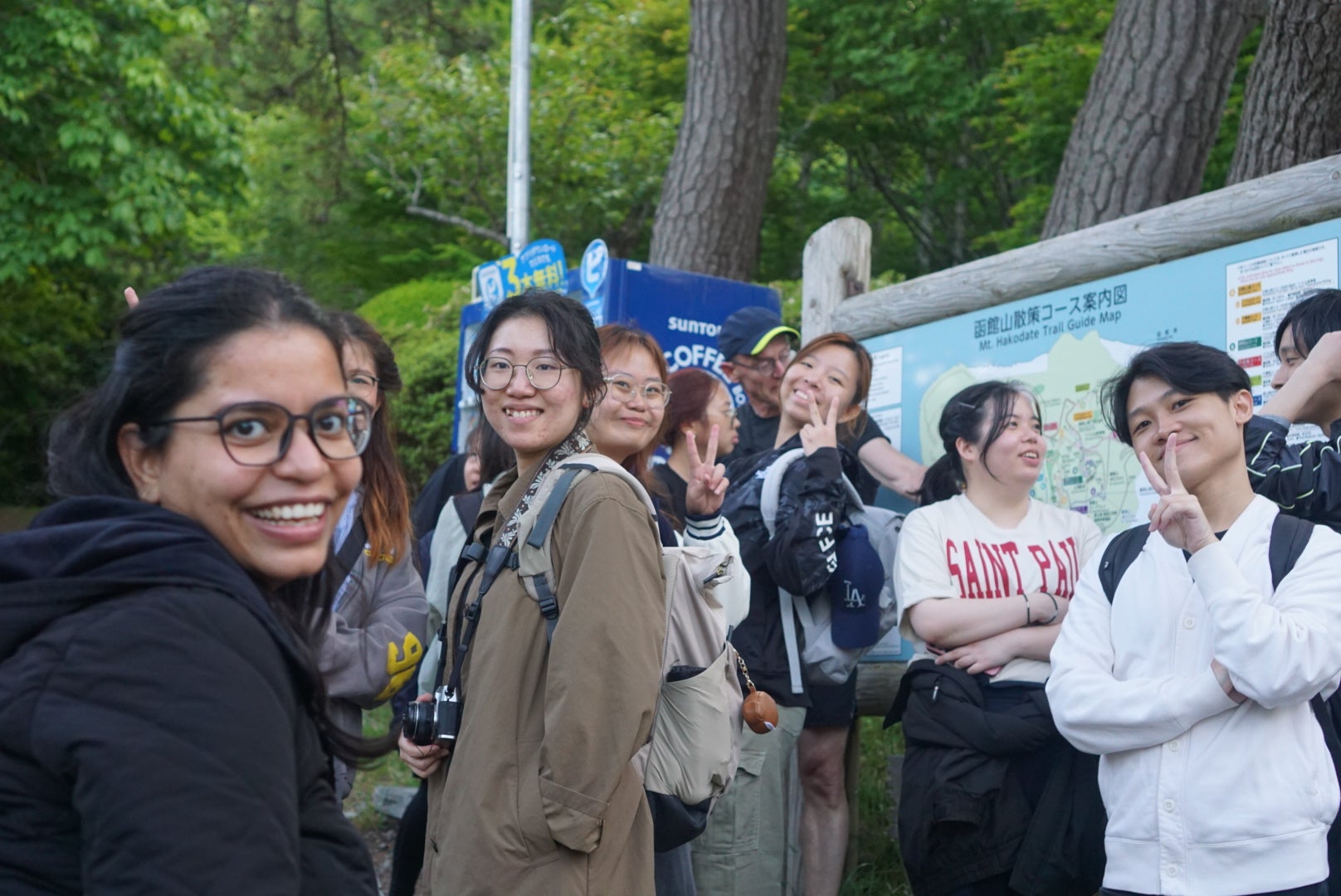
We also hiked up Mount Hakodate, which offered a spectacular night view – definitely a moment to remember.
Outside of scheduled activities, we went sightseeing, tried local food and explored Japanese supermarkets – as a science student, this was interesting from both a cultural and food systems perspective. It was a great way to connect with classmates and see how science and daily life intersect in another country.
Contributed by Hu Can, Year 3, Data Science and Analytics
“We have barely scratched the surface of Timor-Leste’s biodiversity. New discoveries can have profound impacts on conservation and policy-making.”
In August 2022, we led an expedition to Timor-Leste in collaboration with Conservation International and the government of Timor-Leste. The Museum’s herpetologist, Dr CHAN Kin Onn, discovered a new species of bent-toed gecko which was named Cyrtodactylus santana, in reference to the Nino Konis Santana National Park, in which the gecko was discovered.