
Non-linear careers: A new normal
July 28, 2025
Lifetime employment, where professional paths follow a defined, upward trajectory – is no longer the singular vision of career success. Instead, career versatility, regardless of shades of collar, is becoming the new normal.
Indeed, the flexibility of non-linear careers – a mix of different roles, industries or even entirely new career tracks – presents opportunities to align one’s professional journey with evolving values, passions as well as changing market demands and life circumstances.

This is what Life Sciences alumnus Ethan Eng believes. He says, “My career path has been anything but linear, but that’s exactly what has made it fulfilling. The pivot from entrepreneurship to corporate roles was both challenging and enriching.”
Diving into entrepreneurship
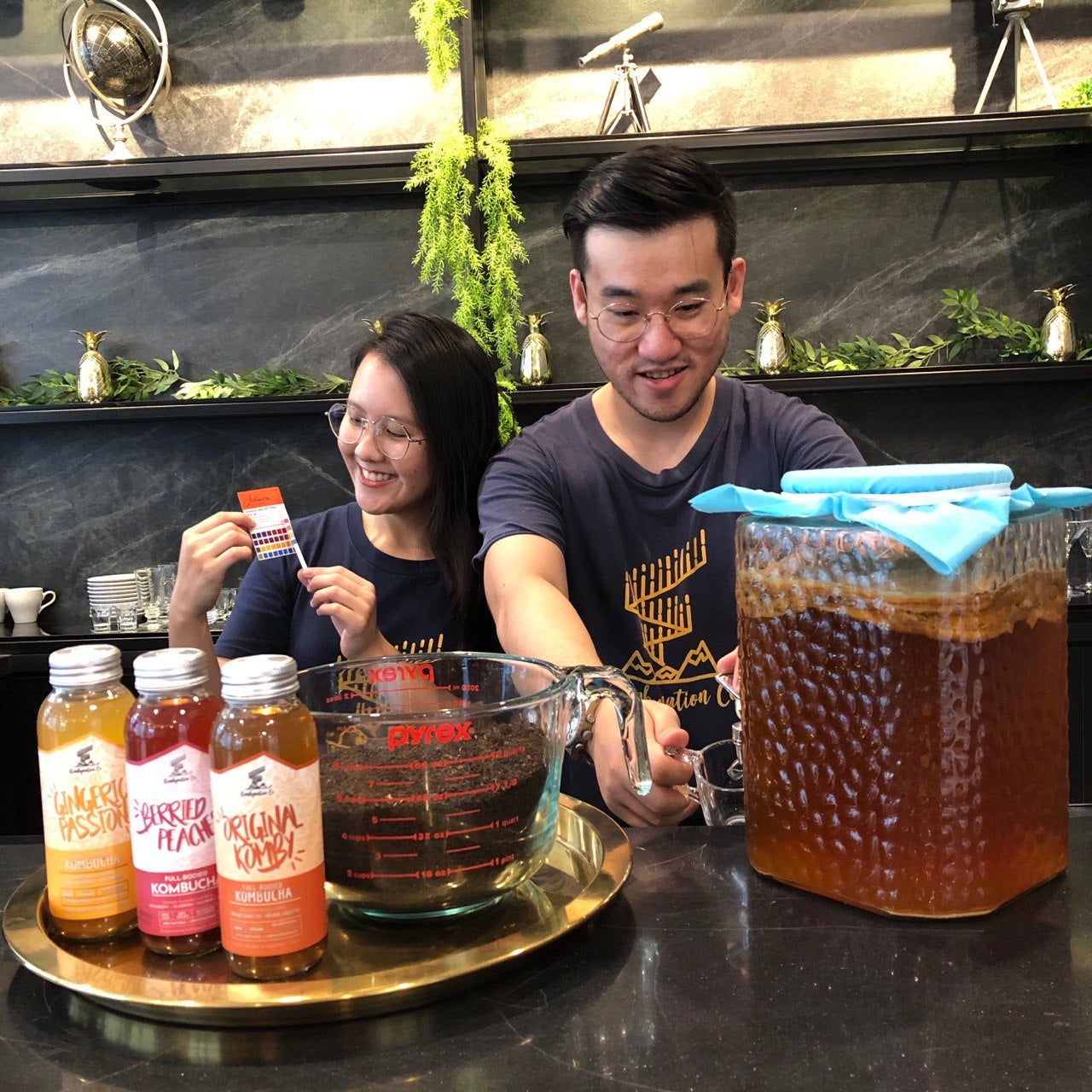
When Ethan was an undergraduate at the Faculty of Science, he decided to venture into entrepreneurship by co-founding one of Singapore’s first kombucha microbreweries, a startup which he successfully grew from his dorm room to stocking bottles country-wide in café chains and supermarkets.
The experience came with many learnings and standout moments.
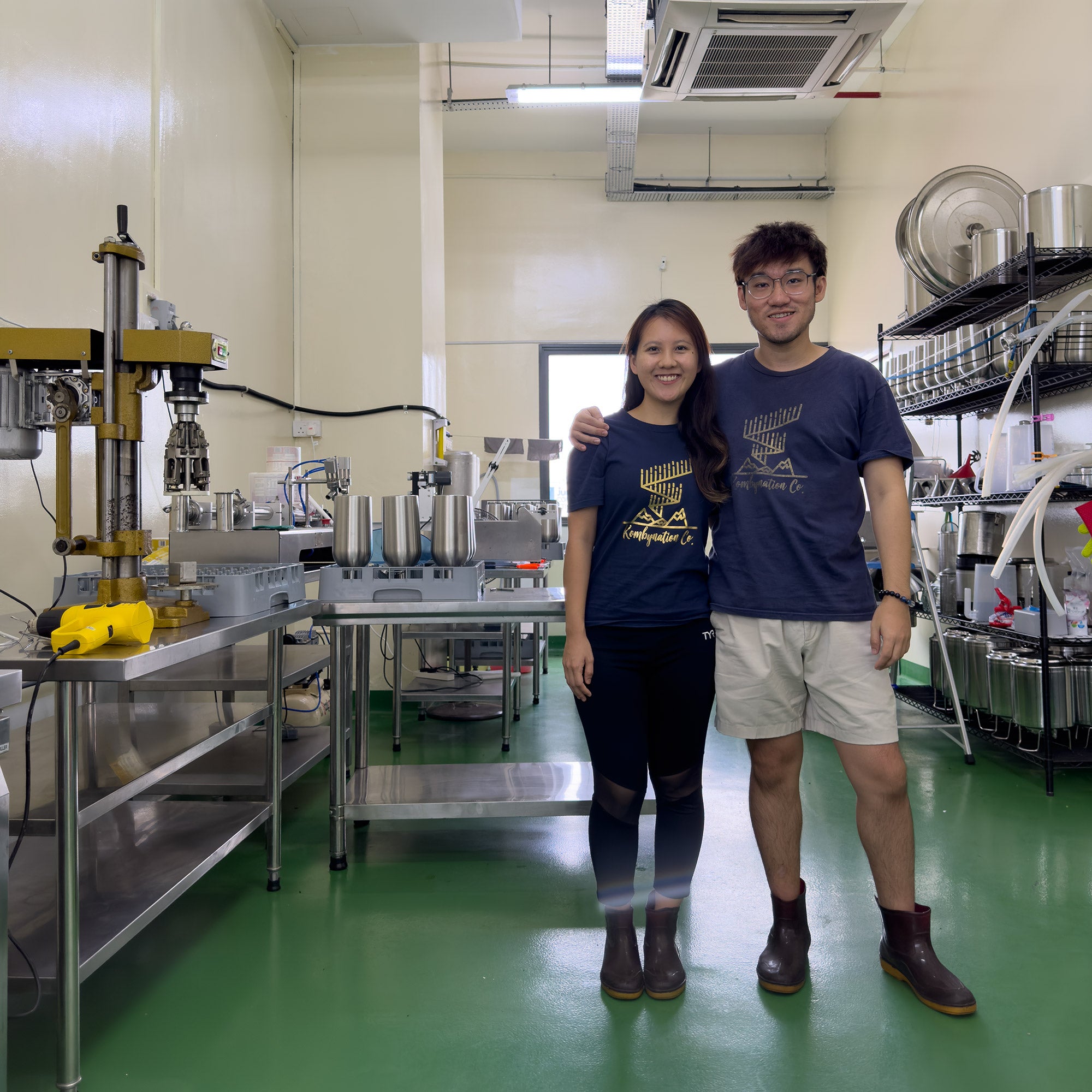
“As an entrepreneur, I wore many hats – product development, marketing, closing deals, process design and even legal compliance,” Ethan says. Navigating a pandemic for his first business foray also taught him to be resourceful, agile and resilient. While that journey has since ended, the lessons learned, skills gained and relationships made “will always be something close to my heart,” he adds.

From launching around six different kombucha flavours into the supermarket after months of preparations and presentations, to bringing a product from a fuzzy concept to supermarket shelves – and receiving affirming comments from consumers on the taste and functional gut-health benefits. “These were proud moments that money can’t buy,” he says.
Pivoting into corporate roles
Thereafter, joining a health supplement startup as a Product Development Manager took Ethan to more untested shores, but it was an experience that he enjoyed and one that served as a “crash course” in complex project management involving collaborating with regulatory and manufacturing partners, marketing, warehouse and sales teams for execution on a regional scale.
“I had the opportunity to lead innovation with a team that was deeply collaborative and purpose-driven. The support system and trust given enabled me to take ownership and push ideas forward,” he says. During this stint, Ethan managed research across six distinct product niches and drove the launch of two new products, with two more in the pipeline.
His subsequent tenure as a Product Sales Manager in a small and medium enterprise (SME) in the life sciences sector brought with it a very different set of challenges, such as bureaucratic structures and legacy systems. This proved to be a valuable lesson in navigating ambiguity and the importance of relationship-building with stakeholders.
Connecting the dots across domains

The interdisciplinary exposure at NUS – for instance, in courses that blended biology, statistics and data analysis, coupled with the freedom to take courses in business, arts and the NUS Overseas Colleges (NOC) programme in Stockholm – these experiences gave Ethan the intellectual foundation to solve problems systematically and to link seemingly disparate information into a cohesive perspective.
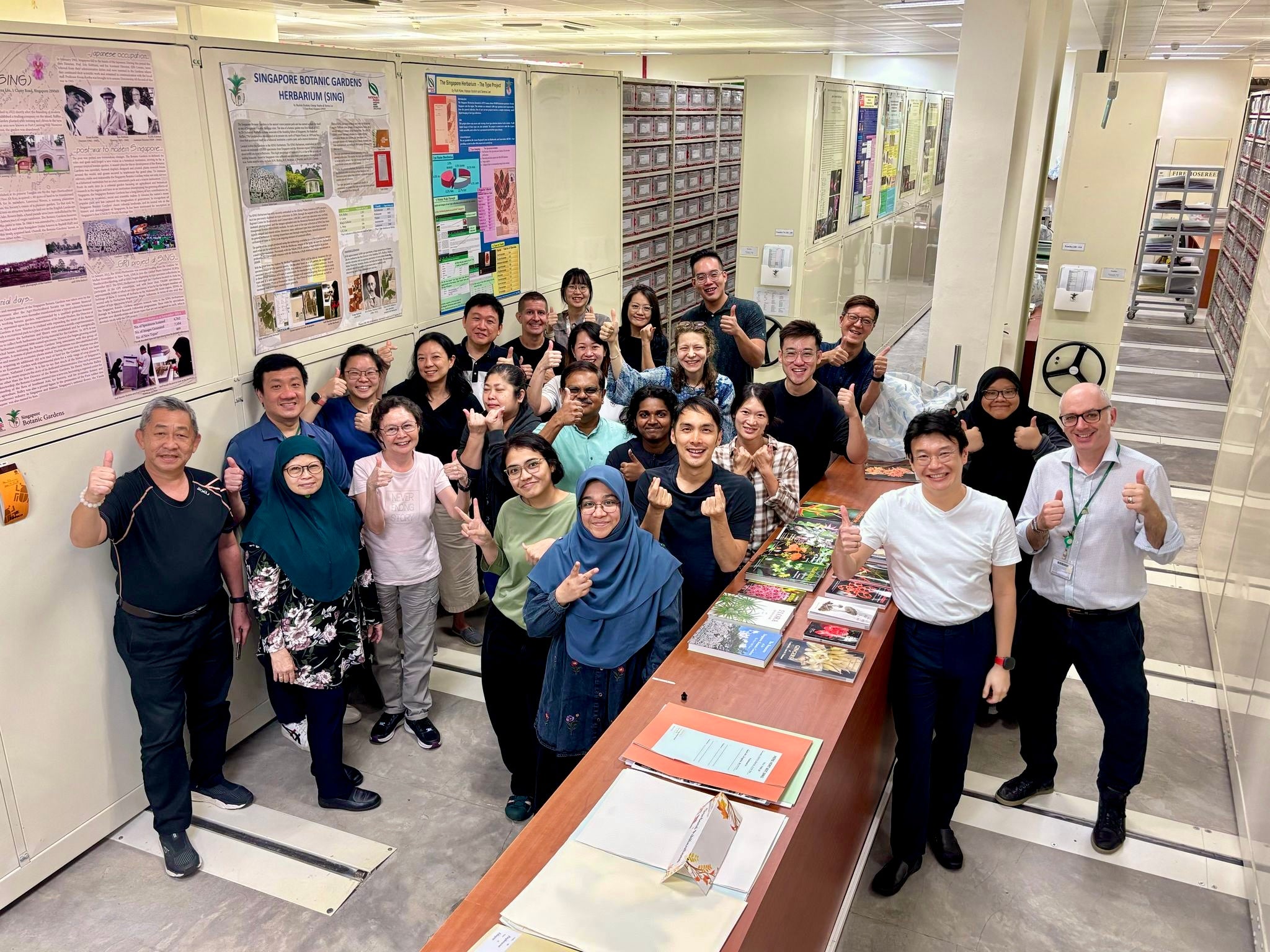
And nowhere are these interdisciplinary skills more important than in his current role managing Southeast Asia’s largest herbarium digitisation initiative at the Singapore Botanic Gardens under the National Parks Board (NParks) where he is working “at the intersection of biodiversity and digital innovation.”
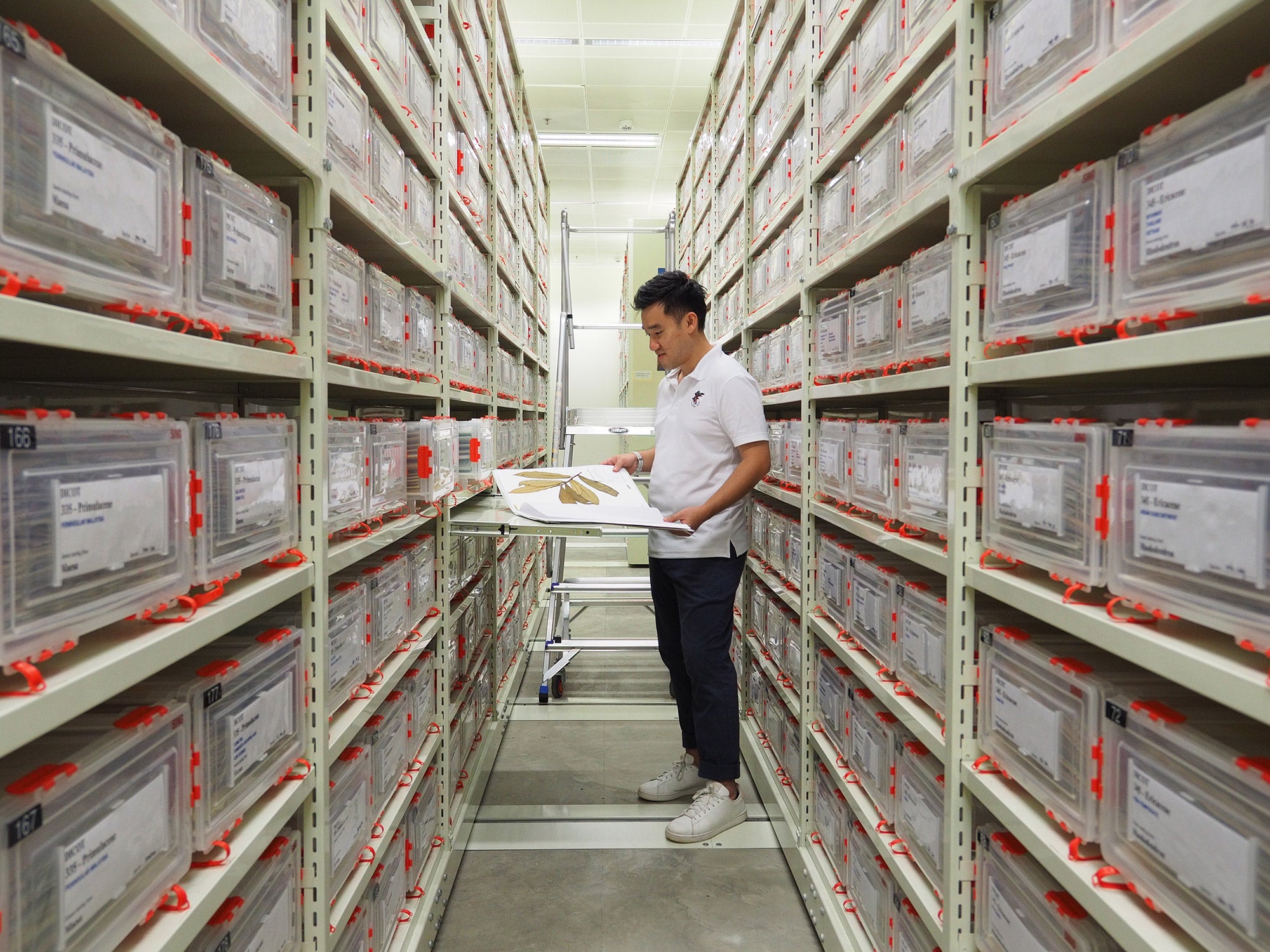
As part of the celebrations during the Singapore Herbarium’s 150th Anniversary, Ethan and his team in the Singapore Botanic Gardens are embarking on a massive effort to digitalise more than 800,000 plant specimens – some more than a century old – and build a global, open-access database. The database will support biodiversity research, climate studies and sustainable land-use planning, on top of new species discoveries and plant taxonomical classifications and re-classifications.
“In a time where ecosystems are under threat, having accurate, accessible botanical data is more important than ever,” Ethan says. “Our project helps scientists to monitor changes in species distribution, policymakers to make informed decisions and educators to teach with real-world examples.”
He adds, “It’s a prime example of how science, supported by technology, becomes a powerful tool for societal progress.”
While most digitalisation projects happen behind closed doors in other herbariums, Ethan’s team is building a viewing gallery where members of the public can come and watch the process happen right before their eyes. There will also be interactive activities and interesting exhibits for visitors to learn more about the herbarium and the importance of plants to human lives as we know it.
Looking ahead
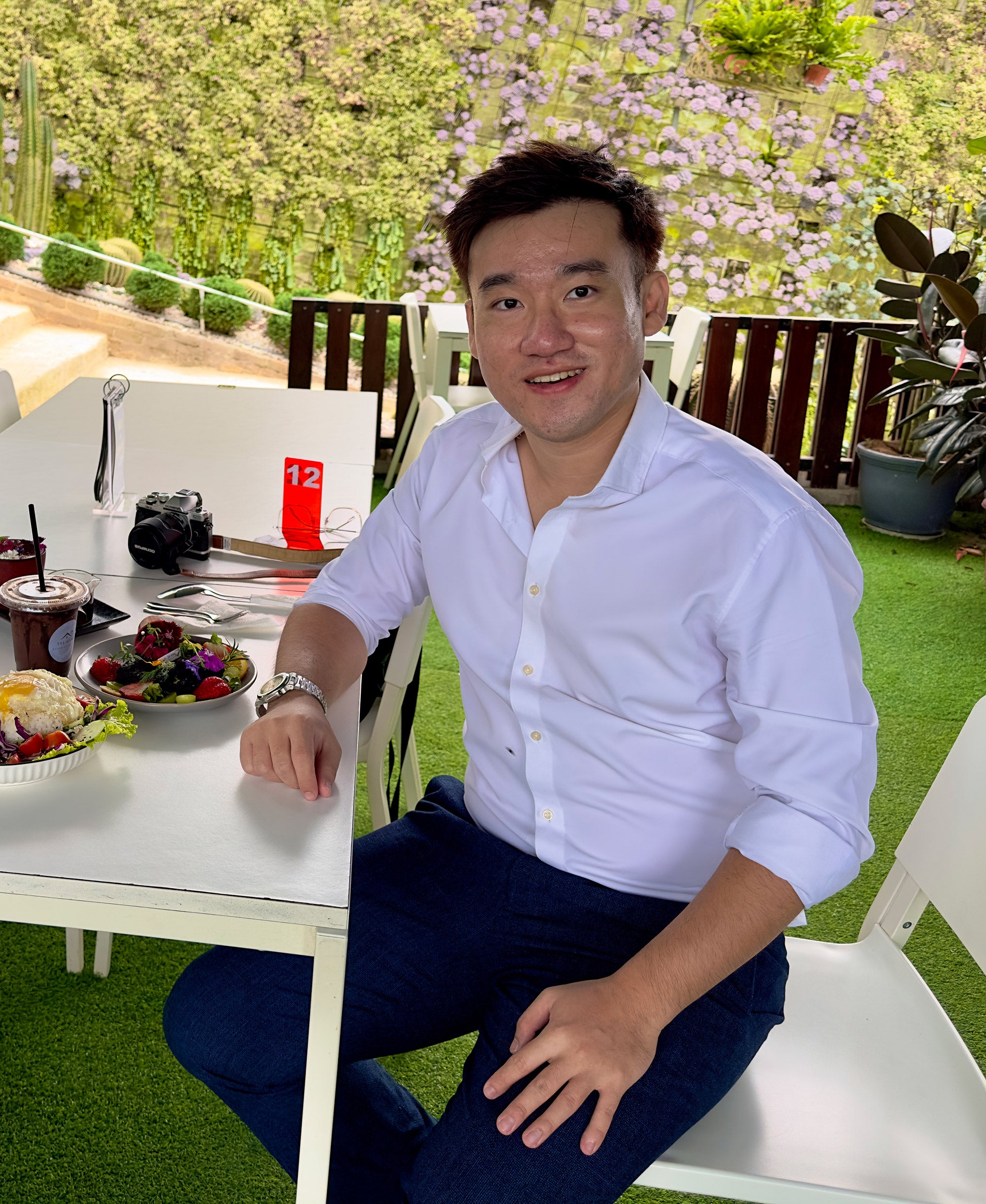
In the future, Ethan envisages that he will continue his professional pursuits at the intersection of science, innovation and impact.
“Science has so much untapped potential to solve real-world problems,” he says. “I’d love to keep working at that interface in bringing science out of the laboratory and sharing the niche knowledge at an international level to foster productive collaborations.”