In the path of pioneers
December 01, 2025
Europe has long been the cradle of physics, with Germany, in particular, shaping the defining breakthroughs of 20th century science – from Einstein’s revolutionary insights to the development of quantum mechanics.
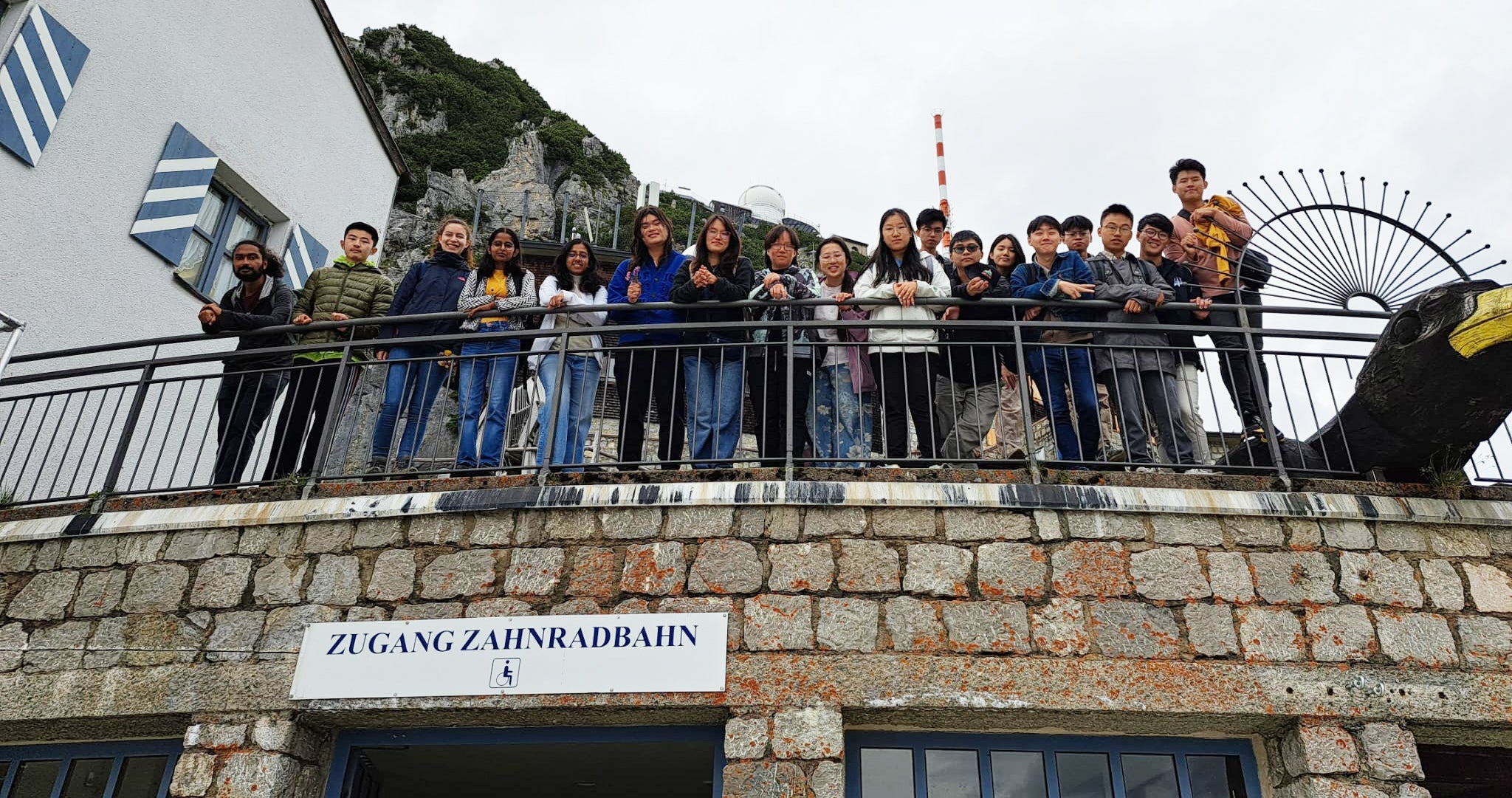
Germany’s cobblestone streets and historic lecture halls set the stage for Arushi Sachan’s journey into the heart of physics under the Germany Immersion Trip, where she had the opportunity to explore two contrasting yet equally enriching academic landscapes – Göttingen, steeped in intellectual tradition, and Munich, defined by modern research vitality.
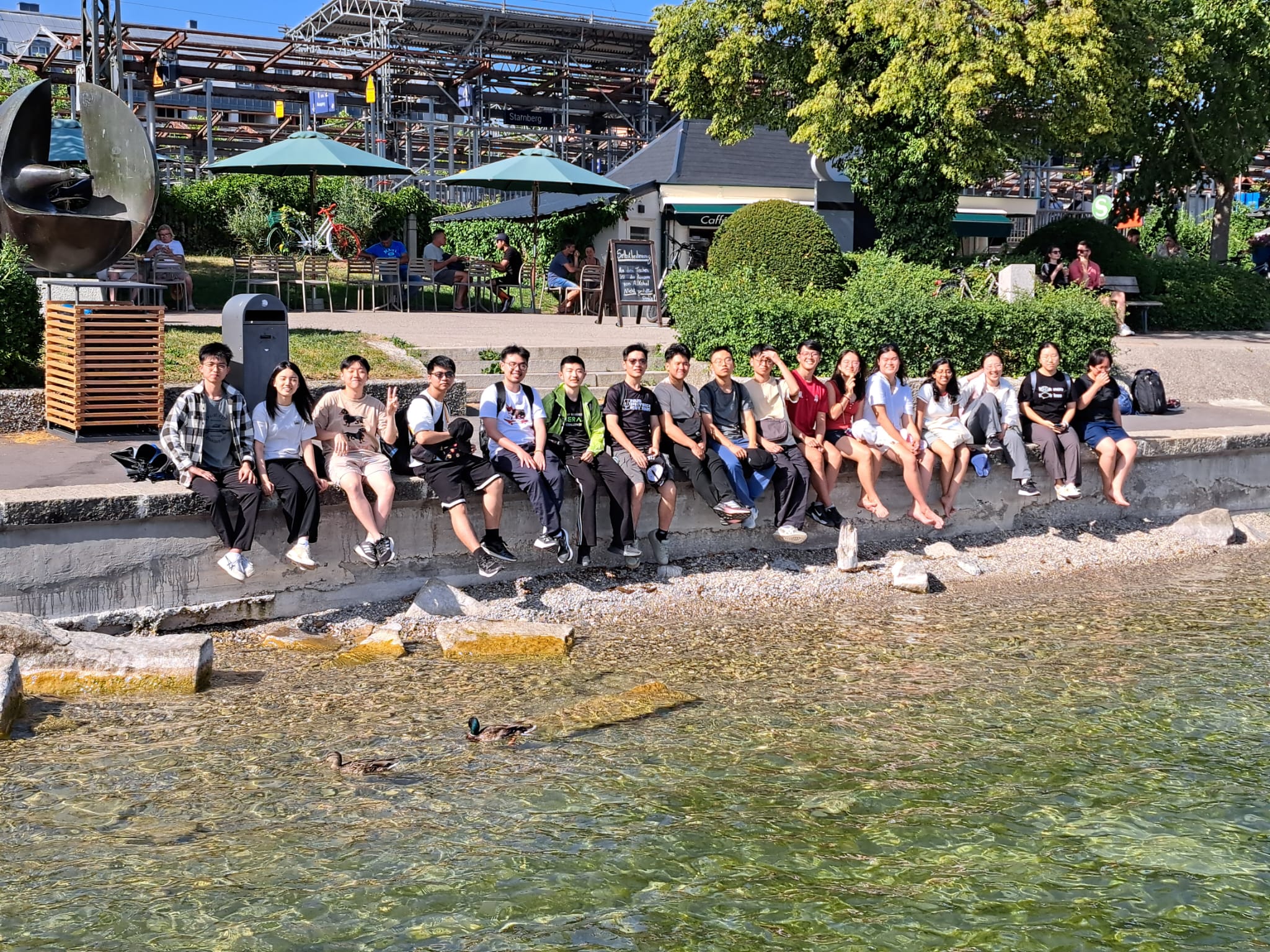
Find out from Arushi how this programme gave her a unique opportunity to step into this rich legacy.
Why did you join this programme?

Germany has always held a special place in the history of physics, being home to so many foundational discoveries and renowned scientists. I wanted to see for myself how physics research is carried out there today and gain a sense of how the tradition of excellence has evolved into modern fields like quantum physics, astronomy, solid state physics, nanoscience, and biophysics. The programme’s structure, with its visits to different laboratories and research groups, seemed like the perfect opportunity to experience this breadth.
What have you gained from this programme?

On a personal level, the programme was transformative. Living in a foreign country required me to adapt quickly and that helped me grow more independent and confident. Whether it was navigating the cities, figuring out food options or managing daily schedules, I learned to rely on myself more. It reminded me that stepping outside my comfort zone is where real growth happens.

Academically, the trip has been one of the most valuable experiences of my undergraduate life. Since I intend to pursue further studies in Europe, this programme allowed me to make meaningful connections with professors and student volunteers, who were very open in sharing about their research and academic journeys. Talking to them helped me better understand the academic culture in Germany and what pursuing graduate studies there might look like. These conversations broadened my perspective and gave me clarity on how to align my future academic path with my interests.
How about the non-academic aspects?

Göttingen and Munich offer very different yet equally fascinating environments: Göttingen with its strong academic heritage and Munich with its mix of modern vibrancy and historical charm. Beyond the academic aspects, I was equally drawn to the cultural side – visiting historical sites, churches and natural landscapes. As someone who loves being in nature, the scenery we encountered often felt like paradise, and it gave me a deeper appreciation for the environment and culture of Germany.
How did you navigate the challenges?

Like any meaningful experience, the programme also came with its challenges. For me, the two main hurdles were adjusting to the food culture as a vegetarian and dealing with the language barrier. At first, it felt overwhelming when I could not easily find familiar food options or understand menus. But I gradually adapted by using tools like Google Translate and Duolingo, and by being more open to trying out what was available.
Over time, what initially felt like limitations became part of the adventure – small victories, like successfully ordering a meal in German, gave me a sense of accomplishment.

These challenges taught me patience and resilience and they also helped me appreciate cultural differences. Overcoming such hurdles is part of what makes international experiences so valuable – they push you to grow in ways you don’t always anticipate.
Contributed by Arushi Sachan, Year 3, Major in Physics, Minor in Artificial Intelligence