When learning sparks new possibilities
September 23, 2025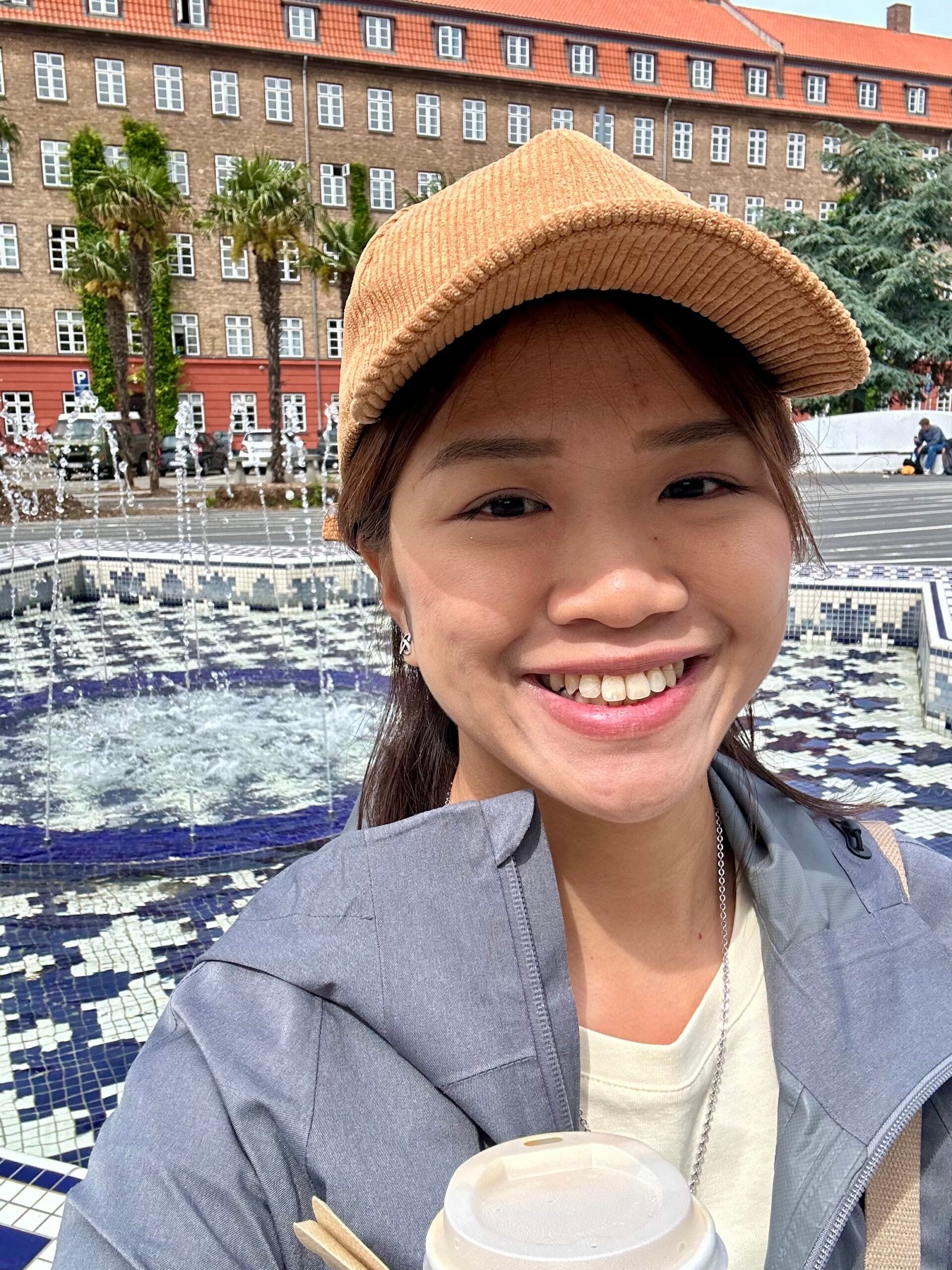
For Woo Oon Yee, taking the MSc in Chemical Sciences at NUS was more than just an academic pursuit – it also fundamentally changed her perspective and thinking on her own career development.
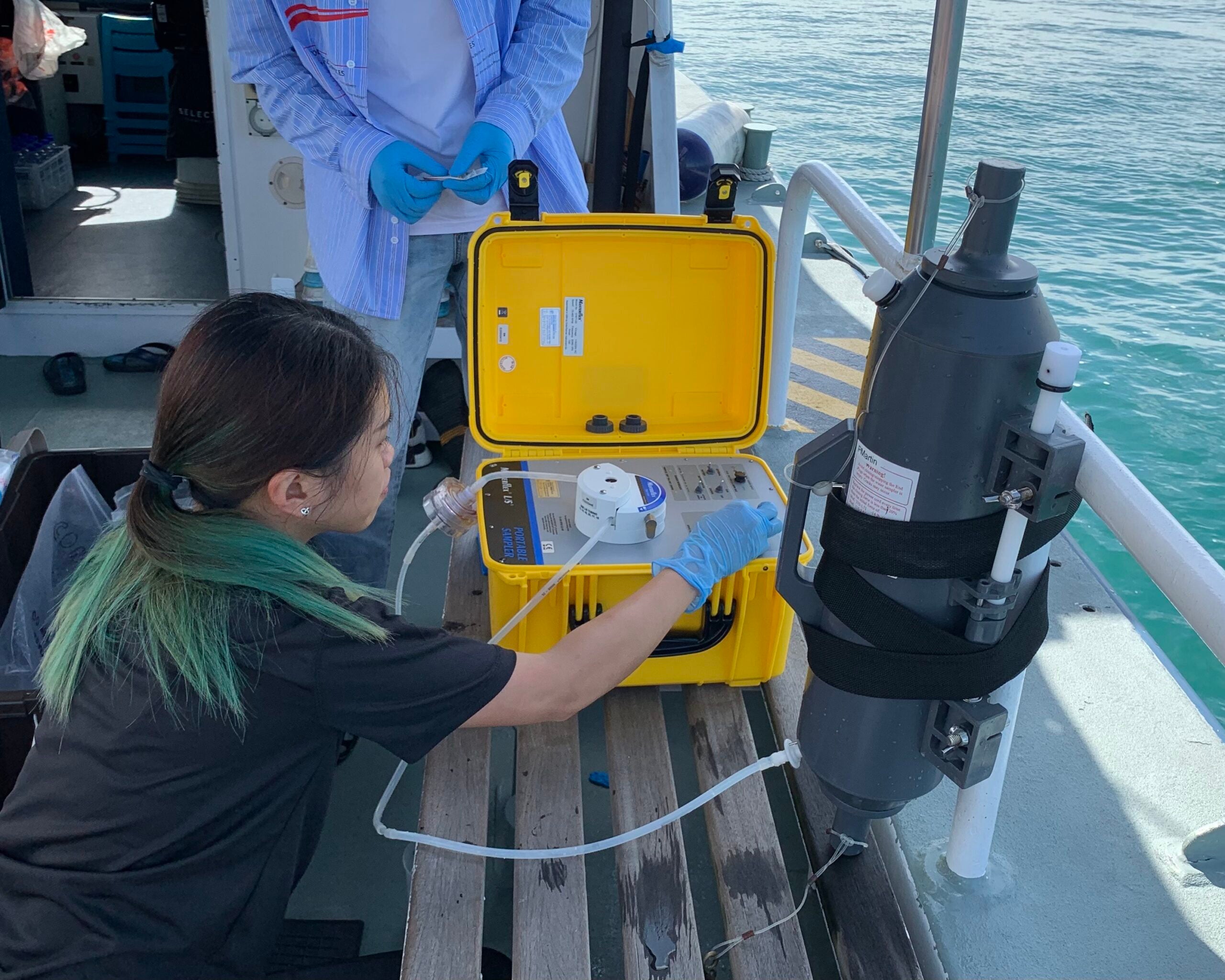
Before enrolling, she was a Research Assistant at NUS, applying analytical techniques to environmental projects, focusing on air quality research in Singapore. Her work involved the complete research lifecycle, from collecting and analysing rainwater samples – which act as a medium for flushing out aerosol particles – to interpreting complex data using the United States Environmental Protection Agency Positive Matrix Factorisation model to identify pollutant sources. The experience was deeply fulfilling and changed her approach to research, leading to a marked improvement in her analytical skills.
“The hands-on experience at work sparked my interest in deepening my knowledge of chemistry. The MSc allowed me to build on the skills I have and to delve into new areas in the field,” she says.
Choosing the coursework-based route, Oon Yee gravitated towards analytical and environmental chemistry, areas that closely align with her professional interests. Balancing the rigours of part-time study with a full-time role was a challenge but it was through the course that she gained one of her most valuable lessons: how to manage her time and priorities with precision. This discipline, she reflects, continues to serve her well beyond the classroom.
The MSc also allowed her to develop her own science and ultimately led her to shift her career focus from atmospheric chemistry to marine chemistry and biogeochemistry.
“It inspired me to explore and learn more about marine science and oceanography, opening up new career possibilities in this field,” she says. This shift was made possible by the laboratory, analytical and problem-solving skills from the programme, which gave her the confidence to diversify into other research areas.
Today, the knowledge and skills she acquired from her MSc have “significantly added value” to her job by enhancing her technical competencies – especially in analytical techniques and research methodologies – and strengthened her abilities to handle complex data and conduct thorough analyses.
She adds, “I can now make meaningful contributions to environmental science and marine chemistry projects.”
Find out more about our graduate programmes at https://www.science.nus.edu.sg/graduates/