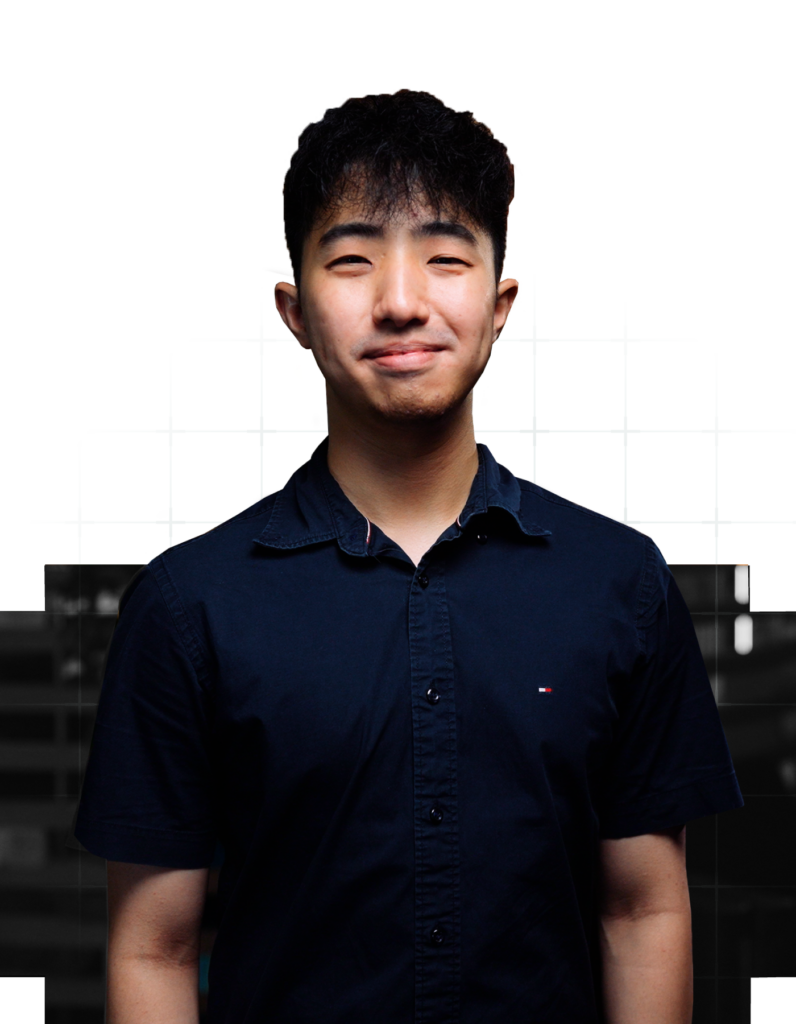
Assoc Prof Chew Fook Tim is the Faculty of Science’s Vice Dean (Undergraduate Studies) overseeing the curriculum of NUS’ College of Humanities and Sciences (CHS) and its international programmes.

For Vora Yugam Jinesh (Year 3, Double Majors in Physics and Engineering Science, Minor in Computing), pairing physics and engineering offers unique synergies. Physics helps him uncover first-principles insights, while engineering equips him with design, optimisation and systems integration skills. Yugam is part of the new College of Humanities and Sciences (CHS)-College of Design and Engineering Double Degree Programme.
A personal health experience and a clinical research attachment at Khoo Teck Puat Hospital sparked Cheow Jun Wei’s interest in using data to improve healthcare. The Year 1 Data Science and Analytics student is now developing digital solutions to provide smarter patient care.

Lee Tyen Cee (Year 3, Major in Life Sciences, Minor in Korean Language Studies) turned a childhood love for animals into a mission to protect them. Her Final Year Project studies the critically endangered Blue-crowned Laughingthrush, exploring how captivity and stress affect breeding.

Its foundations firmly in place, CHS is now shifting focus towards impact: how interdisciplinary learning is taking root and translating into outcomes.
What happens when students are trained not just in subjects, but in the spaces between them?


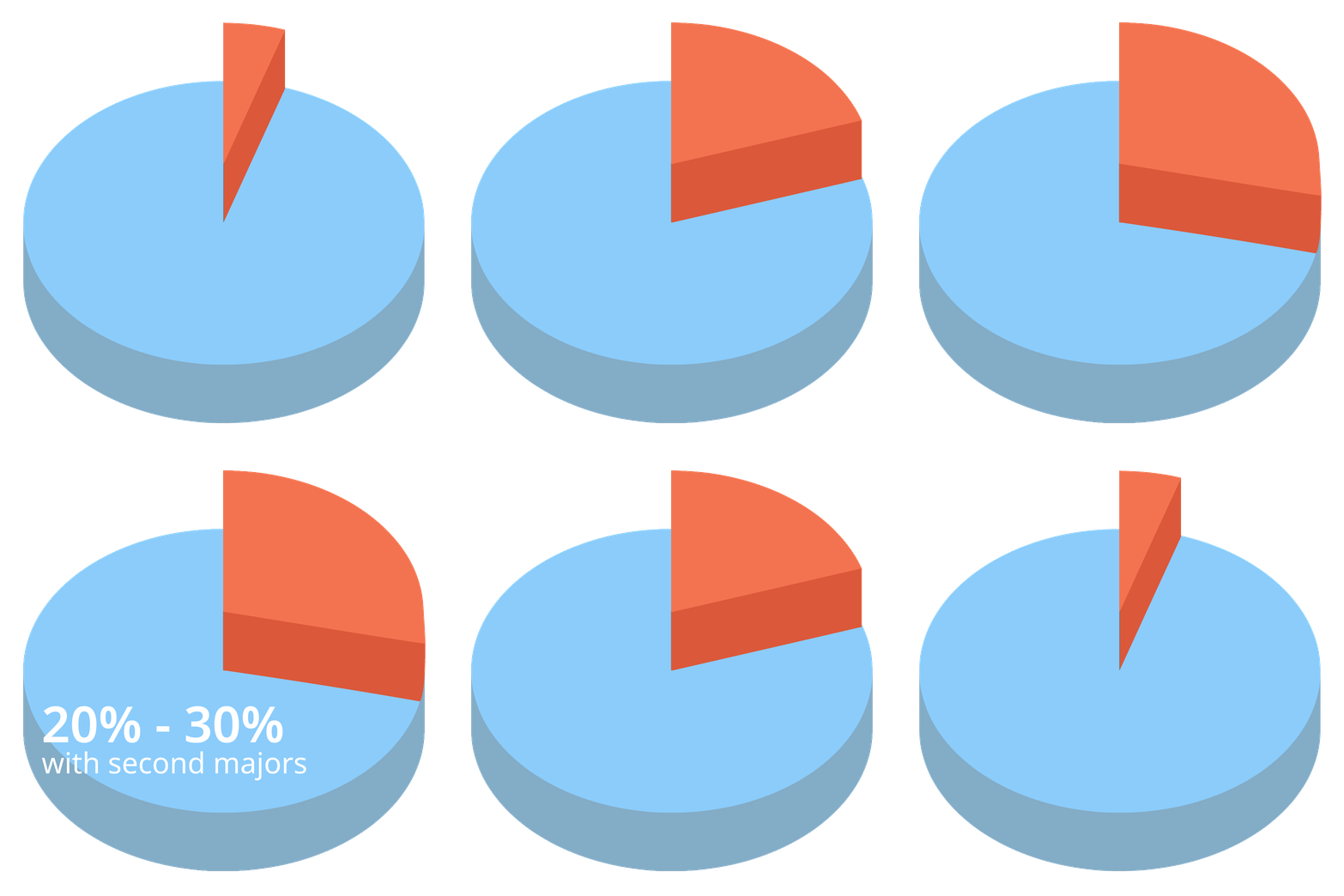
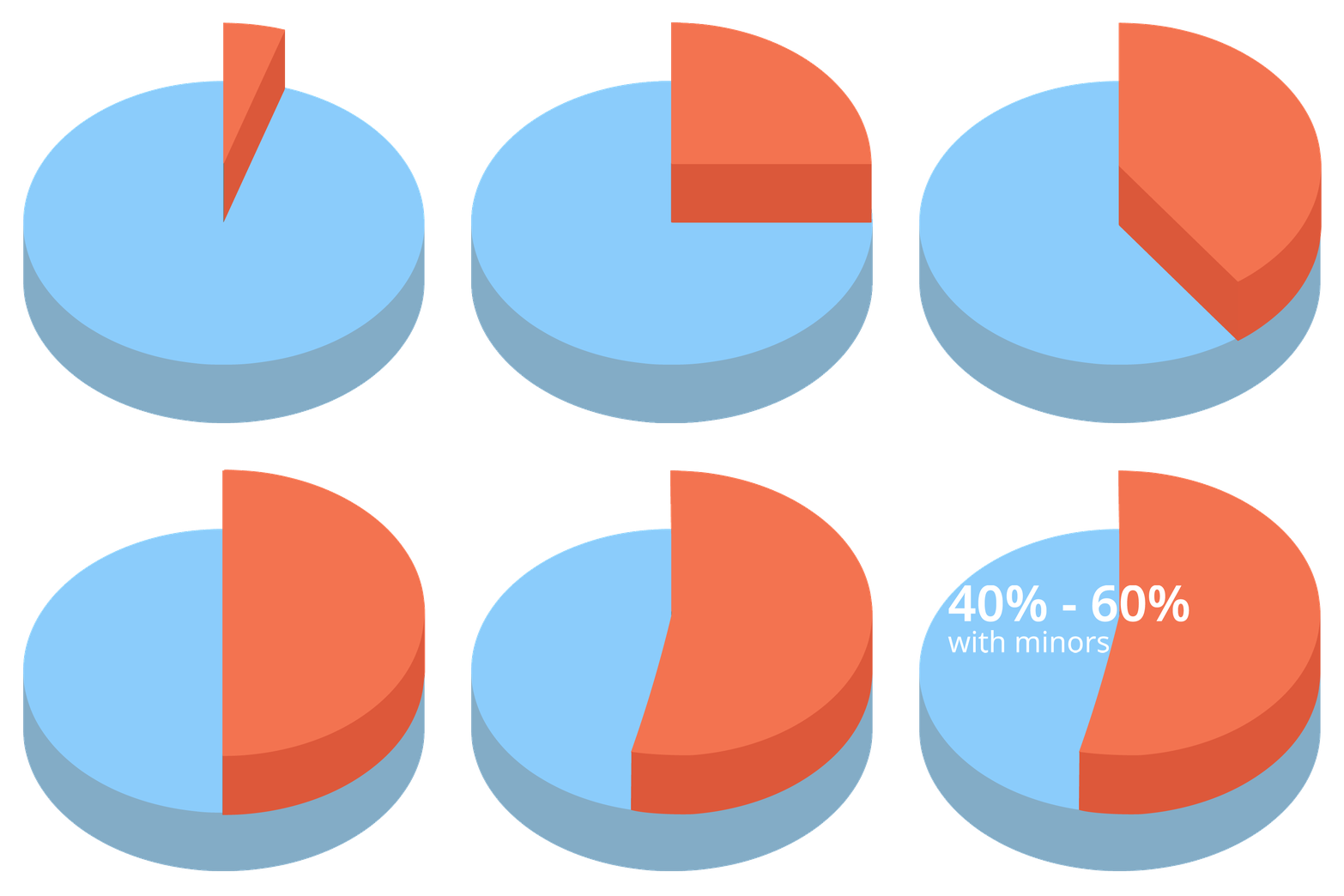
This year marks a milestone with the graduation of CHS’ first cohort, a living testimony of how breadth and depth can coexist in modern education. Many of them made thoughtful use of the curriculum’s built-in flexibility, often combining disciplines in creative and unexpected ways.
Their next steps are just as varied: some have gone on to further studies, while others are stepping into roles across different industries, both within and beyond their original fields of study.
CHS is shaping a distinct learning identity – more than just science or humanities students, CHS students are boundary-crossing thinkers who view problems as systems, not silos. The curriculum continues to evolve, shaped by the world’s urgent challenges – from climate change and public health to the far-reaching impact of artificial intelligence (AI). New programmes and experiential learning opportunities are introduced in step with these shifts, offering students more pathways to combine technical depth with cross-disciplinary agility.

Not so long ago, computing lived quietly behind the scenes – humming along inside laboratory equipment, crunching numbers on desktops. Now, it is the engine driving progress across every field of knowledge. From decoding genomes to simulating the planet’s climate or uncovering the secrets of new materials, computing technologies are reshaping how we understand, experiment and innovate.
Recognising this shift, the Faculty’s new Second Major and Minor in Computing (Sciences) arrives at just the right moment. Today, computing fluency is no longer a niche skill; it sits at the heart of scientific inquiry and industry innovation alike. By weaving computation into science education, the Faculty is cultivating a new generation of thinkers: students fluent in both numbers and nature, equipped to model, analyse and accelerate discovery.
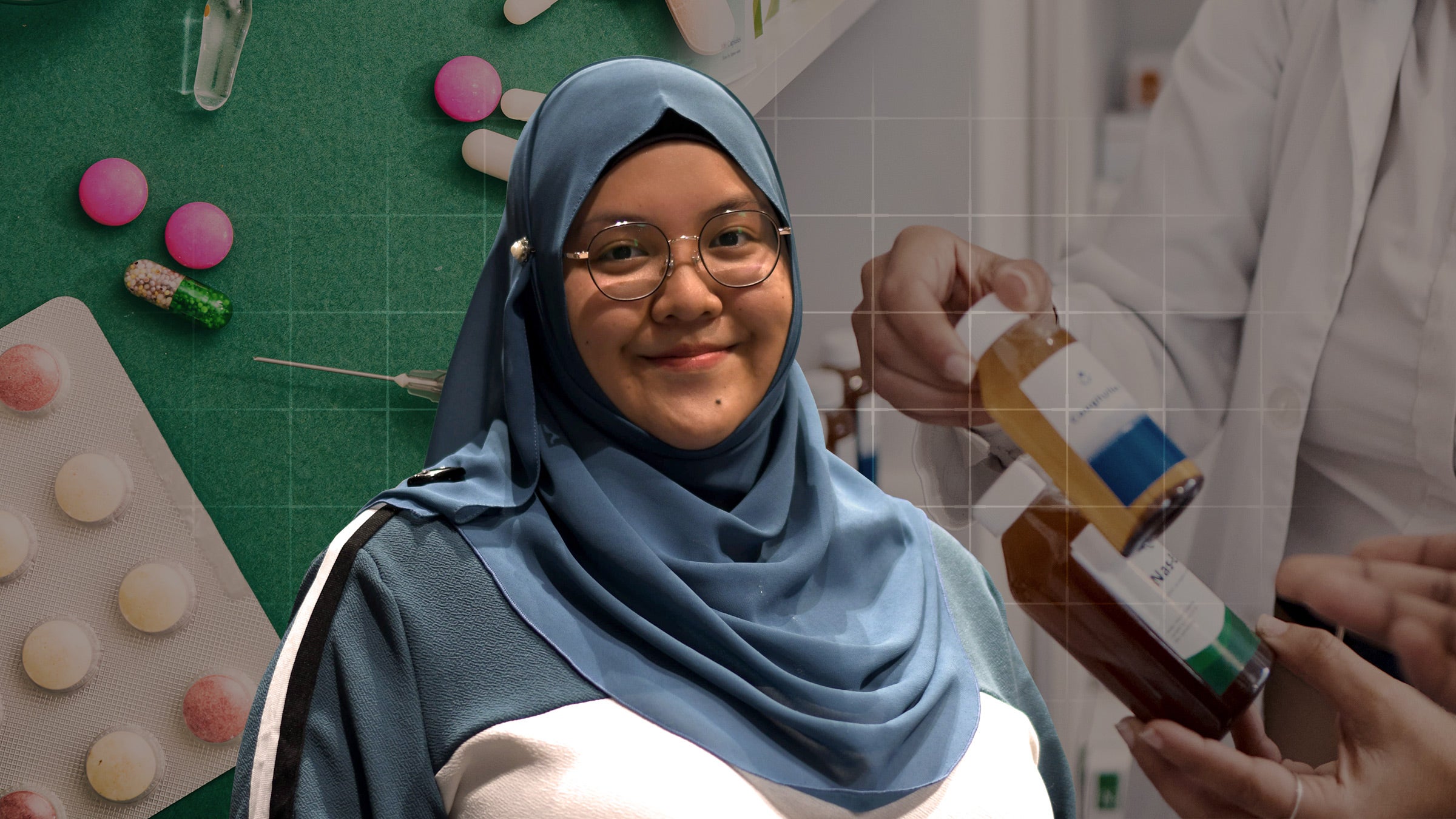
What began as coursework soon evolved into a journey in interprofessional learning, where Adlin Ilyana discovered how bridging expertise across medicine, nursing, dentistry and pharmacy creates truly holistic, patient-centred care. Conversations on the social and environmental determinants of health deepened her understanding of how life beyond the hospital walls shapes every patient’s story, while digital literacy courses spotlighted the importance of protecting patient data. Her defining experience came through the Longitudinal Patient Experience – a year spent on home visits with peers from other health disciplines, where classroom concepts were transformed into real-world lessons on integrated care.
The idea of integration is finding new expression in healthcare, where collaboration across disciplines is becoming part of how students learn to care. This year, the inaugural cohort of the Bachelor of Pharmacy (Honours) completed the first run of the Common Curriculum for Healthcare Professional Education.
Preparing students for the future goes beyond mastering code. It calls for the ability to translate complexity into clarity, to make ideas understood, not just proven. A new course, Communication Practices in Popular Science, trains students to express scientific ideas with clarity, accuracy and empathy, turning scientific concepts into narratives that resonate with public audiences. In an age where misinformation travels faster than evidence, such communicators are as important as the researchers themselves.

Explaining Faraday’s Cage to a curious child at the Science Centre Singapore was not something Elrond Hu (Year 1, Cross Disciplinary Programme in Data Science and Economics) expected from a university course. Yet the course pushed him to turn theory into a lively conversation, comparing electric fields to cars and buses, and electrons to “little helpers”. As a student ambassador, he learned to think on his feet, tailor ideas for different audiences and connect through stories. Looking ahead, Elrond hopes to carry these skills into future presentations – and maybe even a classroom of his own.

A laboratory can teach methodologies, but travel teaches perspective. For many, stepping into a new country offers lessons no textbook can provide. Global exposure programmes open doors to cultures, ideas and ways of thinking that challenge assumptions. These journeys do not just teach adaptability and independence, they also build confidence born from navigating the unfamiliar. In today’s interconnected workplace, these experiences are not extras but essential preparation for global citizenship – a skill as valuable as a degree.
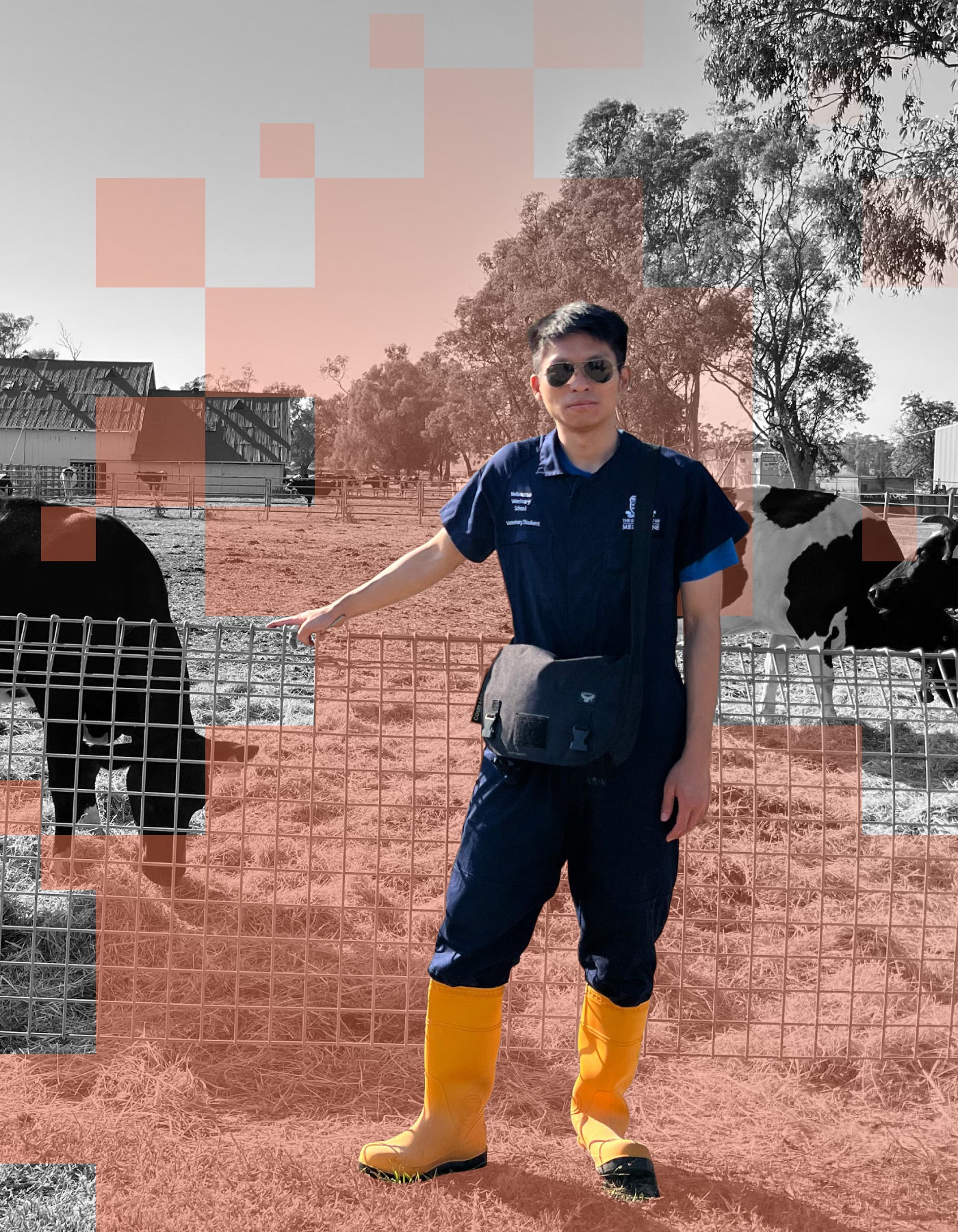
For Joel Wong (Year 3, Major in Life Sciences), enrolling in the Concurrent Degree Programme in NUS Life Sciences and Doctor of Veterinary Medicine at the University of Melbourne, Australia was both a leap of faith and a dream fulfilled. Guided by his passion for animal welfare, Joel spent the year immersed in hands-on learning: from fear-free animal handling to surgical skills, even trimming alpaca nails. Dissection practicals sharpened his grasp of comparative anatomy, while the Wildlife Appreciation Group expanded his exposure to research. Through it all, Joel found his purpose: to use science to heal and protect animals.
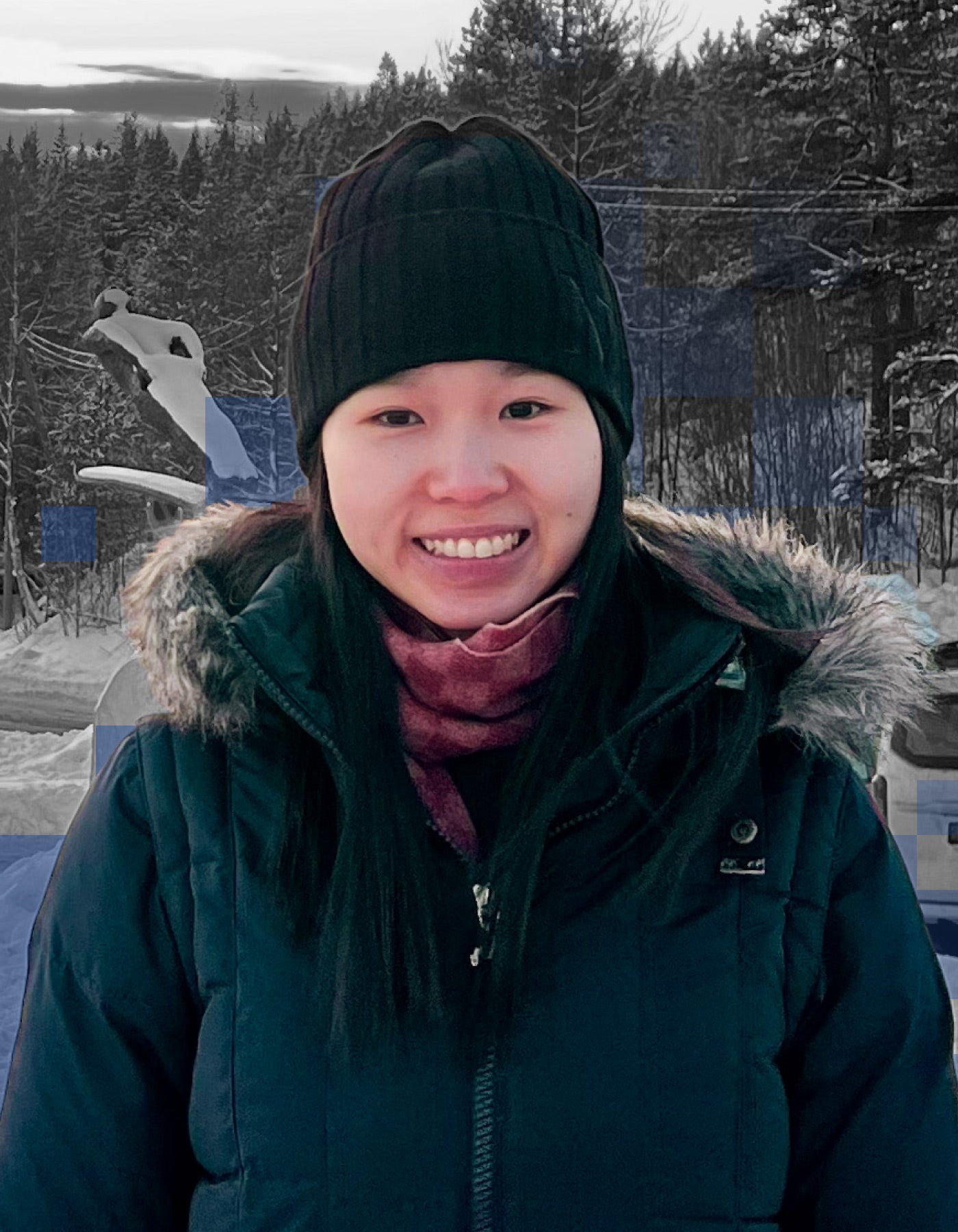
As the world shifts toward clean energy, Lim Wan Hui (Year 4, Major in Chemistry, Minor in Entrepreneurship) is determined to be part of that change. Her dual passions, sustainability and entrepreneurship, led her to two NUS Overseas Colleges (NOC) stints, first in Ho Chi Minh City and later in Norway. Immersed in vibrant startup ecosystems, Wan Hui learned from seasoned founders and gained insights into emerging renewable technologies like green hydrogen, at a conference in Germany. Inspired by how even small startups can ignite impact, she went on to cofound Qumo.ai – a platform using AI to turn static surveys into engaging conversations.
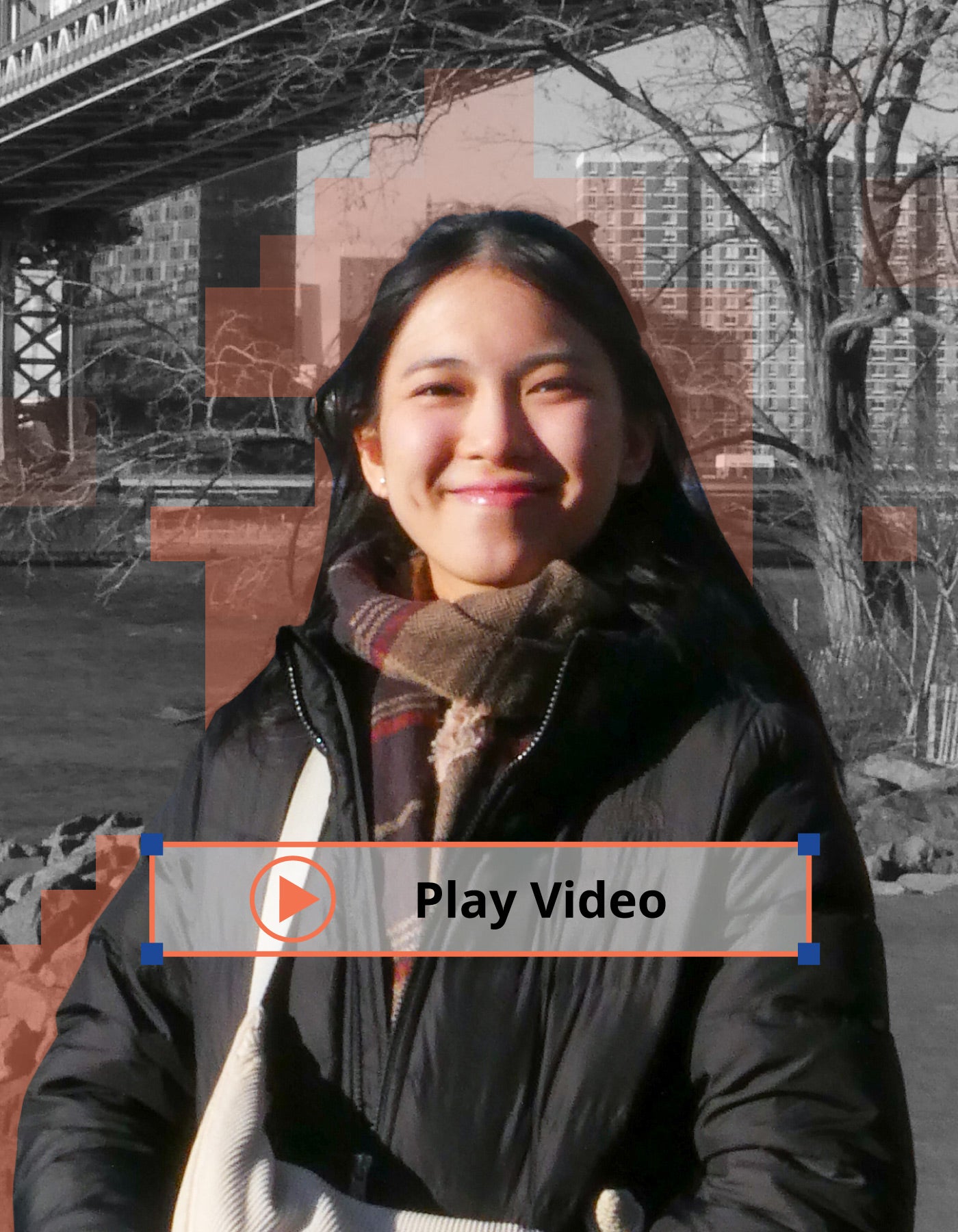
Video credit: Wang E-Jen
Food is more than sustenance – it provides a window into a country’s traditions, cultural identity and social dynamics. This is what Wang E-Jen (Year 3, Major in Food Science and Technology, Minor in Nutrition) believes. Her Student Exchange Programme at the University of Alberta, Canada allowed her to experience these nuances first-hand, from exploring dietary habits across life stages to learning the craft of commercial fermentation and national nutrition policies. Adapting to project-based, discussion-heavy classes challenged her initially but her experiences have strengthened her resolve to use food to drive social impact and food security.

Thoughtfully sourced and rigorously evaluated by educators who value the link between theory and real-world relevance, Faculty-curated summer and winter programmes open additional pathways for global learning through credit-bearing courses tailored to science disciplines. These programmes, offered in partnership with leading universities, allow students to dive into specific areas of science that capture their interest.
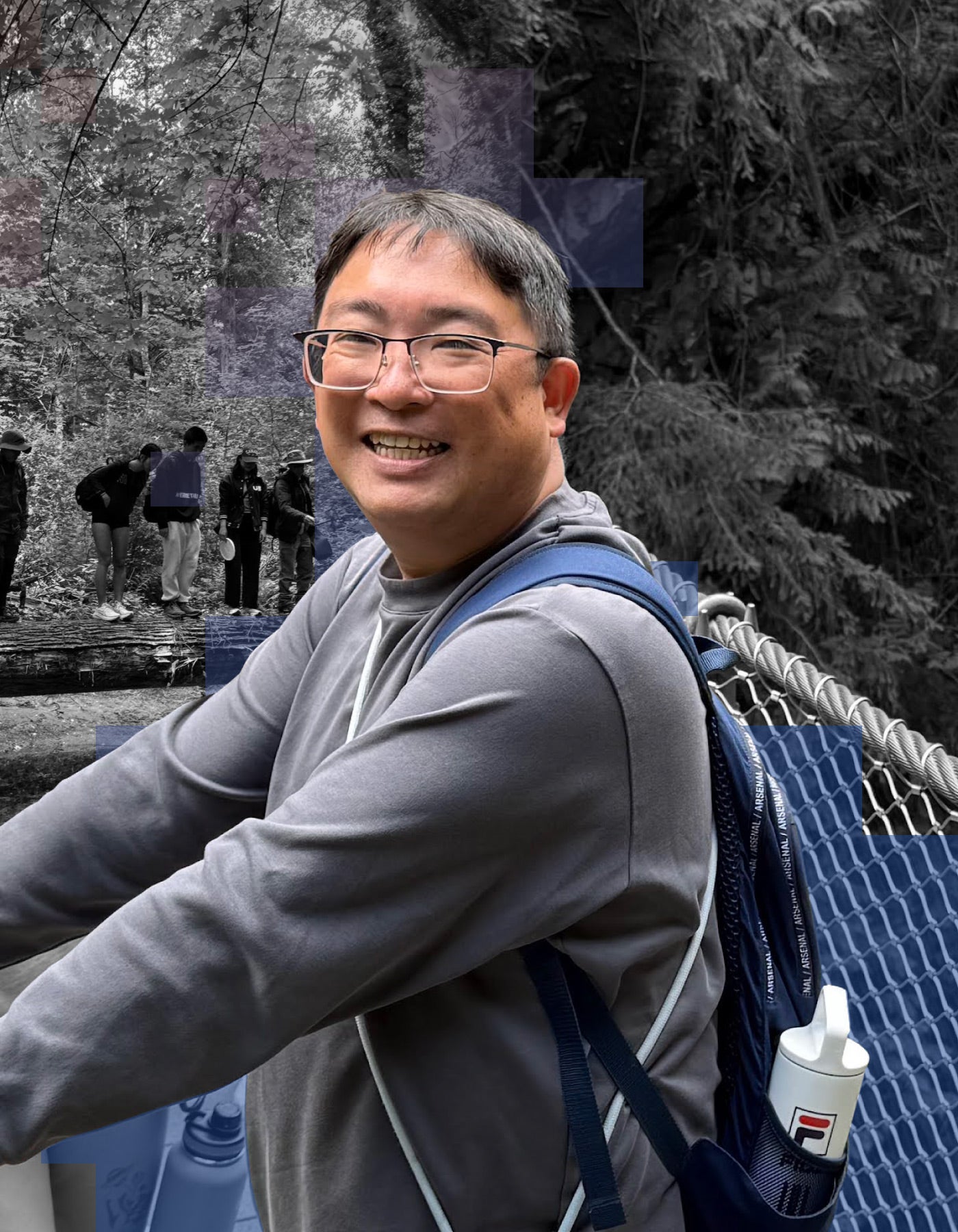
A dolphin dissection marked one of the most unforgettable moments for Andrew Tan (Year 1, Chemistry) when he signed up for the Vancouver Summer Programme at the University of British Columbia, Canada. Seeking an international experience without a lengthy stay, he chose this short-term programme and was rewarded with small group projects with peers across Asia and supportive professors. Through lectures on marine life in North America and field trips to forests and coasts, he gained richer insights into how climate change shapes marine ecosystems and biodiversity, a topic that has long intrigued him.

Research remains a defining feature of the undergraduate experience. Each year, about 370 students dive into the Undergraduate Research Opportunities Programme in Science (UROPS), engaging in projects across the vast frontiers of modern science. What they discover matters just as much as how they learn to ask better questions. These experiences sharpen analytical skills and kindle intellectual independence, enabling students to contribute to science with both rigour and imagination.
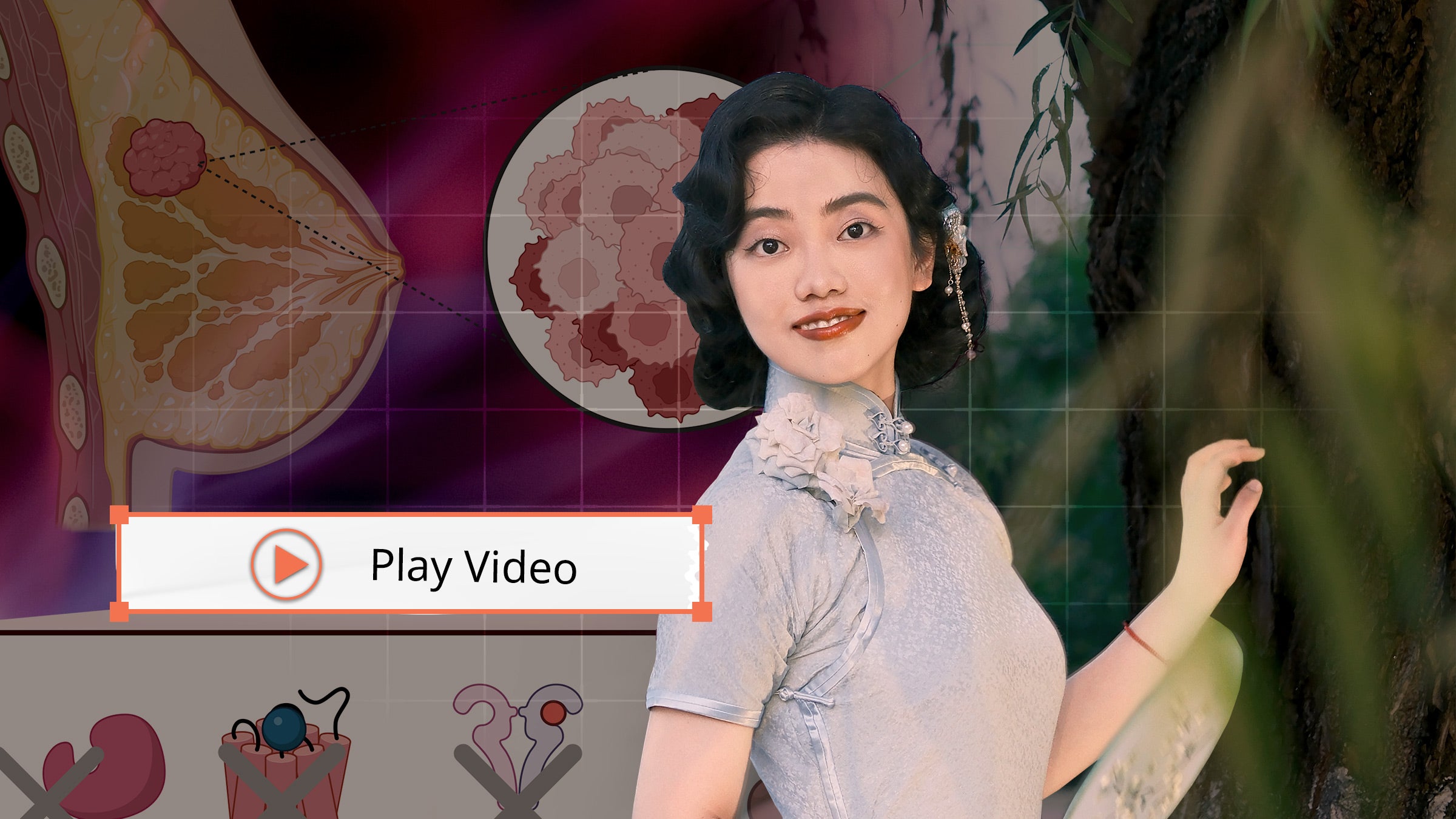
Driven by a desire to improve outcomes for patients battling aggressive cancers, Zhai Weiting (Year 3, Major in Pharmaceutical Science) embarked on a journey to uncover new diagnostic and therapeutic targets for triple-negative breast cancer (TNBC), which often resists conventional treatment. Using mechanical homogenisation and mass spectrometry, her team profiled over 1,600 surface proteins and identified several that are uniquely elevated in TNBC. Her findings could one day inform more effective and targeted therapies for TNBC.
Research is not confined to the benches of campus laboratories; it extends beyond borders through international research attachments and initiatives like the Amgen Scholars Programme, which give students a global stage for their discoveries.
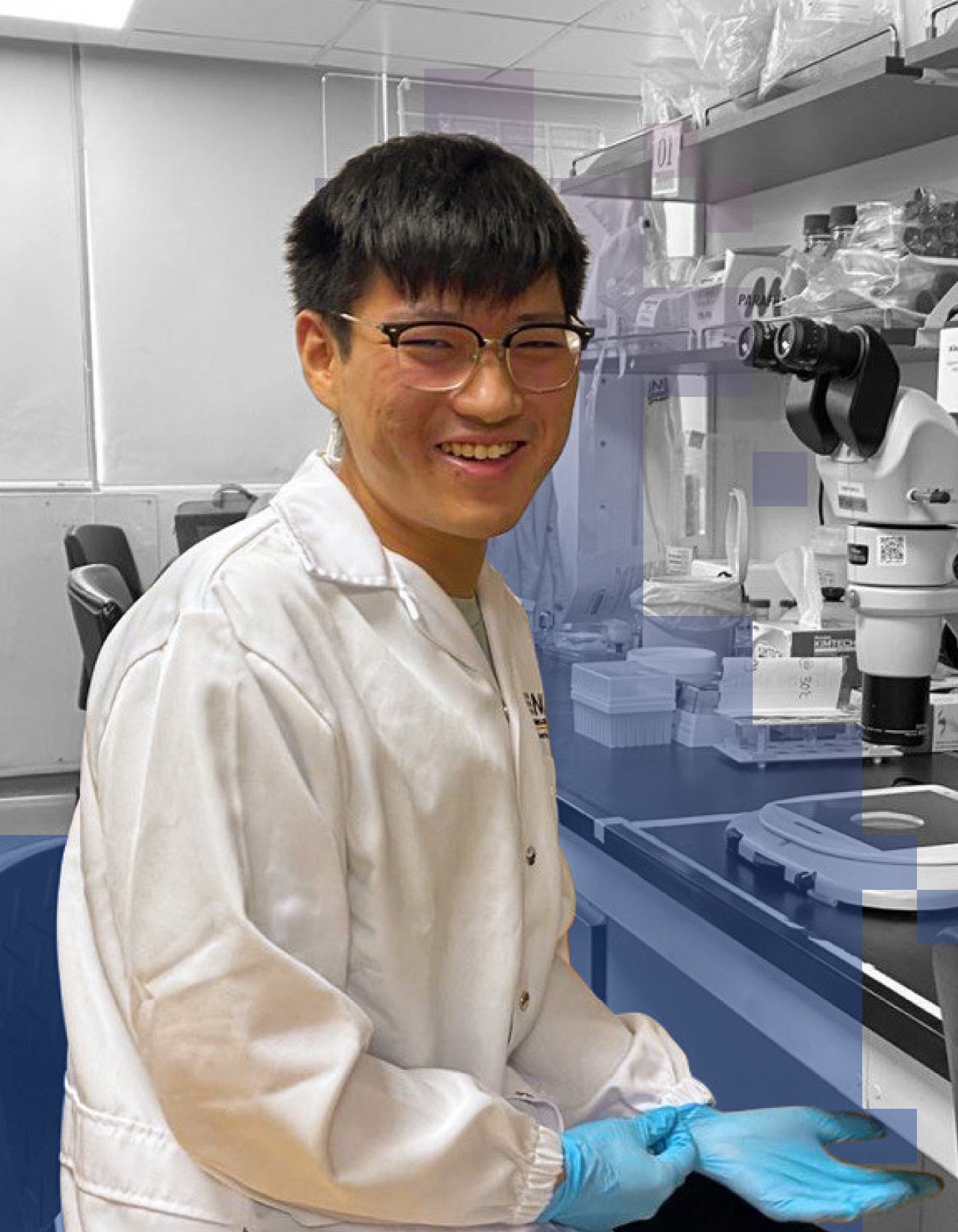
Wee Juin Shin (Year 2, Major in Life Sciences, Minor in Japanese Language Studies) studied how theca cells, a key component of ovarian follicles, move during processes like wound healing, immune responses and cancer spread. By using eribulin, a cancer drug, he discovered a method to study cell movements without damaging their structure – offering new insights into cancer metastasis. Presenting his findings at the Amgen Scholars Asia Symposium in Japan reinforced his belief that the future of science lies in the connection between disciplines and a shared passion to turn discovery into impactful applications for human health.
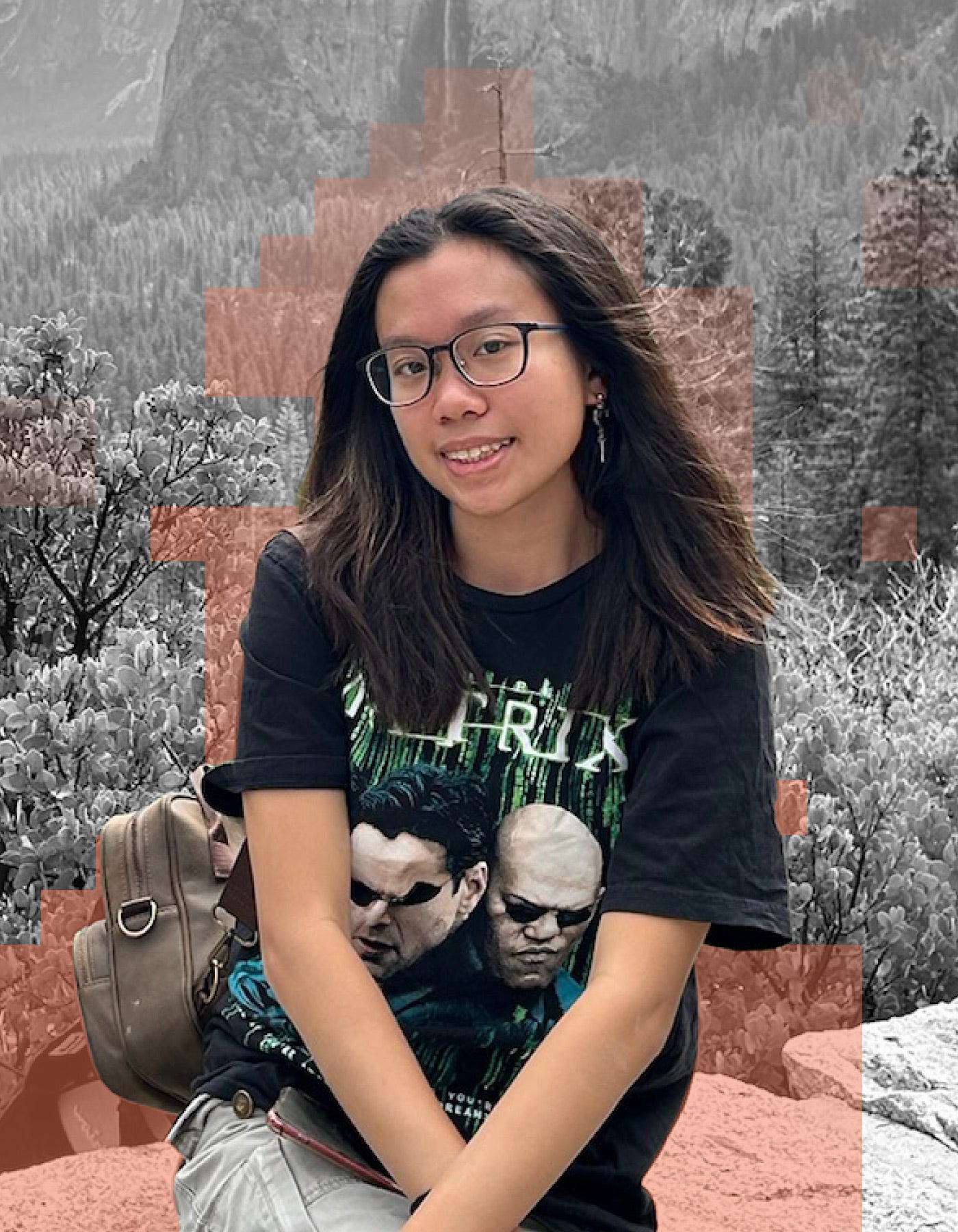
How biological research – specifically in therapeutics and diagnostics – advances human health fascinates Zayn Tong (Year 2, Major in Life Sciences). With budding interests in virology, pharmacology and bioinformatics, she embarked on the Stanford Summer Programme to explore how these disciplines intersect and potential applications. Over two months, she applied statistical modelling for microbiology and epidemiology, gained hands-on laboratory experience by identifying unknown bacteria and used gene-editing technology for electricity generation in fungal fuel cells.
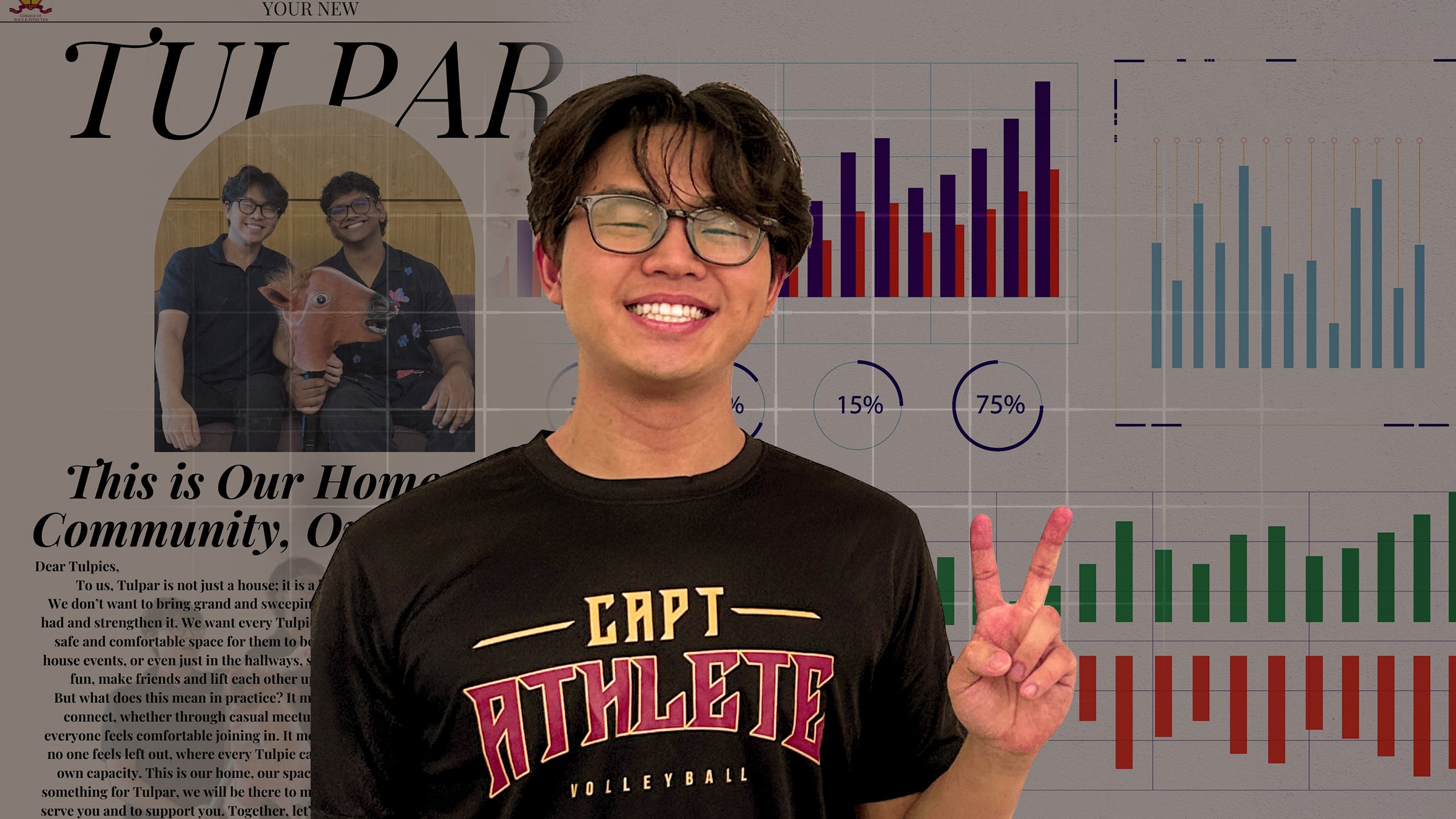
The promise of learning and living in a close-knit community drew Stevson Lim (Year 1, Double Majors in Data Science and Analytics and Political Science) to the College of Alice and Peter Tan (CAPT). At CAPT, classrooms extend into collaborative projects with community partners, where Stevson applies his data skills to turn numbers into stories of real lives. Surrounded by peers and professors from diverse disciplines, he has tackled projects rooted in community engagement: from designing AI literacy workshops for children in India to leading a trail exploring end-of-life care.
The Faculty’s postgraduate academic offerings continue to grow in both scale and scope. Our programmes equip professionals and researchers for areas that define the future – from healthcare and data science to sustainability – allowing learners to update their knowledge, gain new skills and move confidently into advanced research or leadership roles.

Demand has reached new highs, with applications for Master of Science (MSc) by Coursework programmes surpassing 11,000 and over 1,400 students enrolled across 20 programmes. Among the newest offerings, the MSc (AI for Science) stands out for its forward-looking curriculum that integrates scientific discovery with advanced computational methods.

This year saw the first graduating cohort of the Master of Pharmacy (Clinical Pharmacy) programme. Its stackable structure gives practising pharmacists flexible pathways toward the Doctor of Pharmacy degree (PharmD), blending academic depth with clinical application to support both generalist and specialist development.

For Rocky, a senior clinical pharmacist at the Singapore General Hospital, the programme’s flexibility offered the rare opportunity to grow academically while continuing to serve patients. Insights into new topics like pharmacogenomics and advanced pharmacotherapy have sharpened his clinical judgement, while the programme’s focus on communication and patient history-taking skills strengthened his ability to connect with patients and understand their needs. He is now advancing his journey towards a PharmD degree and plans to apply his learnings to deliver better care for patients with advanced liver disease.
At the doctoral level, the Faculty continues to attract outstanding candidates, with President’s Graduate Fellowship scholars in chemistry, physics and pharmacy doubling in number over the year. In classrooms and laboratories, viewpoints intermingle: students from China, India, Vietnam, Germany, Ghana, Turkey, Japan and Singapore trade ideas that cross disciplines, challenge assumptions and amplify the reach and relevance of research.
Mathematics PhD alumnus Dr Tang Tianyun received the Ivo and Renata Babuška Thesis Prize (2026) for addressing a key optimisation challenge: solving large-scale semidefinite programming problems beyond the reach of existing computing methods. His work builds on a clever insight: by exploiting simpler, ‘low-rank’ structures, he reformulated these problems in a compact form, significantly reducing computational time and resources. Along the way, he overcame new challenges, using innovative algorithms and advanced computational techniques to reliably find the best solutions.
From a childhood fascination with ants and fish to unravelling the intricacies of the human genome, Tian Chi is driven by the quest to uncover the mechanisms behind biological systems. Now a PhD candidate in Genomic Data Science, he uses single-cell sequencing to explore how genes are ‘cut and pasted’ through splicing. Focusing on donor samples from Asians, an underrepresented population, his work uncovered genetic switches that influence splicing patterns, offering insights into diseases such as lupus and Graves’ disease. His findings chart a path toward identifying new disease genes, pinpointing drug targets and developing therapies to correct faulty splicing.
Video credit: Wang E-Jen
“We have barely scratched the surface of Timor-Leste’s biodiversity. New discoveries can have profound impacts on conservation and policy-making.”
In August 2022, we led an expedition to Timor-Leste in collaboration with Conservation International and the government of Timor-Leste. The Museum’s herpetologist, Dr CHAN Kin Onn, discovered a new species of bent-toed gecko which was named Cyrtodactylus santana, in reference to the Nino Konis Santana National Park, in which the gecko was discovered.