





Check-In Accommodation
| Opening Ceremony |
|
Plenary Lecture 1: Quantum Computing and Quantum Error Correction Quantum computing offers a fundamentally new paradigm of computation based on the principles of quantum mechanics. Over the past decade, the field has advanced at an extraordinary pace and is widely regarded as a potential game changer across many scientific and engineering disciplines. In this talk, we introduce the basic concepts of quantum computation, including qubits, quantum gates, and simple quantum algorithms, and highlight how quantum effects such as superposition and entanglement can lead to computational advantages over classical methods. Representative examples, including Shor’s algorithm for integer factorization and Grover’s algorithm for unstructured search, will be discussed to illustrate both the power and the limitations of quantum computation.
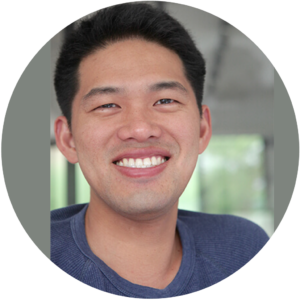
Assoc. Prof. Cai Zhenning obtained his Ph.D. from Peking University in 2013. Following postdoctoral research at RWTH Aachen University and Duke University, he joined the Department of Mathematics at the National University of Singapore (NUS) in 2017. In 2023, he was promoted to Associate Professor with tenure. His research focuses on modeling rarefied gas dynamics and simulating open quantum systems. He received the Excellent Young Teacher Award in 2022 and the Faculty Teaching Excellence Award in 2026, both from Faculty of Science, NUS. |
| Welcome lunch |
| Thematic Programme: Introduction to Department and Ice Breaking |
|
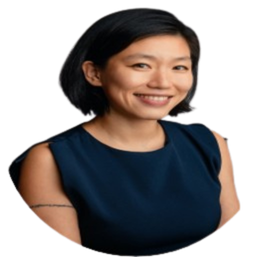
Plenary Lecture 2: Capturing light-matter interaction in lab The interaction between light and matter constitutes one of the most fundamental and versatile phenomena in physics, underlying a remarkable breadth of natural processes and technological applications. In this talk, Assoc Prof Gao will describe the experimental tools in bosonic circuit quantum electrodynamics that allow us to capture the fascinating features of light-matter interaction and harness them for quantum computing.
Assoc Prof Yvonne Gao is an associate professor in the Department of Physics and a Principal Investigator in the Centre for Quantum Technologies, National University of Singapore. Her team develops tailored bosonic circuit quantum electrodynamic systems to probe fundamental features of quantum physics and practical applications in quantum information science. In addition to her scientific achievements, Yvonne is also a passionate community-builder, spearheading several initiatives to inspire and empower the next generation of young scientists. Her contributions to advancing quantum computing technologies and bringing positive changes in the community have brought her many prestigious accolades, such as the Young Scientist Award, the Singapore National Research Foundation (NRF) Fellowship and MIT Tech Review’s Innovator’s Under 35 (Asia-Pacific) award. |
| Thematic Lectures 1 |
| Practical Masterclasses 1 |
| Thematic Lectures 2 |
| Practical Masterclasses 2 |
| Practical Masterclasses 3 |
| Fireside chat with Professors |
|
Plenary Lecture 3: Why study parasites Every organism can be a parasite and every organism can be parasitized. Yet parasites remain some of the most misunderstood forms of life. They may infect and they may cause diseases, they are also ancient companions that have been shaping life on earth for hundreds of millions of years. Some even say – parasites rule the world! In this talk, we will take a tour of the hidden world of parasitism. We will explore why parasites are so successful and what we can learn by studying parasites.
Assoc Prof Cynthia He’s research areas focuses on cell and molecular biology of parasitic. Trypanosoma brucei causes African sleeping sickness in humans and Nagano in cattle, bringing huge economic burdens to many developing countries that can least afford it. As a model system, the single-celled T. brucei is one of the earliest divergent eukaryotic organisms studied in laboratories. Genomic databases of T. brucei and related species are complete. Development in advanced molecular genetics methods such as inducible expression and RNAi allows rapid characterization of protein functions. Furthermore, T. brucei has a simple cellular anatomy with a single copy of nucleus, mitochondrion, flagellum, and Golgi, suitable for fluorescence microscopic and electron microscopic studies. Using T. brucei as a model organism, we study the organization of cellular structures and the regulation of their coordinated duplication/segregation during cell cycle. |
| Thematic Lectures 3 |
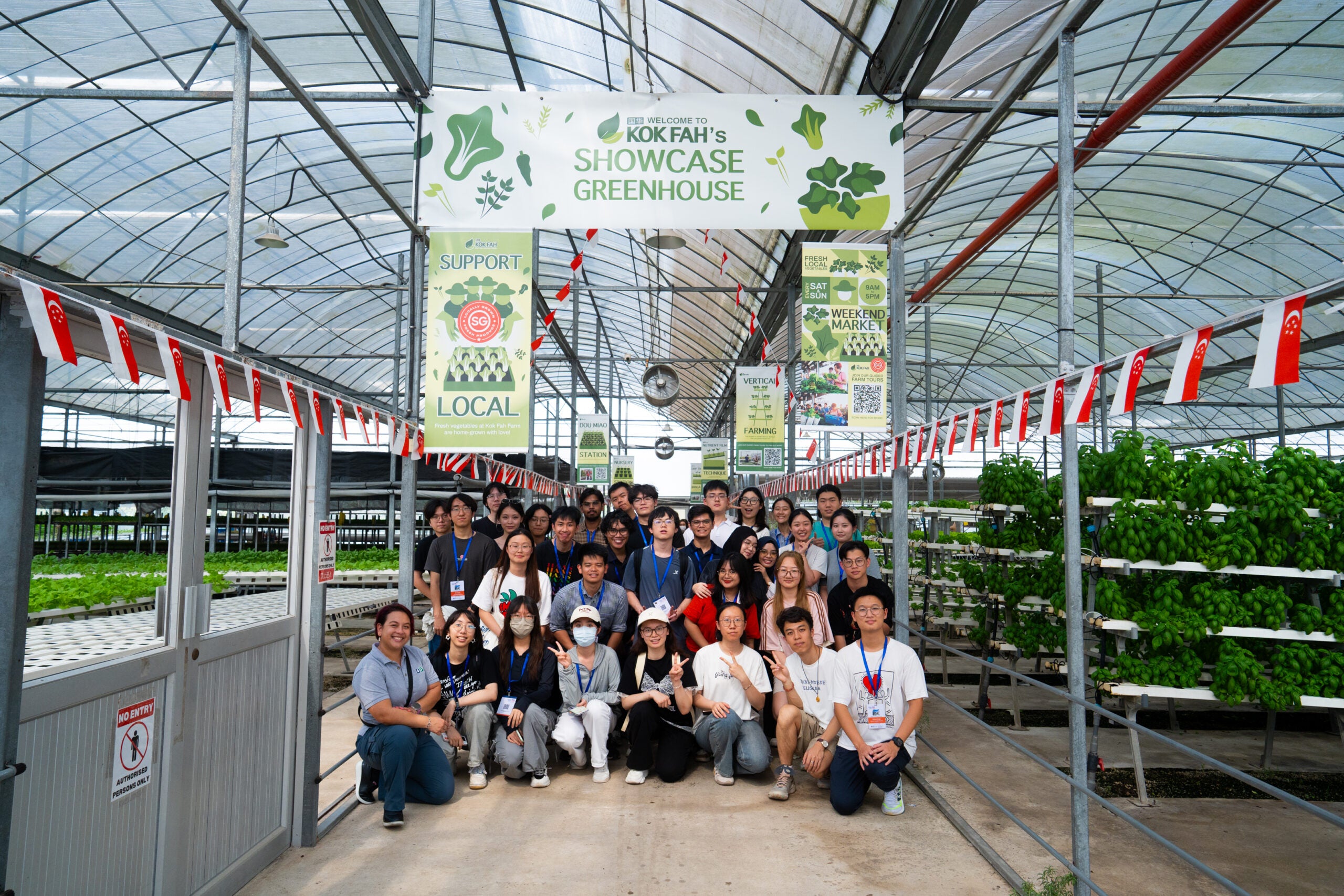
| Visit to national laboratories and research centres |

Full / Half-day Singapore Tour
Free & Easy
| Thematic Lectures 4 |
| Practical Masterclasses 4 |
| Thematic Lectures 5 |
| Practical Masterclasses 5 |
|
Plenary Lecture 4: Making the world a greener and more sustainable place: green chemistry and green energy Currently, more than 80% of the world’s energy needs are met by burning fossil fuels. Supplies of these fuels are intrinsically limited and will eventually run out. Combustion of fossil fuels also generates carbon dioxide, a greenhouse gas. One solution for reducing atmospheric CO2 levels is carbon capture and sequestration. Another alternative is to electrochemically reduce the emitted CO2 into carboxylic acids, hydrocarbons or alcohols, which are valuable chemical feedstocks and fuels. Water can also be reduced to hydrogen gas, which can be used as a carbon-free fuel. If the energy used for these processes is generated from renewable sources such as solar and wind, we can envisage a chemical production cycle that is closed-loop with net zero carbon emission. In this talk, we will discuss how we could produce electricity, chemicals and fuels in clean and sustainable ways, with the hope that our world will become cleaner. We will examine water electrolysis, a seemingly simple process that was first performed in 1789, and reveal the mechanisms by which water is split into hydrogen and oxygen gas. We will also discuss how CO2, a very inert molecule, could be activated and converted to useful chemicals such as ethylene and to aviation fuels. Different types of catalysts and their functionalities will be shown.
Associate Professor Jason Yeo received his BSc (Hons) and MSc in Chemistry from NUS, and his PhD from ETH Zurich. He conducted postdoctoral research at the Lawrence Berkeley National Laboratory. His work focuses on developing efficient and robust materials to catalyse energy conversion reactions to achieve sustainable and environmentally friendly energy. Assoc Prof Yeo has received multiple university- and faculty-level teaching excellence awards. He is Deputy Head (Education) at NUS’ Department of Chemistry. |
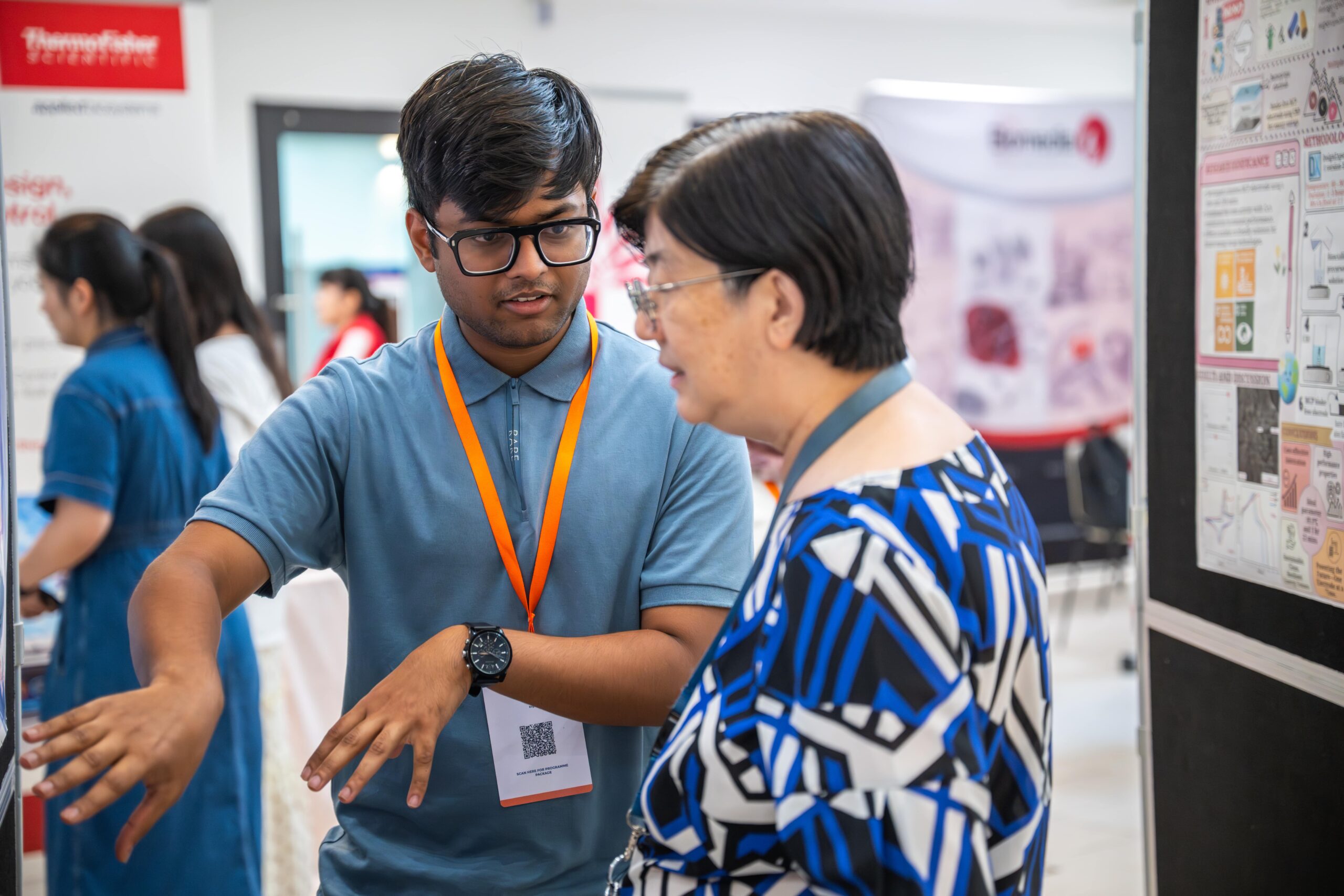
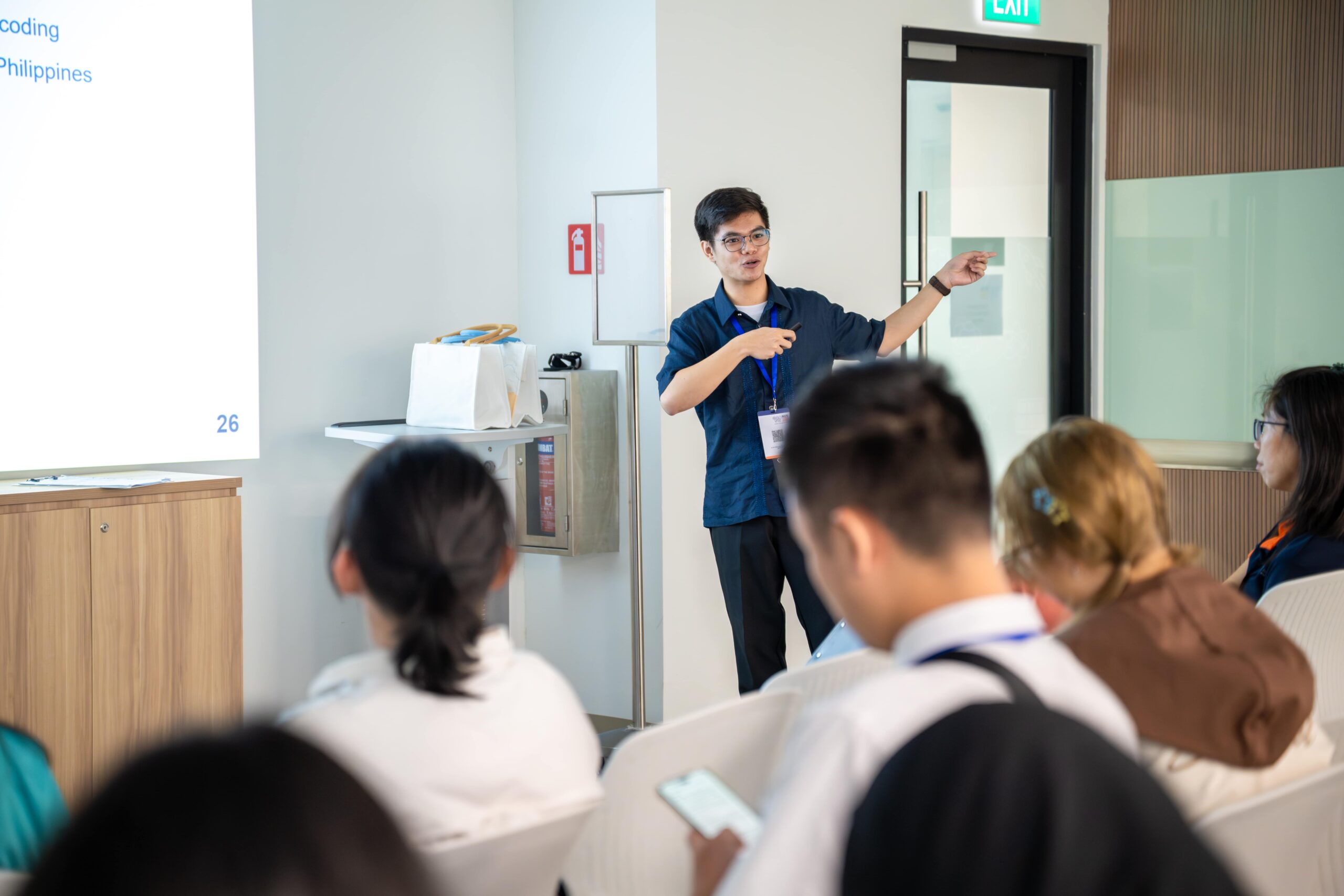
| Parallel oral presentation Poster sessions and interactions |
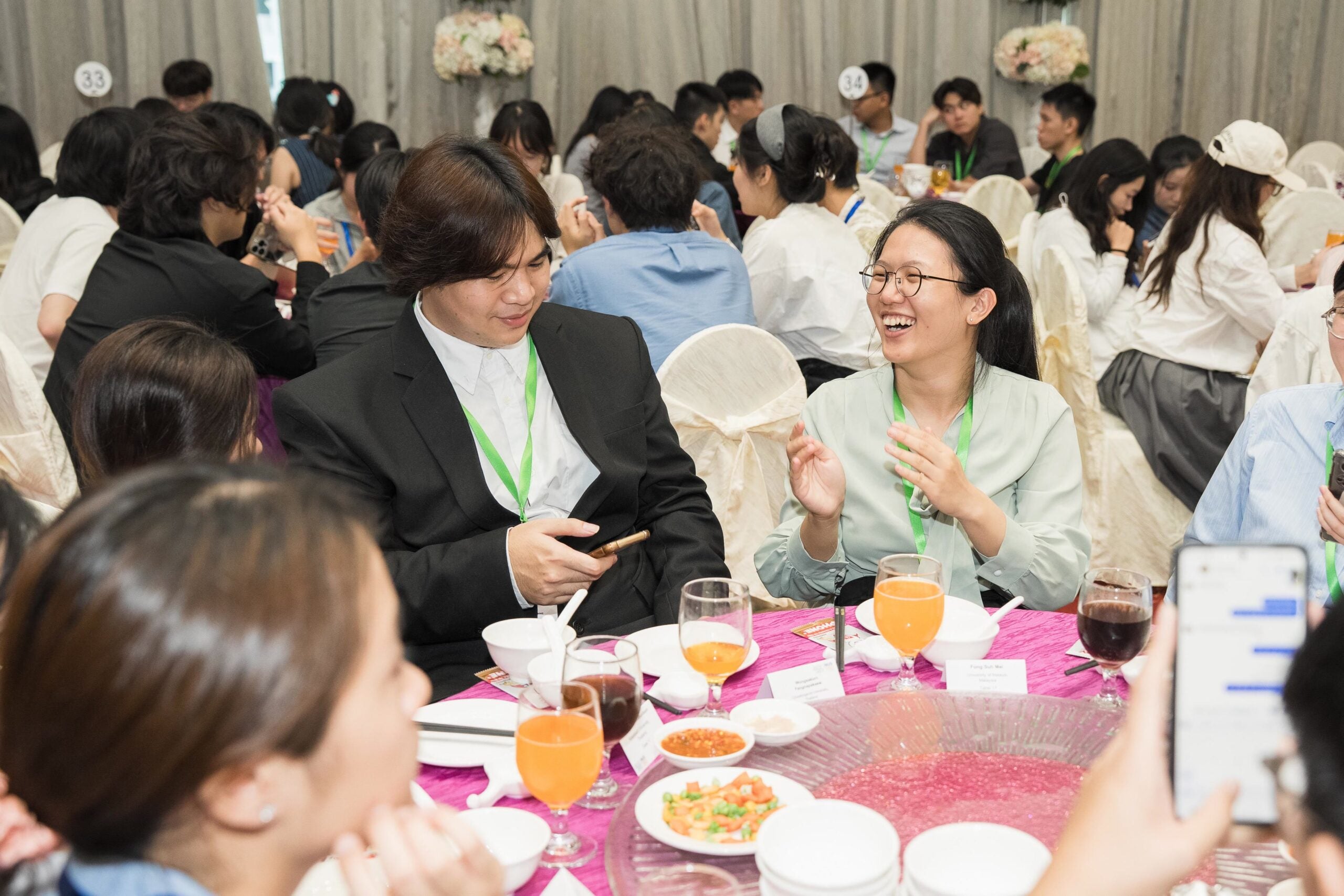
| SSI Banquet |

|
Plenary Lecture 5: Token Cartography: How Reading High-Dimensional Latent Spaces of AI Models is Changing Scientific Discovery At its core, artificial intelligence (AI) is a discipline of geometry. When an AI model learns from scientific data, whether images of cells, diffraction patterns of water, or spectra of materials, it is performing a remarkable act of spatial reorganization: compressing a universe of high-dimensional measurements into compact, structured representations where the essential physics, chemistry, and biology become visible. This lecture offers an intuitive tour of this geometric perspective on AI, and explains why learning to read these hidden spaces is becoming a powerful habit of mind for curious scientists. We begin by framing AI not as a magical black box, but as a tool for reshaping how we see data. Neural networks warp and compress measurements so that meaningful structure rises to the surface. We then examine how this compression produces low-dimensional manifolds that encode the logic of a model’s predictions, and what these manifolds can tell us about the natural world. Building on this, we introduce the idea of tokenization: a way to chart these manifolds by turning continuous structure into interpretable symbolic units, much as a cartographer marks a continuous landscape with waypoints to turn it into a legible map. But the real story is never about the tool; it is always about the question. What are the pathways for crystalline ice to transition from deeply supercooled water, and what does it say about cloud formation? Which nanometer-sized structural features in low-dimensional, imperfect materials actually affect their capabilities as piezoelectrics and future photonics devices? Which spatial-temporal “dances” do the organelles within a living cell decide need to take for it to function properly (e.g., divide, defend, consume, etc)? These are the questions that drive our group to invent new ways of blending machine learning with principled science to discover new hypotheses from experimental observations. We close by sharing how these ideas are being taught in the NUS AI for Science programme (in the Department of Physics), and by inviting students who find themselves excited by any of these questions to consider joining us for postgraduate studies and research. The most important qualification is genuine scientific curiosity.
Duane Loh is an Associate Professor in the Departments of Physics and Biological Sciences at the National University of Singapore (NUS) and a Principal Investigator at the NUS Centre for Bio-imaging Sciences. His research includes developing Computational Lenses for electron and x-ray imaging (i.e., innovative tools that fuse machine learning with scientific and instrument priors to decode complex and chaotic dynamics at the nanometer scale) and Token Cartography (using machine learning models to find scientifically-meaningful patterns in complex spatiotemporal scenarios). |
| Parallel oral presentation Poster sessions and interactions |
|
Lunch Reception FoS Postgraduate Studies Info Session Symposium closing Presentation of Best Poster and Oral Awards |
Quantitative Track Activities
Check Out Accommodation