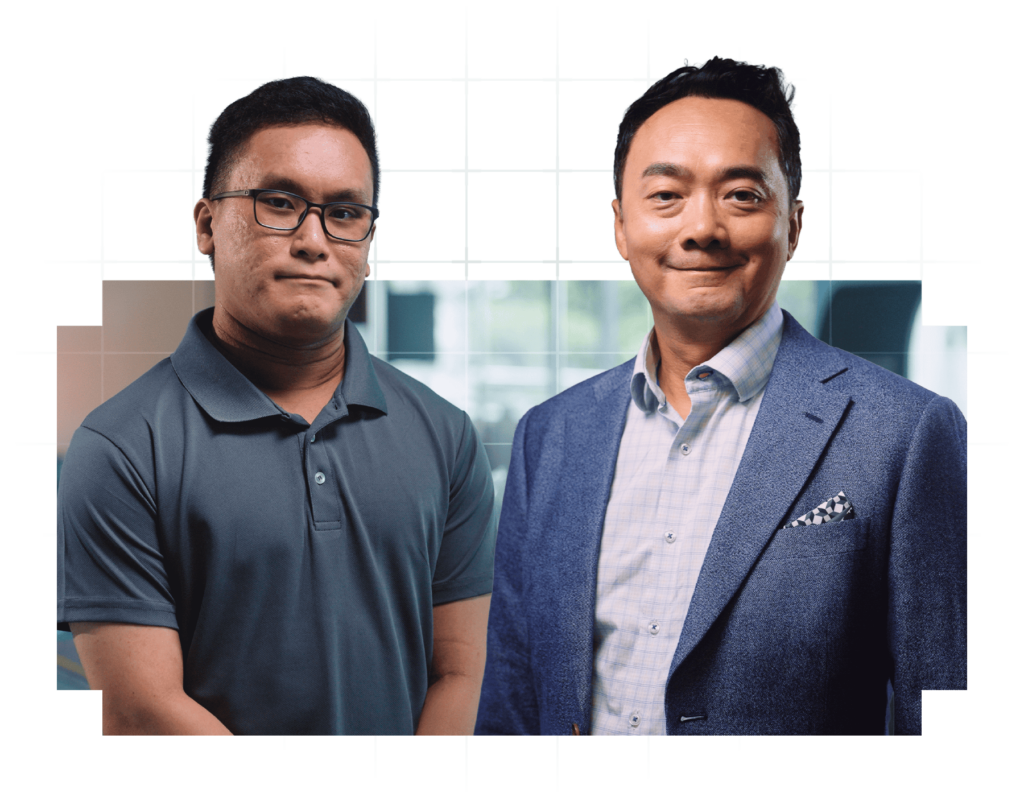
Assoc Prof Chng Shu Sin is the Faculty of Science’s Vice Dean (Student Life and Alumni Relations). His team actively supports students in their NUS and College of Humanities and Sciences (CHS) experience to ensure future success in their personal and career goals.

During her internships at Gardens by the Bay, Aristia Ho (Year 4, Major in Life Sciences, Minors in Botany and Southeast Asian Studies) gained first-hand exposure to the dynamic and detailed work that goes into creating and maintaining vibrant floral displays in unique microclimates. The experience deepened her horticultural skills and ultimately paved the way towards a full-time role at the Gardens.

Industry visits draw science out of textbooks and into real-world application, where students get to connect ideas to industry practice. From tackling public health problems at the National Environment Agency to working on programming code at Barclays, these visits go beyond academic enrichment. They offer a glimpse into the future students are preparing for – where learning connects with purpose.
Our benefactors’ generosity does more than ease financial burdens – their gifts open doors of opportunity. For Marven Ng (Year 4, Major in Food Science and Technology (FST)), a bursary meant access to educational experiences once out of reach. For FST alumnus Daniel Chia HY, one of the bursary donors, the reward is seeing hope take root and young lives flourishing.

Scientific education begins with a question: How does one turn knowledge into understanding? At the Faculty of Science, that question continues beyond the laboratory. Students are taught to test ideas, interpret results and communicate meaning – which mirror the skills professionals rely on every day.
In fast-evolving workplaces, technical expertise opens the door but soft skills keep it open. Employers look for people who can listen, reason, adapt and collaborate under pressure – traits no software can automate. As industries change and technologies redefine old roles, these qualities determine how well graduates adjust at the workplace.
The Faculty has responded with programmes that connect scientific rigour to flexibility of thought, preparing students for both current and emerging roles.
Internships are where learning takes on a sharp edge. In offices, laboratories, startups or institutions across the world, students step into environments that test their adaptability, initiative and grit. From navigating cultural differences in overseas projects to managing deadlines, team meetings or client calls, every situation becomes a lesson in communication and professionalism that no textbook can teach. Many discover not only new skills but also career pathways – some return to the same companies after graduation, stepping seamlessly into full-time roles.
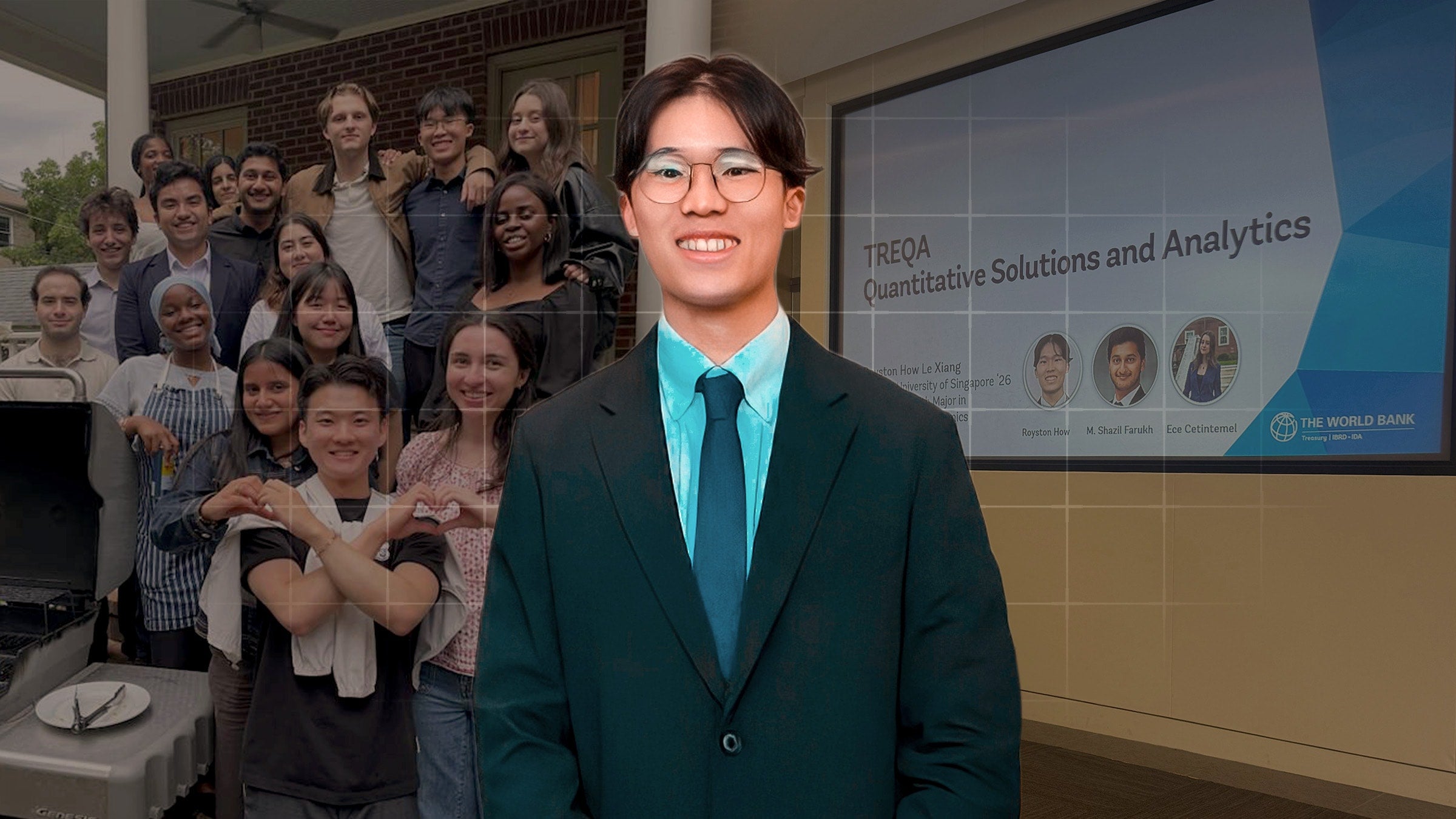
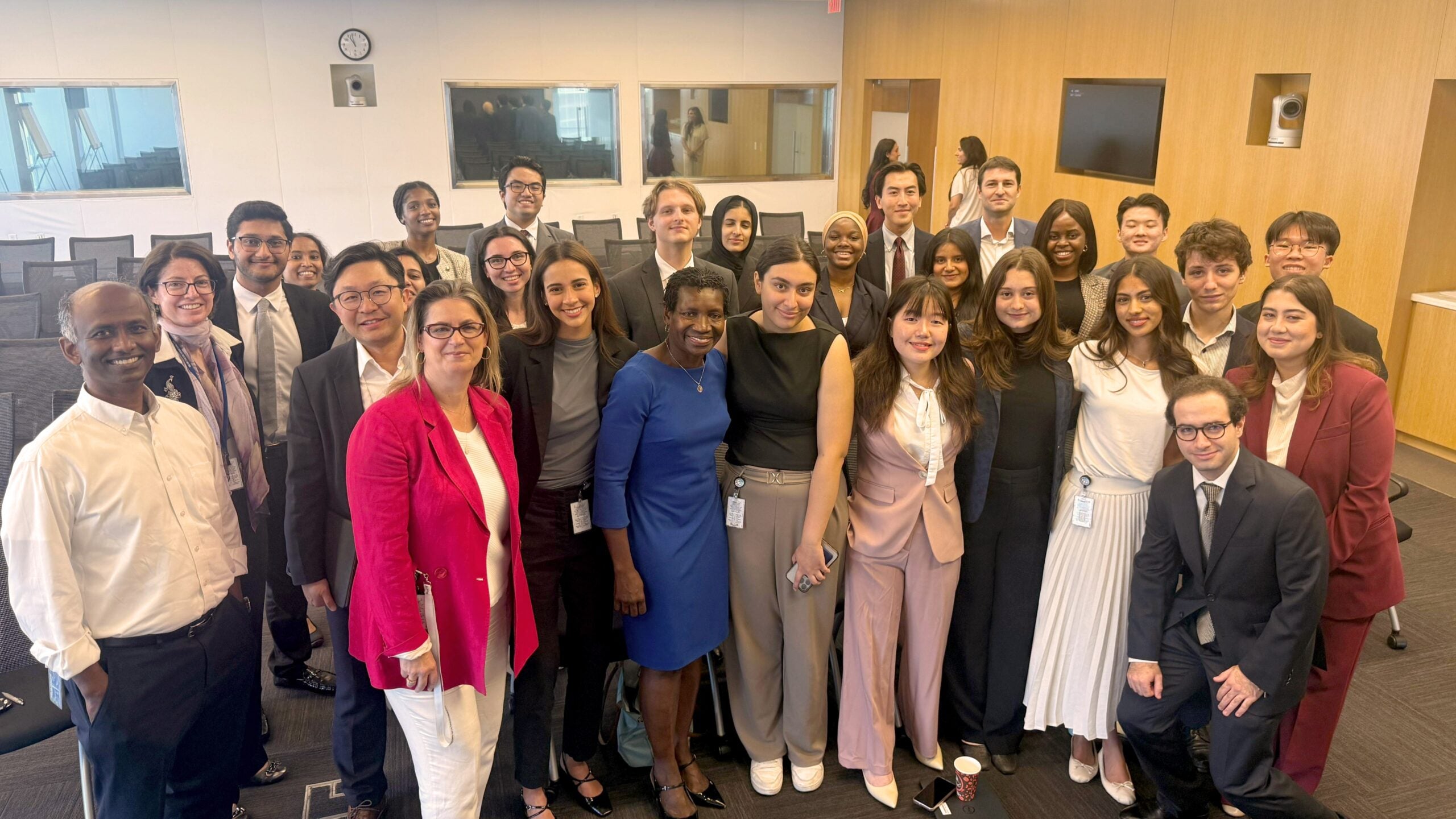
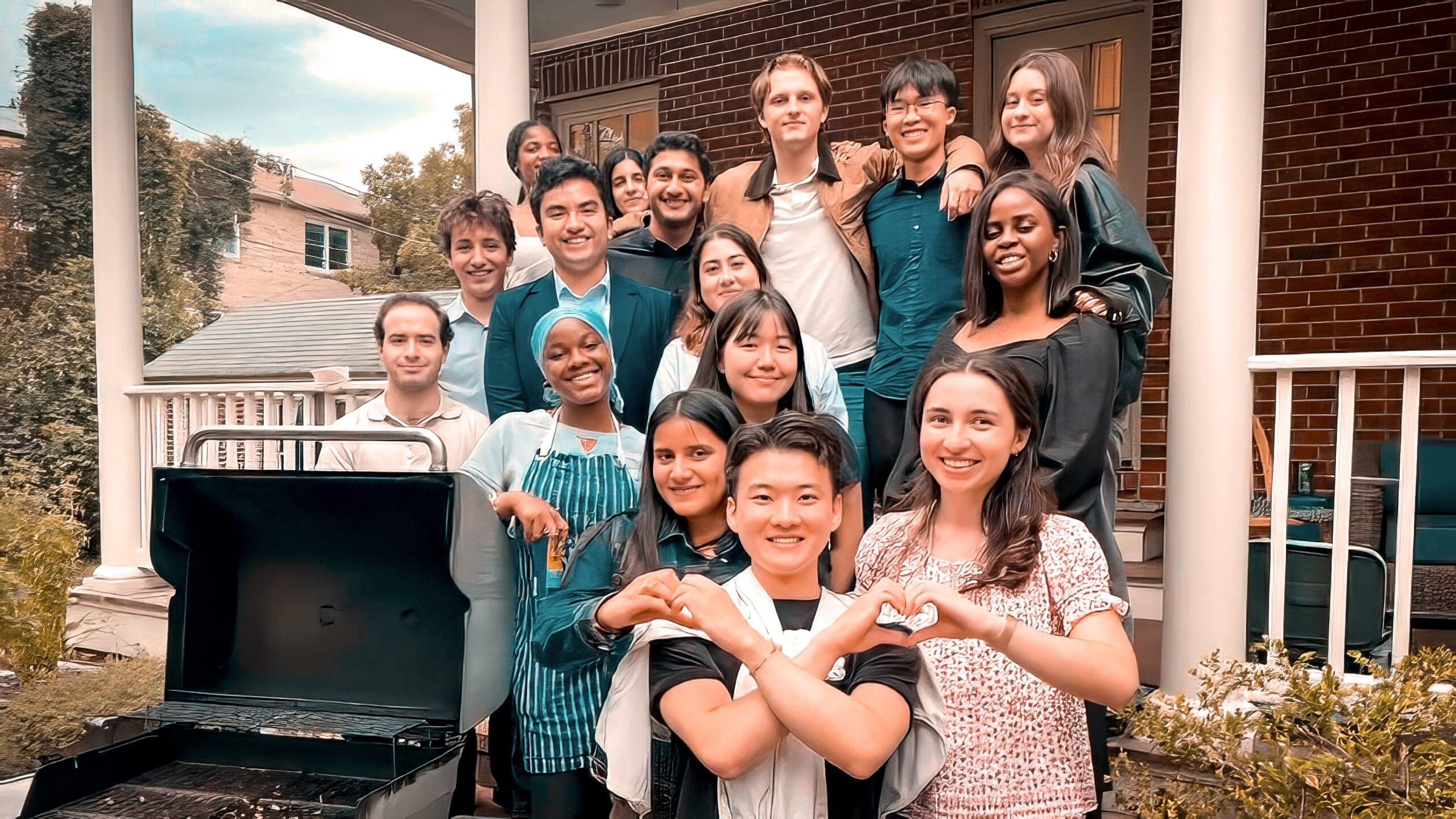
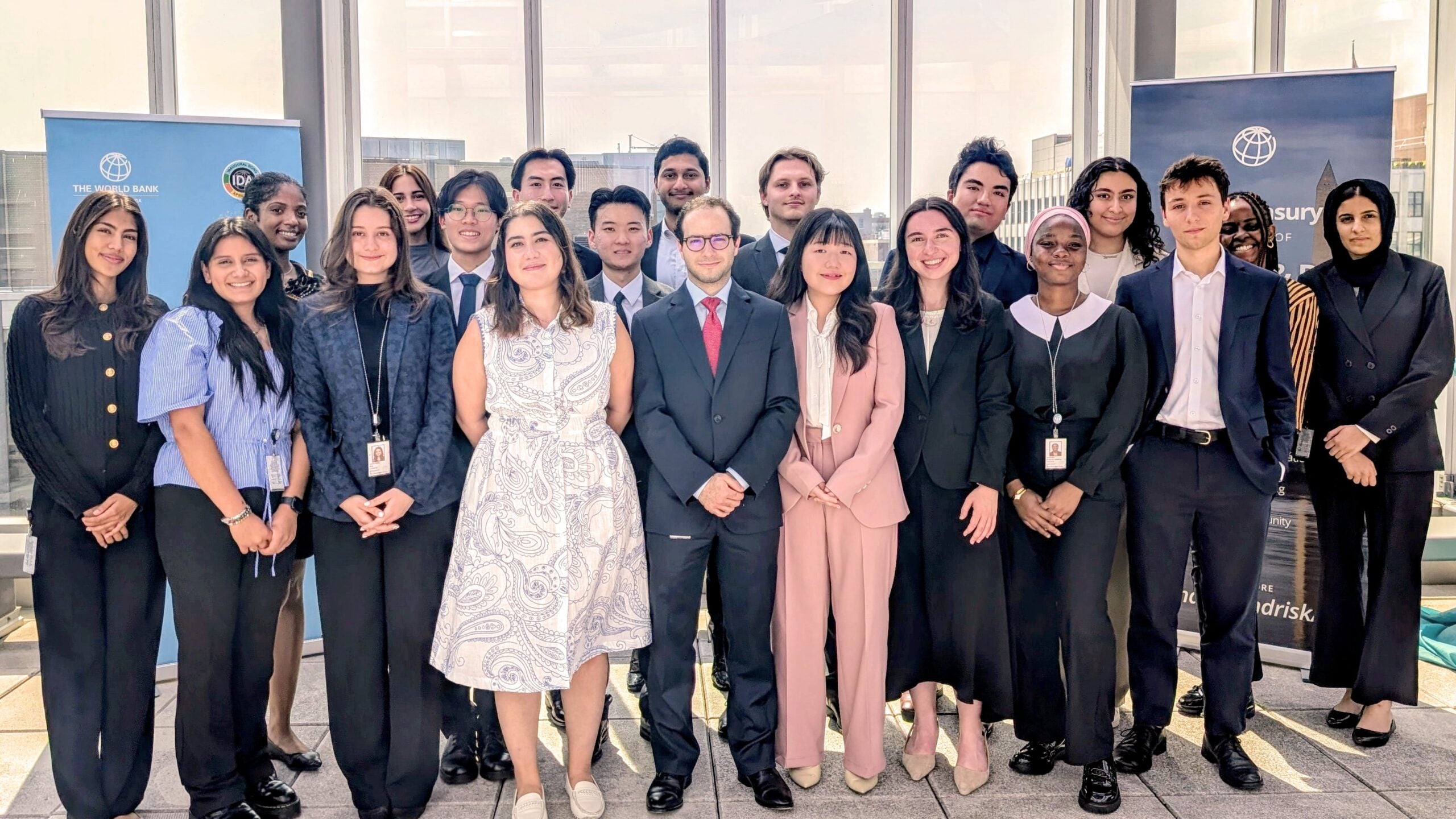
For Royston How (Year 3, Cross Disciplinary Programme in Data Science and Economics), interning at the World Bank was more than a dream – it was a defining chapter in his journey toward global finance. During his global internship in Washington DC, he rotated across three Treasury teams, where he automated trade valuations, built dashboards and developed machine learning models to guide asset allocation decisions. The experience offered a rare view of how data informs the Bank’s treasury-related policies and decisions. He hopes to return as a junior analyst when he graduates, pursuing a career in fixed income and portfolio management – back at where it all began.
The Faculty treats exposure to the wider world as part of professional preparation. Students step beyond the gates of the university to explore how science interacts with policy, commerce and culture in countries and universities around the world.
In the Science and Technology Global Industry Insights programme, students venture into the heart of emerging economies like Vietnam, China and India, stepping inside research institutes, startups and multinational corporations to see innovation unfold in real time as businesses adapt to fast-evolving markets.
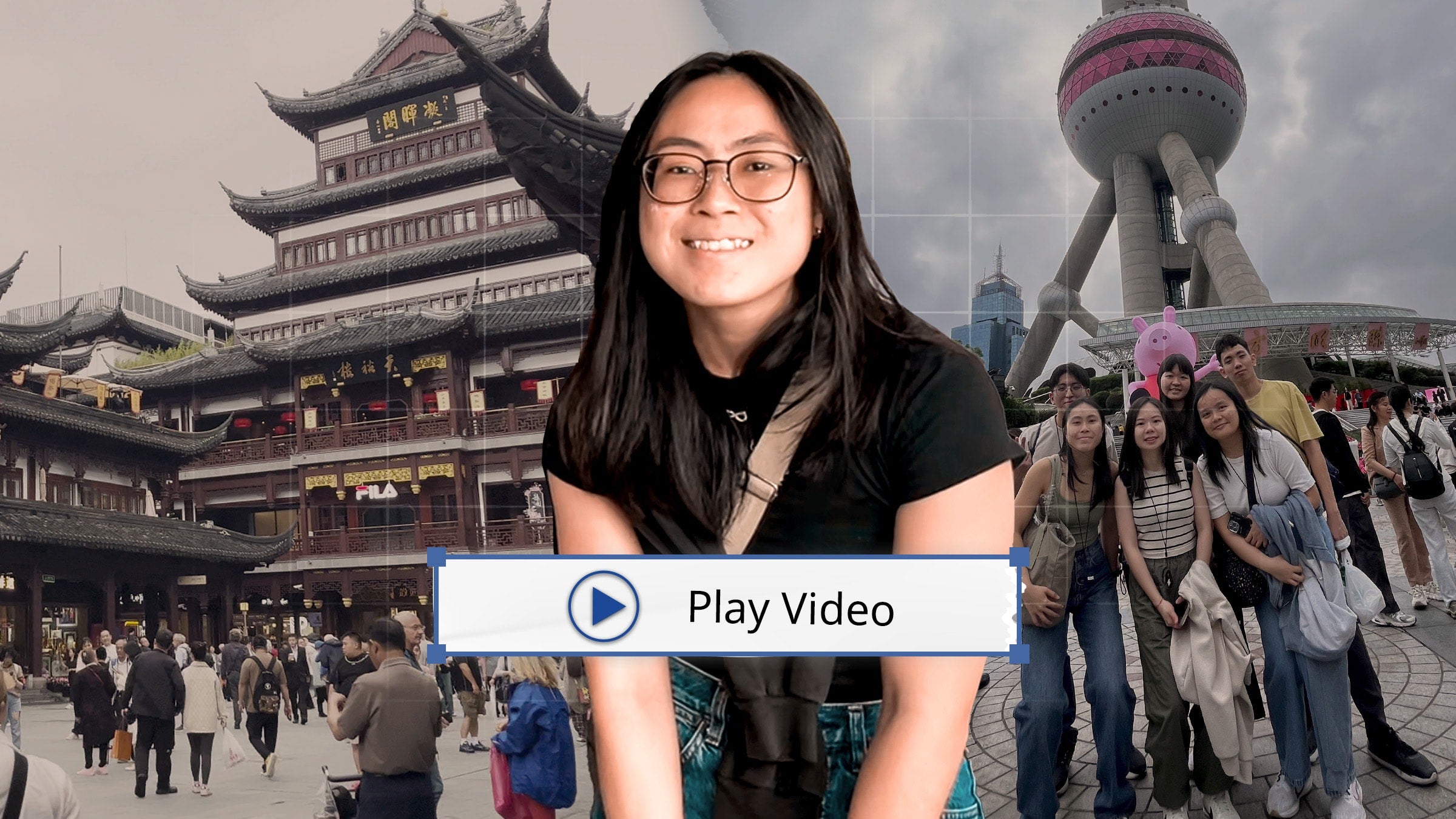
Video credit: Vernice Lim
When Vernice Lim (Year 3, Major in Life Sciences) went to China, she discovered how science, industry collaboration and national policy converge to create an environment where innovation thrives. Exploring Suzhou Industrial Park’s biotechnology ecosystem and meeting local startups helped her grasp how research translates into industrial application. These insights prompted her to reflect on Singapore’s biotechnology landscape and how she might contribute to it in the future.
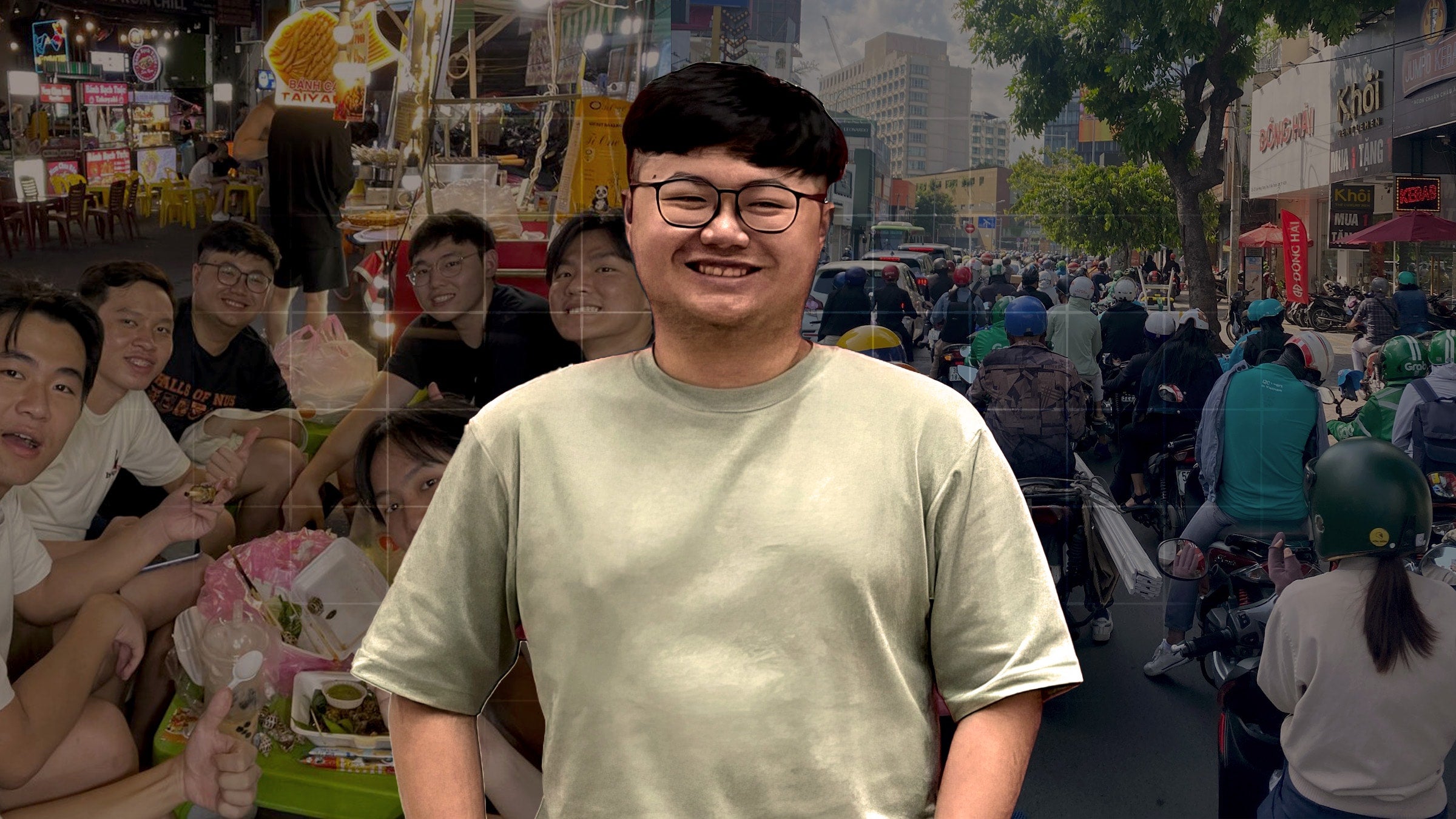
Chia Kwang Yang (Year 4, Major in Data Science and Analytics) joined the Vietnam programme to explore how its approach to technology differs from Singapore’s. In Ho Chi Minh City, he discovered a living laboratory of innovation, where local industries adapt artificial intelligence (AI) to business needs. Observing industries seldom seen in Singapore, such as agriculture, gave him fresh insights into how innovation can emerge from necessity and local context. He also learned what sets standout projects apart from industry-standard ones – a lesson he now applies to his studies.
Across the region, Global Classrooms open doors for students to explore disciplines ranging from biodiversity and agriscience to nanotechnology. From studying food systems in Japan to investigating forensic entomology in Taiwan, students witness how science moves between the laboratory, the field and the economy. These courses, some of them co-organised with partner universities, blend classroom learning with collaborative projects – bridging theory with social and industrial realities.

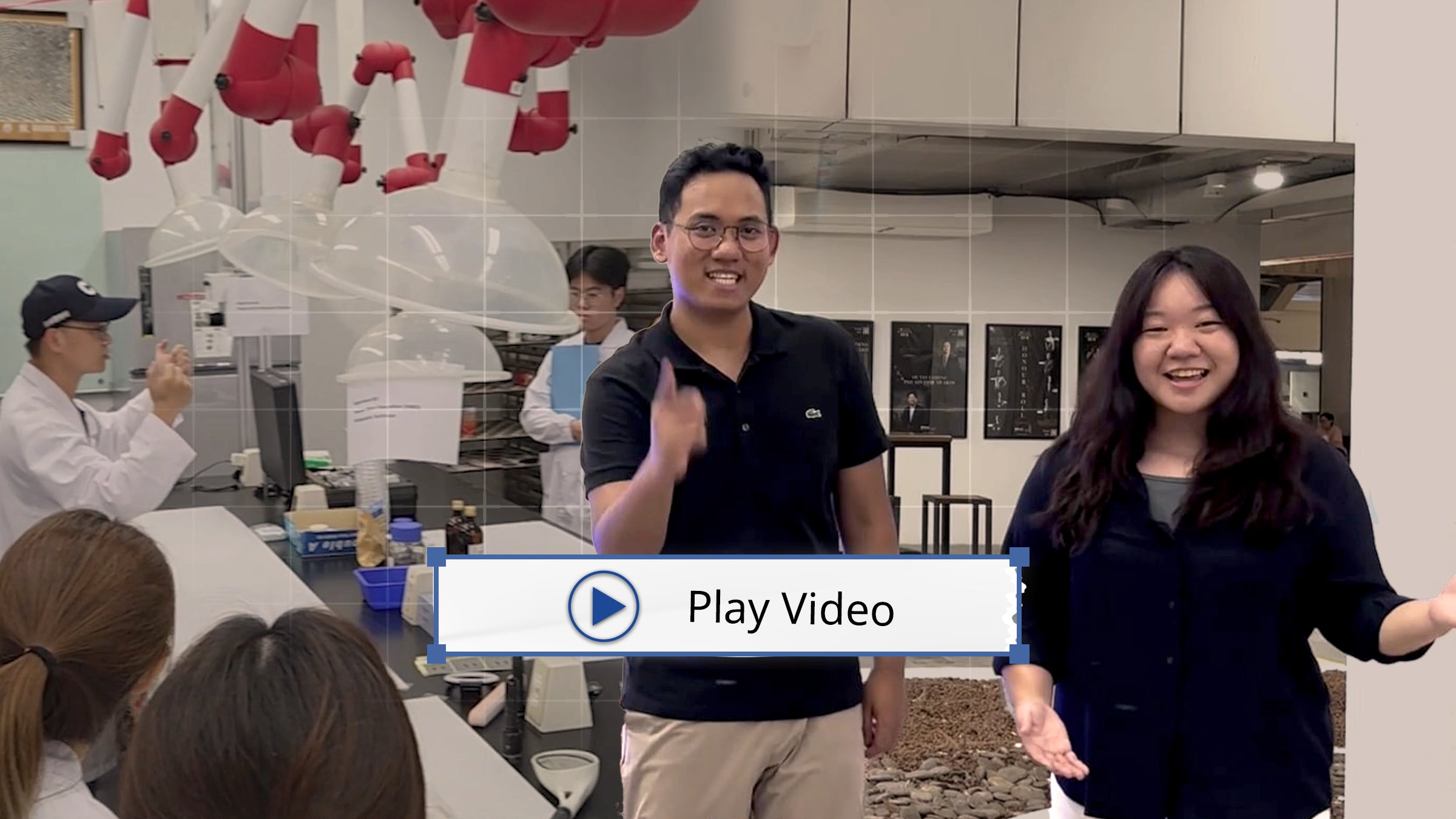
Video credit: Forensic Science students
In Taiwan, Forensic Science students stepped beyond textbooks to observe how laboratories and investigative agencies – from the Criminal Investigation Bureau to the Institute of Forensic Medicine – uphold justice through meticulous work and documentation. At the Central Police University, immersive simulations highlighted how technology and feedback sharpen human judgement. Observing polygraph sessions and ballistics tests also shed light on cultural and procedural contrasts across borders, becoming lessons in teamwork, adaptability and collaboration.

Video credit: Hu Can
When Hu Can (Year 3, Major in Data Science and Analytics) joined the NUS–Hokkaido University summer programme on Japan’s centuries-old seafood industry, she never expected it to reshape her understanding of data. Observing how perishability, seasonality and uncertainty impact supply chains revealed the complexities behind demand forecasting. The issue of declining squid harvests challenged her to think beyond biology and to consider how promoting alternative seafood options require public education or policy intervention, while meeting fishermen, processors and retailers shed light on how solutions demand both technical and human understanding.

Germany’s cobblestone streets and historic lecture halls set the stage for Arushi Sachan’s (Year 2, Major in Physics, Minor in Artificial Intelligence) journey into the heart of physics, where she had the opportunity to explore two contrasting yet equally enriching academic landscapes: Göttingen, steeped in intellectual tradition, and Munich, defined by modern research vitality. Through visits to laboratories and institutes, she witnessed how quantum physics, nanoscience and biophysics continue to evolve. Conversations with professors and researchers offered windows into Germany’s academic culture, giving her a clearer understanding of what pursuing advanced research in Europe would be like.
Among the global programmes that bridge learning with real-world experience, the Germany Immersion Trip stands out for taking students deep into the very foundations of scientific research. Europe has long been the cradle of physics and Germany, in particular, shaped the defining breakthroughs of 20th century science. From Einstein’s revolutionary insights to the development of quantum mechanics, German physicists and institutions have left an indelible mark on the field. This programme gives students a unique opportunity to step into this rich legacy.

When students learn by doing, they begin to see challenges as opportunities. That shift in perspective becomes a natural bridge to experiential programmes that build enterprise and sharpen problem-solving – skills essential for graduates entering today’s dynamic workplaces.


Curiosity about entrepreneurship led Guhanavel s/o Ashok Kumar (Year 3, Double Majors in Data Science and Analytics and Innovation and Design) to the NUS Enterprise Summer Programme, where he gained first-hand insights into the startup ecosystem and culture. The experience inspired him to create EasyConvo, an AI-powered platform that helps language educators and adult learners to pick up conversational fluency in Chinese, Korean, German and Spanish. What began as a passion project has since grown into a scalable business venture. For Guhanavel, EasyConvo is more than just a project – it marks the start of his journey as an entrepreneur.
Together, these experiences illuminate how local contexts and global forces shape one another – and how tomorrow’s scientists must think across boundaries to create meaningful impact. Each visit becomes a living case study in adaptability, cross-cultural fluency and professional agility.
Behind every confident graduate is someone who helped them find their footing. At the Faculty, mentorship is not a formality but a conversation that links learning to lived experience. Through structured mentorship programmes, students connect with faculty and alumni who guide them through both academic and professional transitions. These relationships create space for questions that lectures cannot always answer: how to manage research setbacks, choose specialisations or approach a first interview.
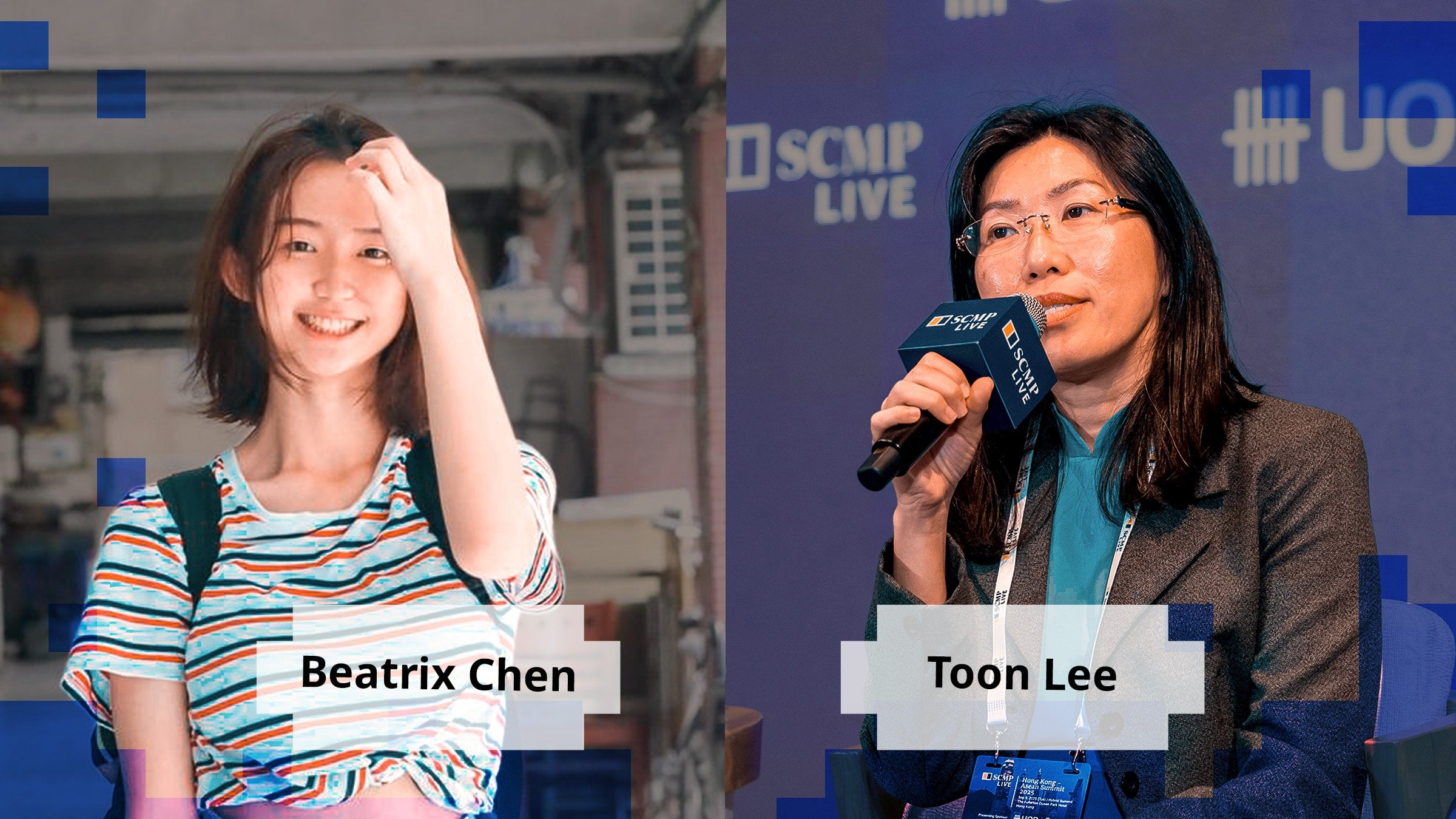
For mentor and Chemistry alumna Toon Lee, guiding young minds is both purpose and passion. Through the Science Alumni-Student Mentorship Programme, she shares her industry experience to help students recognise their strengths and step confidently into the working world. Her mentee, Beatrix Chen (Year 1, Data Science and Analytics, Minor in Performing Arts), found these conversations insightful – turning uncertainty into clarity and revealing career pathways she had not considered. Beatrix also discovered community among her peers with similar interests and aspirations. For both, the mentoring relationship became a two-way exchange – where wisdom met curiosity and conversations supported renewed learning.
Together, the Faculty’s Academic and Alumni-Student Mentorship Programmes share a common purpose – helping students to work through their paths to the working world with insights and assurance.

Graduates leave the Faculty fluent in science. But their learning continues well beyond graduation. Through strong alumni networks, professional development and postgraduate programmes that blend coursework with collaborative research and industry partnerships, many return to campus as mentors, researchers or learners once again – living proof that knowledge is never static and that science is, above all, a mindset of discovery.
This mindset becomes their guide in a job market defined by constant change. Whether shifting into new industries, applying emerging technologies or taking on cross-disciplinary roles, graduates draw on the adaptability built into their education. It is this agility – grounded in scientific discipline and continual learning – that enables them to pivot, stay relevant and lead in an era of disruption.

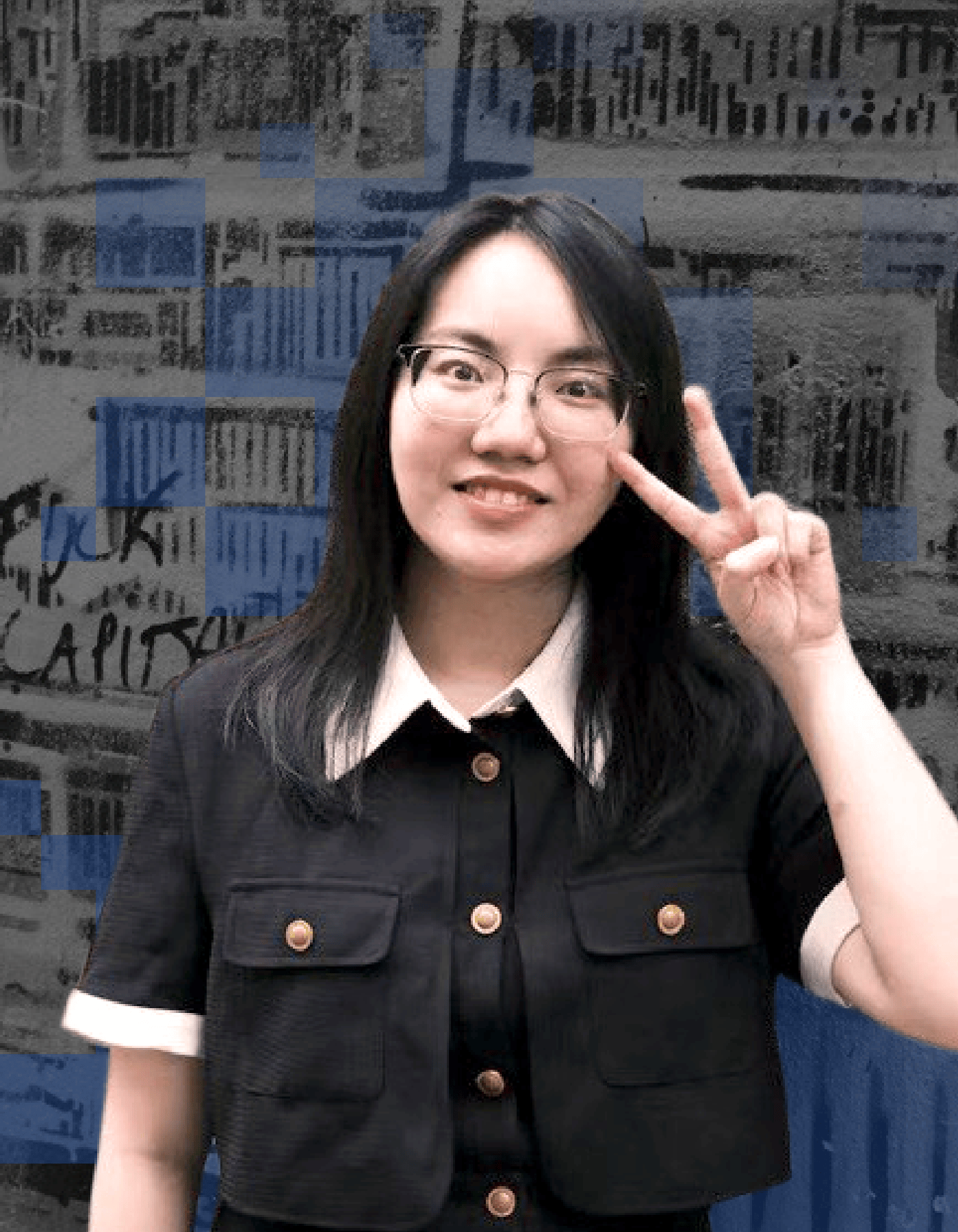
Evolving investment models are steering asset management professionals toward data-driven strategies for performance and growth. To deepen her technical foundations, Jermyn Shie enrolled in the Master of Science (MSc) in Quantitative Finance, a programme that strengthened her grasp of financial theory while advancing her expertise in machine learning, stochastic processes and derivatives pricing. This equipped her to manage portfolios that track regional and global equity benchmarks at BlackRock Singapore, as well as to design next-generation index strategies that boost portfolio efficiency.

At Corning Life Sciences, Xu Shaoqing approaches each experiment with a singular focus: how to improve the tools, technologies or workflows that scientists rely on. Her MSc in Pharmaceutical Science and Technology helped her connect scientific principles with practical application, strengthening her understanding of how formulation, manufacturing and regulatory frameworks shape reliable life science solutions. Today, she leads laboratory projects involving cell culture and bioprocess development for new products, troubleshoots complex technical challenges and supports cross-functional teams. By pairing strong technical execution with an understanding of research and industry needs, she contributes to the development of better therapies and drugs across the healthcare ecosystem.

At the Faculty, the belief that every student should have the opportunity to pursue their ambitions and passions finds expression through initiatives, such as the new Food Empire Food Science and Technology Bursary and over S$1.2 million raised in 2024 to support the Faculty’s 95th Anniversary Bursary Fund.

These gifts go beyond easing financial pressures. They give students the freedom to explore, experiment and excel. Whether studying abroad, conducting research or advancing in specialised fields, these opportunities not only help students fulfil their academic and career aspirations but also inspire them to give back – paying forward the generosity that once opened doors for them.
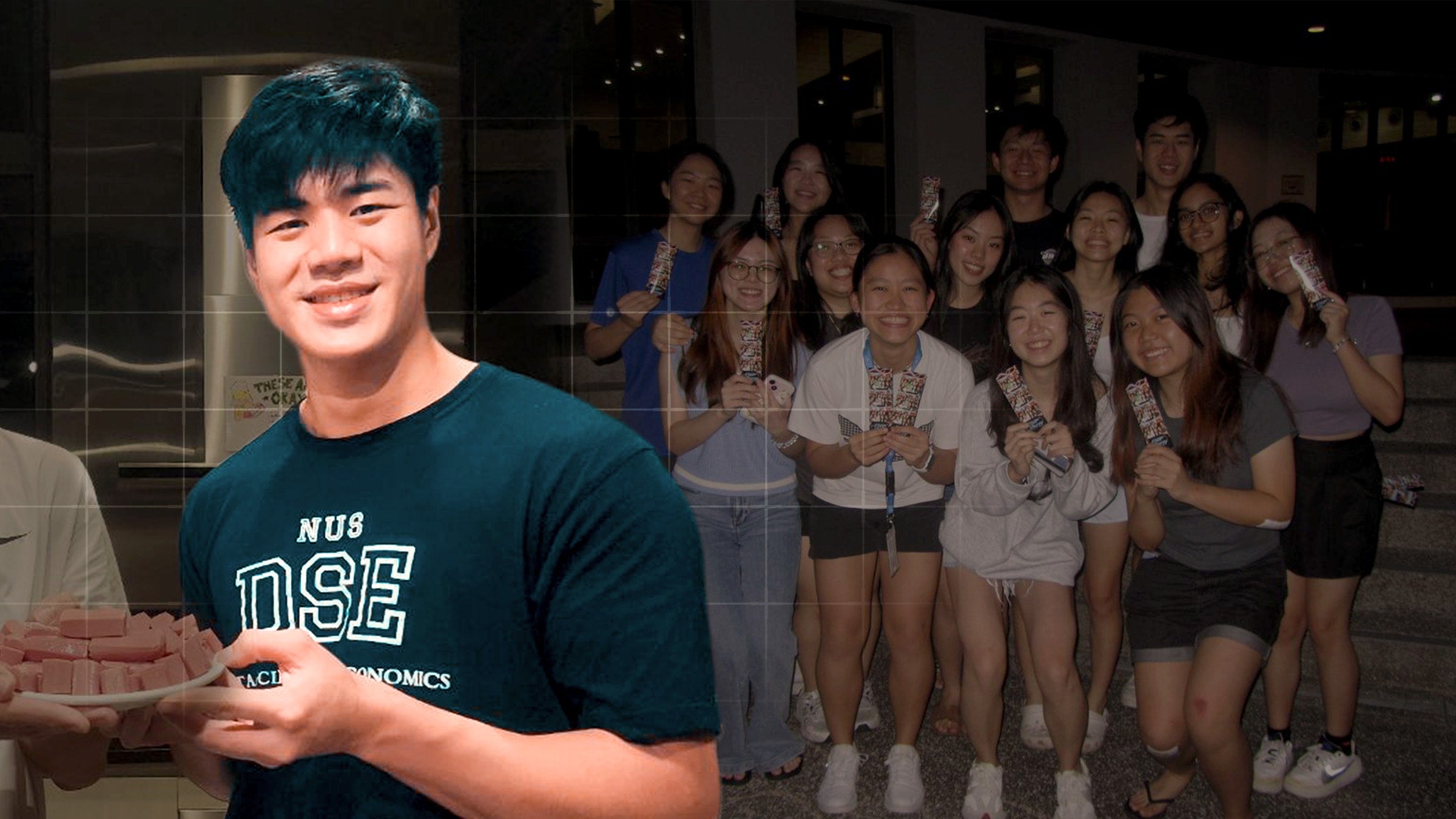
Freed from financial constraints, Caleb Loh (Year 1, Cross Disciplinary Programme in Data Science and Economics), who received the NUS Merit Scholarship, threw himself into programming and computer languages, mastering Python, R and JavaScript. These skills soon led him to an internship at an environmental, social and governance company, where working on sustainability data reinforced his conviction for technology and renewable energy. Later, under NUS’ Orbital programme, he built a digital product from ground up. The scholarship, he says, gave him the freedom to explore his interests fully and chart his own path of growth and discovery.

Gwen Chin was raised by a single mother and shouldered significant financial responsibilities when her mother retired. The MSc Study Award, gifted by Chemistry alumnus Yeo Keng Joon, marked a pivotal point that allowed her to focus on advancing her career as a chemist. Under the part-time MSc in Chemical Sciences, she expanded her knowledge in polymer science, materials chemistry and AI, while sharpening her ability to interpret data, design experiments and communicate complex ideas. These enhanced capabilities equipped her to lead a machine learning project connecting research teams in Singapore and the United States.
Work readiness does not arrive all at once. It builds through the choices students make and the situations they learn to navigate. Every internship, research attachment and global immersion programme gives them a chance to test ideas in real contexts and discover their strengths. As they step into diverse industries and roles, graduates carry with them a steady foundation: the confidence to learn independently, solve problems methodically and respond thoughtfully to challenges.
Video credit: Vernice Lim
Video credit: Forensic Science students
Video credit: Hu Can
“We have barely scratched the surface of Timor-Leste’s biodiversity. New discoveries can have profound impacts on conservation and policy-making.”
In August 2022, we led an expedition to Timor-Leste in collaboration with Conservation International and the government of Timor-Leste. The Museum’s herpetologist, Dr CHAN Kin Onn, discovered a new species of bent-toed gecko which was named Cyrtodactylus santana, in reference to the Nino Konis Santana National Park, in which the gecko was discovered.