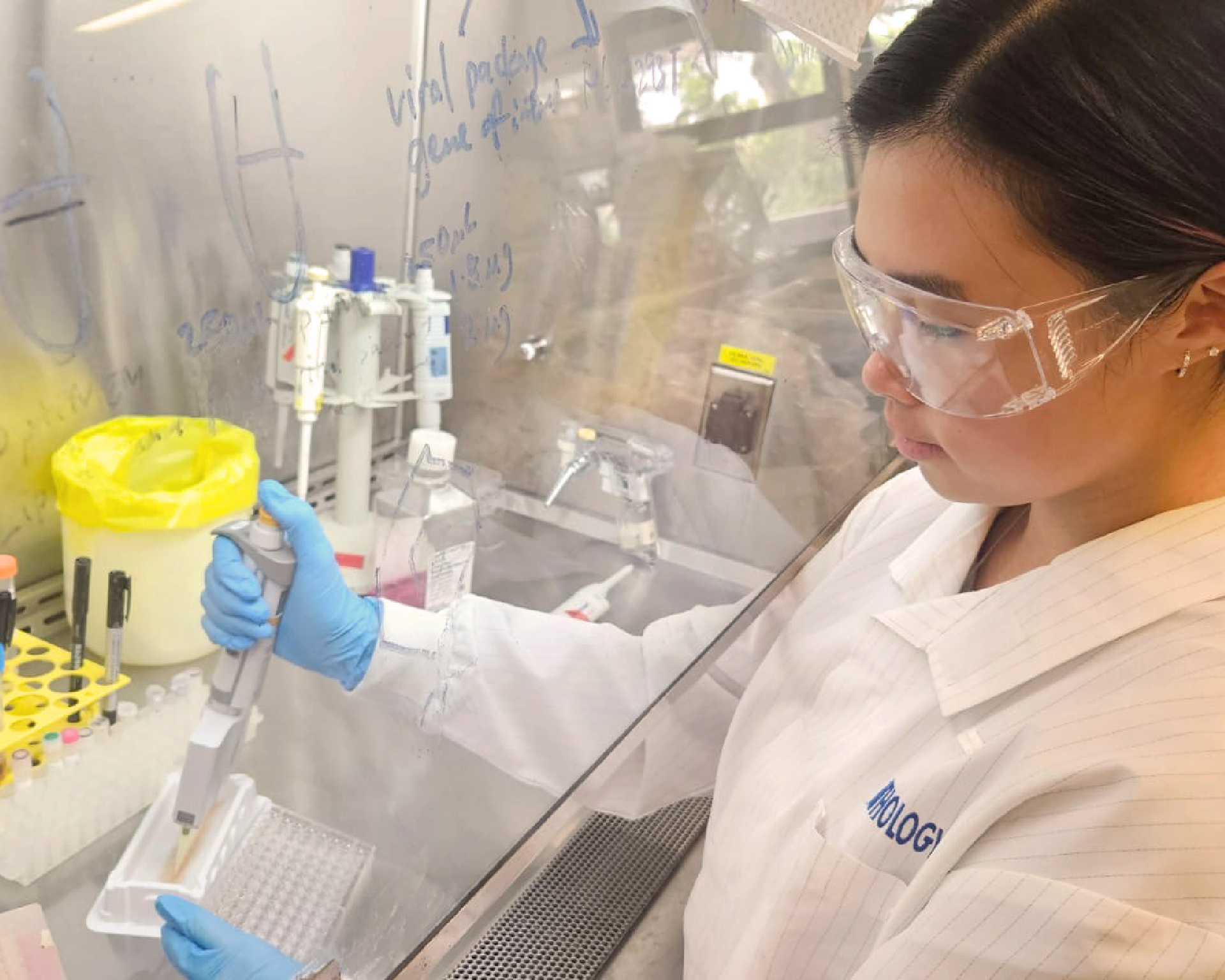
Every discovery begins with a question, a moment of curiosity that opens new ways of seeing the world. At the Faculty of Science, that questioning spirit guides research that reaches beyond the laboratory.
Over the past year, researchers have examined the structure of matter, traced the pathways of disease and created technologies that may change how we live and heal. Their findings, published in leading international journals, carry weight not just within the scientific community but across industries, ecosystems and communities that experience science in practice.
Scroll to read
From ideas to impact: Our industry partnerships
When our researchers team up with industry, imagination becomes practical. Across the Faculty, scientists work with industry partners to address problems that demand new thinking, from conserving endangered species to developing quantum systems that store information in light. The outcome is knowledge that moves from concept to application, finding relevance in daily life.
Department of Biological Sciences
Lee Kong Chian Natural History Museum
Photo credit: Tan Zhi Wan
Saving Singapore’s endangered freshwater crabs
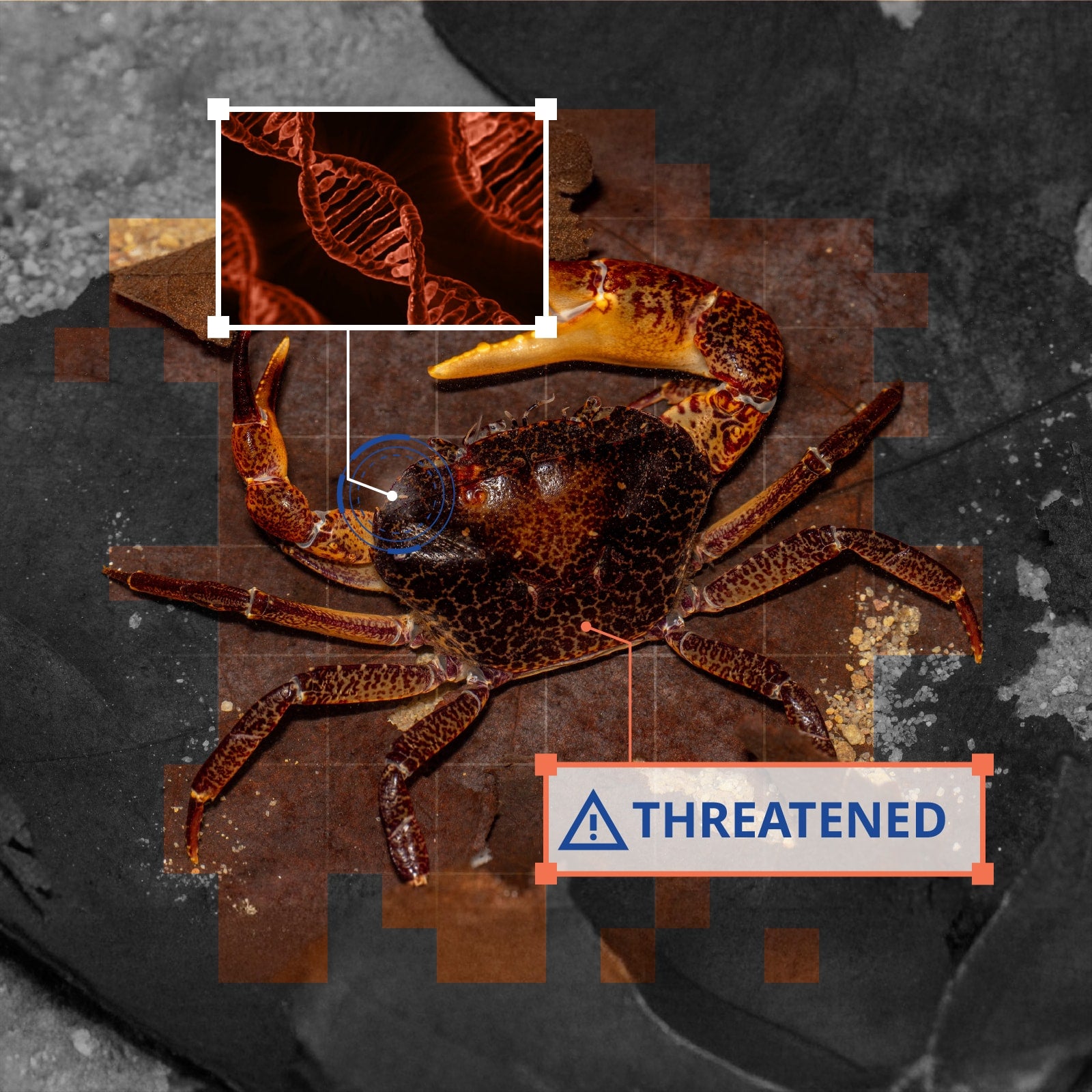
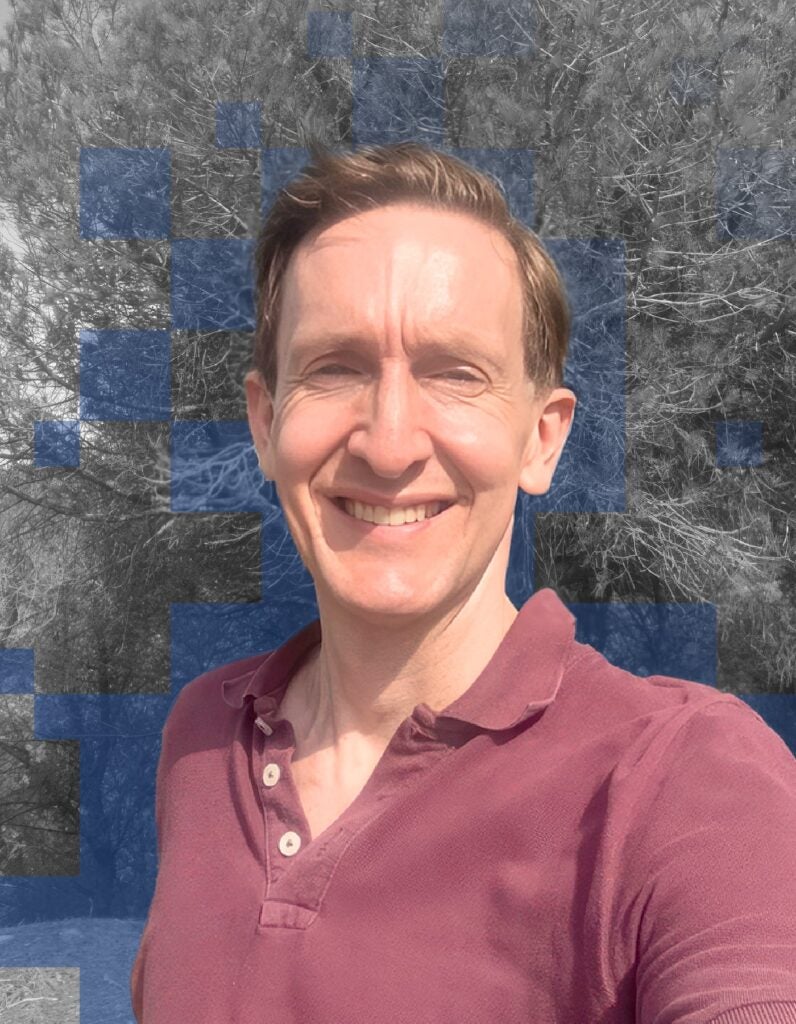
Assoc Prof Darren Yeo is working with the National Parks Board and Mandai Nature to study the globally critically endangered Singapore freshwater crab (Johora singaporensis) and swamp forest crab (Parathelphusa reticulata) using whole genome analysis. By examining genetic diversity and population history, the project seeks to enhance understanding of how low genetic diversity and habitat fragmentation and loss affect these crabs. The findings will guide conservation strategies to better protect these rare species in Singapore.
Department of
Chemistry
Sensors to detect controlled substances
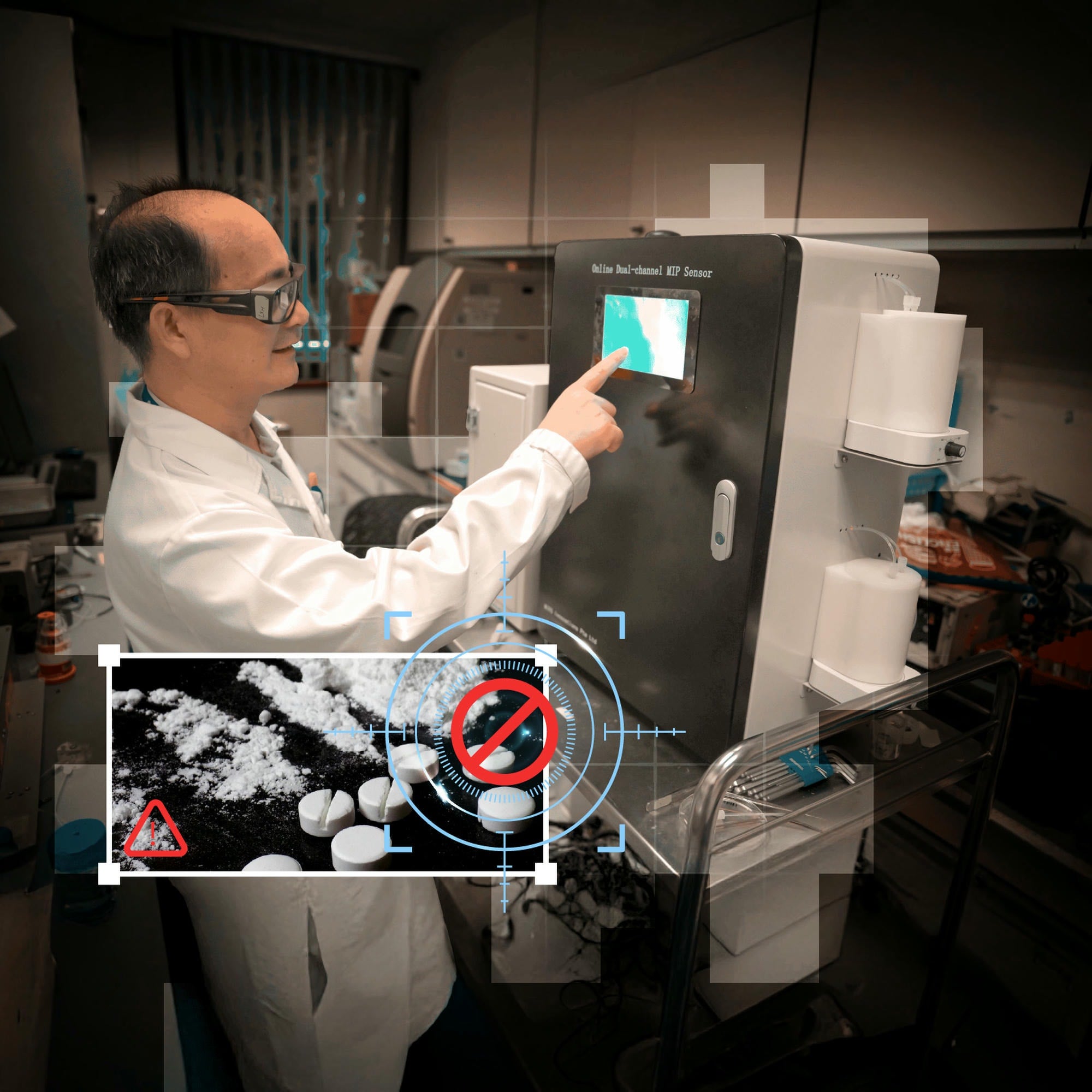
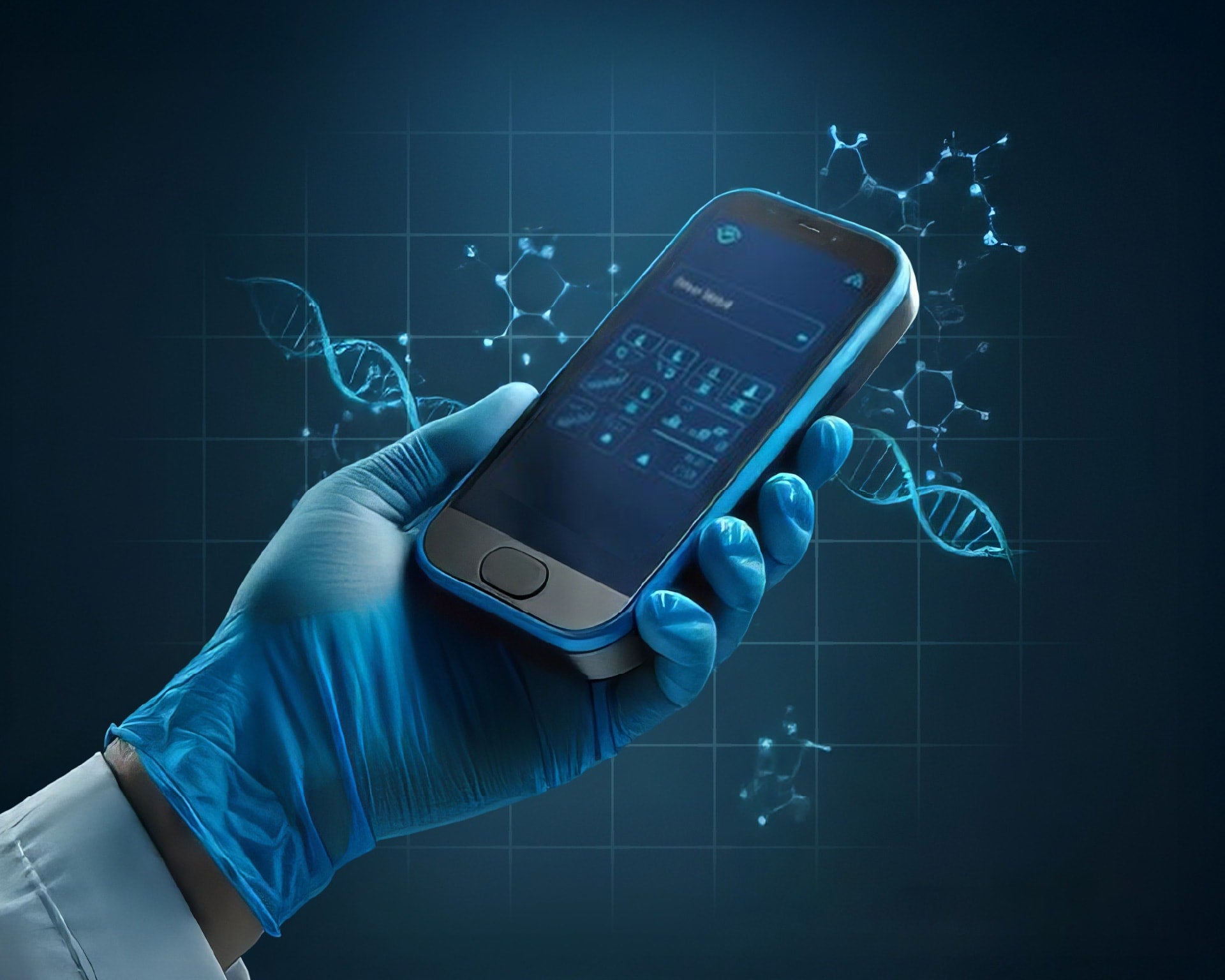
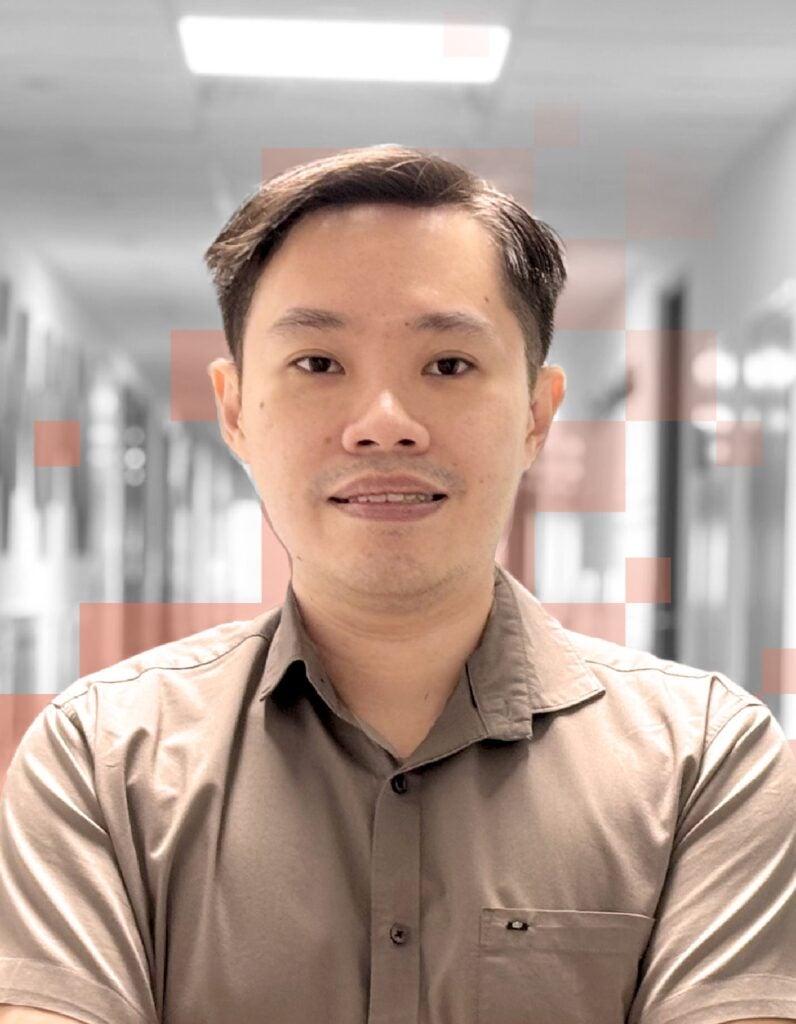
Prof Sam Li is collaborating with the Home Team Science and Technology Agency to develop portable sensors for rapid and sensitive onsite detection of controlled substances. These sensors overcome the constraints of conventional laboratory-based forensic analysis, such as sample degradation during transport. The sensors include synthetic polymers which are designed to recognise specific chemicals or similar substances.
Department of Food Science and
Technology
Nutritional innovation for wellbeing
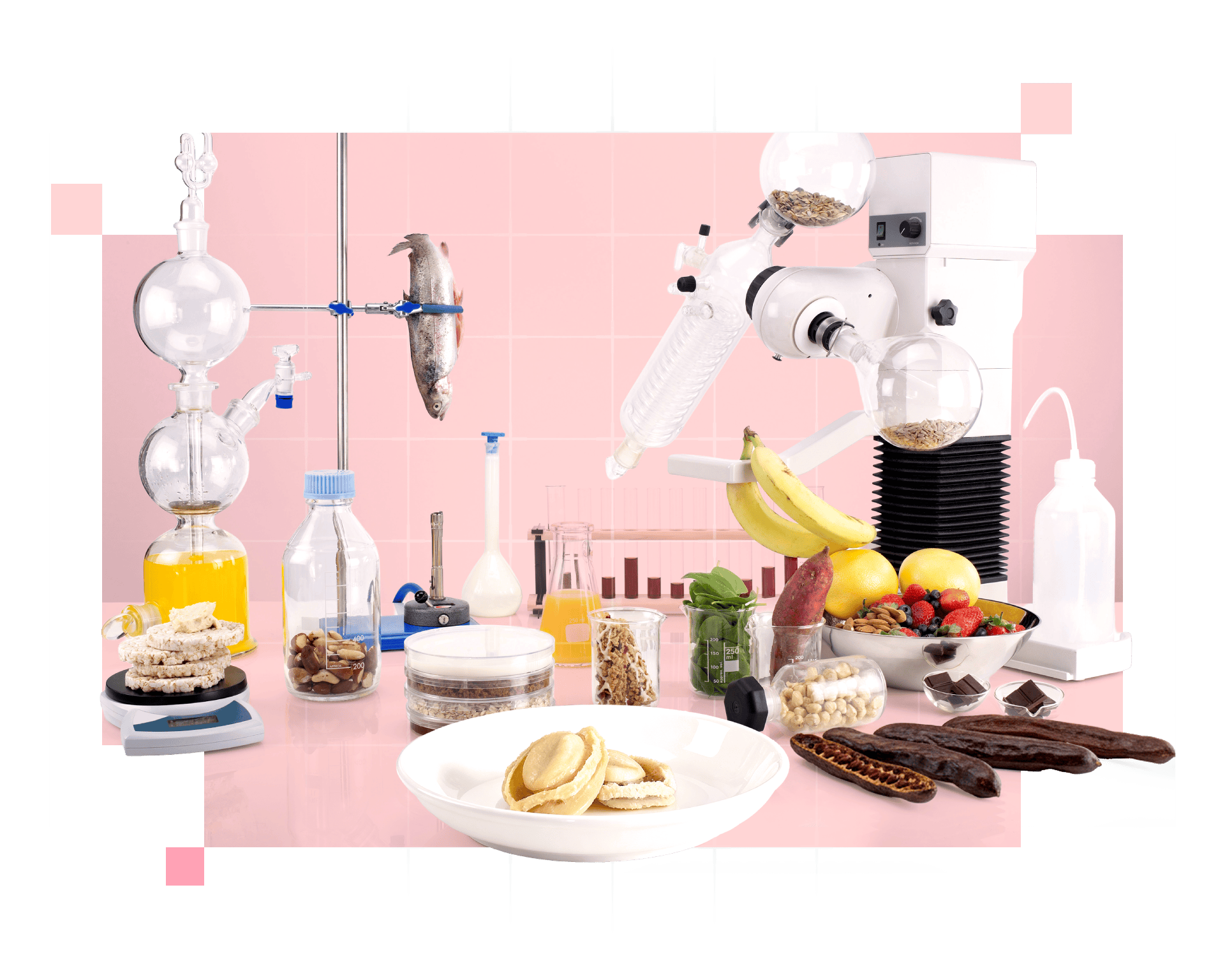
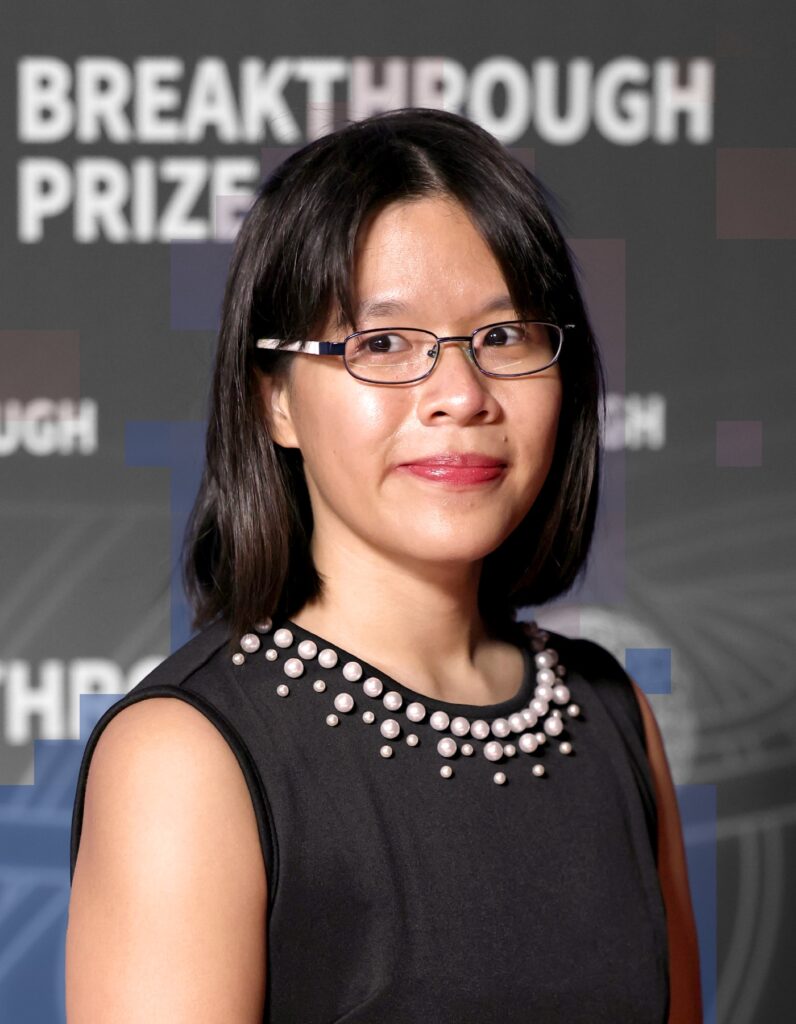
Prof Huang Dejian is collaborating with Amway (China) Co Ltd to advance knowledge in plant-based proteins, develop superior crop varieties and study novel antiageing ingredients. This initiative brings together expertise in research and product development, for advancements in functional foods and nutraceuticals in the future.
Department of Biological Sciences
Department of Physics
Digital twins of cryoelectron microscopy
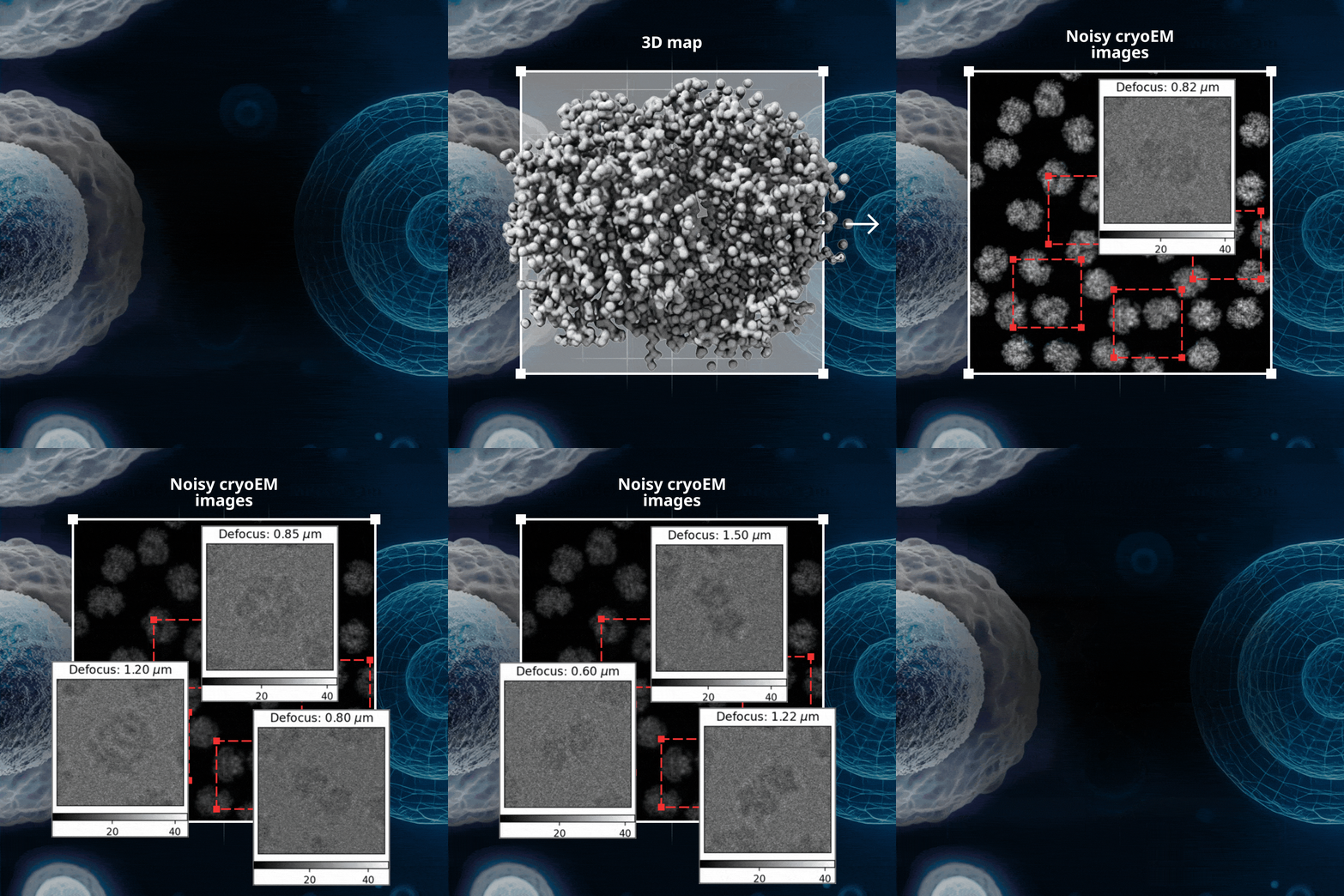
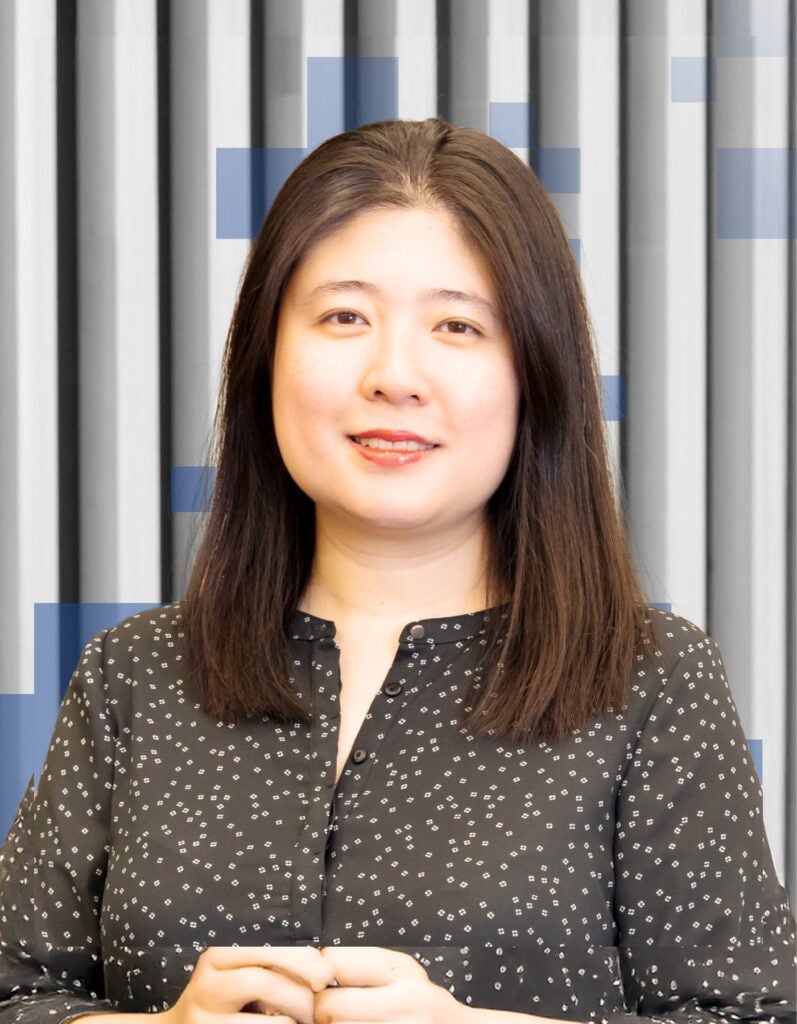
Assoc Prof Duane Loh is working with the Silicon Valley Community Foundation to create a powerful digital twin which realistically mimics biological samples and experimental conditions. This project improves imaging methods for cryoelectron tomography, making it easier to detect tiny biomolecules and advancing the discovery of biological structures at the molecular level.
Department of Physics
Photo credit: Timur Abdulla Javid
Reflective mirrors for quantum memory
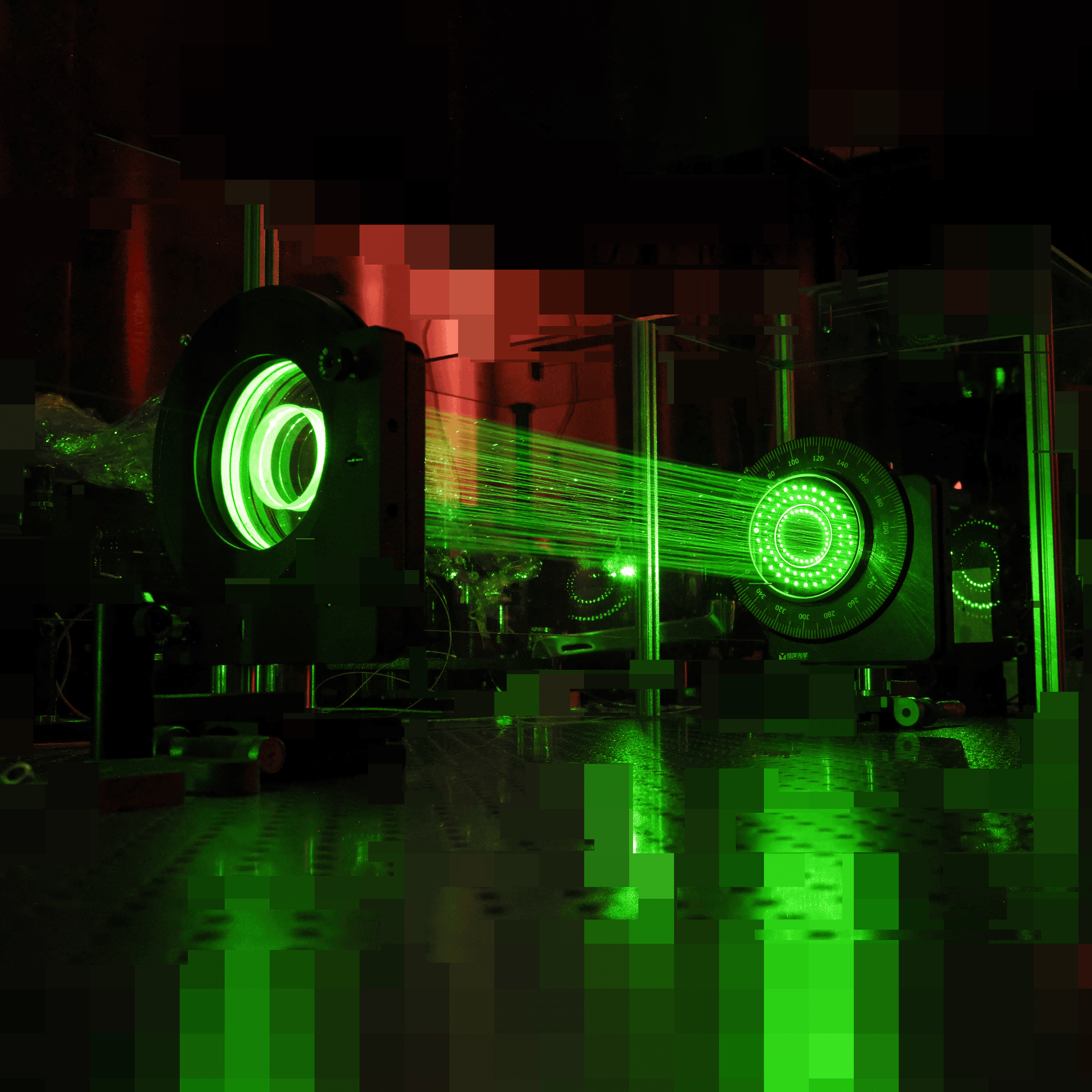
Prof Alexander Ling is working with Thales Solutions Asia Pte Ltd to use ultrareflective mirrors to build quantum memory for quantum communication networks. The project designs and tests stable mirror setups for efficient light storage and delay, seeking to overcome the limitations of conventional quantum memory systems.
Saving Singapore’s endangered freshwater crabs
Department of Biological Sciences
Lee Kong Chian Natural History Museum
Assoc Prof Darren Yeo is working with the National Parks Board and Mandai Nature to study the globally critically endangered Singapore freshwater crab (Johora singaporensis) and swamp forest crab (Parathelphusa reticulata) using whole genome analysis. By examining genetic diversity and population history, the project seeks to enhance understanding of how low genetic diversity and habitat fragmentation and loss affects these crabs. The findings will guide conservation strategies to better protect these rare species in Singapore.
Credit: Tan Zhi Wan
Sensors to detect controlled substances
Department of Chemistry
Prof Sam Li is collaborating with the Home Team Science and Technology Agency to develop portable sensors for rapid and sensitive onsite detection of controlled substances. These sensors overcome the constraints of conventional laboratory-based forensic analysis, such as sample degradation during transport. The sensors include synthetic polymers which are designed to recognise specific chemicals or similar substances.
A taste of tomorrow:
Shaping the future of food
Food is one of science’s most relatable expressions. Researchers are rethinking what we eat and how it is made, from the microbes that safeguard nutrition to the molecules that influence flavour and texture. Their studies point toward a food system that is not only sustainable but also nourishing and kind to the environment.
Department of Food Science and
Technology
Plant-based abalone
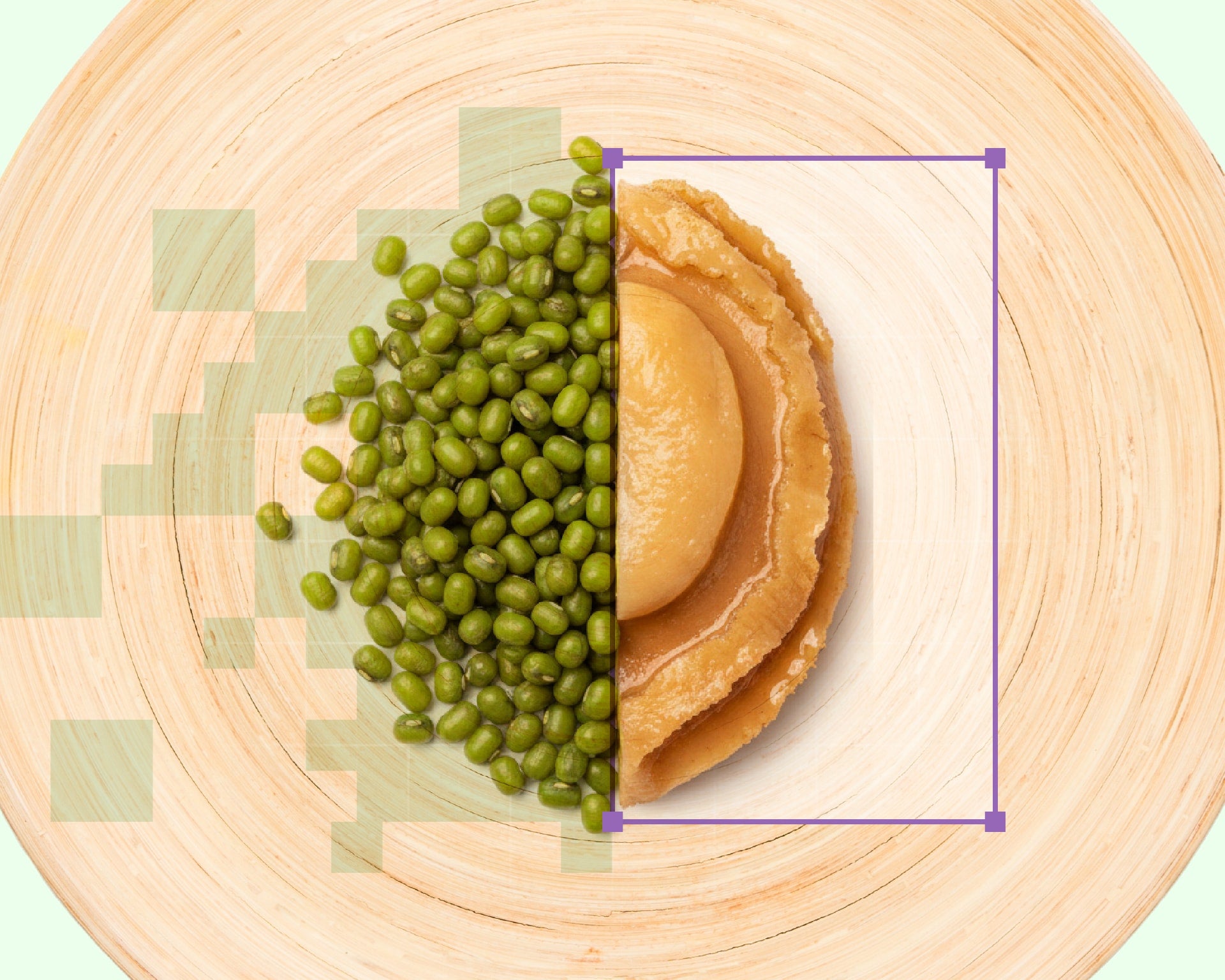
Prof Huang Dejian‘s team developed a plant-based abalone analogue using mung bean, which is protein-rich but often treated as a sidestream in industry. It has protein content comparable to real abalone. It also contains enhanced nutrients such as essential fatty acids. In addition, cooked plant-based abalone presents physical properties similar to real abalone at a fraction of the cost and it is a sustainable option for high-protein seafood alternativesamid concerns of overfishing.
Department of Food Science and
Technology
The hidden danger lurking in dry foods
Published in Applied and Environmental Microbiology (November 2024)
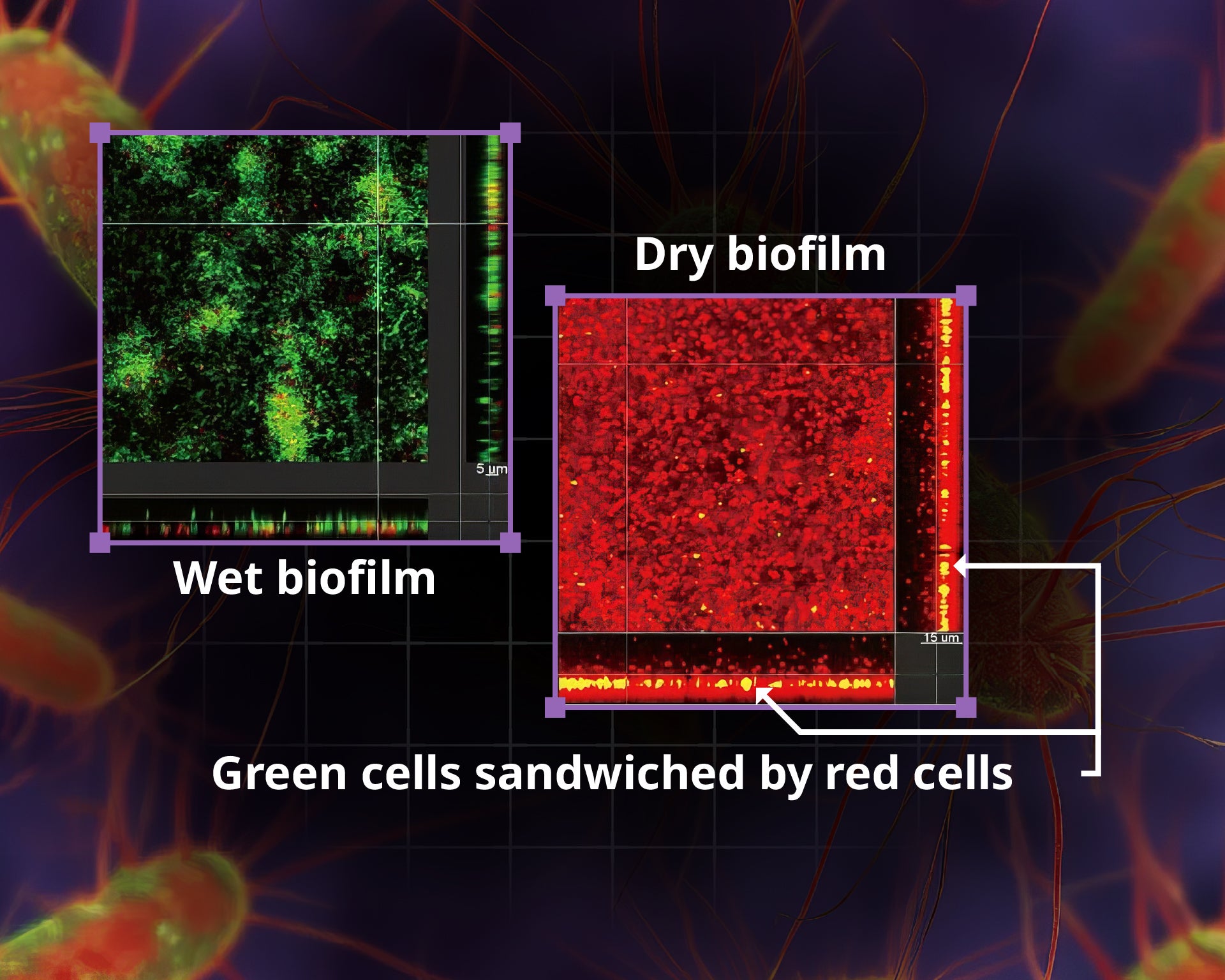
It is often assumed that dry foods are safe from bacteria but food outbreaks prove otherwise. Assoc Prof Li Dan’s study recently drew attention to this issue by uncovering how Salmonella can survive and resist sanitisation by forming dry surface biofilms. This has led to the development of a water-free antimicrobial strategy for dry food plants – one that could significantly reduce contamination, recall costs and threats to public health.
Department of Food Science and
Technology
Carob-based dark chocolate
Published in Journal of Food Science (July 2025)
Assoc Prof Liu Shaoquan’s teamdeveloped an effective method to significantly boost the cocoa-like flavour of carob pulp in dark chocolate. They used easy-to-obtain enzymes that alter the profile of flavour precursors in roasted carob pulp, enabling it to more closely mimic the taste and aroma of cocoa. This method addresses the supply shortage of cocoa and provides chocolate lovers a healthier alternative that is caffeine-free and rich in D-pinitol, a natural antidiabetic agent.
The road to better health:
Redefining diagnostics and therapeutics
Inside the Faculty’s laboratories, biologists, chemists and pharmacologists are not content merely to understand how life works; they seek to uncover where it falters. They are designing catalysts that convert simple molecules into medicines, refining peptides that last longer in the body and building portable devices for quick disease detection. Each development brings healthcare closer to being faster, more precise and within reach for all.
Department of
Biological Sciences
A portable solution for medical diagnostics
Published in Nature Communications (February 2025)
Asst Prof Hu Chunyi developed NAPTUNE,a palm-sized device which rapidly detects trace amounts of genetic and protein biomarkers in under 45 minutes, without the need for complex laboratory equipment. The platform combines two natural enzymes – apurinic / apyrimidinic endonuclease (APE1) and Pyrococcus furiosus Argonaute (PfAgo)– and converts biological signals into strong fluorescence for ultrasensitive detection. NAPTUNE is ideal for field use in disease outbreaks, early cancer screening and resource-limited settings and it could significantly transform diagnostics.
Department of
Biological Sciences
Protein traffic controllers inside cells
Published in Science Advances (September 2024)
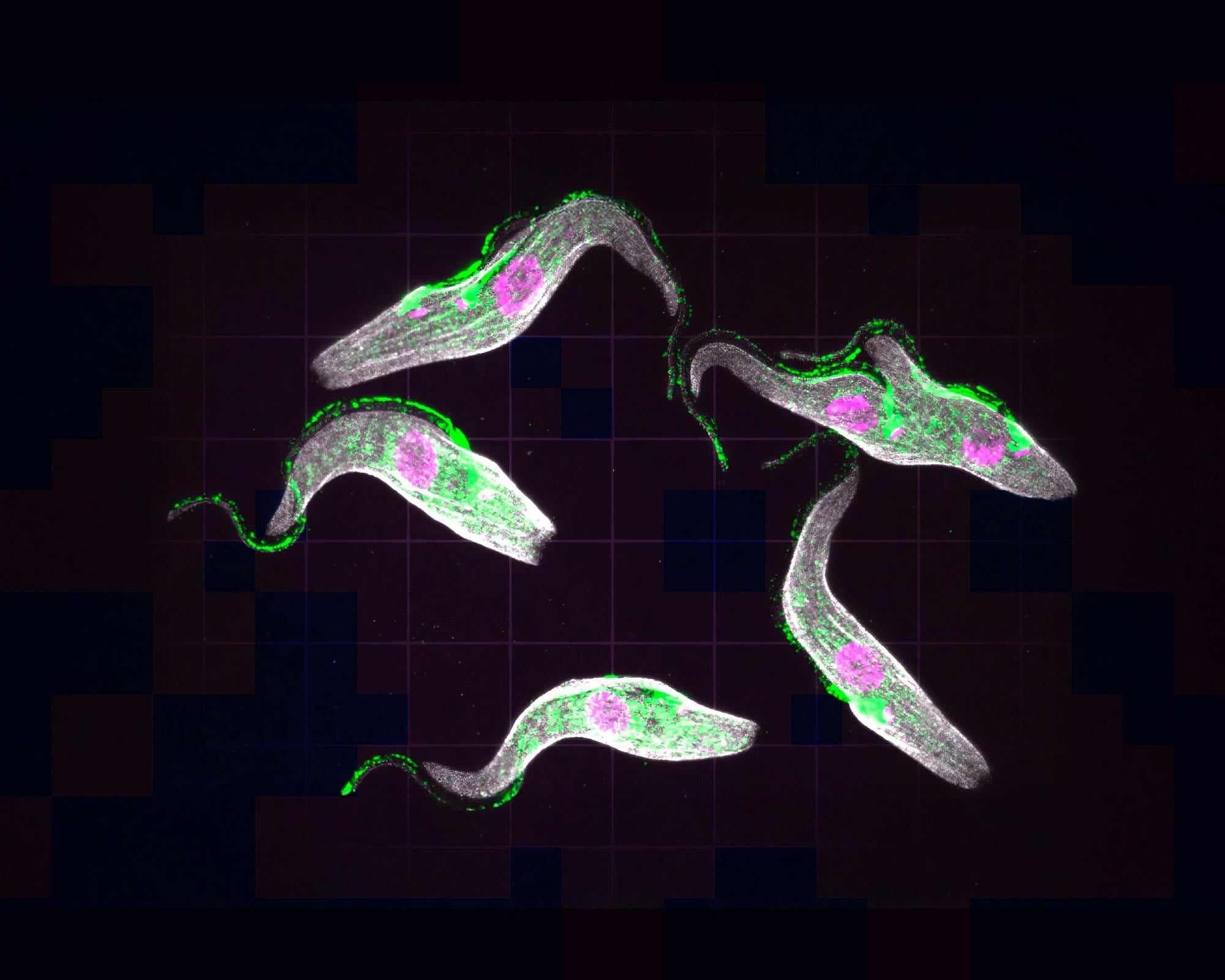
Cilia – tiny hair-like structures on cells – are essential for cell movement and sensing. Two proteins, Arl13 and Arl3, are well-known for their functions in lipidated protein transport and cell signalling. Assoc Prof Cynthia He‘s team uncovered a new pathway in which Arl13-Arl3 regulate the transport of cilia proteins required for motility. The findings improve current understanding of Arl13-Arl3 disease mechanisms and could lead to better treatments for diseases caused by cilia dysfunction.
Department of
Chemistry
A new route to fluorinated drug compounds
Published in Nature Chemistry (February 2025)
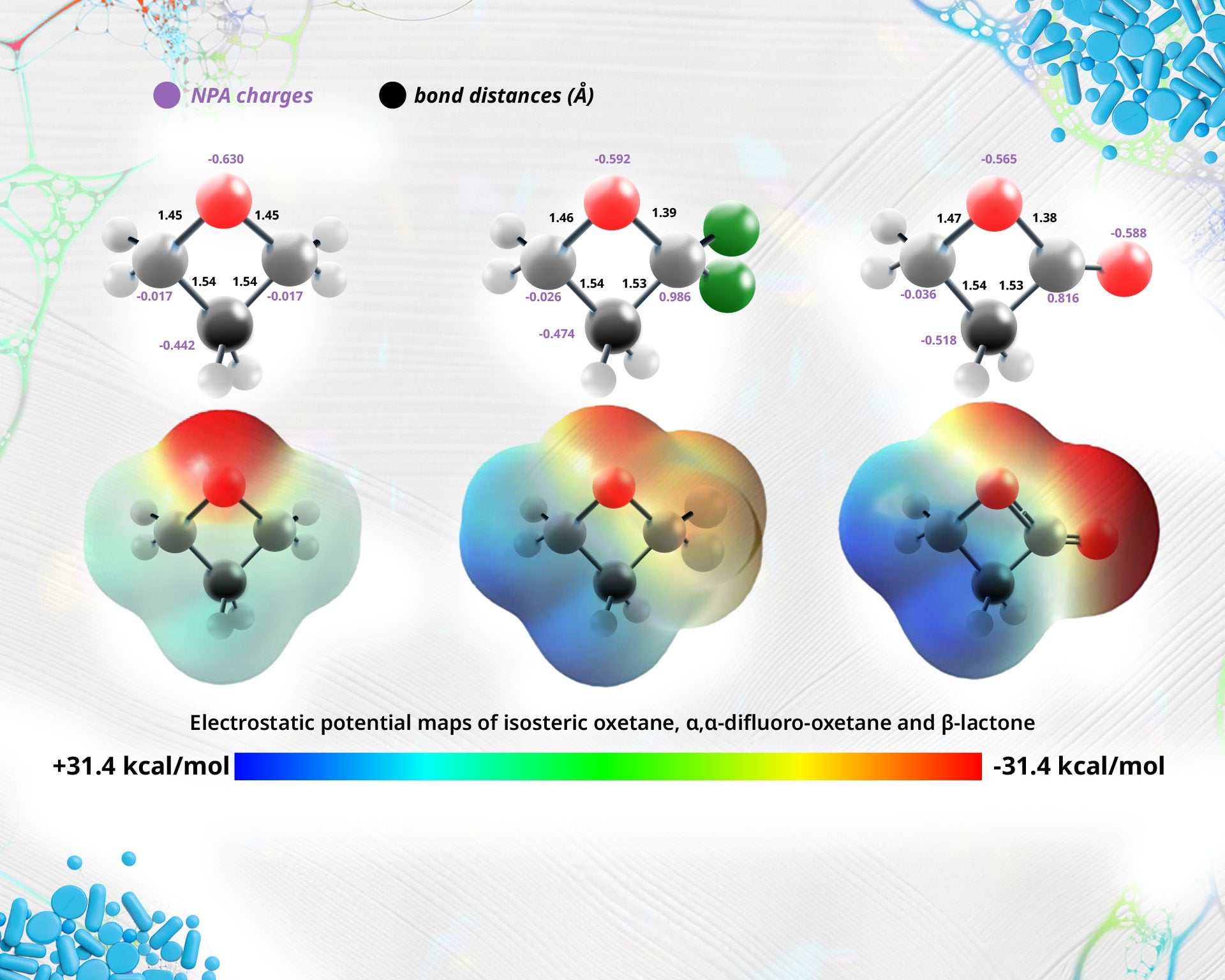
Assoc Prof Koh Ming Joo and his collaborators pioneered a new copper-based catalytic transformation that converts epoxides into fluorinated oxetanes – a coveted but difficult-to-make class of drug molecules that have eluded synthetic preparation for years. By unlocking a pathway to these valuable drug scaffolds, this discovery opens the door to new medicines that can treat diseases more effectively in the future.
Department of Pharmacy and Pharmaceutical Sciences
Chemistry for precision engineering of peptides
Published in the Journal of the American Chemical Society (February 2025)
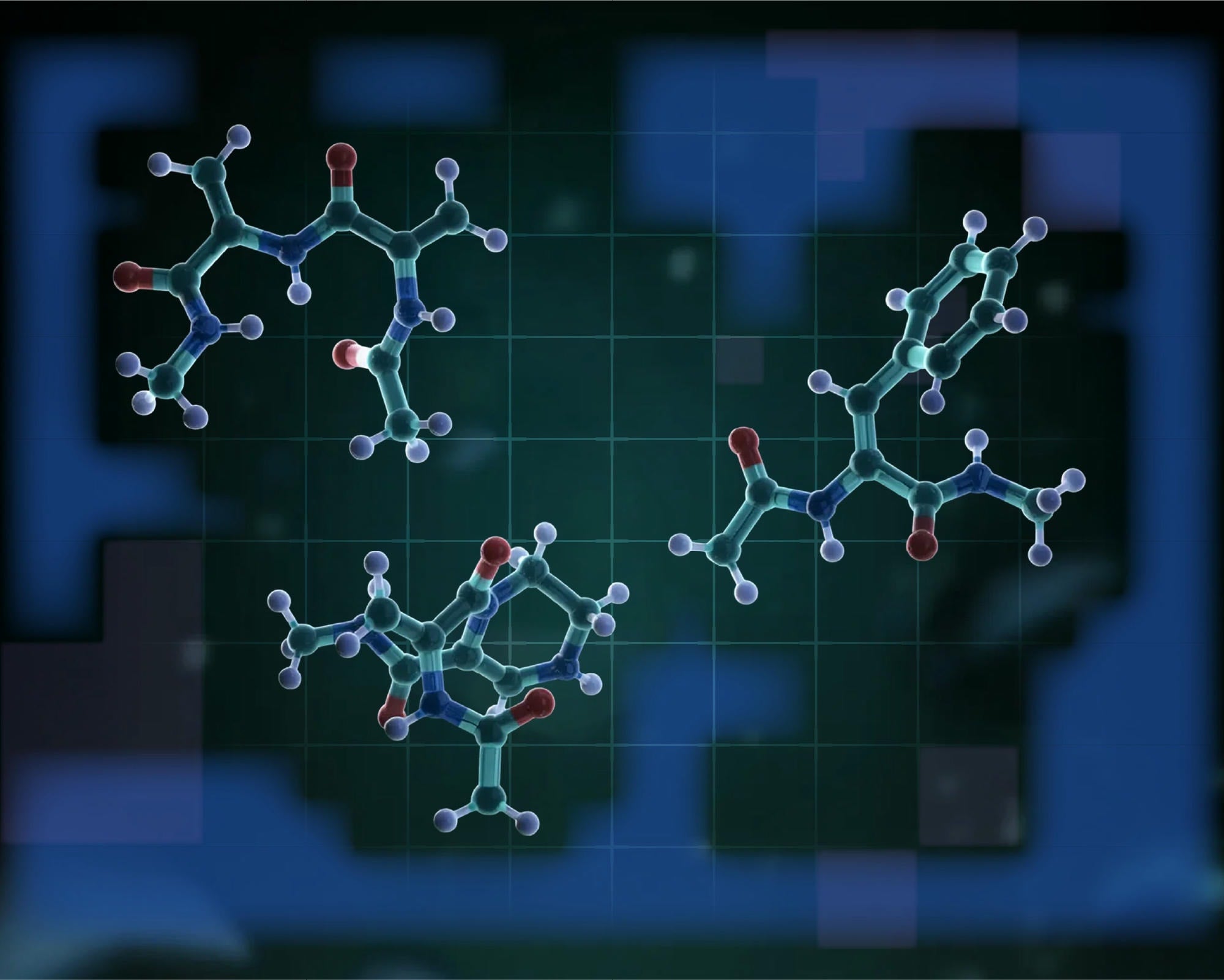
Therapeutic peptides are increasingly vital in modern medicine but their development is hindered by stability issues. Asst Prof Alexander Vinogradov’s team is addressing this by developing a new palladium-mediated chemistry that selectively modifies biologically active peptides and proteins. This enhances peptide stability by incorporating noncanonical amino acids, improving both metabolic and conformational stability – critical attributes for peptide-based therapeutics. This protocol can be integrated into existing drug discovery pipelines, paving the way for next-generation peptide drugs.
Department of Pharmacy and Pharmaceutical Sciences
New enzymes to create drug molecules
Published in Nature Chemistry (September 2024)
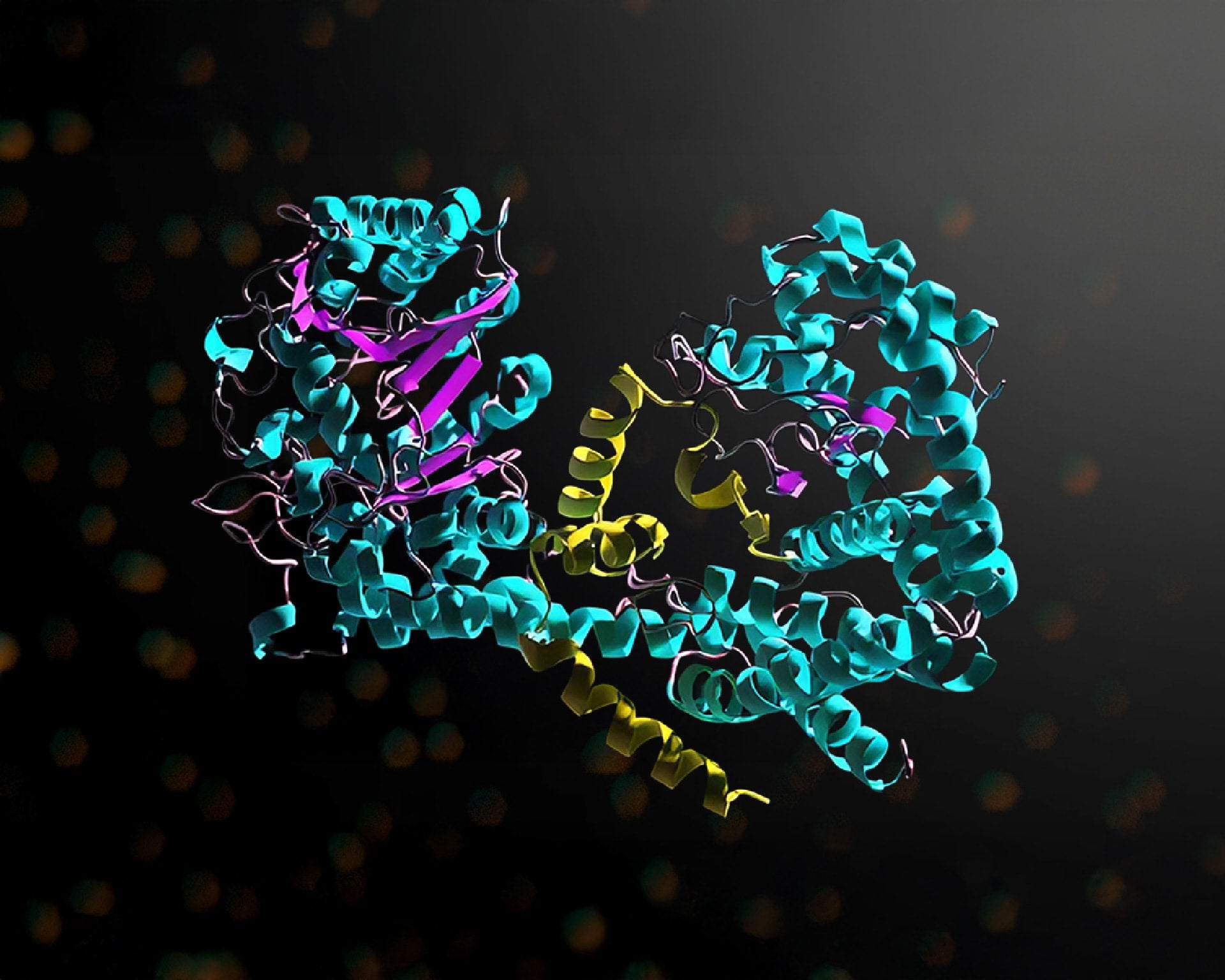
Natural products, such as ibuprofen and penicillin, are vital drugs produced by biosynthetic enzymes. Asst Prof Brandon Morinaka harnesses nature’s biosynthetic processes to create new drug molecules that are difficult to design. His team discovered a novel enzyme that catalyses two critical reactions essential for creating drug molecules. This could lead to the development of targeted treatments for hard-to-treat diseases like antimicrobial-resistant bacteria and cancer.
Department of Pharmacy and Pharmaceutical Sciences
Universal cancer vaccines for future treatment
Awarded the National Research Foundation Competitive Research Programme Grant (2025)
Our immune system typically identifies and attacks cancer cells by detecting foreign peptides on the tumour surface. Cancers develop when this process fails. Assoc Prof Wu Wei’s team is aiming to change that by developing universal vaccines as broad-spectrum cancer therapeutics. This could open the door to new treatment possibilities for a wide range of cancers.
The bright minds behind the breakthroughs
Scientific progress is rarely a straight line – it is a winding path traced by those who refuse to stop asking why. Here, that quiet determination defines the spirit of discovery. Researchers pursue answers that bridge the smallest and the vastest scales of understanding. Their work is earning international recognition, not just for excellence, but for impact: advancing knowledge, deepening insight and improving lives.
Distinguished Scientist Award, Society for In Vitro Biology (2024)
Prof Prakash Kumar studies how plants respond to environmental challenges. He is renowned for his contributions to in vitro biology and plant biotechnologies.
George Mercer Award, Ecological Society of America (2025)
Assoc Prof Ryan Chisholm was recognised for his groundbreaking ecological study that advances understanding of the effects of immigration on species coexistence in intertidal communities.
Assoc Prof Koh Ming Joo is acclaimed for his research in sustainable catalysis that led to the discovery of cheaper, energy-efficient catalysts, contributing to chemical production with lower emissions and waste generation.
Fellow, International Academy of Drying Science and Technology
Prof Zhou Weibiao was recognised for his scientific accomplishments and leadership in drying science and technologies. His expertise has advanced research in the field, with a focus on sustainable development.
Asst Prof Lee Si Ying was recognised for introducing a new approach to an important problem in the Langlands Program, successfully reducing it to a local problem.
Paul Y. Tseng Memorial Lectureship in Continuous Optimization (2024)
Prof Toh Kim Chuan has made indispensable contributions to solutions for semidefinite programming, and by extension, to solving convex optimisation problems more broadly.
Department of Pharmacy
and Pharmaceutical Sciences
Asian Young Scientist Fellowship (2024)
Assoc Prof Wu Wei studies how the immune system fights cancer. She works on cancer antigen discovery to treat challenging cancers with targeted immunotherapies.
Department of Biological Sciences
Distinguished Scientist Award, Society for In Vitro Biology (2024)
Prof Prakash Kumar studies how plants respond to environmental challenges. He is renowned for his contributions to in vitro biology and plant biotechnologies.
Department of Biological Sciences
George Mercer Award, Ecological Society of America (2025)
Assoc Prof Ryan Chisholm was recognised for his groundbreaking ecological study that advances understanding of the effects of immigration on species coexistence in intertidal communities.
Department of Chemistry
Kyoto Rising-Star Lectureship Award (2025)
Assoc Prof Koh Ming Joo is acclaimed for his research in sustainable catalysis that led to the discovery of cheaper, energy-efficient catalysts, contributing to chemical production with lower emissions and waste generation.
Department of Food Science and Technology
Fellow, International Academy of Drying Science and Technology
Prof Zhou Weibiao was recognised for his scientific accomplishments and leadership in drying science and technologies. His expertise has advanced research in the field, with a focus on sustainable development.
Department of Mathematics
Maryam Mirzakhani New Frontiers Prize (2025)
Asst Prof Lee Si Ying was recognised for introducing a new approach to an important problem in the Langlands Program, successfully reducing it to a local problem.
Department of Mathematics
Paul Y. Tseng Memorial Lectureship in Continuous Optimization (2024)
Prof Toh Kim Chuan has made indispensable contributions to solutions for semidefinite programming, and by extension, to solving convex optimisation problems more broadly.
Department of Pharmacy
and Pharmaceutical Sciences
Asian Young Scientist Fellowship (2024)
Assoc Prof Wu Wei studies how the immune system fights cancer. She works on cancer antigen discovery to treat challenging cancers with targeted immunotherapies.
Department of Biological Sciences
Distinguished Scientist Award, Society for In Vitro Biology (2024)
Prof Prakash Kumar studies how plants respond to environmental challenges. He is renowned for his contributions to in vitro biology and plant biotechnologies.
Department of Biological Sciences
George Mercer Award, Ecological Society of America (2025)
Assoc Prof Ryan Chisholm was recognised for his groundbreaking ecological study that advances understanding of the effects of immigration on species coexistence in intertidal communities.
Department of Chemistry
Kyoto Rising-Star Lectureship Award (2025)
Assoc Prof Koh Ming Joo is acclaimed for his research in sustainable catalysis that led to the discovery of cheaper, energy-efficient catalysts, contributing to chemical production with lower emissions and waste generation.
Department of Food Science and Technology
Fellow, International Academy of Drying Science and Technology
Prof Zhou Weibiao was recognised for his scientific accomplishments and leadership in drying science and technologies. His expertise has advanced research in the field, with a focus on sustainable development.
Department of Mathematics
Maryam Mirzakhani New Frontiers Prize (2025)
Asst Prof Lee Si Ying was recognised for introducing a new approach to an important problem in the Langlands Program, successfully reducing it to a local problem.
Department of Mathematics
Paul Y. Tseng Memorial Lectureship in Continuous Optimization (2024)
Prof Toh Kim Chuan has made indispensable contributions to solutions for semidefinite programming, and by extension, to solving convex optimisation problems more broadly.
Department of Pharmacy
and Pharmaceutical Sciences
Asian Young Scientist Fellowship (2024)
Assoc Prof Wu Wei studies how the immune system fights cancer. She works on cancer antigen discovery to treat challenging cancers with targeted immunotherapies.
National
President’s Science and Technology Award: Young Scientist Award (2024)
The nation’s highest scientific honour stands as a beacon of excellence, celebrating brilliant minds whose work reshapes our world. Each awardee is more than a pioneer; they light the path forward for innovators to come.
Assoc Prof Lu Jiong
Department of Chemistry
Assoc Prof Lu is renowned for developing next-generation dynamic atomic precision catalysts that significantly enhance green and sustainable chemical manufacturing processes.
Asst Prof Li Qianxiao
Department of Mathematics
Asst Prof Li Qianxiaoreceived the award for his innovative work on the mathematical foundations of deep learning, its connections with dynamical systems and applications in artificial intelligence for science.
Adjunct Assoc Prof Jonathan Göke
Department of Statistics
and Data Science
Adjunct Assoc Prof Jonathan Göke pioneered computational methods for ribonucleic acid (RNA) transcription and modifications at unprecedented accuracy, paving the way for greater insights into RNA’s role in human diseases.
National
National Research Foundation (NRF): Fellowship and Investigatorship (2025)
The Faculty’s professors, both early-career and senior scientists, are recipients of prestigious grants that enable them to pursue ideas bold enough to redefine their disciplines.
NRF Fellowship
Asst Prof Alexander Vinogradov
Department of Pharmacy and Pharmaceutical Sciences
Rapid enzyme analysis and engineering
Asst Prof Loh Ying Kai
Department of Chemistry
Octet-defying carbon species for green chemistry
Asst Prof Yang Liu
Department of Mathematics
Large-scale models for scientific machine learning
NRF Investigatorship
Assoc Prof Koh Ming Joo
Department of Chemistry
Earth-abundant catalysis for sustainable chemistry
Assoc Prof Lu Jiong
Department of Chemistry
Atomically precise carbon nanostructures for quantum technology
Inaugural Innovation Venture Creation Award (2025) and Provost’s Innovation Chair Professor Award (2025)
Prof Eric Chan
Department of Pharmacy and Pharmaceutical Sciences
Prof Eric Chan is recognised for his research on poyendarone, a new medicine for a common heart rhythm disorder which is safer for the heart and other organs.
Young minds, big ideas
In classrooms and laboratories, the next generation of scientists is already questioning what is known and what remains to be discovered. Each project adds a new thread to the wider story of science, proving that discovery grows from patience as much as inspiration.
Finding hope in cancer’s toughest cells
“Each discovery brings us a step closer to improving outcomes for patients and families affected by cancer.”
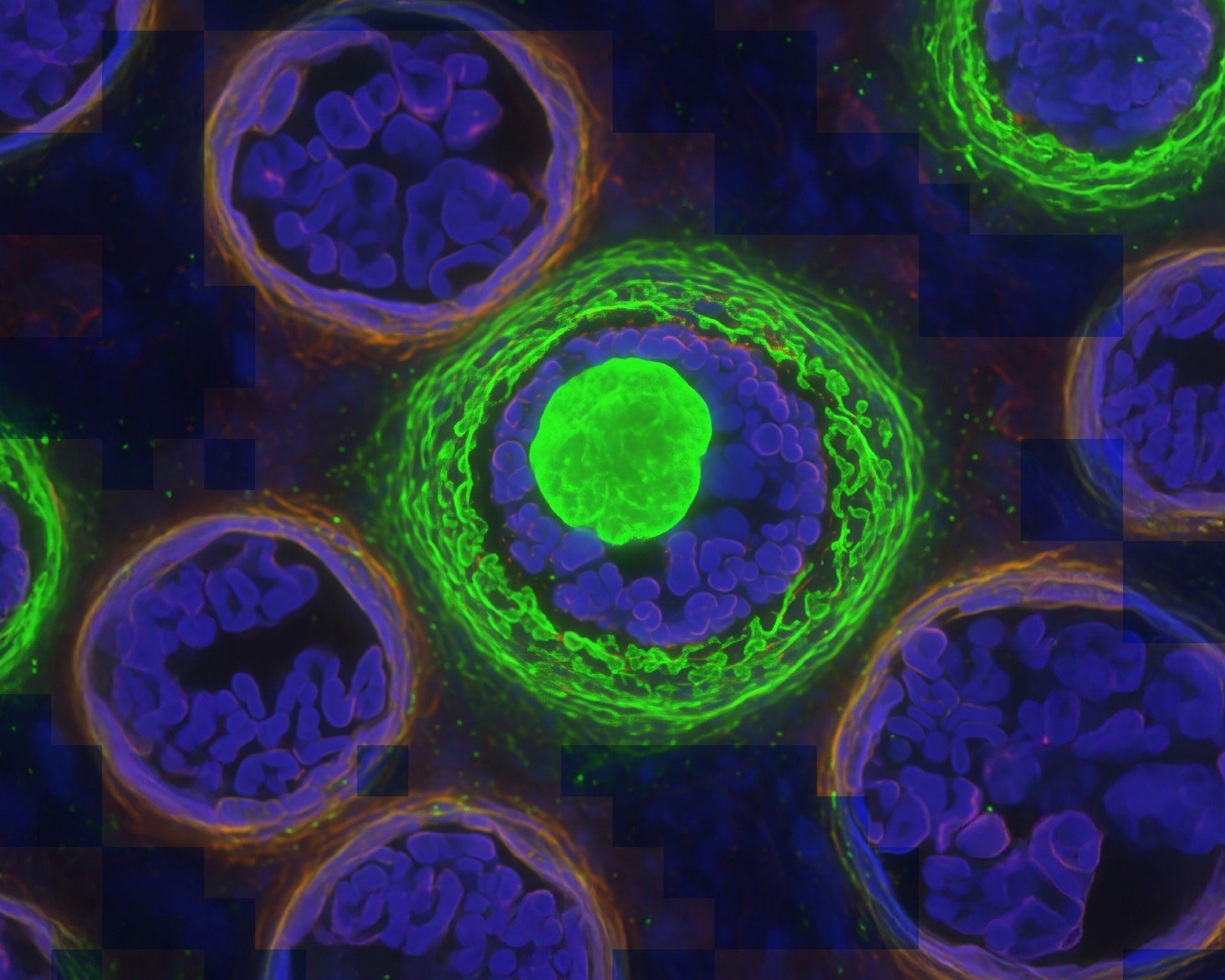
Inspired by her grandfather’s battle with cancer, Raegan Sim (Year 4, Major in Life Sciences, Minor in Public Health) turned grief into purpose through research and discovery. Her Final Year Project on ovarian cancer uncovered how giant polyaneuploid cancer cells transfer specialised mitochondria to neighbouring cells, helping them survive chemotherapy. The breakthrough not only advances understanding of cancer resilience but also hints at promising regenerative applications. Raegan, the only NUS student recognised with the Global Undergraduate Award (GUA) and Thomas Clarkson Gold Medal, proudly represented Singapore at the GUA Global Summit this year.
Every year during the flagship Science Summer Institute (SSI) programme, the faculty comes alive with youthful energy – animated conversations spill into corridors as students trade ideas about nanoscience, green energy, urban farming and biomedical breakthroughs. This is science outreach in action: not confined to classrooms or textbooks, but alive, hands-on and deliberately borderless. Through the SSI and local school engagements, the faculty opens its doors to young learners, inviting them into experiences which are specially crafted to ignite curiosity and sharpen ambition. Participants do more than observe, they step into the world of science: engaging with leading researchers, grappling with real-world scientific challenges and gaining a front-row view of research at the cutting-edge.
Science progress is not always loud, but its impact is felt quietly – in healthier lives, cleaner energy, smarter technologies and moments of clarity that shape our understanding of the world we have and the one we dare to imagine.
Box Story
New bent-toed gecko species in Timor-Leste
“We have barely scratched the surface of Timor-Leste’s biodiversity. New discoveries can have profound impacts on conservation and policy-making.”
In August 2022, we led an expedition to Timor-Leste in collaboration with Conservation International and the government of Timor-Leste. The Museum’s herpetologist, Dr CHAN Kin Onn, discovered a new species of bent-toed gecko which was named Cyrtodactylus santana, in reference to the Nino Konis Santana National Park, in which the gecko was discovered.