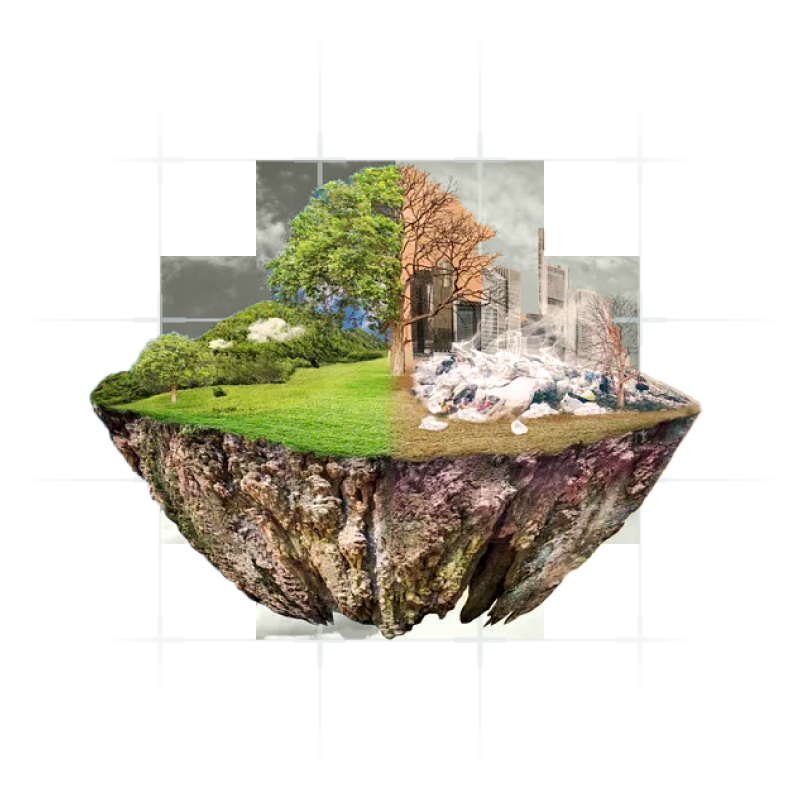
Climate change, environmental degradation, food insecurity and the steady depletion of natural resources are no longer distant scenarios; these are realities impacting daily life in Asia and beyond. At the Faculty of Science, these are problems we wrestle with directly: How can science be applied to ease these pressures?
Scroll to read
In classrooms, the future comes into focus
Sustainable Urban Food Production
Sustainable Polymers and Biomass
Climate Science and Climate Change Fundamentals
Weather and Climate Fundamentals
Environmental Pollution
The first encounters with sustainability come in classrooms and laboratories, not as a standalone subject but as context running through it. An undergraduate course on urban food security asks how cities might feed themselves when farmland runs short. A physics course exposes students to the evolving realities of climate change, while in chemistry, the question shifts to whether commodity plastics can be replaced with biomass polymers.
Solving a wicked problem
“The minor allows me to deepen my understanding of sustainability evaluation practices and the complexities surrounding natural resource management.”
Environmental challenges are inherently interdisciplinary in nature, cutting across ecological, social, economic and political domains. Year 2 student Amanda Gwee is reading the Cross Disciplinary Programme in Environmental Studies and the new Minor in Environmental Sustainability to gain an integrated perspective in identifying, analysing and tackling pressing environmental issues. This programme complements her interest in environmental policy and management.
From green chemistry to a green career
“My specialisation gives me exposure to technologies in functional materials and green synthesis, which are highly relevant in industry today.”
Woon Pei Qi (Year 4, Major in Chemistry) plans to start a business on safe and sustainable personal care products after gaining some work experience in sustainability research. From redesigning common materials that reduce environmental impact to learning how alternative energies can replace non-renewable fuels in the future, the new Specialisation in Sustainable Chemistry is leading her towards a career where she can apply chemistry in sustainable development.
The same thread runs through our postgraduate programmes. A new Master’s course in Data Science for Sustainability introduces the power of data-driven solutions for a society grappling with climate change, biodiversity loss and other sustainability challenges.
From coding to conservation
Lucas Wang, who recently graduated from the MSc in Data Science for Sustainability programme, came away with a more holistic understanding of sustainability across areas from nature conservation to product lifecycle assessment and sustainable finance. He also applied his learnings to real-world challenges, such as identifying wind farm sites in Thailand, designing green finance instruments, tracking building emissions in Singapore and exploring artificial intelligence (AI) in smart cities. These skills have led to roles at the Singapore-MIT Alliance for Research and Technology and NUS, where he is now a research assistant advancing explainable AI.
“I recognised a calling to apply data science and AI to problems that matter for society and the environment. The course changed my understanding of environmental protection.”
Solving a wicked problem
Environmental challenges are inherently interdisciplinary in nature, cutting across ecological, social, economic and political domains. Year 2 student Amanda Gwee is reading the Cross Disciplinary Programme in Environmental Studies and the new Minor in Environmental Sustainability to gain an integrated perspective in identifying, analysing and tackling pressing environmental issues. This programme complements her interest in environmental policy and management.
“The minor allows me to deepen my understanding of sustainability evaluation practices and the complexities surrounding natural resource management.”
From green chemistry to a green career
Woon Pei Qi (Year 4, Major in Chemistry) plans to start a business on safe and sustainable personal care products after gaining some work experience in sustainability research. From redesigning common materials that reduce environmental impact to learning how alternative energies can replace non-renewable fuels in the future, the new Specialisation in Sustainable Chemistry is leading her towards a career where she can apply chemistry in sustainable development.
“My specialisation gives me exposure to technologies in functional materials and green synthesis, which are highly relevant in industry today.”
Research that asks what is possible
More than just studying problems, our scientists integrate science, technology and interdisciplinary insights to ask what can be done. One project asks how rubber production can be greener. Others follow the conservation of biodiversity. Different in scope, they share a single purpose: to produce knowledge that directly addresses sustainability issues.
Department of
Biological Sciences
Avian evolution: Earlier origins uncovered
Published in National Science Review (July 2025)
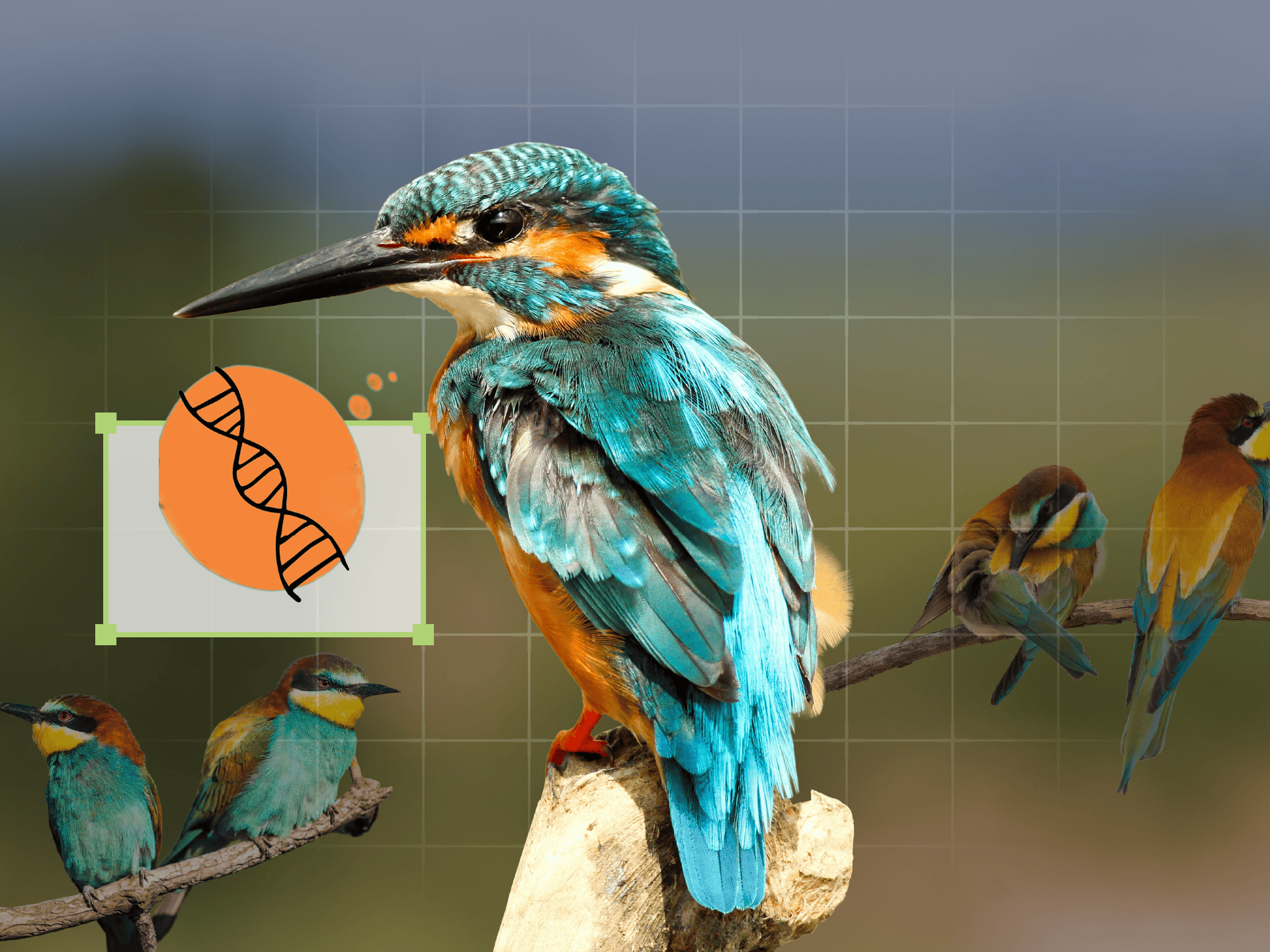
The evolutionary origin of modern birds has long been debated, with studies suggesting they diversified after the Cretaceous-Paleogene (K-Pg) extinction event. Drawing on recent findings of bird genomes and fossils, a new study by Assoc Prof Frank Rheindt’s team challenges this view – and suggests instead that modern bird lineages began evolving earlier, during the Late Cretaceous period of rapid ecological change. This groundbreaking research could reshape understanding of animal evolution.
Department of
Biological Sciences
What controls butterfly wing colours?
Published in Science (December 2024)
For years, the cortex gene was thought to be the main regulator of wing colour in butterflies. However, Prof Antónia Monteiro discovered that a tiny piece of genetic material – microRNA-193 – plays the key role. This microRNA, from a long noncoding ribonucleic acid (RNA), ivory, controls pigmentation genes that drive the darkening or lightening of the wings. This study shows that small, overlooked RNAs play a big role in the evolution of butterfly wing patterns and can drive major visible changes in animals.
Department of
Chemistry
A greener way to make rubber
Published in Nature Catalysis (November 2024)
Assoc Prof Jason Yeo developed a new electrochemical method to produce 1,3-butadiene – a key ingredient in rubber – using cheap copper catalysts modified with iodide anions. Operating under ambient conditions, this method offers high selectivity and is more energy-efficient than conventional energy-intensive techniques. This discovery could lead to more sustainable production processes and open the door to future advancements in ecofriendly and efficient manufacturing technologies.
Department of
Chemistry
Engineering solar cells that can take the heat
Published in Science (November 2025)
Asst Prof Park Somin’s research addresses a weakness in solar technologies: high-efficiency solar cells that falter under heat and humidity. For solar energy to be adopted globally – especially in warm, tropical regions – stability must stand alongside efficiency. This insight led her to surface chemistry and specifically, to the interface: the ultrathin junction where materials meet, often a device’s weakest link. By designing molecules that lock together to form a chemically stable, heat-resistant network, her work strengthens this fragile layer, opening the way to solar technologies with greater durability and real-world reliability.
Lee Kong Chian
Natural History Museum
New long-horned grasshopper species discovered in Southeast Asia
Published in Zootaxa (2025)
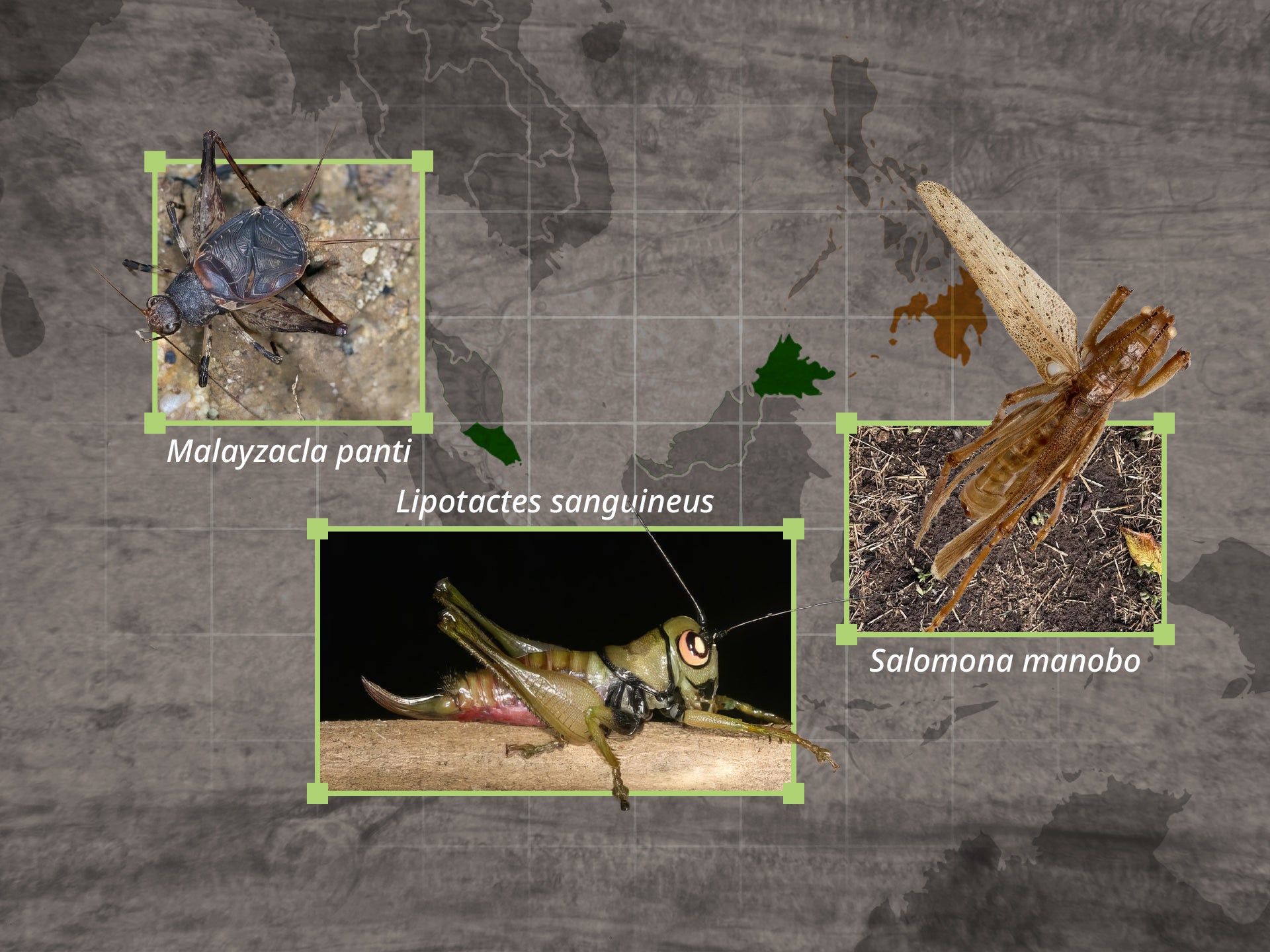
Dr Tan Ming Kaiand his collaborators from Sabah, Peninsular Malaysia and the Philippines, uncovered 19 species of long-horned grasshoppers (Orthoptera) that are new to science. These include a big-eyed katydid with a blood-red abdomen (Lipotactes sanguineus) from Sabah, a large cone-headed katydid named after an indigenous people group from Mindanao (Salomona manobo) and even a new genus of cricket from Johor (Malayzacla panti). This work advances our understanding of Orthoptera taxonomy.
Lee Kong Chian
Natural History Museum
Pangolins in peril
Published in Oryx (September 2024)
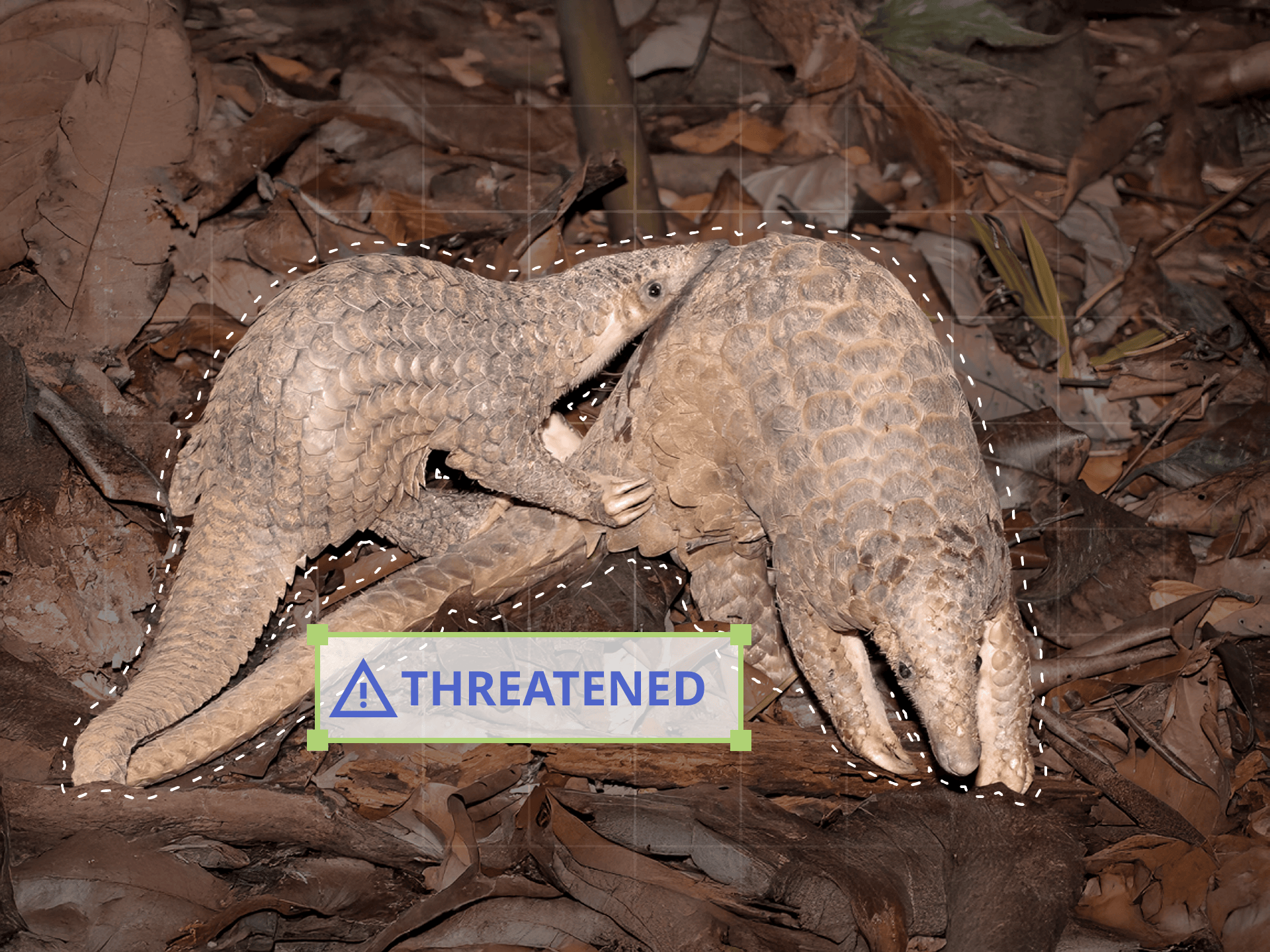
Critically endangered Sunda pangolins in Singapore are increasingly leaving their forest habitats and venturing into urban areas. Between 1996 and 2021, pangolin deaths and rescues nearly doubled, reflecting the growing pressures of urbanisation. DrMarcus Chua, in collaboration with Nature Society Singapore, the Animal Concerns Research and Education Society, Mandai Wildlife Group and the National Parks Board, pioneered this study to identify hotspots for human-pangolin conflict. His work guides conservation efforts to help pangolins survive in the city.
Anniversaries offer the opportunity to celebrate how far NUS Science’s sustainability initiatives have travelled beyond the laboratory.
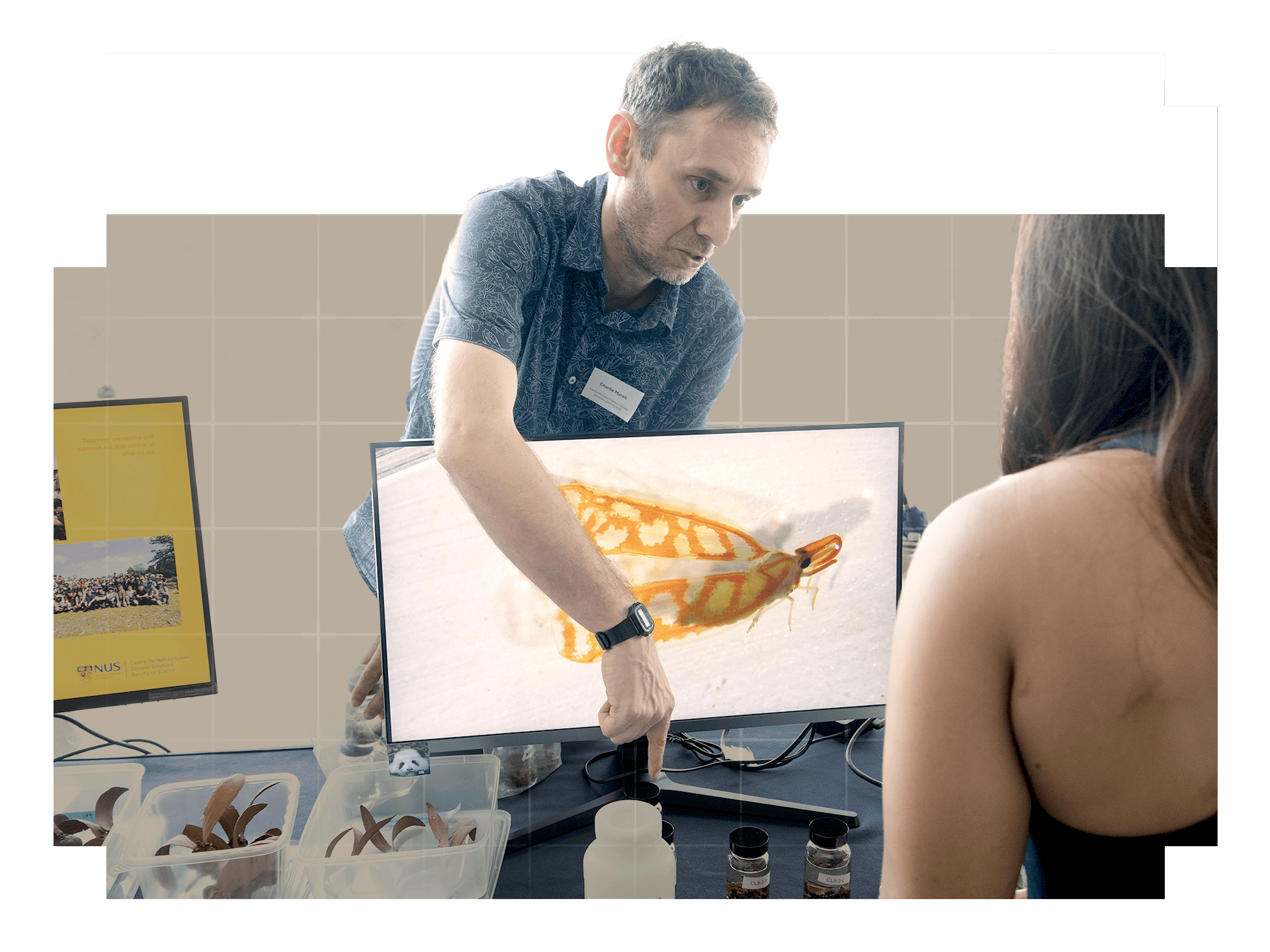
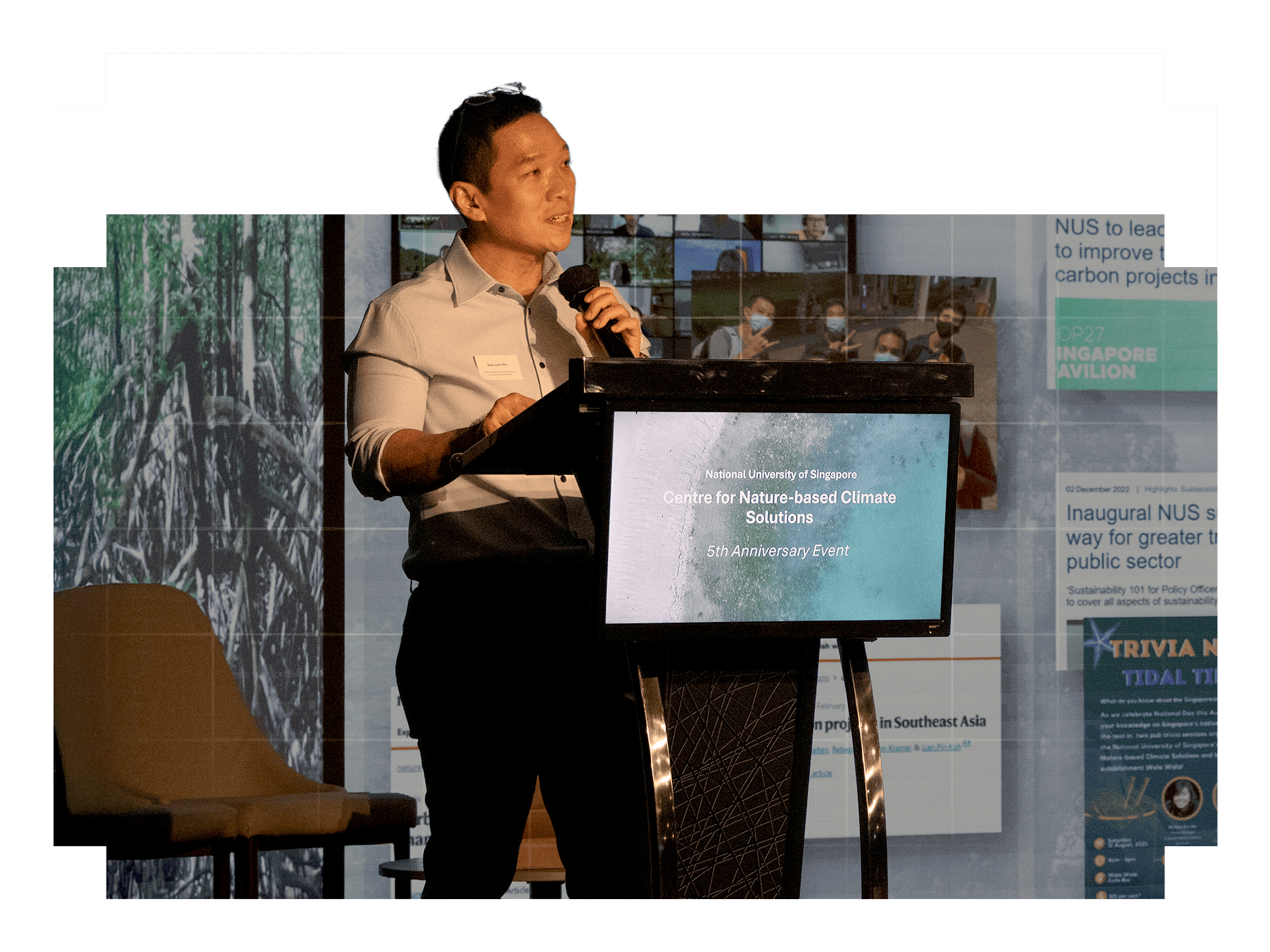
The Centre for Nature-based Climate Solutions, established in 2020 as part of Singapore’s long-term climate strategy, marked its fifth year of progress in advancing nature-based climate solutions. Its director, Prof Koh Lian Pin, noted that the Centre was set up to advance policy-relevant research and build regional capacity to respond decisively to climate change – missions that continue to guide its work today.
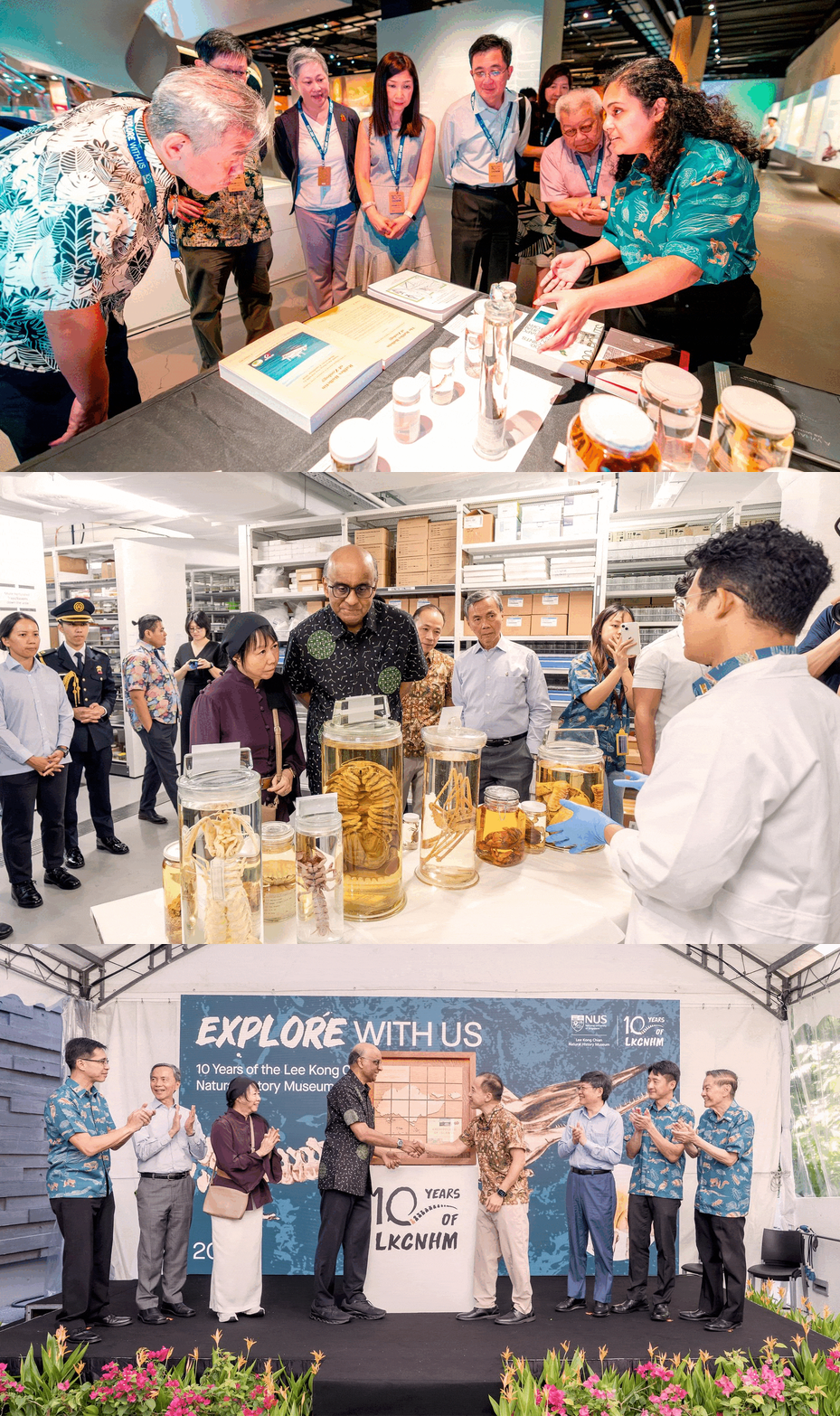
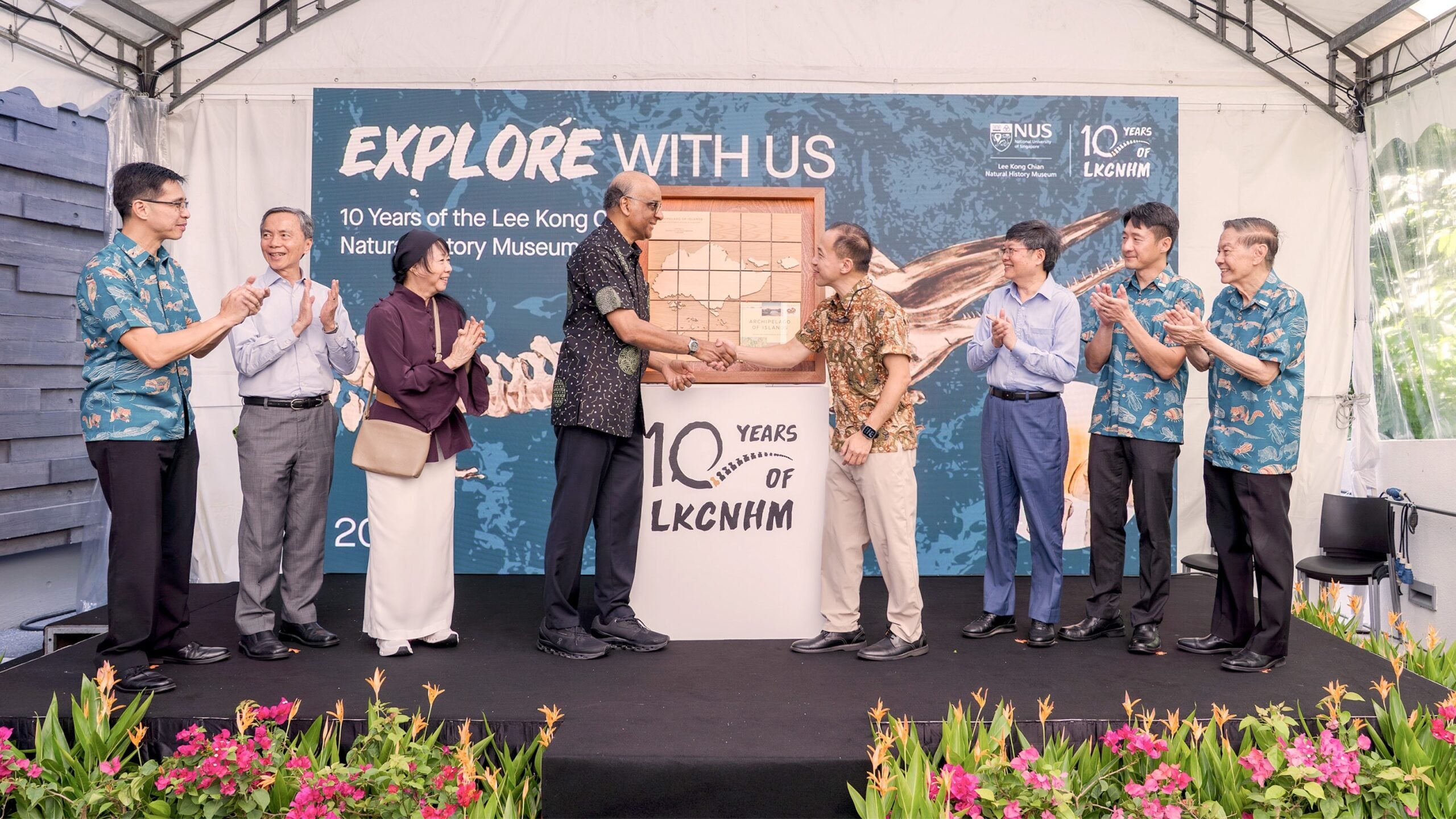
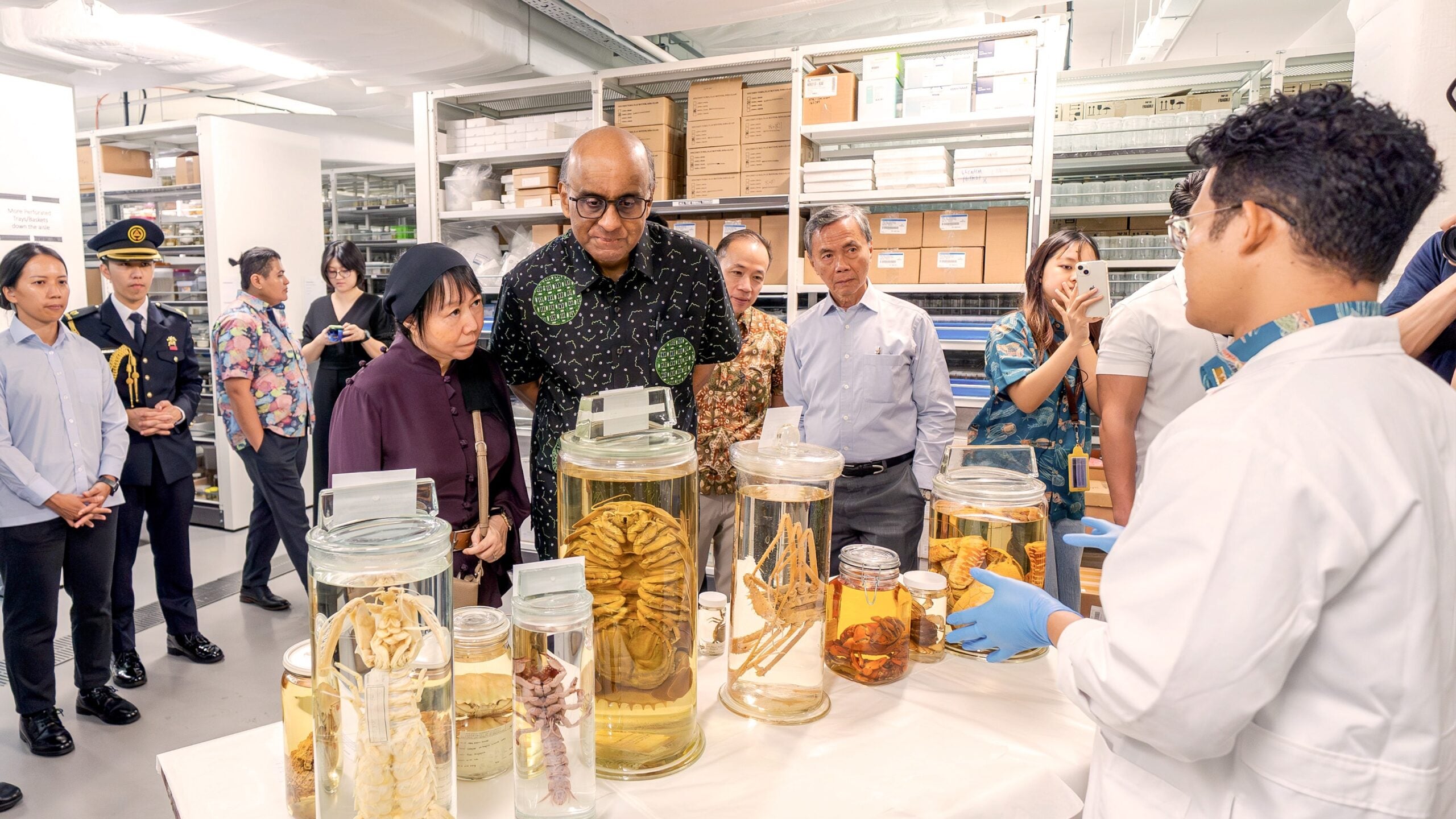
The Lee Kong Chian Natural History Museum celebrated a decade of excellence in biodiversity research, education and natural heritage conservation in May 2025 with the launch of a commemorative book and a special exhibition. President Tharman Shanmugaratnam, President of the Republic of Singapore and NUS Chancellor, was the Guest of Honour.
Video credit: Mediacorp
Photo credits: Lee Kong Chian Natural History Museum, National University of Singapore
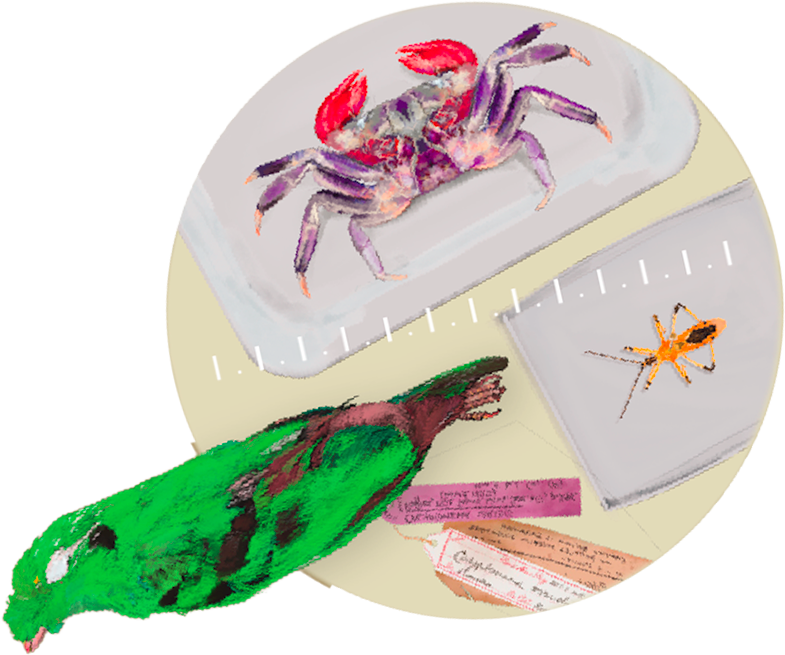
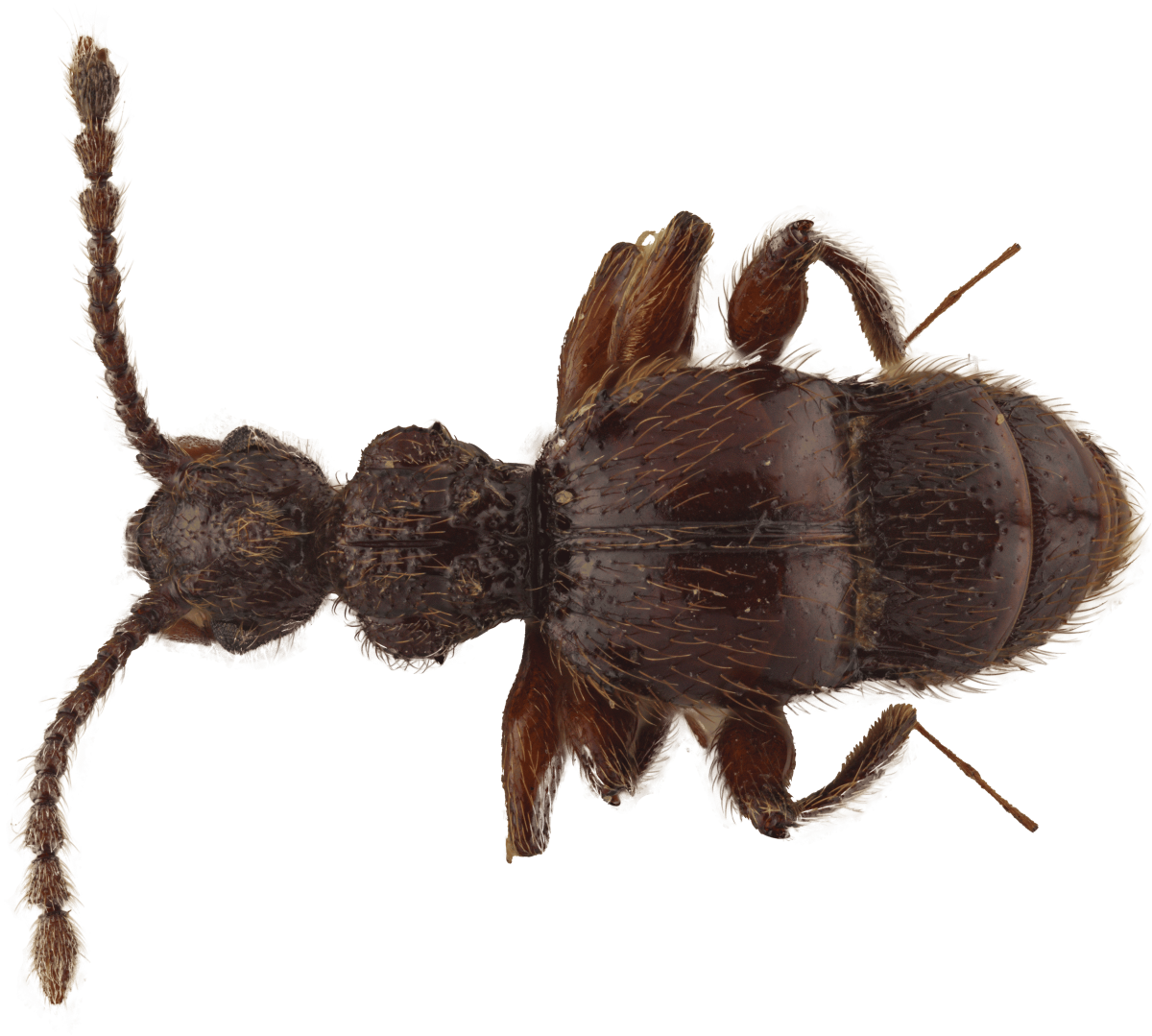
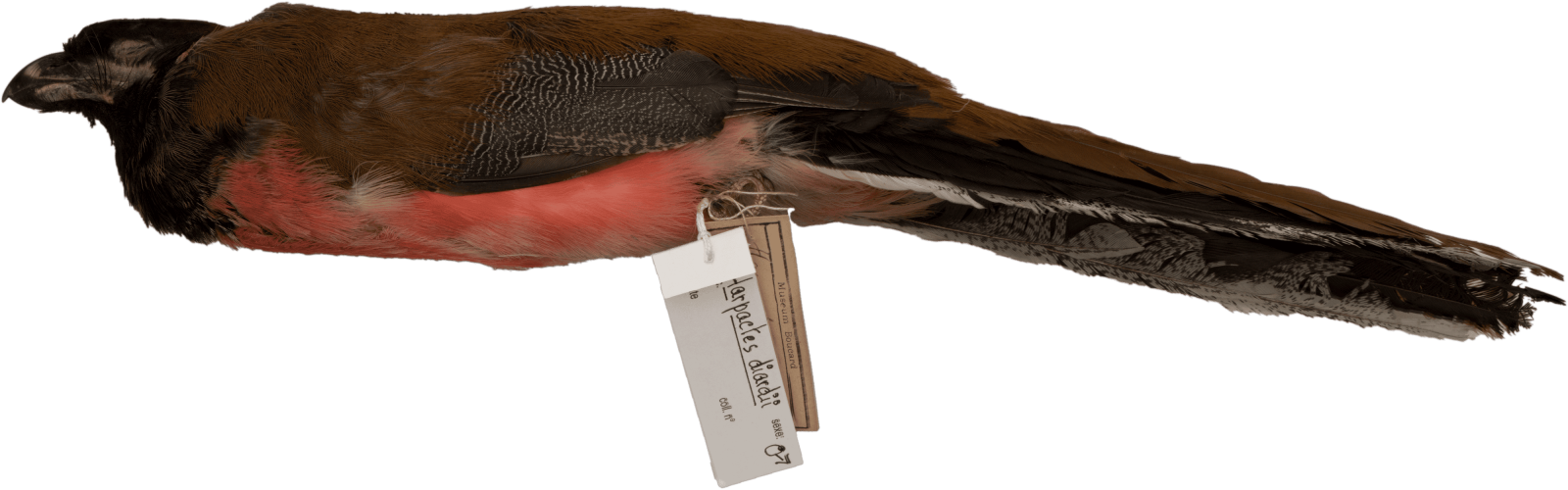
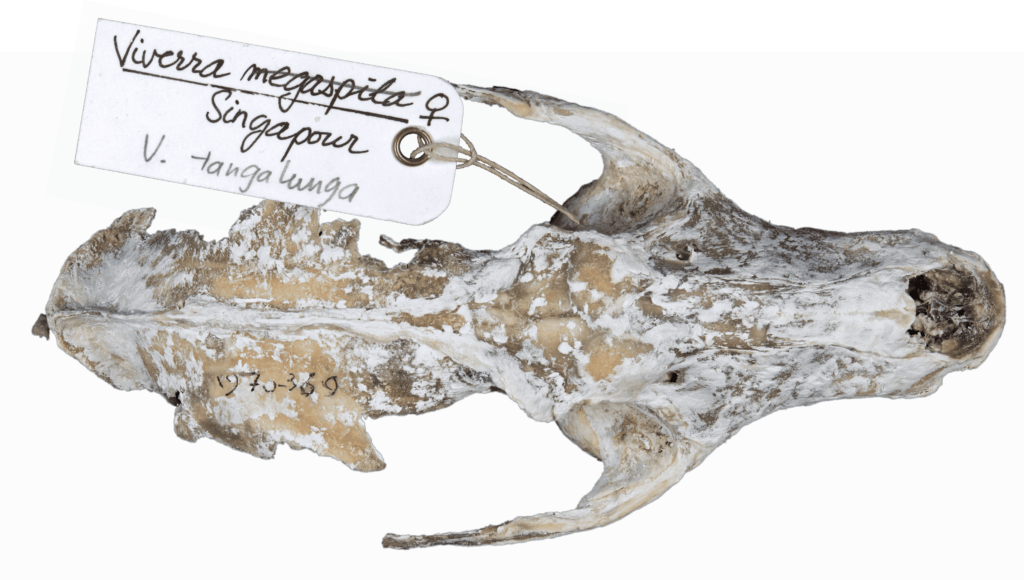
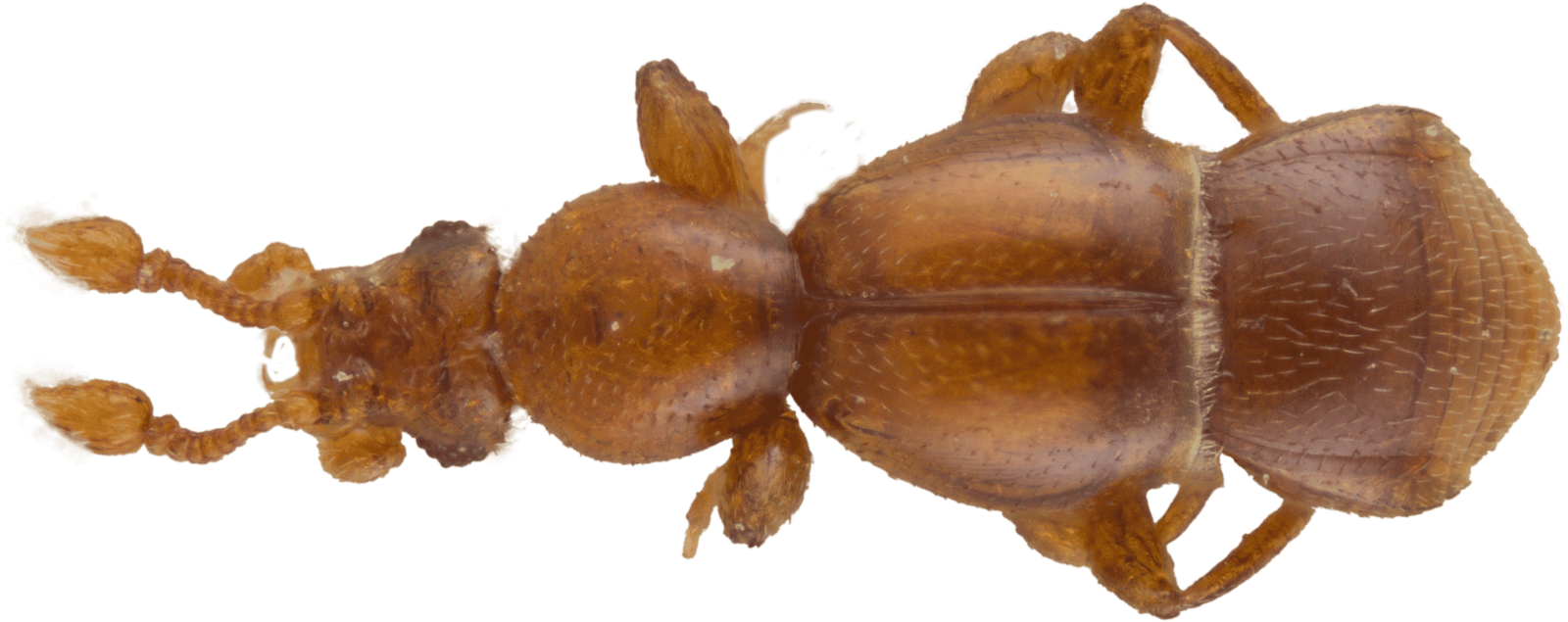
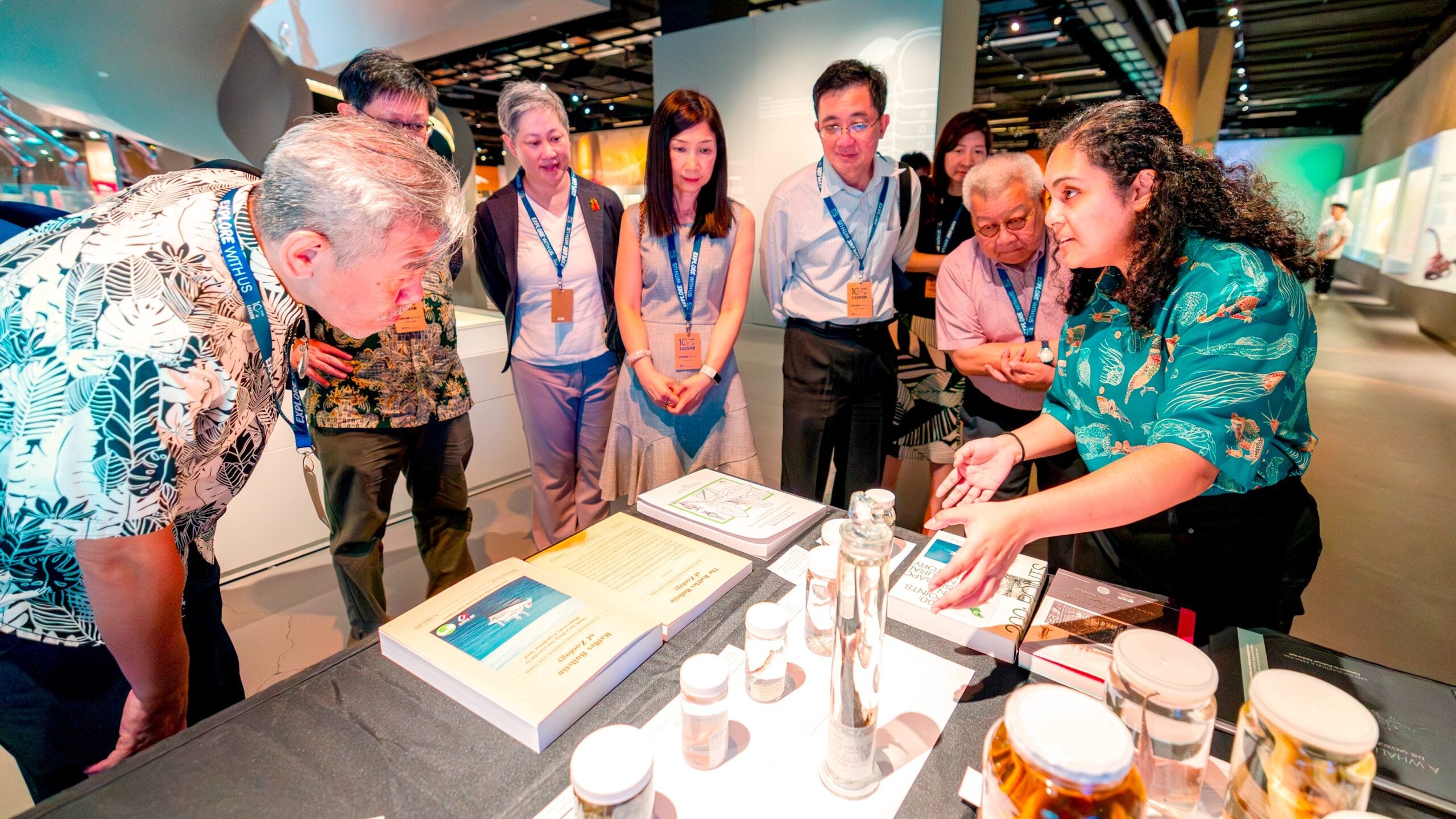
The search for knowledge does not stop at home. In late 2024, the museum’s SIGNIFY team visited the Muséum national d’Histoire naturelle in Paris, which is known for its vast collection of 67 million specimens. Over six weeks, the team uncovered and digitised more than 500 specimens collected from Singapore. Among them were beetles collected by Achille MJ Raffray, a 19ᵗʰ century French Consul in Singapore whose passion for the Pselaphinae (a subfamily of rove beetles, Staphylinidae) resulted in the description of nearly 110 new species from Singapore. The team also imaged several species which represented new national records.
Bound by a shared responsibility
On campus, young advocates lead interest groups, projects and speak at global forums. Beyond the university, our graduates step into roles ranging from policymaking to conservation, enterprise and others. The commitment is clear: Sustainability science is not only studied here, it is put to work in the world.
Powering a circular future
“Meeting people around the world in the fight to save our planet inspires me towards mindful living and action."
Chemistry alumna Dr Cheryldine Lim began her sustainability journey researching green solvents for organic synthesis before pivoting to battery technologies during her PhD. She is now a process engineer at Equalithium, a company specialising in the responsible end-of-life management of lithium-ion batteries. Her work tackles an emerging challenge: As nations accelerate electrification, how can battery waste be managed sustainably? By helping to recover valuable materials from batteries and reintegrating them into the supply chain, Dr Lim’s work contributes to the vision of a truly circular economy.
Protecting the blue heart of Singapore
“As long as I wake up each day thinking, ‘What can I do today to protect or improve Singapore’s natural environment?’, I know I am in the right job.”
Life Sciences alumna Dr Karenne Tun fell in love with coral reefs when she started diving in 1990 and there was no looking back. As Group Director of the National Biodiversity Centre, National Parks Board, Dr Tun looks after the terrestrial and marine biodiversity in Singapore, our City in Nature. Notably, she manages the Sisters’ Islands Marine Park and led the 100K Corals Initiative, Singapore’s largest coral restoration effort. She also provides technical advice and works closely with other agencies on national policymaking, to find a balance between development and sustainability.
Redefining urban cooling
"My pharmacy training taught me to solve complex problems with a rigorous, analytical mindset. I now apply that same discipline to sustainability, where I develop cross-disciplinary solutions that impact people and the planet.”
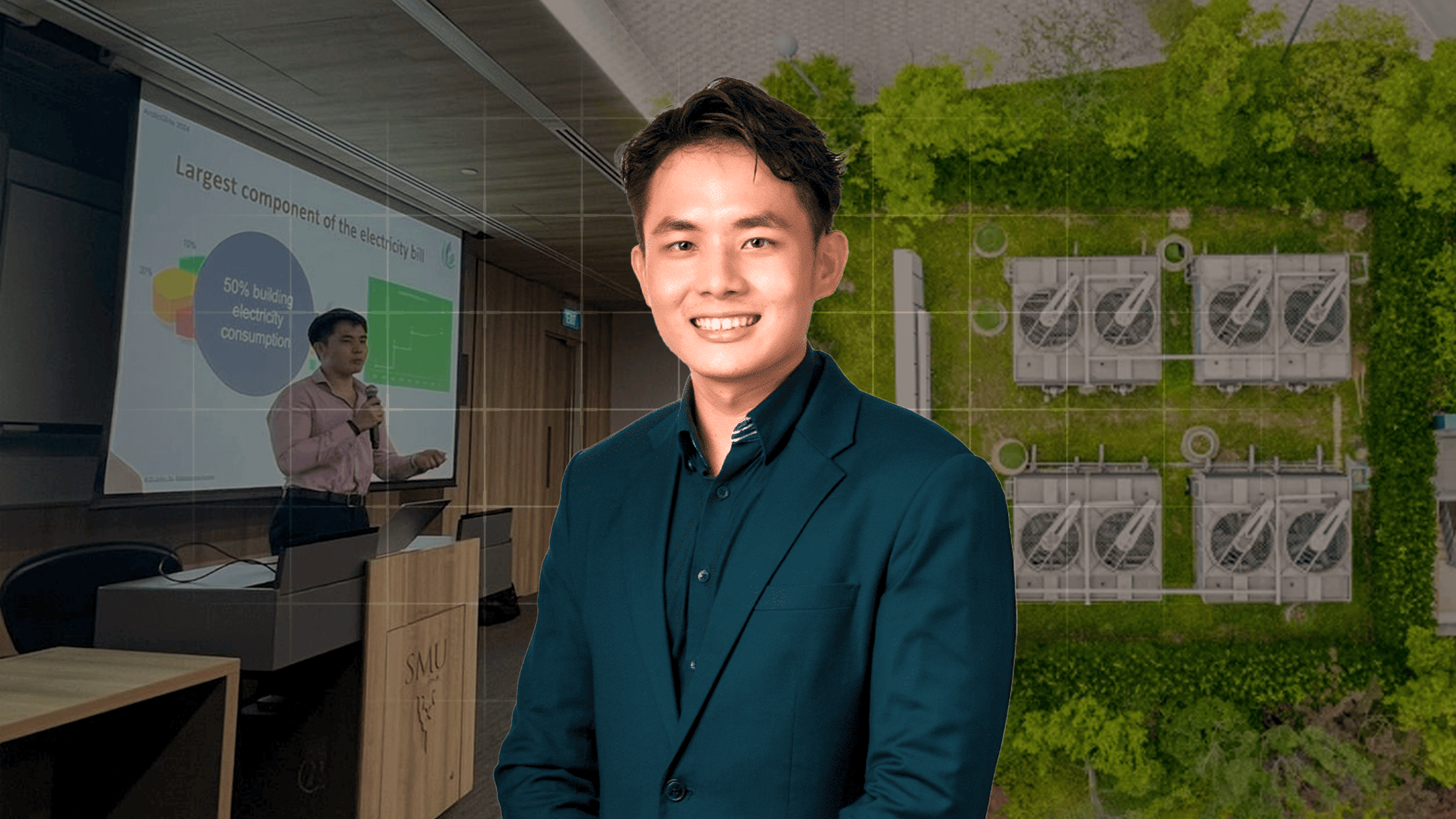
Pharmacy alumnus Louis Chan saw a significant market gap in Singapore’s built environment – the huge amount of energy buildings use for air-conditioning. He founded his startup, Greenbix, to tackle this head-on. Greenbix offers a patented heating, ventilating and air-conditioning solution which uses passive cooling technology to reduce electricity consumption. This scalable solution helps businesses to lower emissions, cut operational and maintenance costs and meet sustainability goals.
Leading climate action
“Sustainability lies at the core of academic and professional pursuits. It should not be treated as a niche area but as a foundational principle cutting across disciplines.”
Environmental Studies Year 4 student Judith Ko led the charge to make sustainability accessible and integral to all disciplines as the President of student group 1.5degreeNUS. Her award-winning policy paper on equitable decarbonisation was presented at the 27ᵗʰ Conference of the Parties to the United Nations Framework Convention on Climate Change (COP27), following her first-place finish at the international ClimateScience Olympiad (2022).
Mathematics and Statistics alumna Mai Thanh Hiền was named to the SG100 Women in Tech list (2025) in recognition of her contributions to the technology industry. She channels the same analytical rigour and innovation into tackling sustainability challenges, applying technology in service of communities and the environment.
From Big Tech to big impact
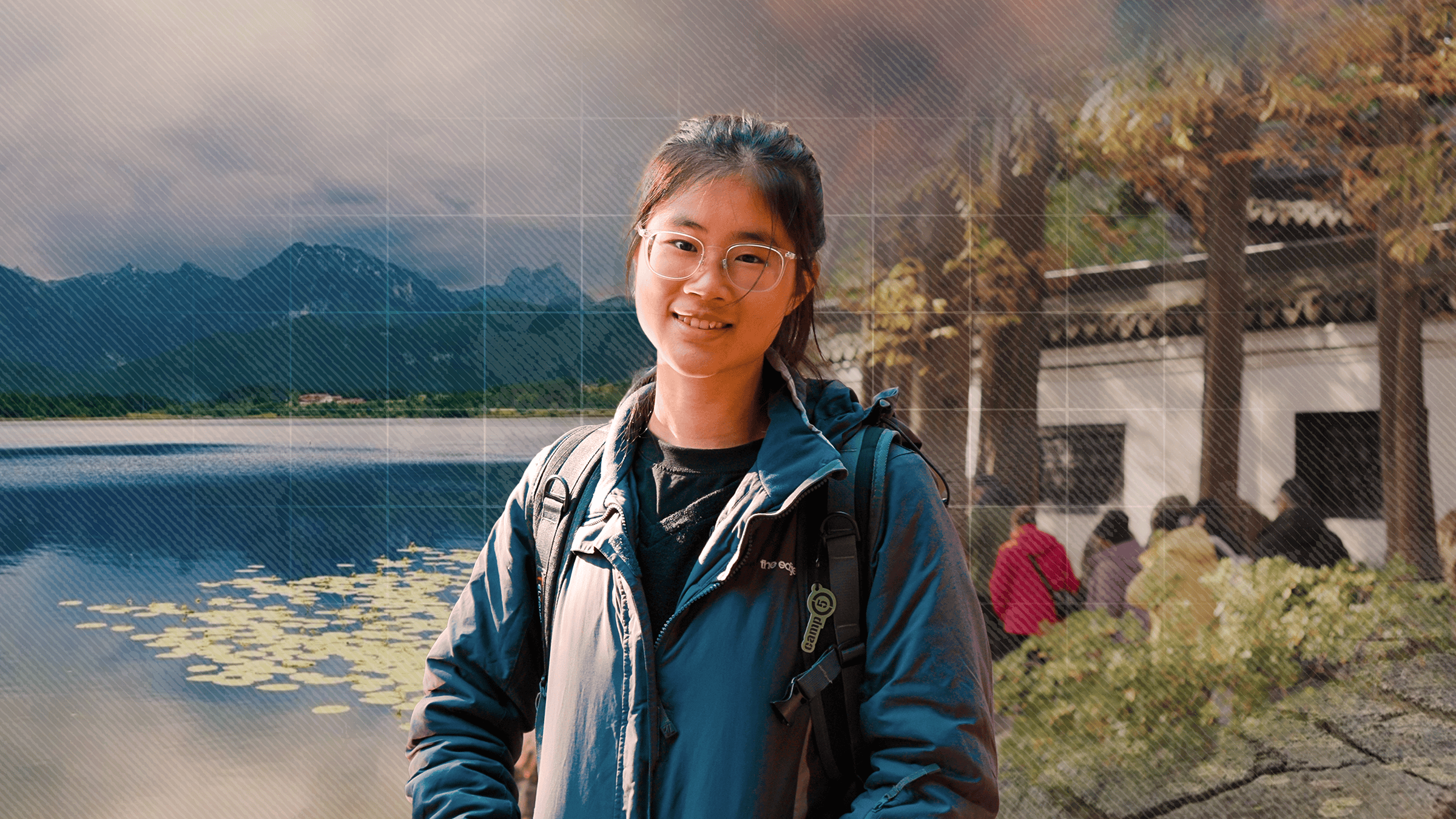
Mai Thanh Hiền believes in using our talents and gifts for good. Her belief led her to start KarbonMap after a career in Big Technology. The AI-powered platform simplifies complex environmental standards, measures carbon credits, maps land use and enables local communities to collect reliable ground-truth data. By making sustainable practices accessible, KarbonMap helps farmers reduce costs, boost crop resilience and build stronger communities and ecosystems. Her work links food security and climate mitigation with thriving communities, translating global sustainability goals into practical, on-the-ground strategies.
“What I enjoy the most is going into the field and seeing the people whom I serve, seeing that things work.”
At the Faculty of Science, sustainability is more than a field of study. It is a shared call to act. Students begin by grappling with environmental challenges, then test that knowledge in the field and in advocacy. Graduate studies and faculty research take these questions deeper. Alumni then carry these lessons forward, informing conservation policy and business practices.
Climate change, food insecurity and biodiversity loss will remain pressing for decades. Science alone cannot solve them, but it strengthens understanding and equips us with the tools to respond. Every experiment, initiative and discovery contributes to a larger arc – one that seeks to build a future that is liveable for all.
Box Story
New bent-toed gecko species in Timor-Leste
“We have barely scratched the surface of Timor-Leste’s biodiversity. New discoveries can have profound impacts on conservation and policy-making.”
In August 2022, we led an expedition to Timor-Leste in collaboration with Conservation International and the government of Timor-Leste. The Museum’s herpetologist, Dr CHAN Kin Onn, discovered a new species of bent-toed gecko which was named Cyrtodactylus santana, in reference to the Nino Konis Santana National Park, in which the gecko was discovered.