Artificial intelligence (AI) stopped being a niche domain the moment its models started learning from protein structures, materials properties and climate systems. At the Faculty of Science, conversations about AI ethics now sit alongside coding projects where our students build their first models.
Scroll to read
Learning the language of algorithms
The Common Curriculum offered by the College of Humanities and Sciences (CHS) introduces the foundational ideas: how machines detect patterns, why bias matters and how humans can engage meaningfully with AI. The aim is digital literacy – for students in any discipline to be able to grapple with the big questions, such as AI’s impact on society.
From there the strands pull apart.
Physics courses use machine learning to probe quantum systems.
Statistics students wrestle with sprawling datasets, where faint signals risk being buried in noise.
Mathematics majors encounter it through coding theory.
Different as these routes are, they converge on a shared outcome: a vocabulary that allows scientists from fields far apart to talk in algorithms with ease.
The next step? Weaving AI more deeply into scientific training. The Faculty’s new Second Major and Minor in Computing (Sciences) programme, designed exclusively for NUS Science students, brings scientists from diverse fields together under the shared language of algorithms – whether they are designing new drugs, mining genomic data or exploring quantum frontiers.
From core courses to specialised electives, our students have multiple avenues to engage with AI concepts through hands-on projects, data-driven research and interdisciplinary collaborations.
Redefining cross-disciplinary learning
“AI is a bridge between fundamental physical principles and their practical engineering applications.”
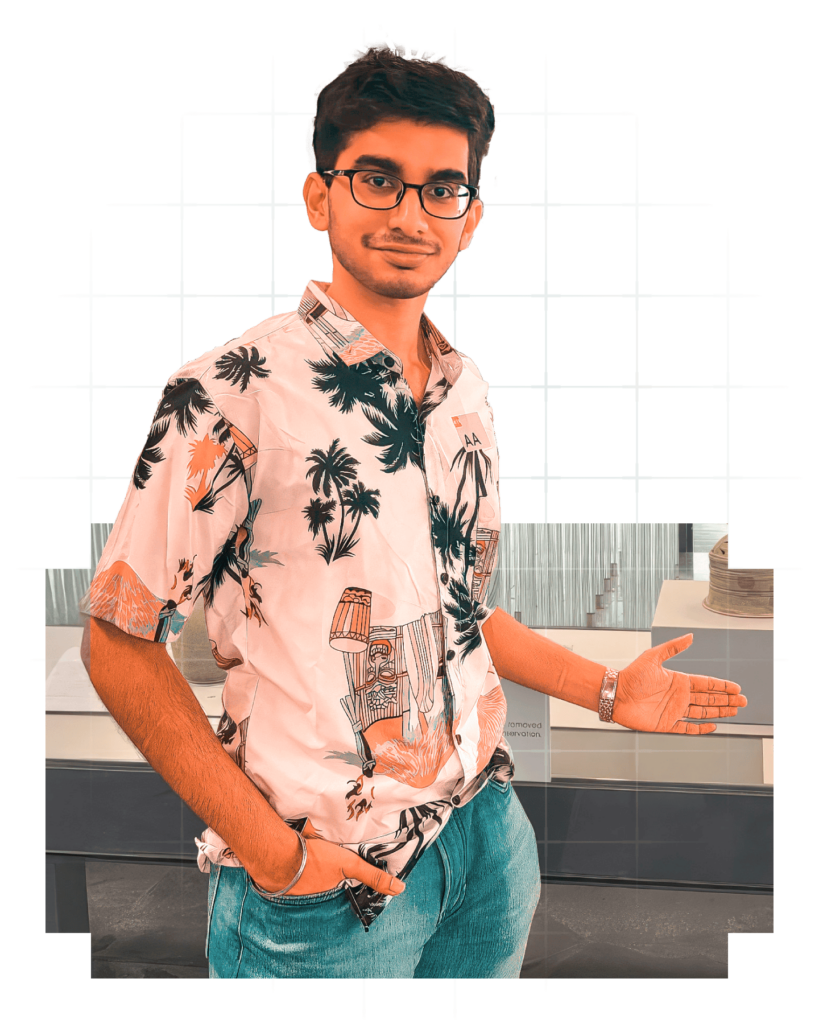
Vora Yugam Jinesh (Year 3, Double Majors in Physics and Engineering Science, Minor in Computing) is from the first batch of the new CHS-College of Design and Engineering Double Degree Programme (DDP), where he is building a versatile skillset at the intersection of science, engineering and AI. In physics, he uses AI to parse through vast datasets and simulate intricate physical phenomena with greater precision. In engineering science, he applies the same skills to optimise system designs and speed up the discovery of new materials. The DDP has strengthened his foundations in computational thinking and advanced data analysis, allowing him to frame complex problems in ways that AI models can address.
Using AI wisely
“Beyond the math behind the machine learning models, having a good eye to know the right model for the job is my main takeaway.”
For Rikhil Singh (Year 2, Major in Data Science and Analytics, Minors in Computer Science and History), the journey into programming to solve problems started during the pandemic lockdown. As his skills grew, he began working on real-world challenges like task automation and rule-based learning. Finding the right car for his parents at the right price was his turning point towards machine learning. Today, Rikhil believes in the importance of applying AI thoughtfully – balancing efficiency, explainability and practical impact.
Data insights for fintech solutions
“This course taught me how data science methods can address financial problems, such as fraud detection and returns prediction.”
Benedicta Edlyn Kurniawan (Year 3, Major in Quantitative Finance) set out to explore how techniques, such as statistical modelling, machine learning and feature engineering shape modern finance, from trading and risk management to portfolio optimisation. Working on decision trees, bagging and boosting, she discovered how selecting the appropriate algorithms for financial data modelling improved predictive accuracy. Equally important, she learned to guard against pitfalls like overfitting and data leakage – to ensure that models perform reliably on new, unseen data.
Redefining cross-disciplinary learning - with AI
Vora Yugam Jinesh (Year 3, Major in Physics) is from the first batch of the new CHS-College of Design and Engineering Double Degree Programme (DDP), where he is building a versatile skillset at the intersection of science, engineering and AI. In physics, he uses AI to parse through vast datasets and simulate intricate physical phenomena with greater precision. In engineering science, he applies the same skills to optimise system designs and speed up the discovery of new materials. The DDP has strengthened his foundations in computational thinking and advanced data analysis – allowing him to frame complex problems in ways that AI models can address.
“AI is a bridge between fundamental physical principles and their practical engineering applications, equipping me to find data-informed solutions for real-world challenges.”
Using AI wisely
For Rikhil Singh (Year 2, Major in Data Science and Analytics, Minors in Computer Science and History), the journey into programming to solve problems started during the pandemic lockdown. As his skills grew, he began working on real-world challenges like task automation and rule-based learning. Finding the right car for his parents at the right price was his turning point towards machine learning. Today, Rikhil believes in the importance of applying AI thoughtfully – balancing efficiency, explainability and practical impact.
“Beyond the math behind the machine learning models, having a good eye to know the right model for the job is my main takeaway.”
Data insights for fintech solutions
Benedicta Edlyn Kurniawan (Year 3, Major in Quantitative Finance) set out to explore how techniques, such as statistical modelling, machine learning and feature engineering, shape modern finance in areas ranging from trading and risk management to portfolio optimisation. Working on decision trees, bagging and boosting, she discovered how selecting the appropriate algorithms for financial data modelling improved predictive accuracy. Equally important, she learned to guard against pitfalls like overfitting and data leakage – to ensure that models perform reliably on new, unseen data.
“This course taught me how data science methods can address financial problems, such as fraud detection and returns prediction.”
Speaking two scientific languages
The newMaster of Science (MSc) in AI for Science programme is built on the idea of bilingual scientists fluent in both scientific rigour and algorithmic reasoning. It is a demanding premise, but one that reflects how science now advances: Discoveries depend as much on making sense of noisy datasets as on testing hypotheses.
Becoming bilingual in AI and science
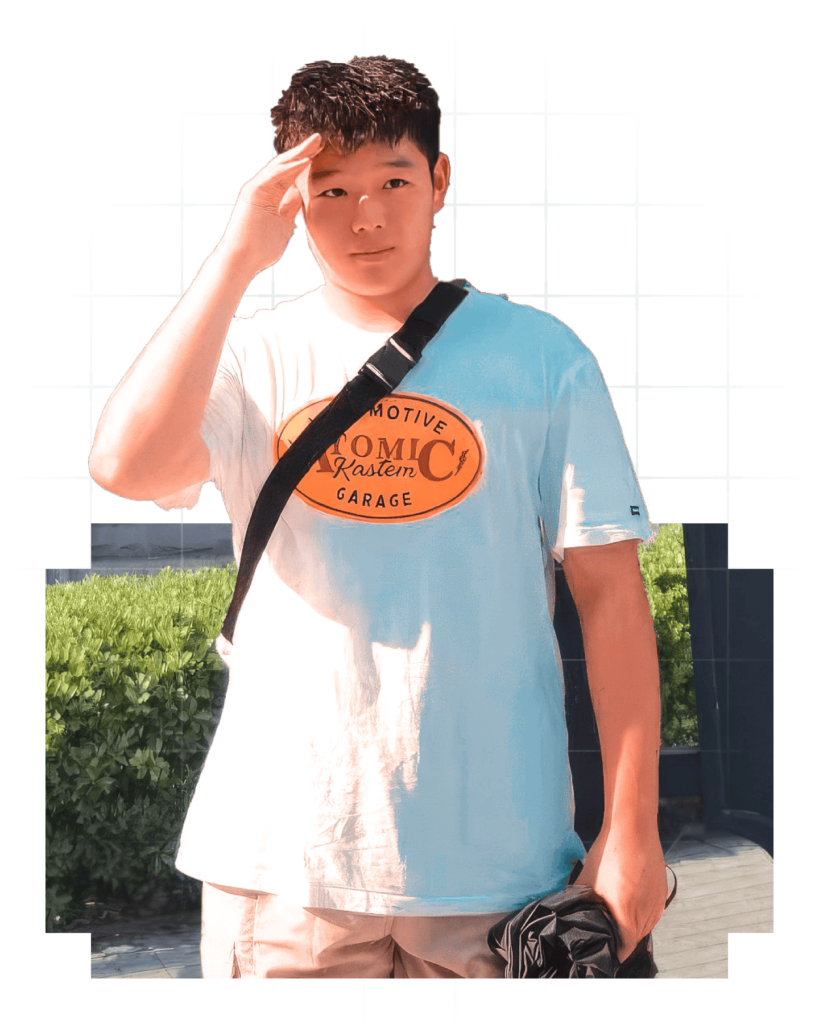
For Zuo Enpu, AI is not just a subject but a versatile tool that unlocks new possibilities in scientific research. This led him to enrol in the new MSc (AI for Science), where he can gain practical insights into applying AI for prediction and analysis across scientific fields. Another draw was the programme’s diverse outcomes. Its year-long research training component – which brought him into the laboratory to work directly with faculty members – prepares him for the PhD route, while the six-month internship opens doors to the workplace.
“The natural sciences, such as physics and chemistry, are precisely the areas where AI can make a significant impact.”
Science in fast‑forward
AI does not replace scientific reasoning. Rather, it augments it, suggesting new hypotheses, highlighting patterns and offering speed at scales previously impossible. Our researchers are using AI not only to accelerate their work but to open questions that once lay beyond reach. Some apply it to data too complex for traditional analysis. Others adapt it to make models more transparent or simulations more efficient. The effect is clear: Problems that were once thought intractable are being revisited with fresh tools.
Department of
Mathematics
The driving force behind modern AI systems
Published in Proceedings of the 13th International Conference on Learning Representations (April 2025)
Neural Functional Networks (NFNs) – models that treat components like weights and gradients as inputs – are useful for model editing and generalisation prediction. However, they are hard to design due to weight symmetries. To address this, Asst Prof Nguyen Hung Minh Tan’s team developed the novel equivariant NFN for transformers, often described as the heart of AI systems. His team characterised the maximal symmetry group associated with the weights of multihead attention modules and established a necessary and sufficient condition under which two sets of parameters define functionally equivalent attention blocks. The resulting Transformer-NFN is the first model of its kind that respects all hidden symmetries in transformers.
Department of
Mathematics
Improving inverse problem-solving
Published in Society for Industrial and Applied Mathematics Journal on Numerical Analysis (May 2025)
Inverse problems are pervasive in scientific and engineering research. For problems involving complex models, derivative-free algorithms are often preferred. Ensemble Kalman Inversion (EKI) is a popular ensemble-based approach to such problems. However, its classical implementation is inefficient for high-dimensional applications. Assoc Prof Tong Xin and his collaborators integrated EKI with the dropout technique, widely used to train AI models. This technique has shown optimal query efficiency when addressing high-dimensional inverse problems.
Department of Pharmacy and
Pharmaceutical Sciences
Unlocking the clues to autoimmune diseases
Published in Nature Genetics (December 2024)
Asst Prof Liu Boxiang’s team mapped out how genes are spliced in over one million single immune cells from over 500 Asian individuals. They identified over 11,000 genetic markers affecting splicing, many of which were specific to immune cells linked to diseases like lupus. An important discovery was a genetic marker in East Asians that increases the risk of Graves’ disease. This work explains how individuals’ genetic differences impact disease risk and highlights the need for genetic studies that better represent diverse ancestries.
Department of Statistics and
Data Science
Smarter decision tree models
Published in Proceedings of the National Academy of Sciences (PNAS) (February 2025)
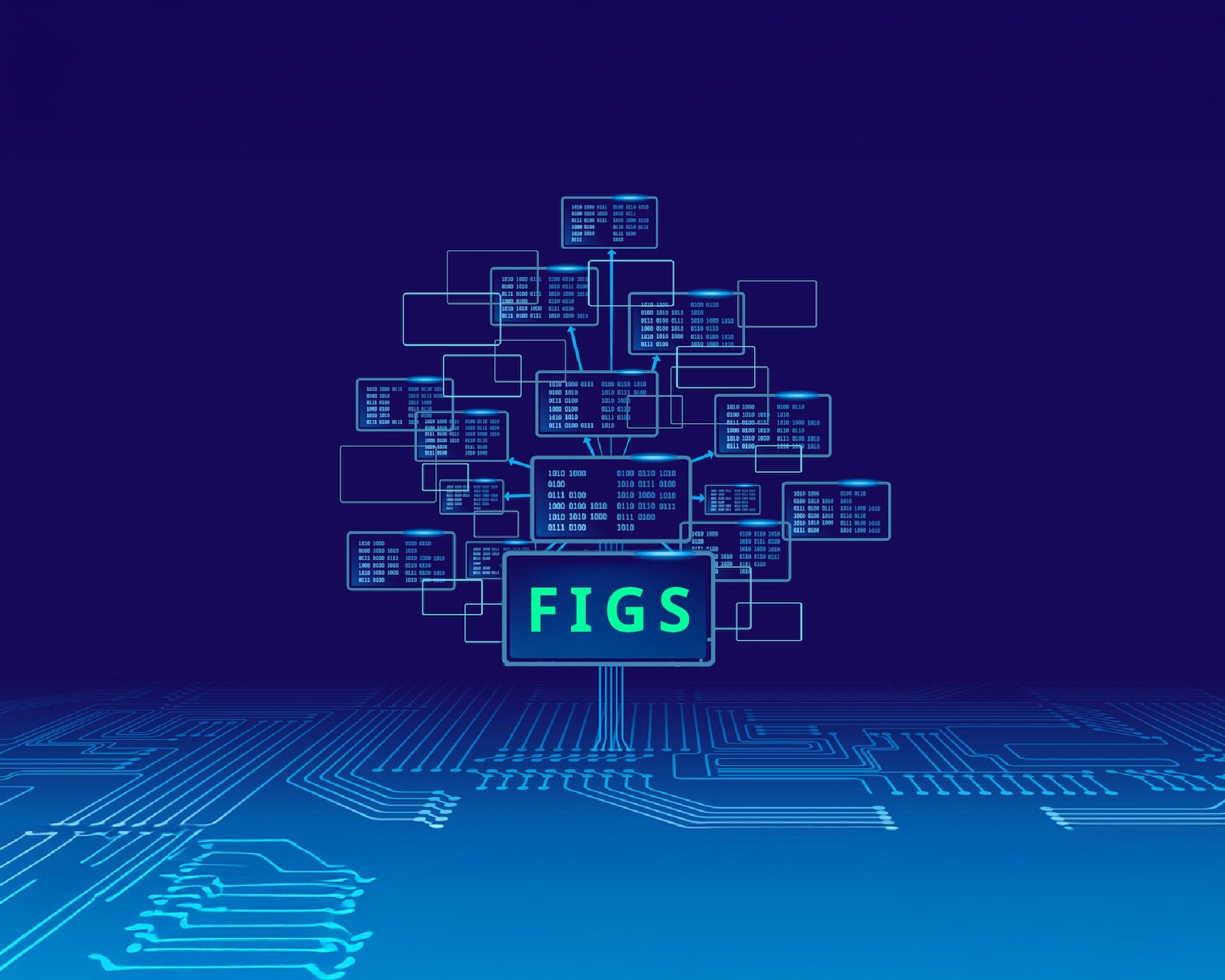
Decision trees are mostly interpretable but often do not have the best accuracy. To address this, Asst Prof Tan Yan Shuo and his collaborators proposed a new machine learning model – Fast Interpretable Greedy-tree Sums (FIGS), which builds multiple trees to achieve greater accuracy and interpretability. FIGS is especially helpful in domains like medicine, law or public policy, where both accuracy and clarity are vital for decision-making. The team also specially designed a model for medical data, to predict patient outcomes and guide clinical decisions.
Department of Statistics and
Data Science
New metabolic profiling method uncovers hidden health risks
Published in Proceedings of the National Academy of Sciences (April 2025 )
Assoc Prof Yao Zhigangand his collaborators used advanced mathematical techniques to analyse data from over 200,000 UK Biobank participants and group metabolic markers into seven categories. In three categories, they uncovered unique metabolic profiles linked to distinct disease risks in diabetes, heart disease and autoimmune disorders. This approach marks an important advancement in the precision and interpretability of metabolic profiling, offering a new way to understand metabolic health and improve personalised healthcare and preventive medicine.
AI-driven science, at work
Our alumni are carrying these approaches into the world, across different industries and domains. Some design AI tools for healthcare, others bring them into sustainability. The details differ, but a thread connects them: applying the habits of scientific rigour and logical thinking learned at university, then amplifying these skills with AI to bring solutions that help society.
From reactive to proactive healthcare
Life Sciences alumnus Dr Keith Chong has built his career on one conviction: using AI to prevent, rather than simply respond to illness. His early struggles with chronic stomach issues revealed the limitations of traditional care, inspiring him to pursue roles across science and entrepreneurship in healthcare. Today, as founder of Syndesia – Asia’s first fully integrated medical technology venture builder – he uses imaging and biosignal analysis to reveal subtle physiological patterns and diagnose root causes to guide personalised nutrition, lifestyle interventions and therapy plans for long-term wellbeing.
“The best part of my work is bringing AI to healthcare – by blending the efficiency of machines with human care – in a way that truly makes a difference for patients.”
Going green with code
The patented algorithm in ECO Q CODE is Mathematics alumnus Lim Meng Liang’s answer to a pressing sustainability challenge: how to cut printing costs and emissions from toxic ink manufacturing. Using advanced data compression algorithms, his company, Aires Investment, designed a novel two-dimensional green code which uses up to 90% less ink and stores more data, compared to traditional barcodes. He also patented another algorithm with multiple applications in quantum technology. Based in Singapore and Japan, Aires Investment is preparing to expand into Europe and the United States.
“My educational foundation allows me to better understand the internal workings of AI models and build more efficient models.”
Probability in practice
For Statistics alumnus Wayne Yap, the discipline of quantifying uncertainty began in the classroom and was sharpened at the professional poker table. Today, this mindset shapes his work at ConcordantAI, where he’s building the content creator’s ultimate copilot: polished videos in minutes. Using a sophisticated AI stack, ConcordantAI identifies trending videos and transforms them into automated clips or multilingual dubs with avatar presenters. Its competitive edge? A vast library of viral clips, multiagent prompts and an in-house virtual influencer with a unique brand identity. From educators to Hollywood studios, his clients have tripled content production while slashing editing time significantly.
“Every strategic decision is framed as an expected‑value equation with explicit priors and conditional probabilities. This keeps us honest about uncertainty and upside.”
Questions remain open
With AI now embedded in undergraduate lectures, postgraduate curricula, research projects and alumni careers, the landscape of science education and research is changing. Yet, a larger question remains. Will AI remain one method among many or will it evolve into something closer to a partner in discovery?
For now, students and researchers are learning to treat algorithms as both instruments and interlocutors – tools that stretch the reach of science while reframing the questions that matter. The answer may only become clear when today’s undergraduates step fully into tomorrow’s laboratories and offices, carrying with them a fluency in algorithms that once belonged to specialists alone.
Box Story
New bent-toed gecko species in Timor-Leste
“We have barely scratched the surface of Timor-Leste’s biodiversity. New discoveries can have profound impacts on conservation and policy-making.”
In August 2022, we led an expedition to Timor-Leste in collaboration with Conservation International and the government of Timor-Leste. The Museum’s herpetologist, Dr CHAN Kin Onn, discovered a new species of bent-toed gecko which was named Cyrtodactylus santana, in reference to the Nino Konis Santana National Park, in which the gecko was discovered.